Today is the first of March. And if you're feeling something shift — a loosening, a subtle sense of arrival — you're not imagining it. You're just on Roman time.
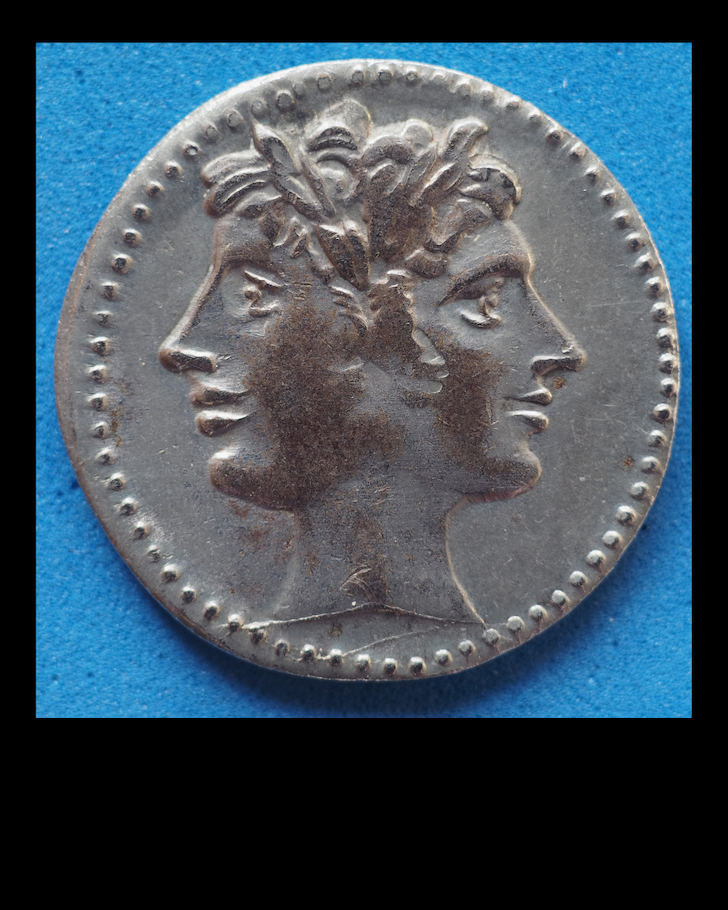
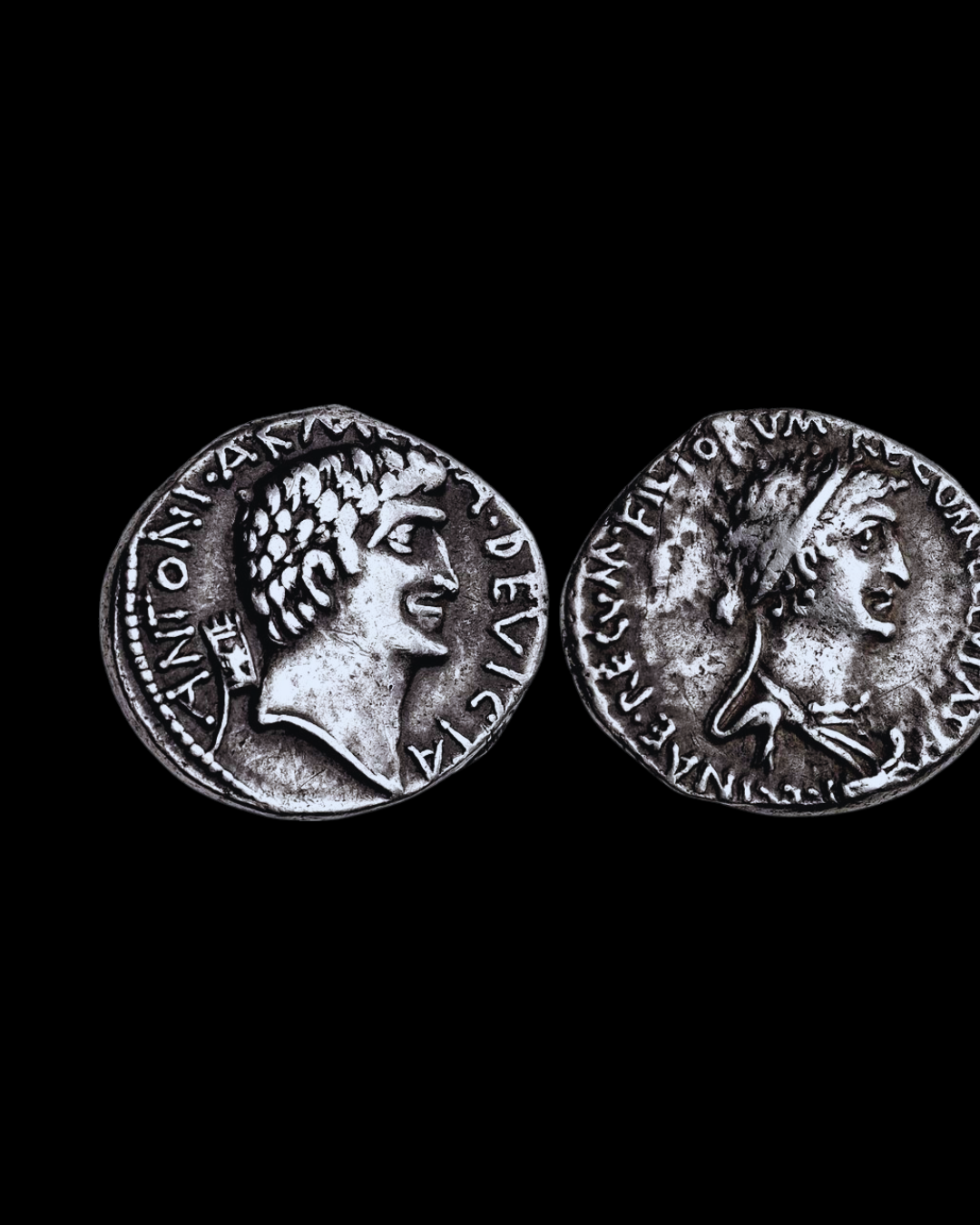
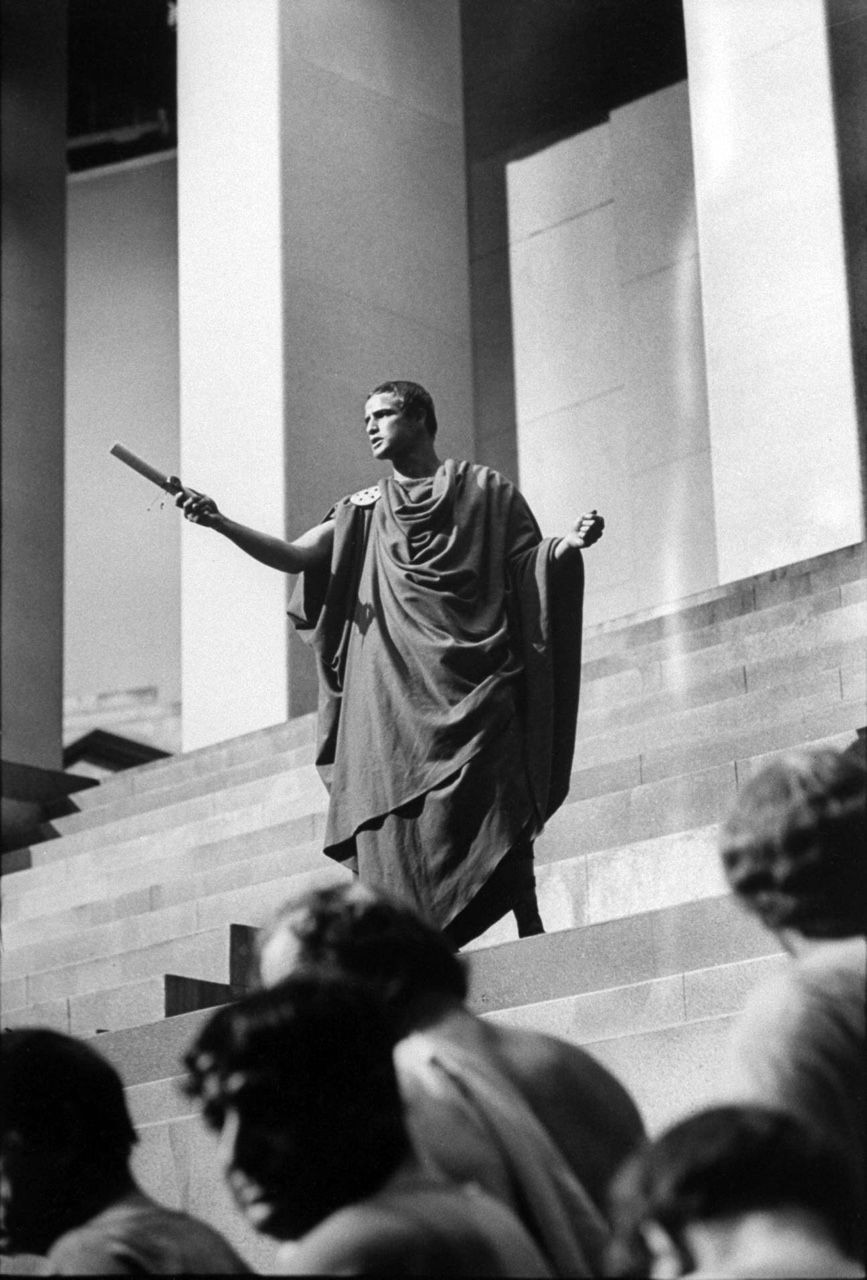
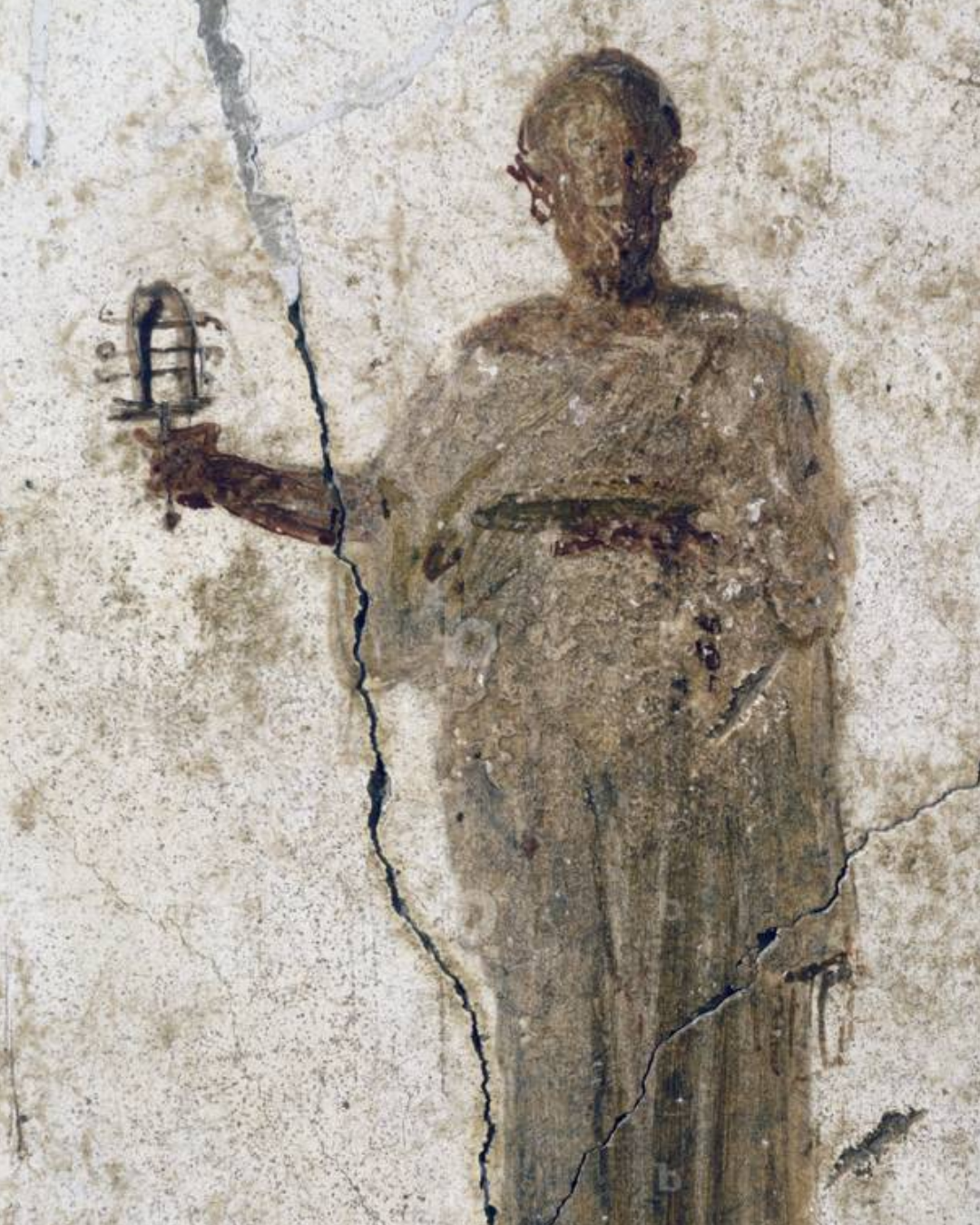
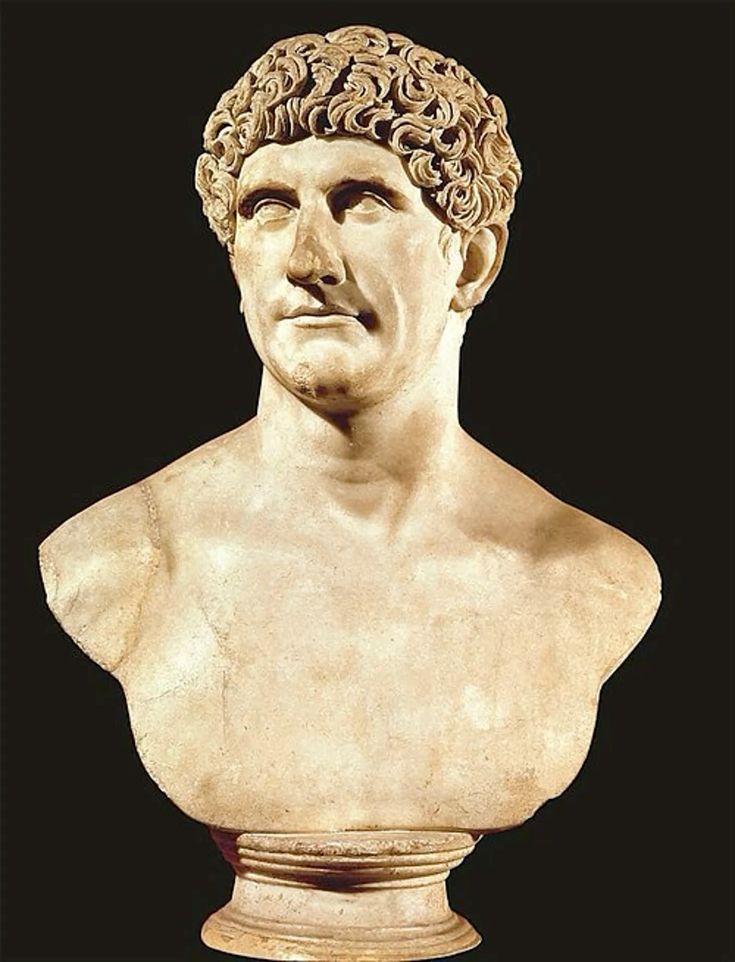
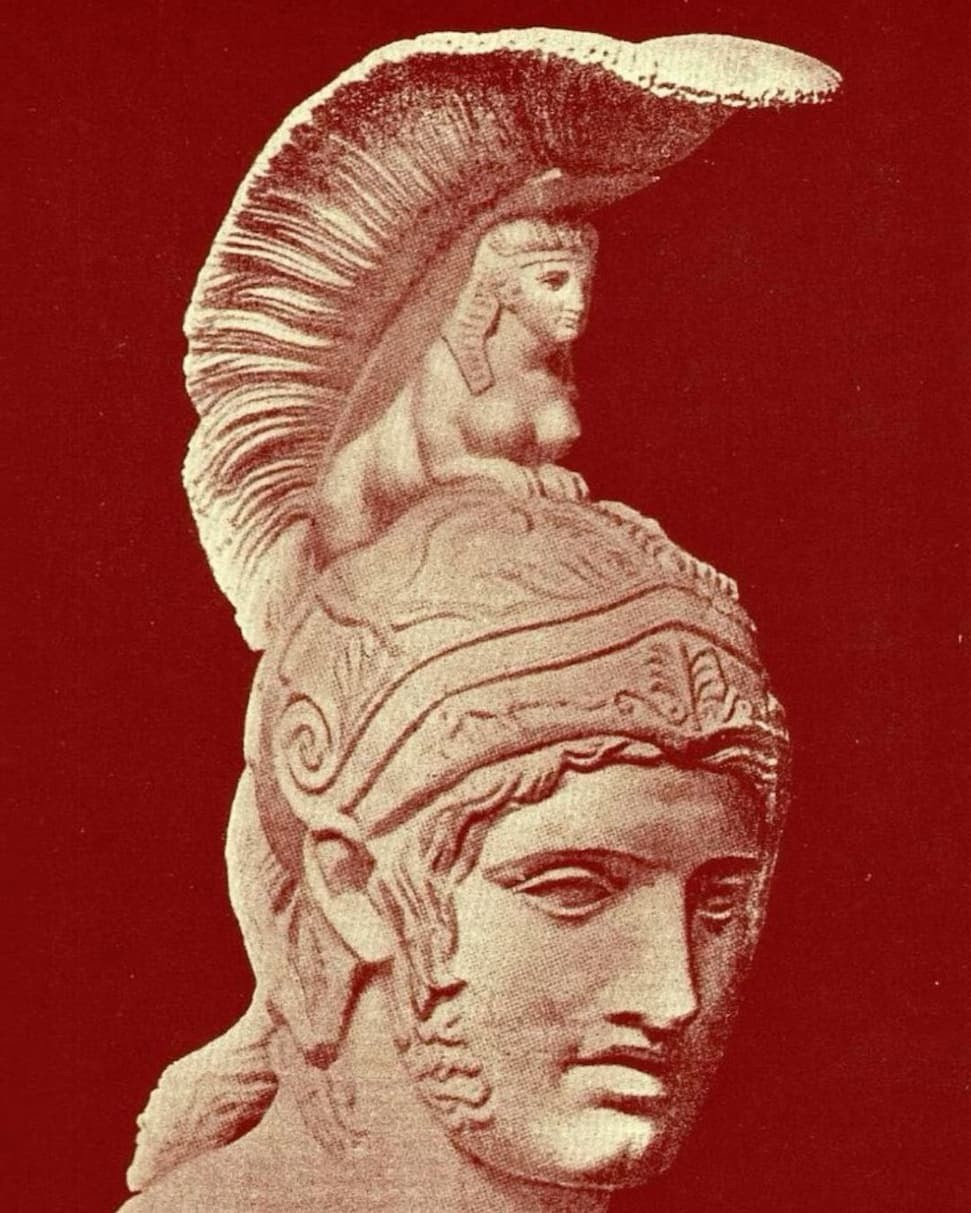
March 1st was the original Roman new year. The calendar, attributed to Romulus, started with Martius — named after Mars, god of war and agriculture — and ran for ten months. Which is why September till December are named after the seventh till tenth months. They were, once, exactly that. Winter wasn't counted at all; it was simply a gap. A nameless stretch of dormancy between one year and the next. Even the Romans knew better than to pretend anything meaningful happens in February.
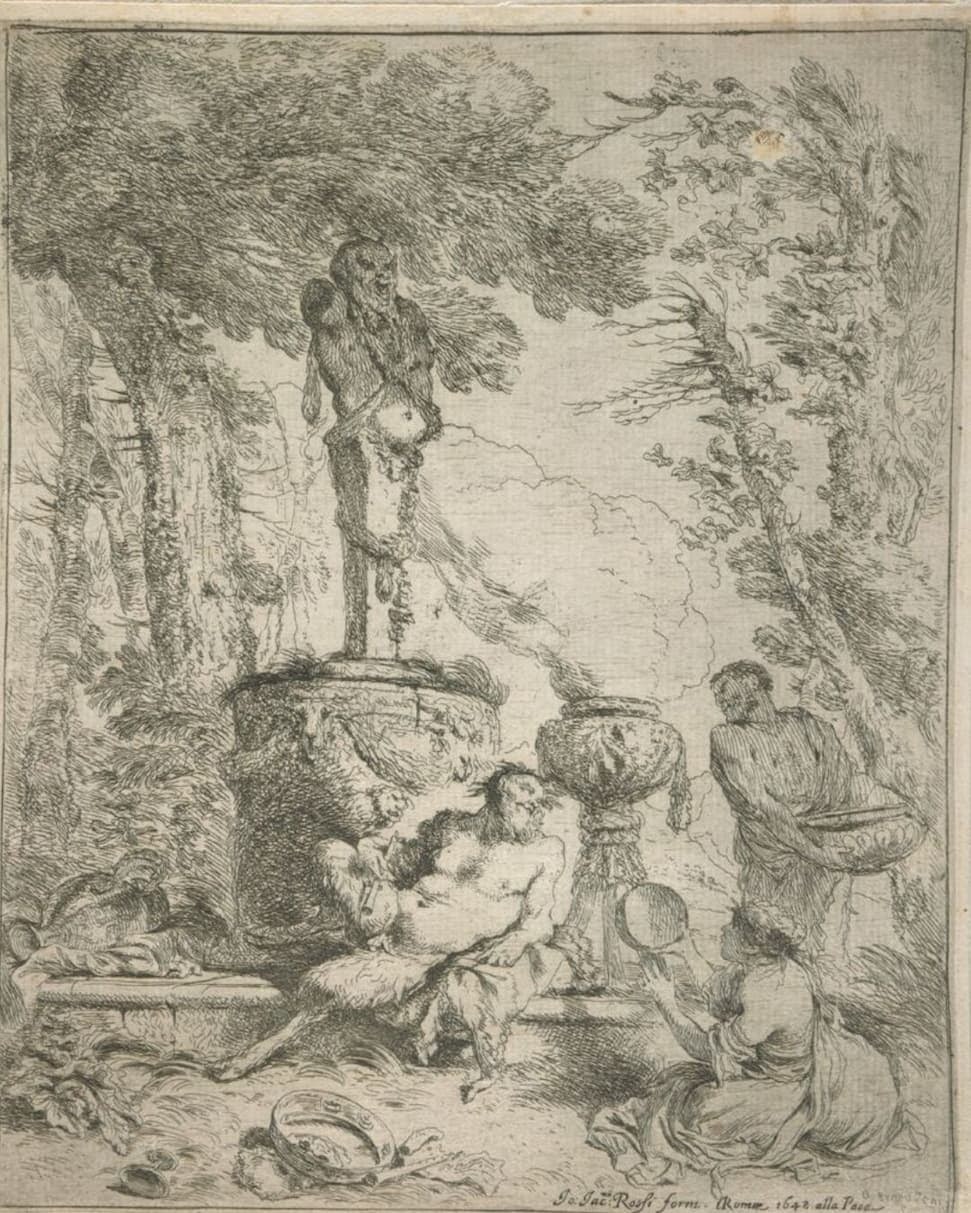
Just before the new year, they marked the transition with the Terminalia. A festival for Terminus, god of boundaries and border stones. Neighbours gathered at the stones dividing their land, poured offerings of grain, honey and wine, and formally acknowledged the line between one world and the next. They didn’t cross it – just honoured that it was there. The threshold itself was the point.
We've rather lost the art of that. But the Romans were onto something: the space between is not empty. It's where everything actually happens. They even had a word for it — limen, the threshold, the doorstep, the moment before you cross over. It's where we get ‘liminal’ from, and liminality is not a waiting room. It's a state of transformation in its own right. You are not yet what you are about to become. Which is, if you think about it, a rather beautiful place to be.
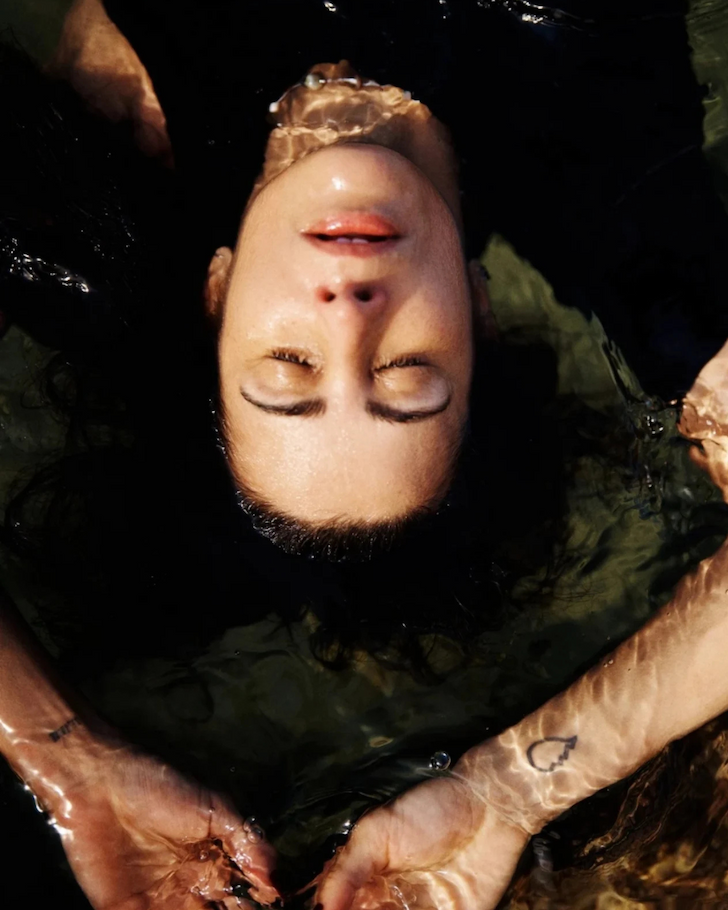
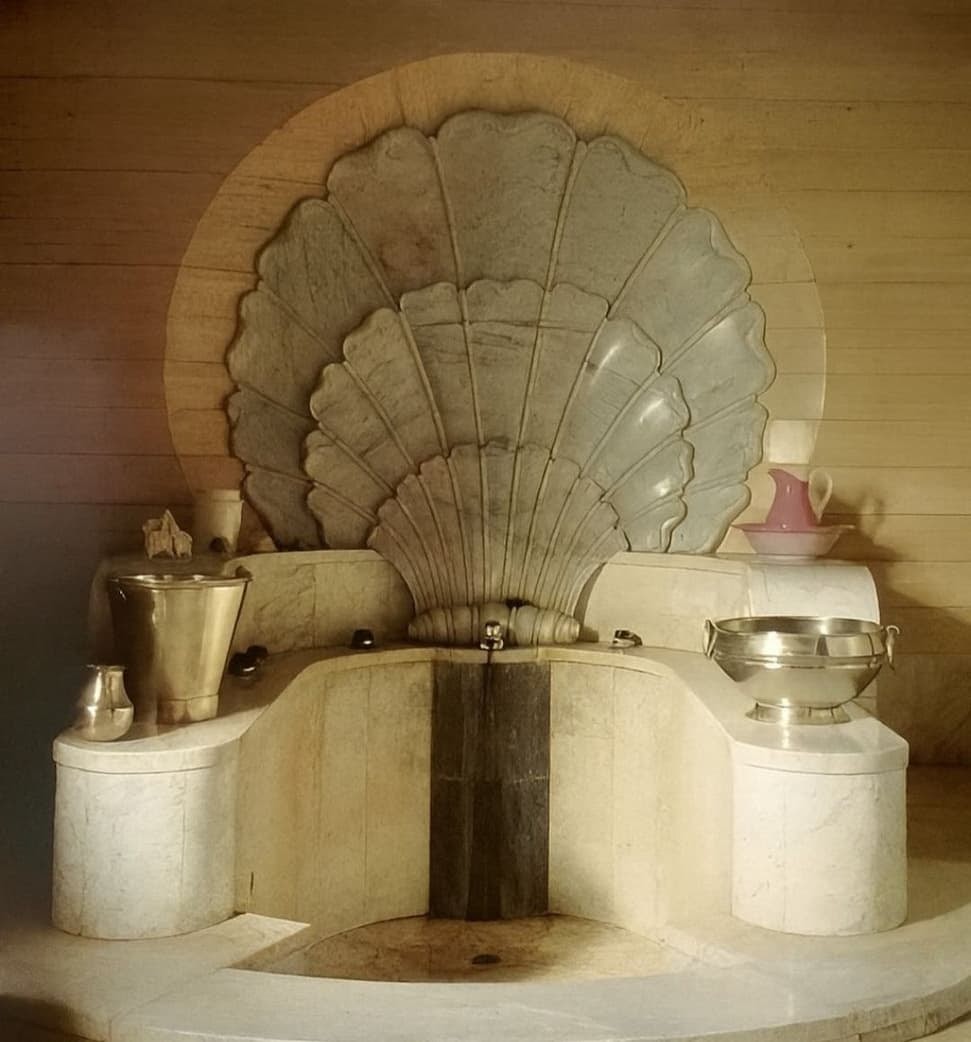
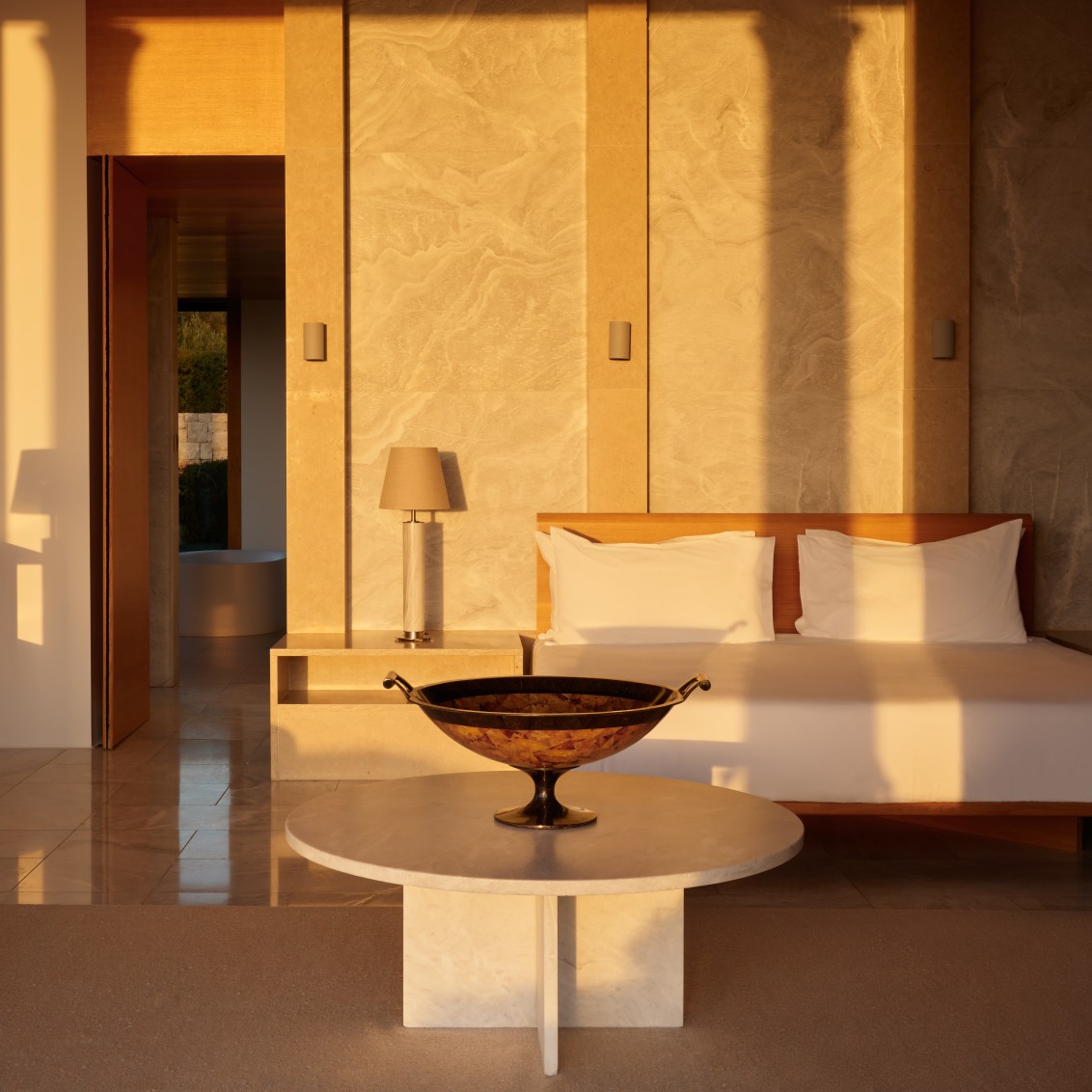
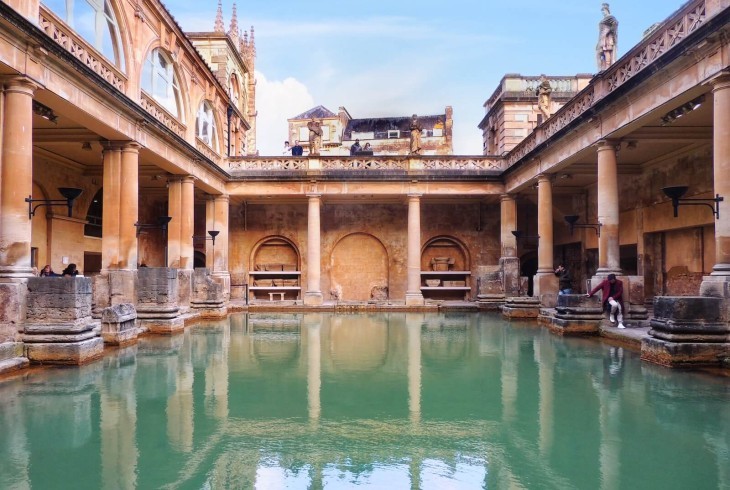
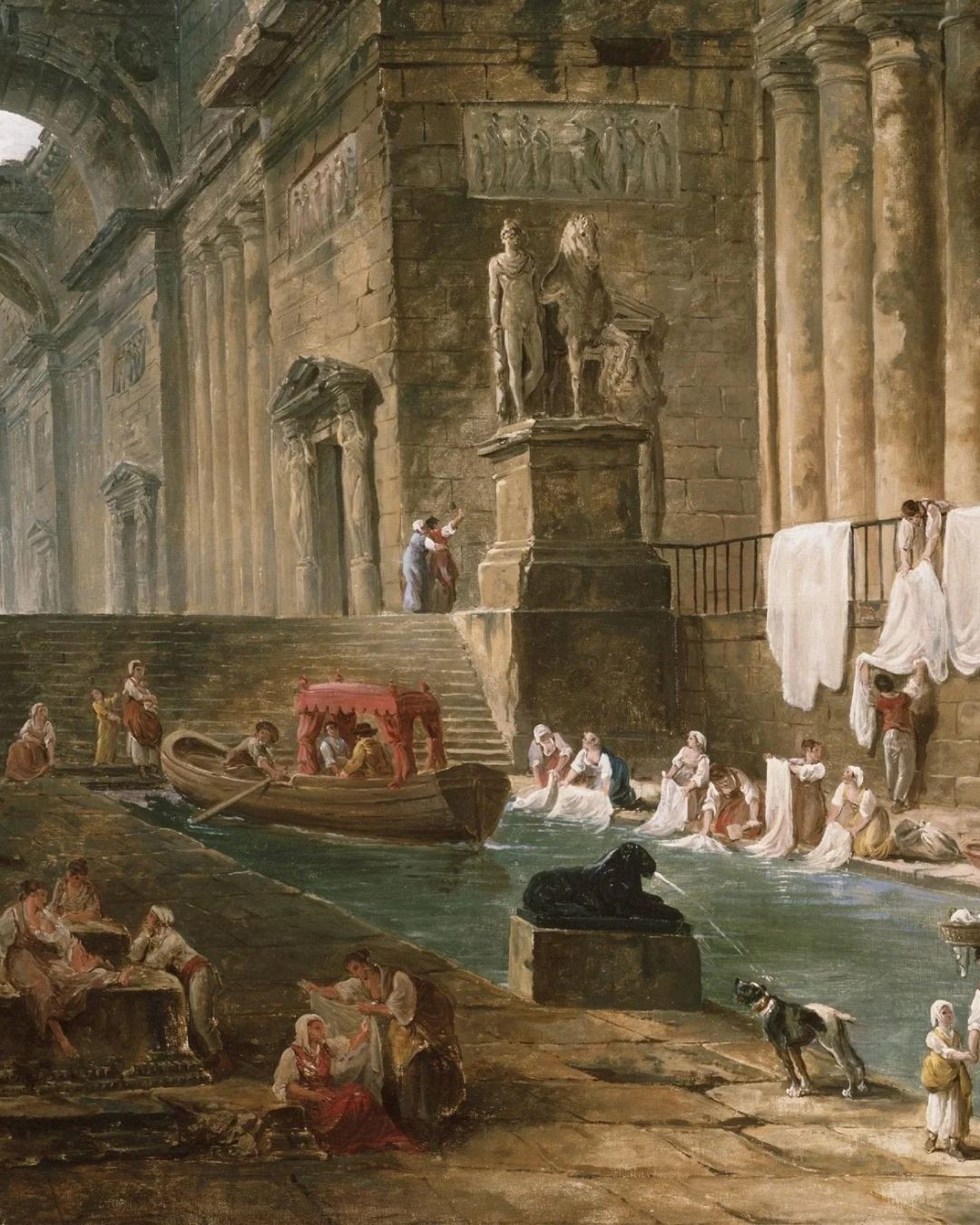
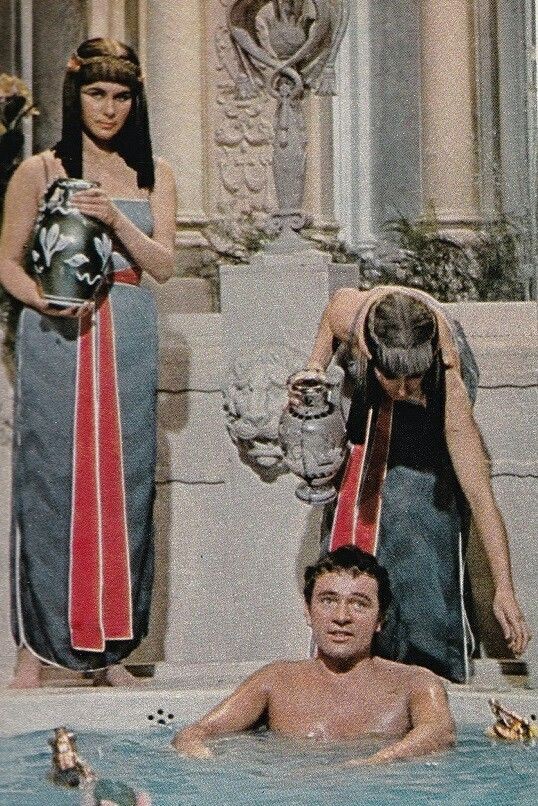
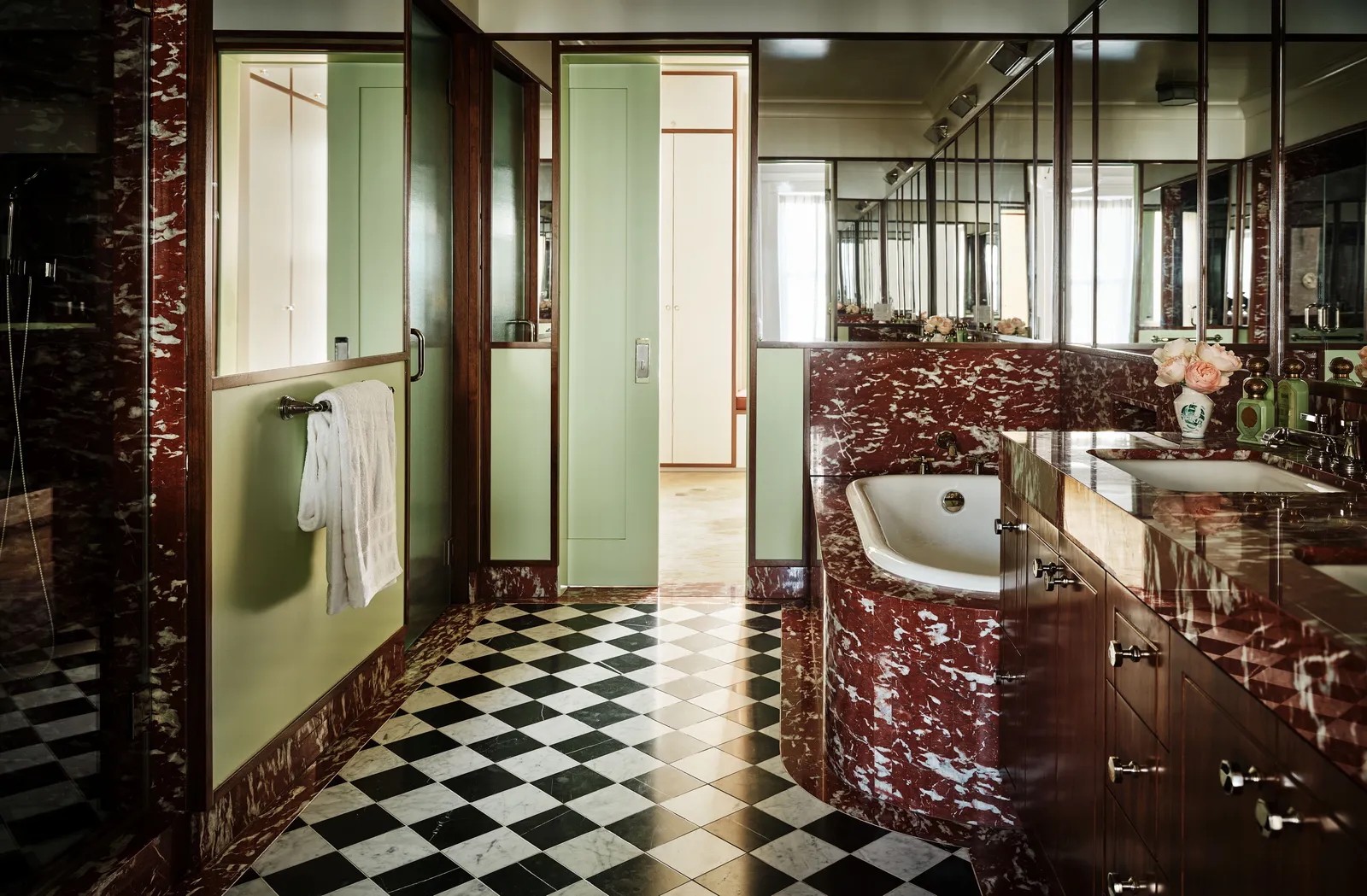
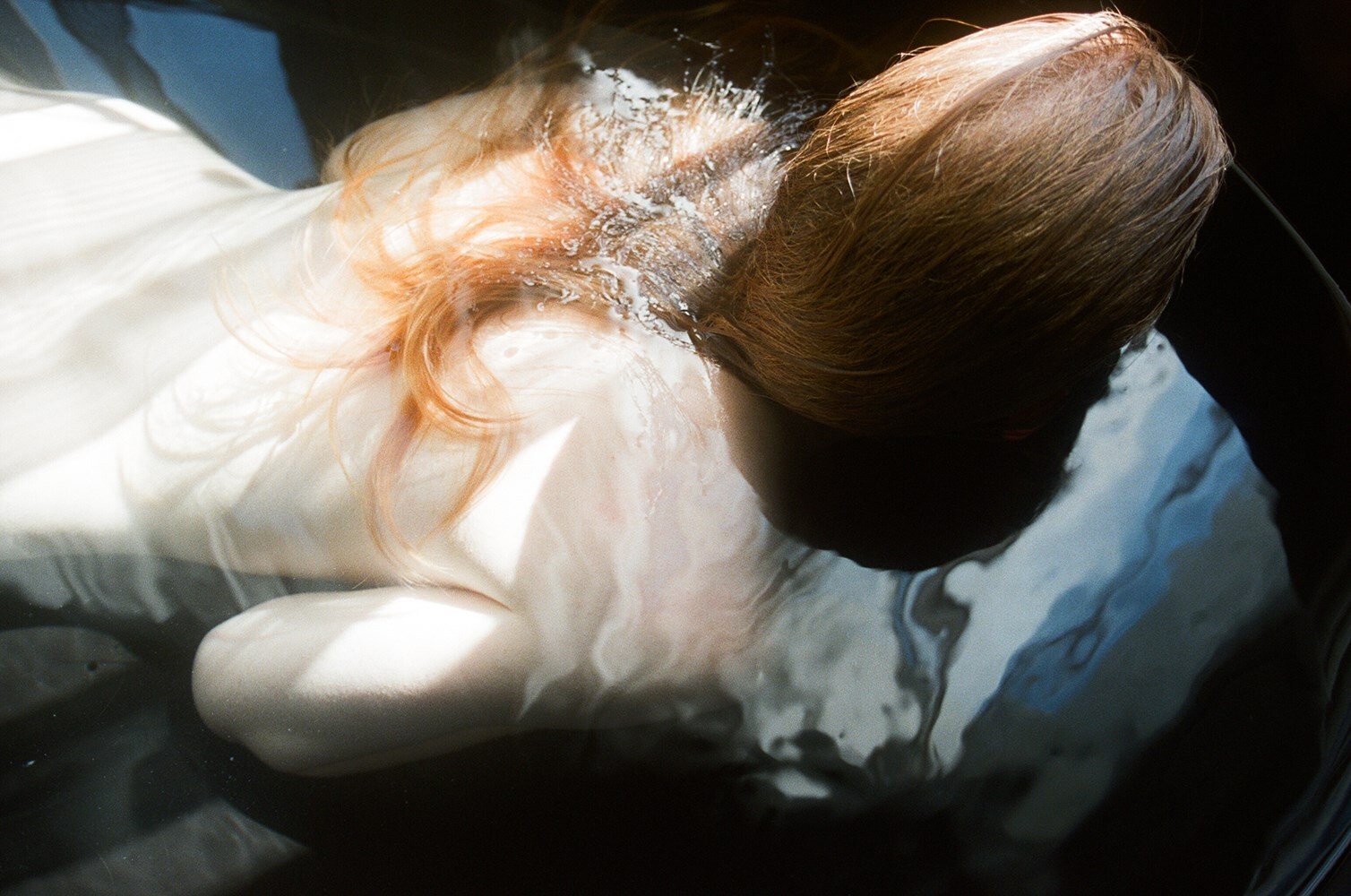
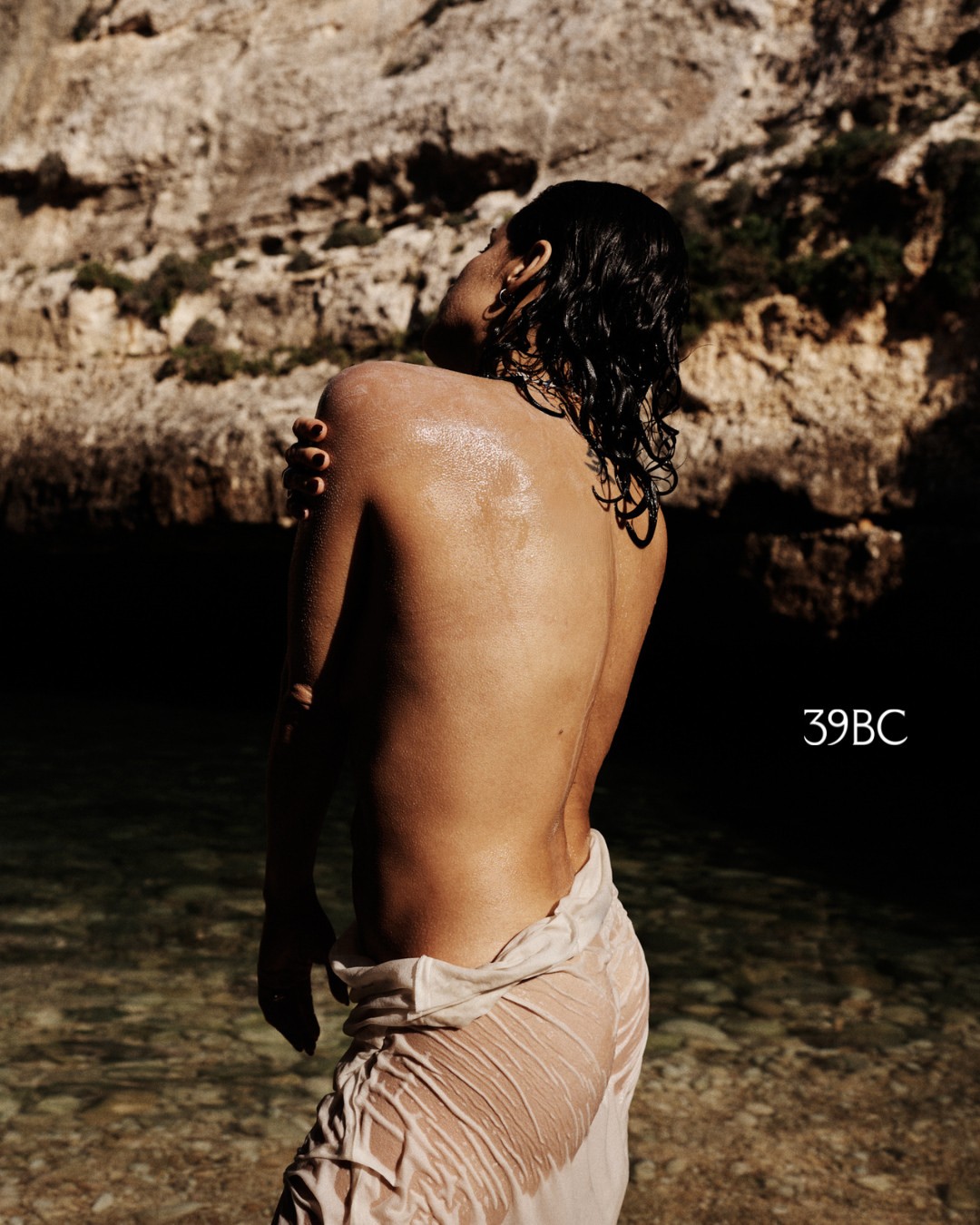
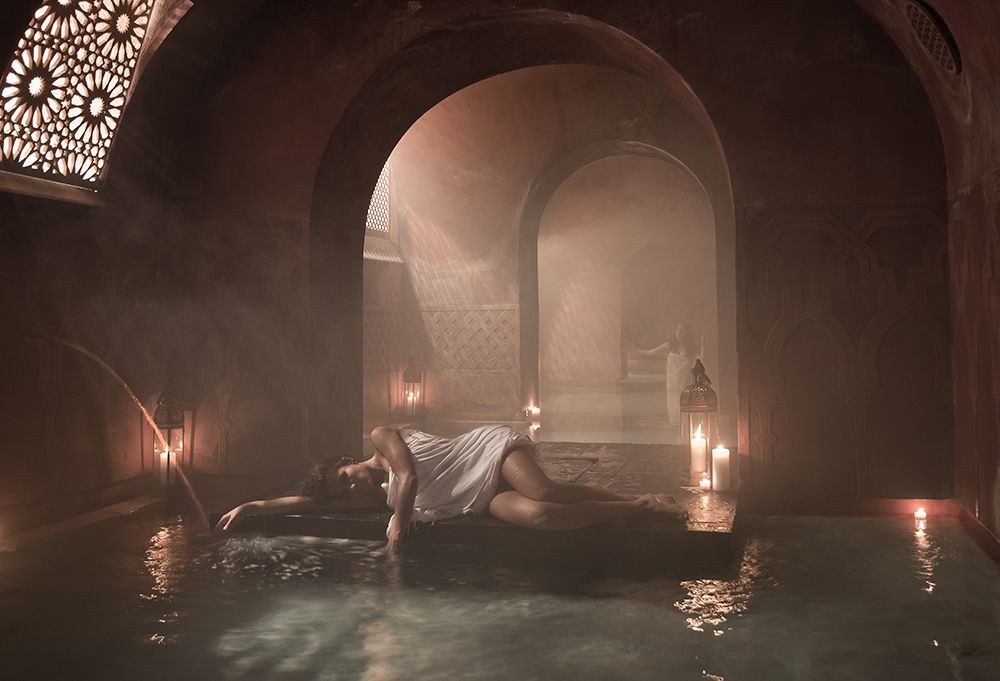
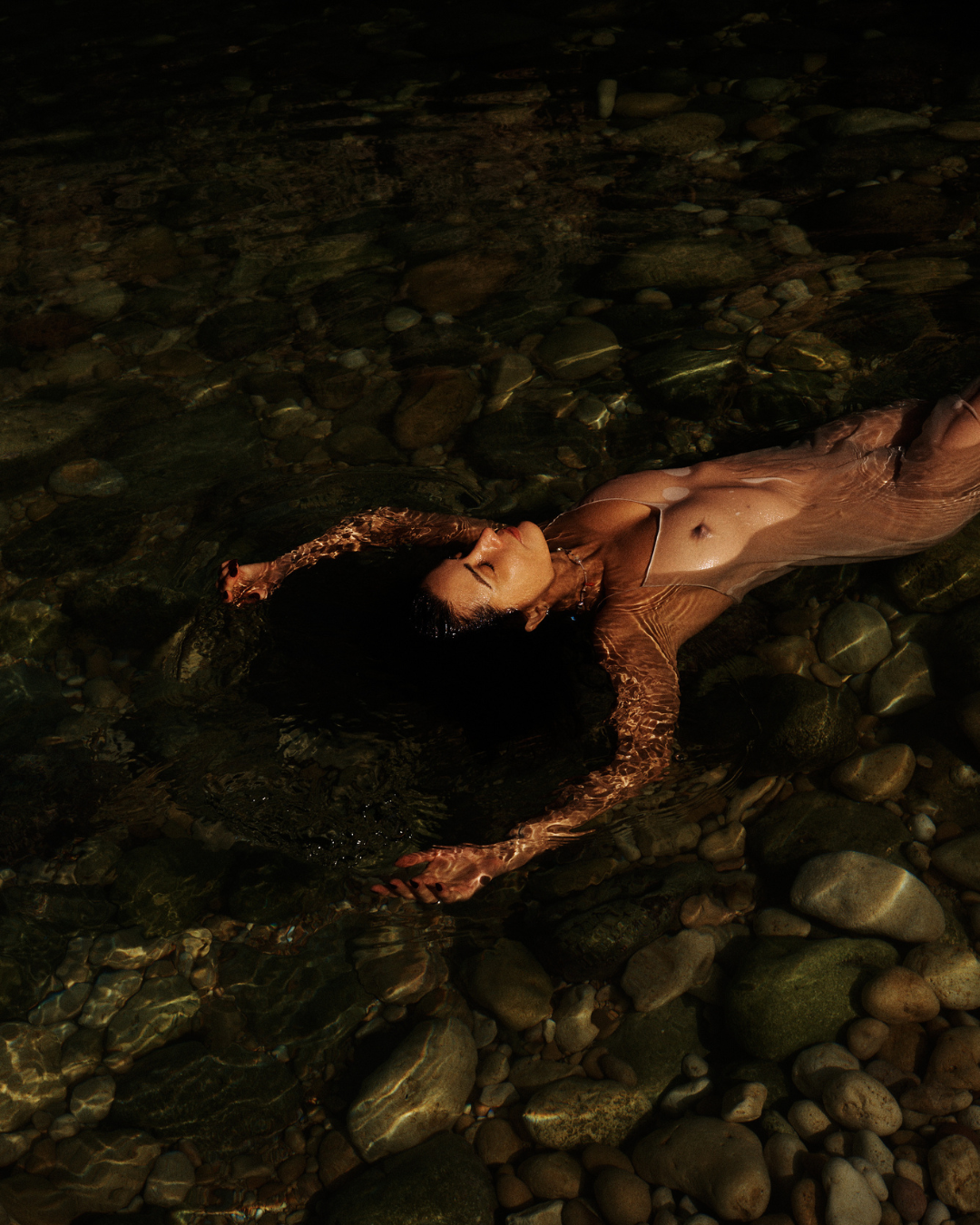
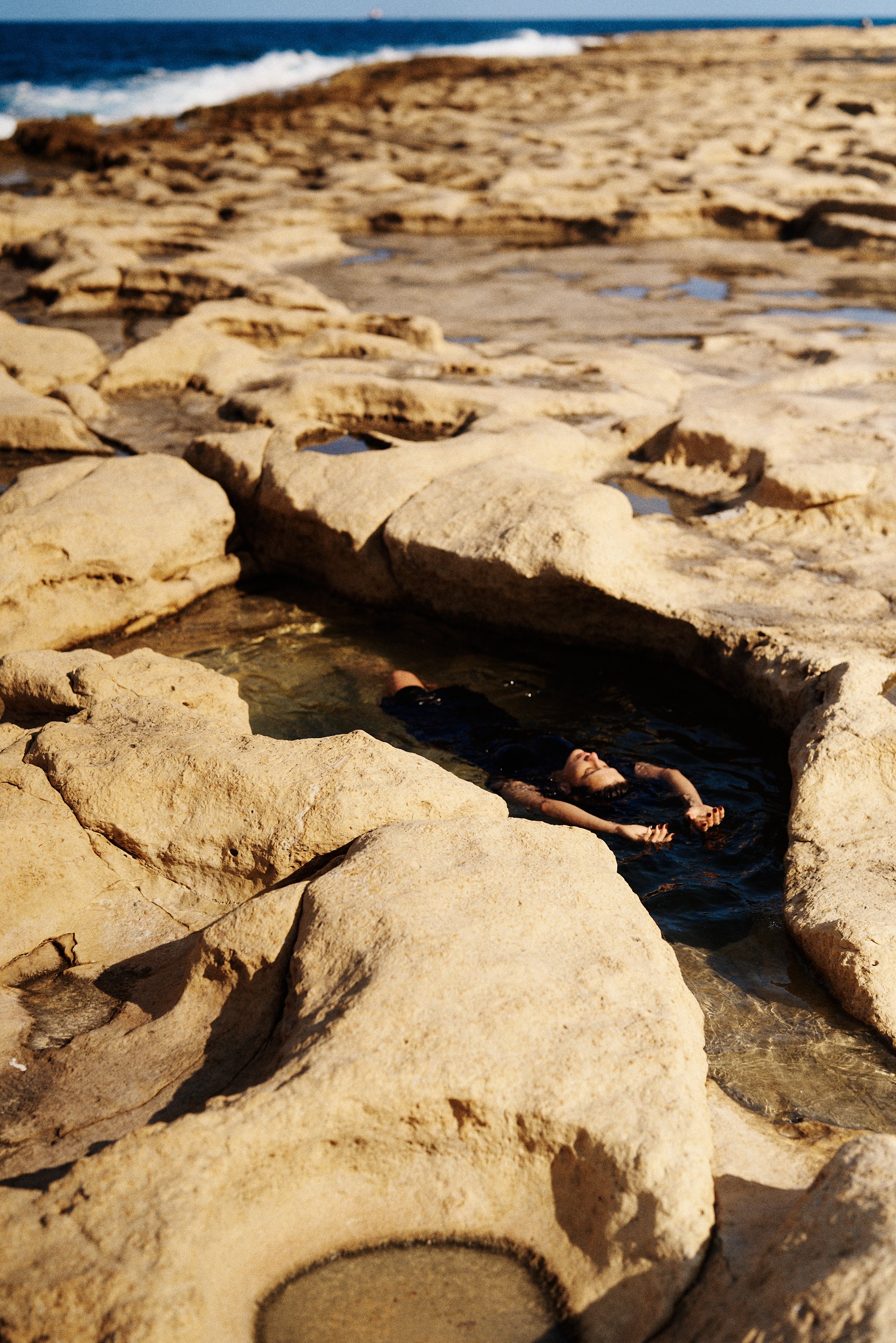
That brings us, as it always does, to the bath – the ultimate liminal space. Think about it: you step into the bath carrying the day. You step out without it. The water does something that nothing else quite manages: it marks the moment.
Before and after. Then and now.
The Romans made offerings at the threshold. We draw a bath.
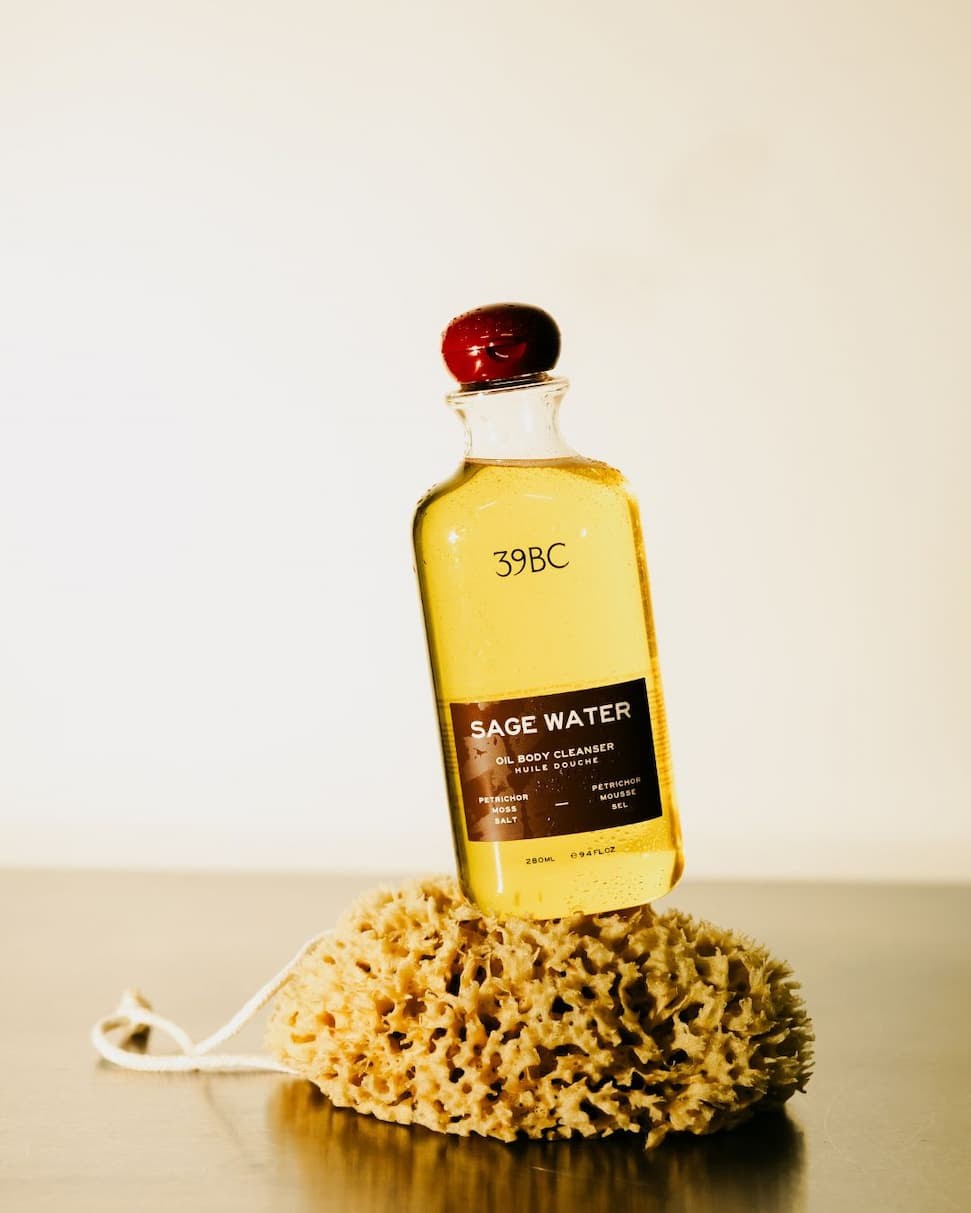
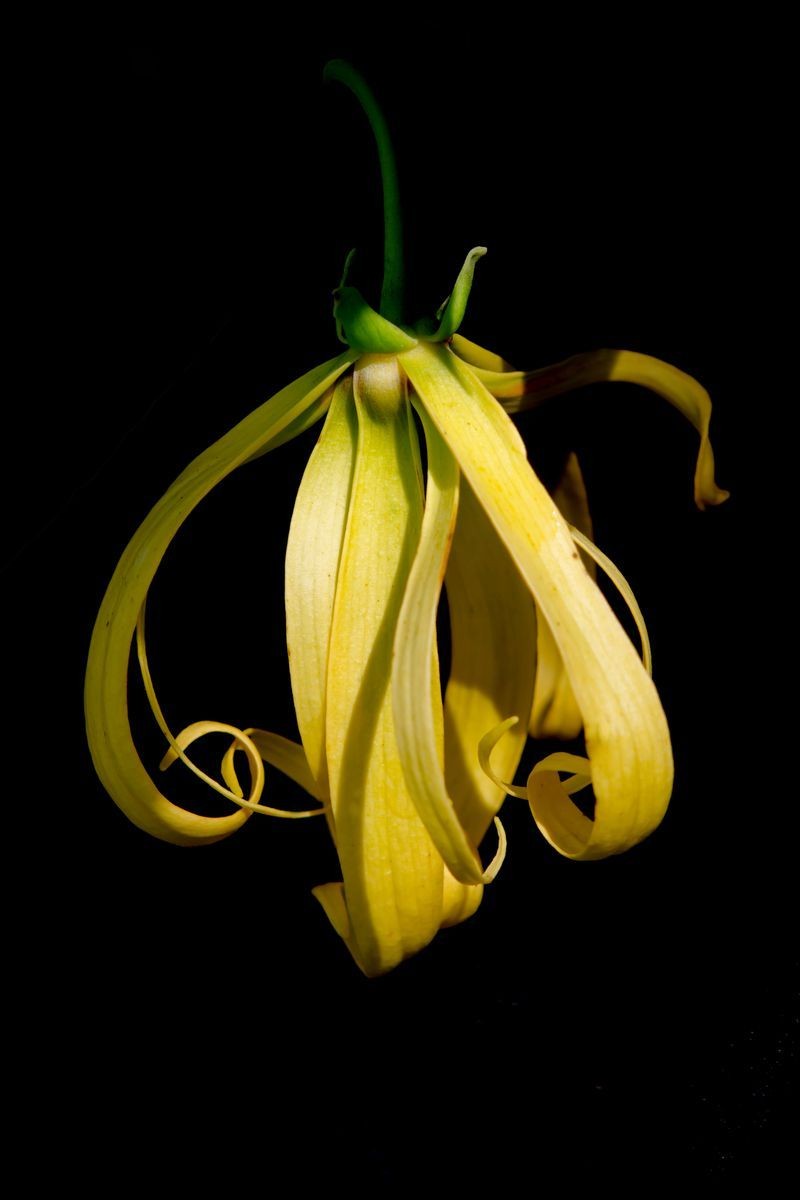
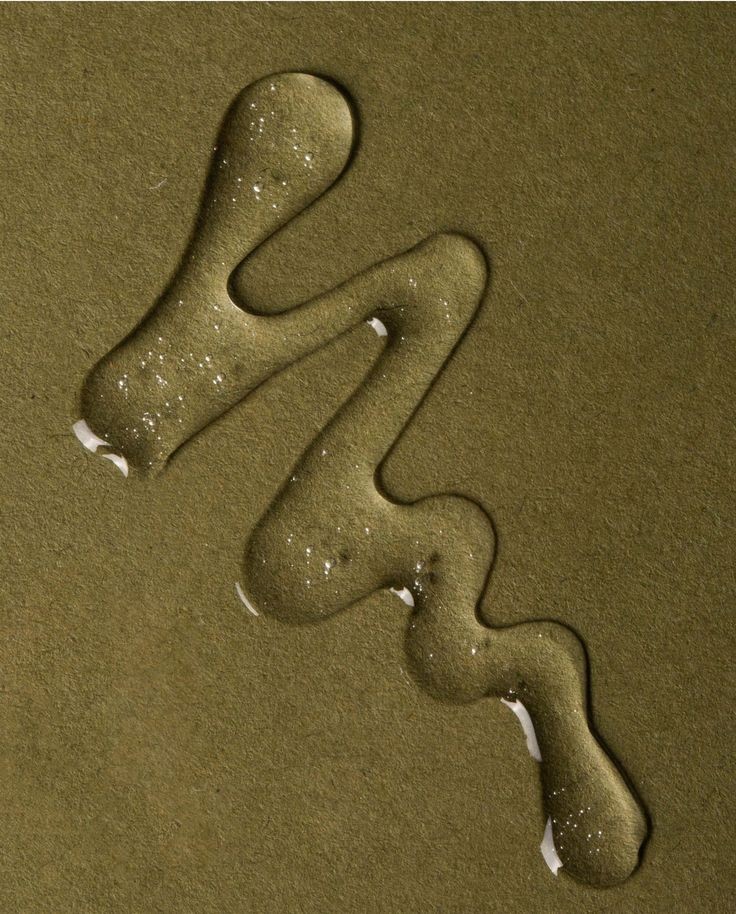
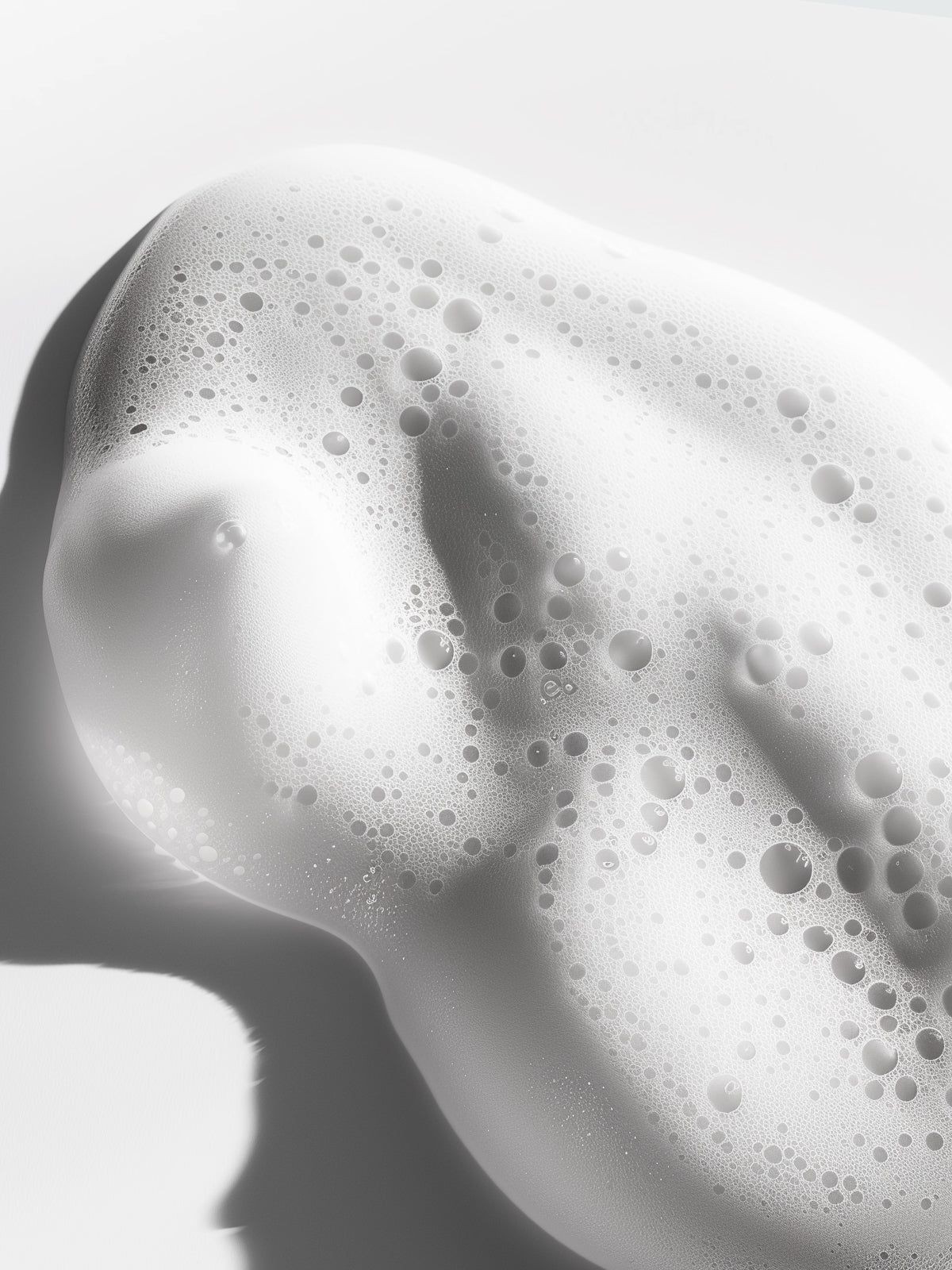
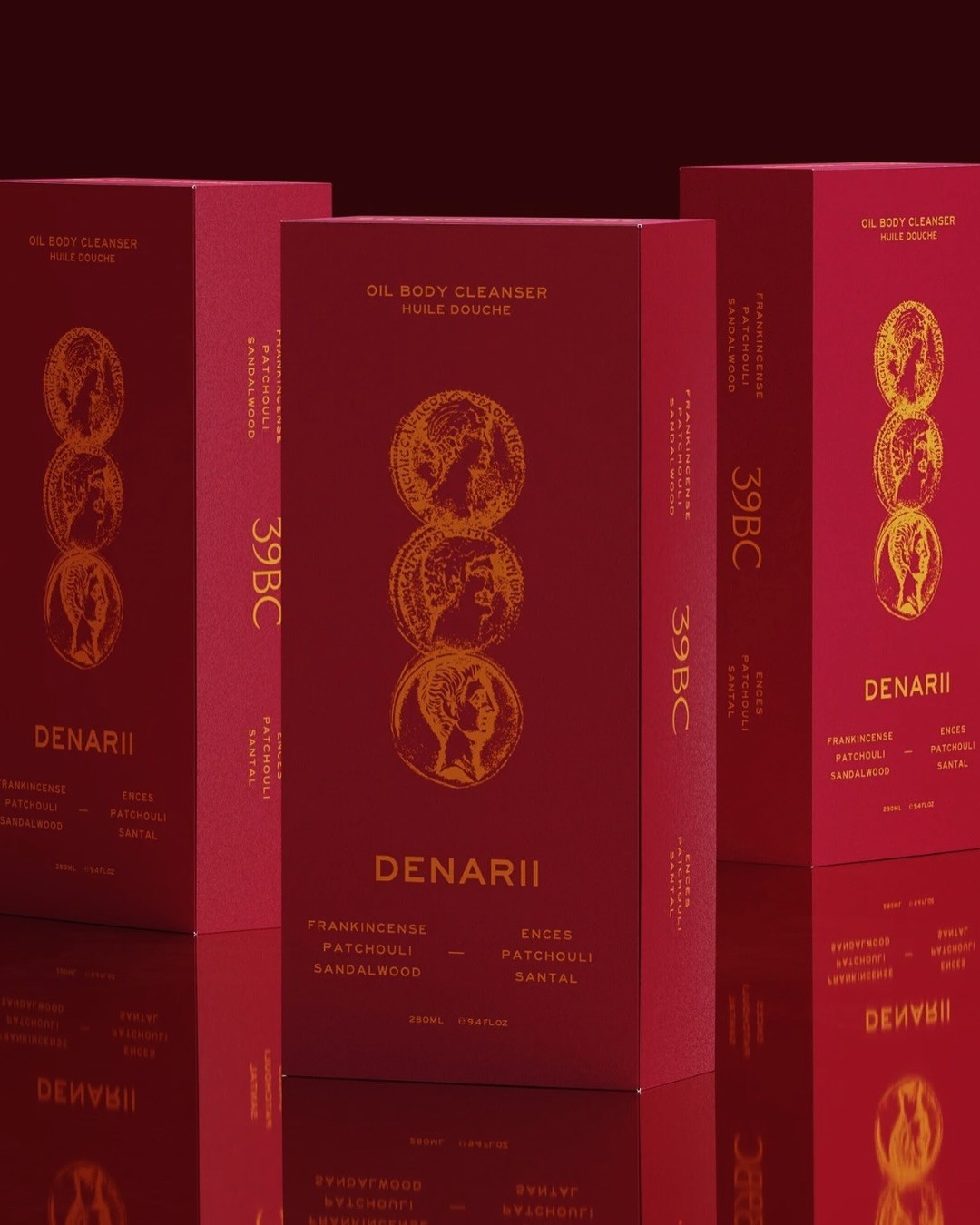
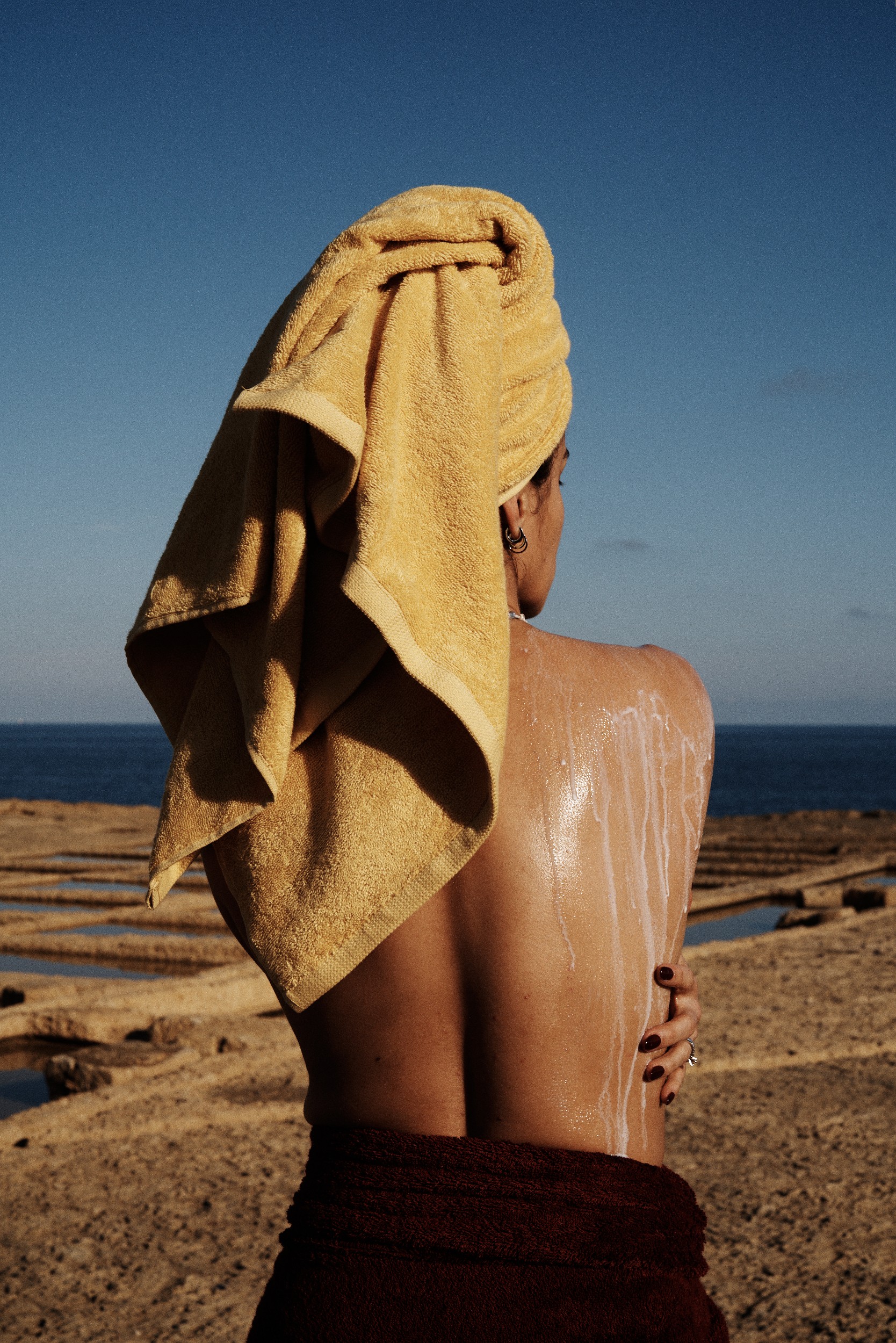
Sage Water was made for exactly this moment. It smells like cold air over wet earth — salty, herbal, the particular freshness of a morning that hasn't decided whether it's still winter. In the water, it transforms into a milky, oil-rich lather that leaves skin nourished rather than stripped. A threshold scent, for a threshold day.
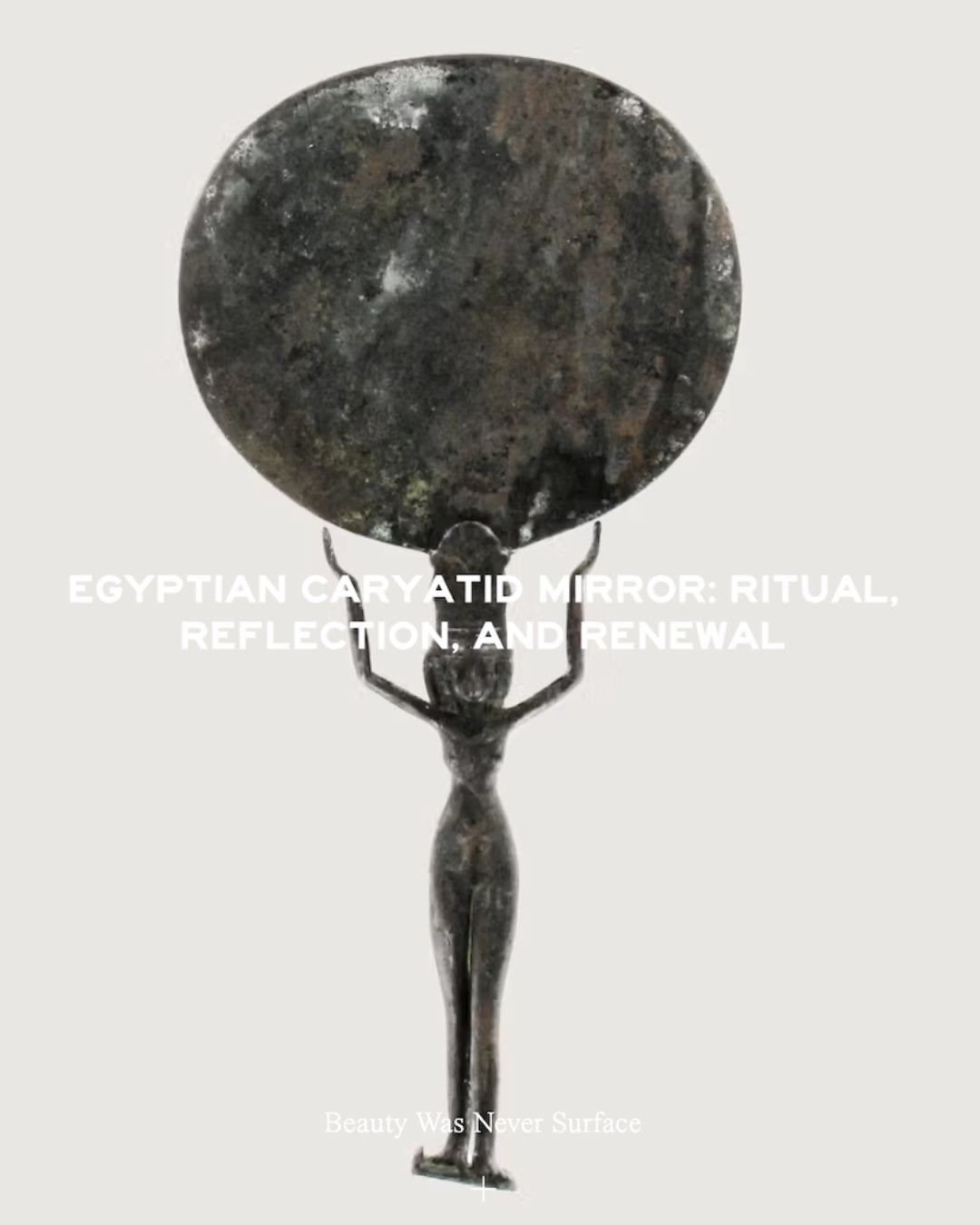
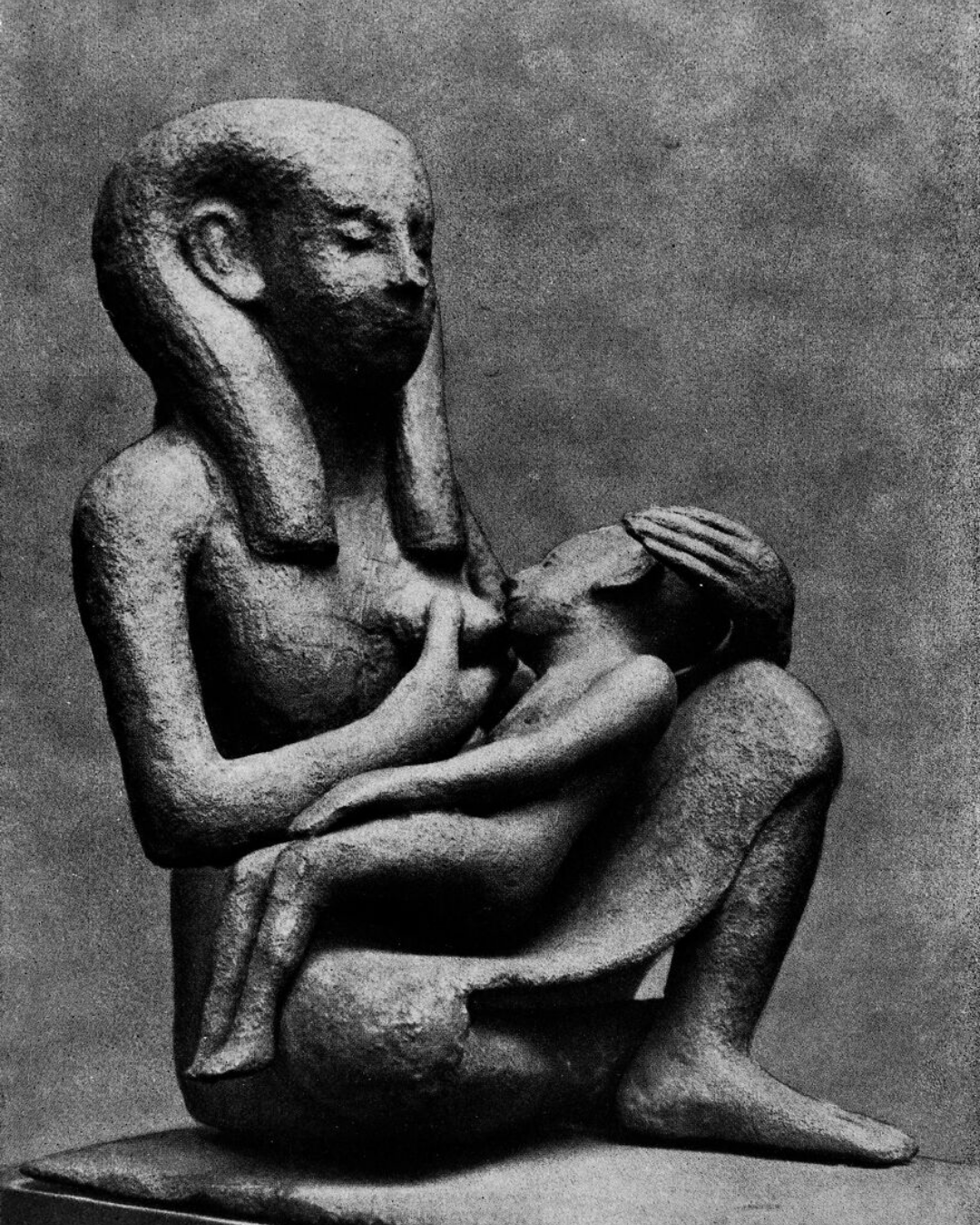
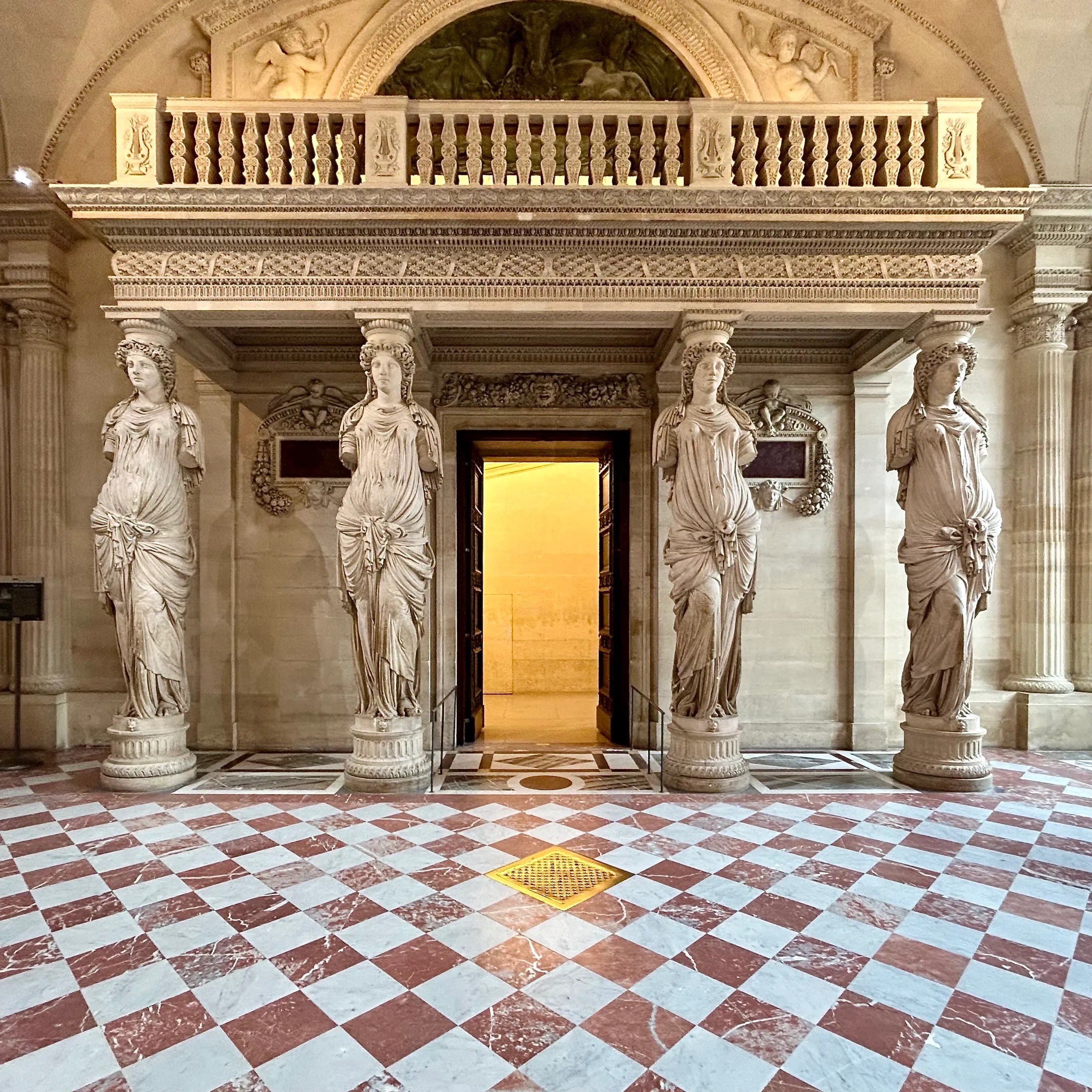
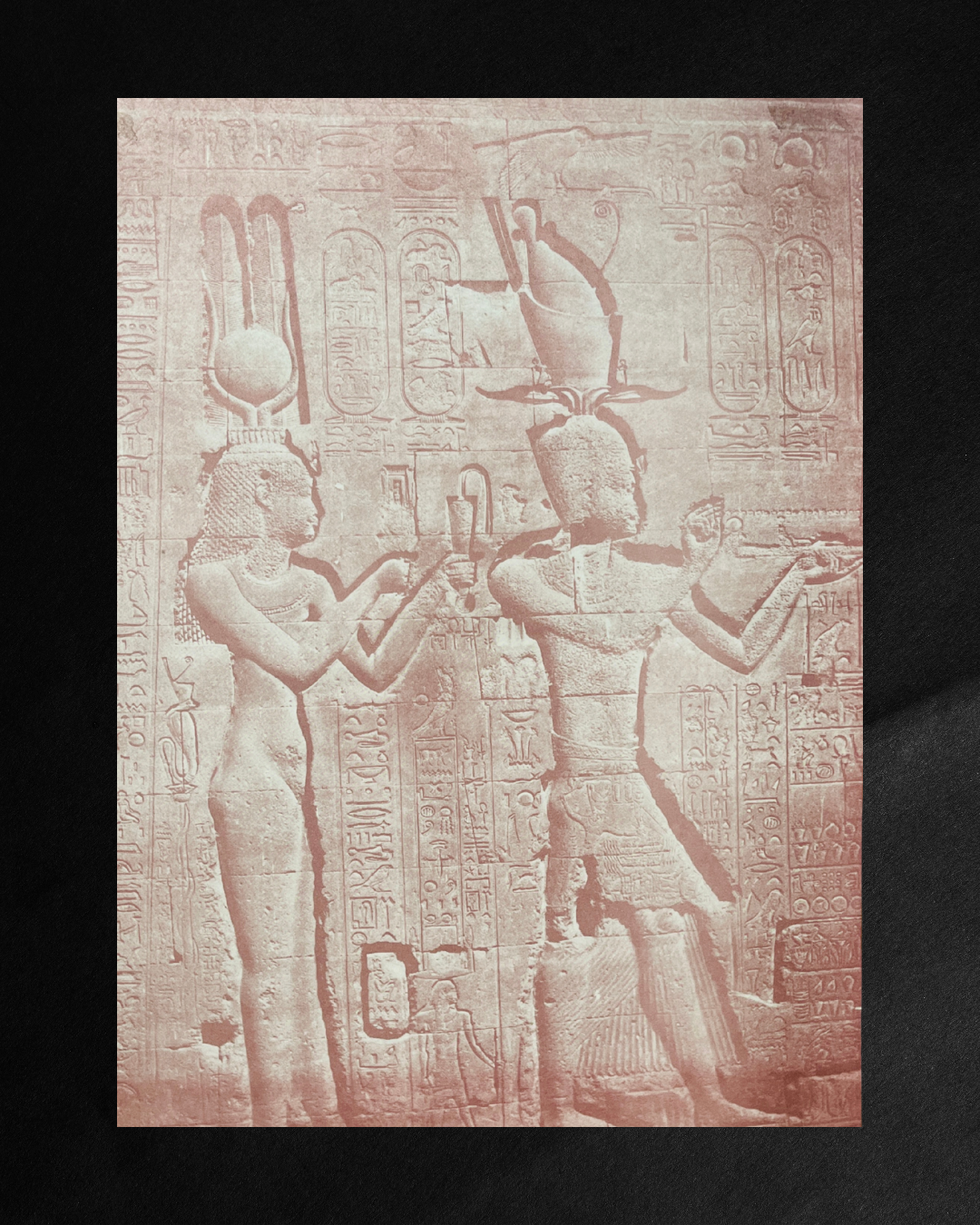
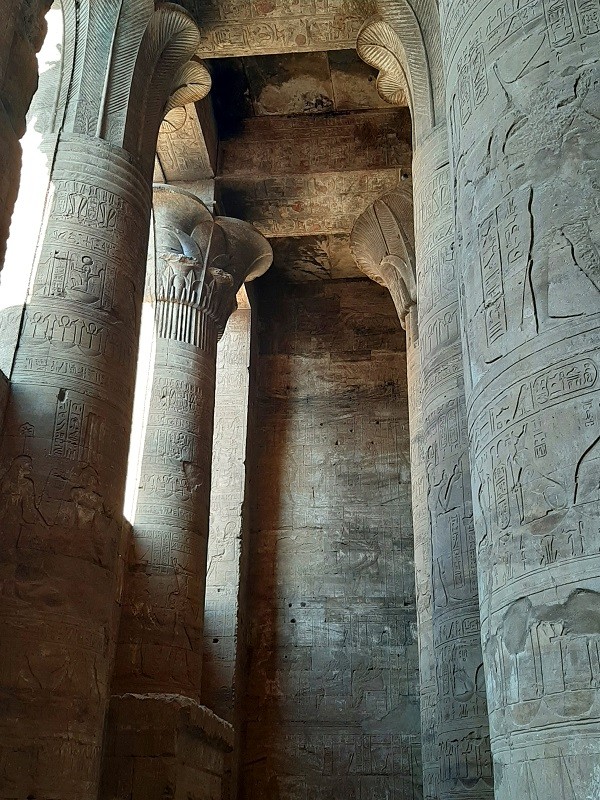
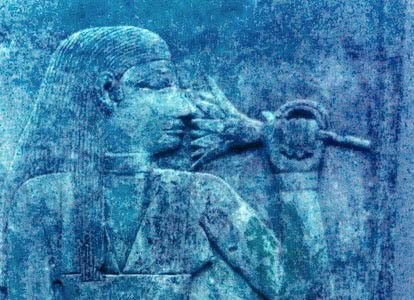
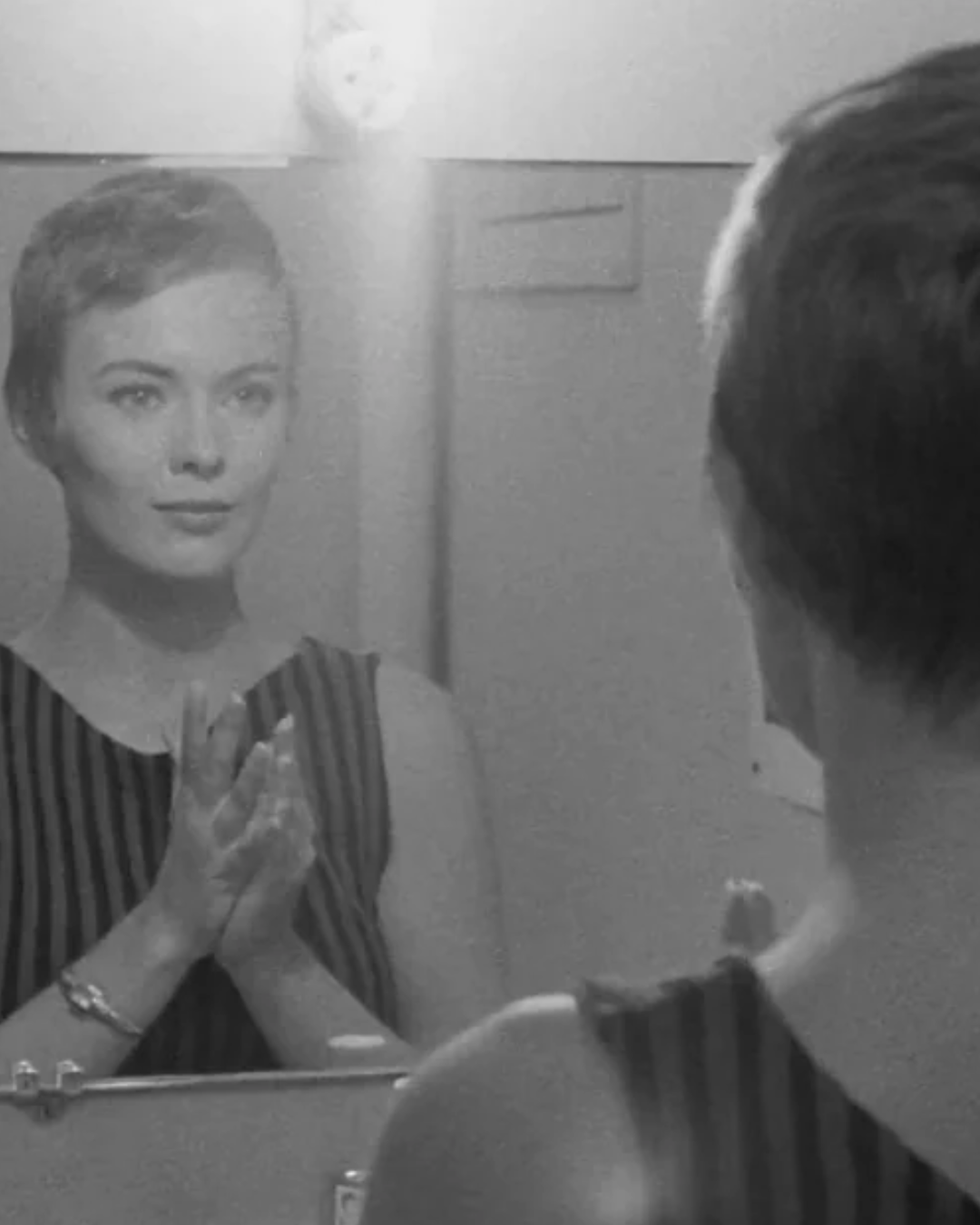
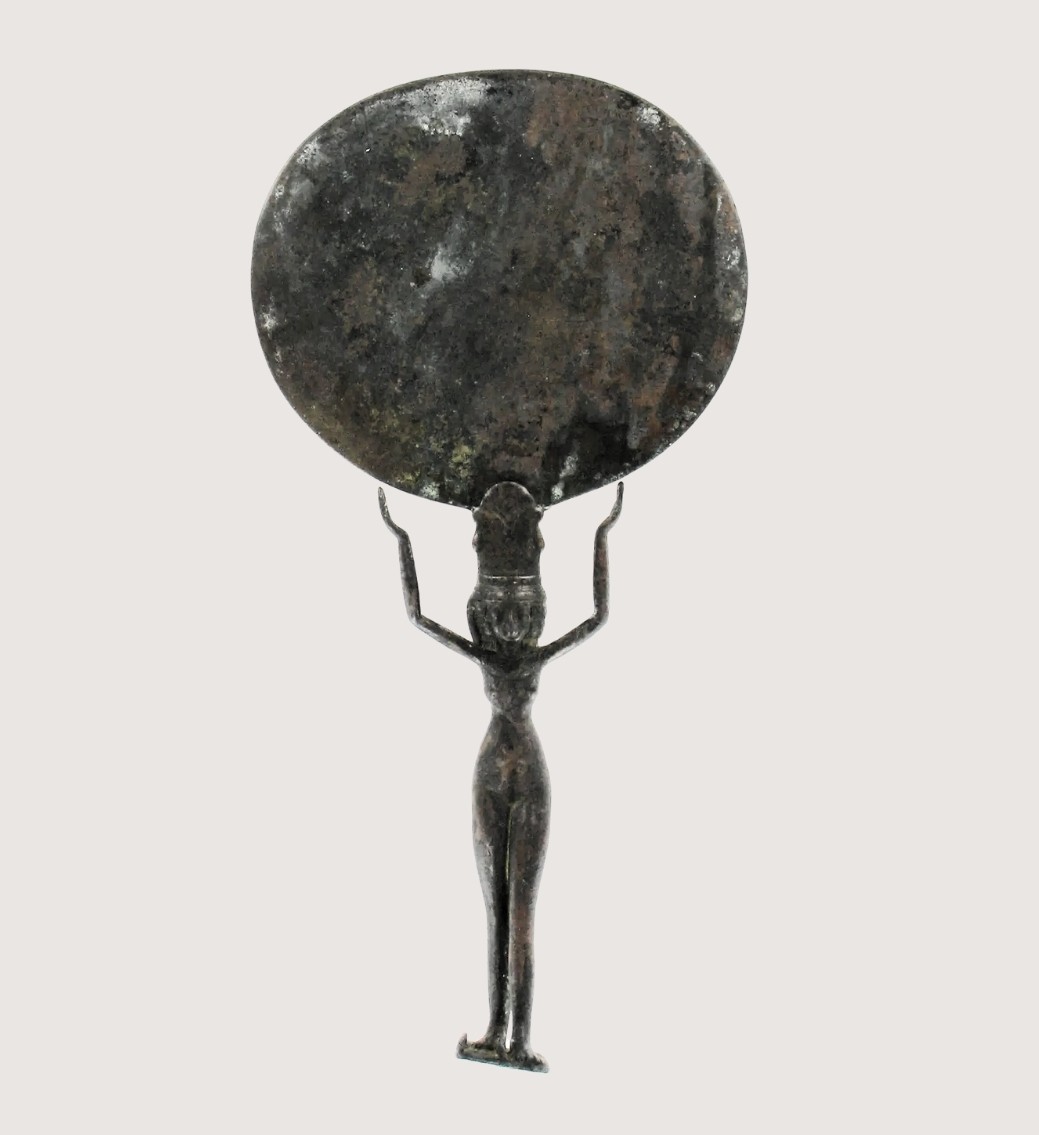
On the subject of thresholds — the ancient Egyptians had a different kind. We've been revisiting our piece in the Journal on the Egyptian caryatid mirror: a bronze object from the New Kingdom, dating to around 950 BC, whose reflective disk was a portal. Much more than just a surface, it was a threshold between the mortal and the divine, between the living and the eternal. Long before mirrors became objects of vanity, they held the promise of renewal.
What strikes us, returning to it on the original Roman new year, is how insistently the ancient world came back to this idea — that transformation requires a crossing point. The Romans had their boundary stones. The Egyptians had their mirrors. We have Silk Veil, whose box bears this exact mirror, because when you're building a luxury bathing brand rooted in antiquity, you don't reach for generic florals. You reach for a 3,000-year-old symbol of divine renewal and put it on the packaging.
On our Cultural Radar
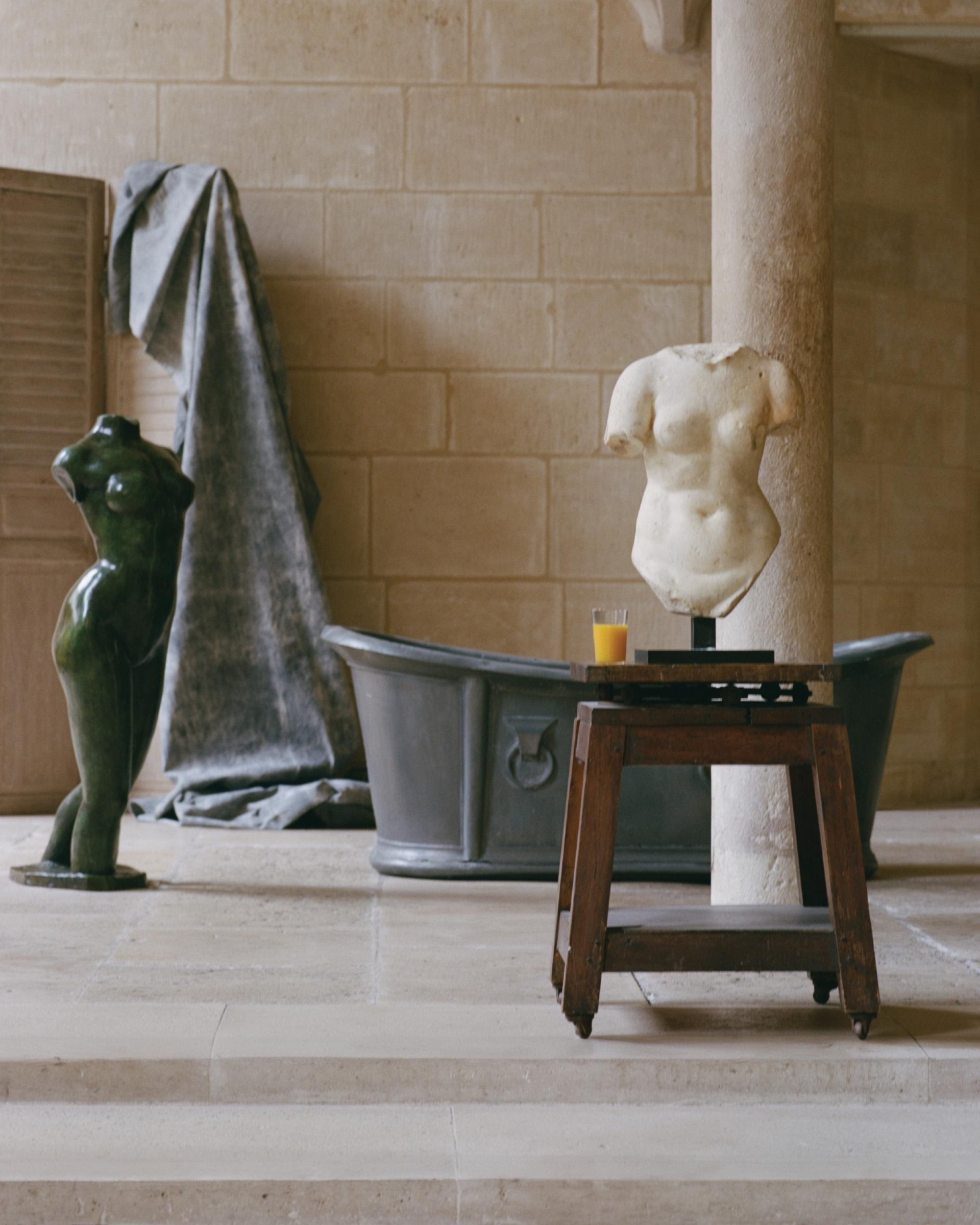
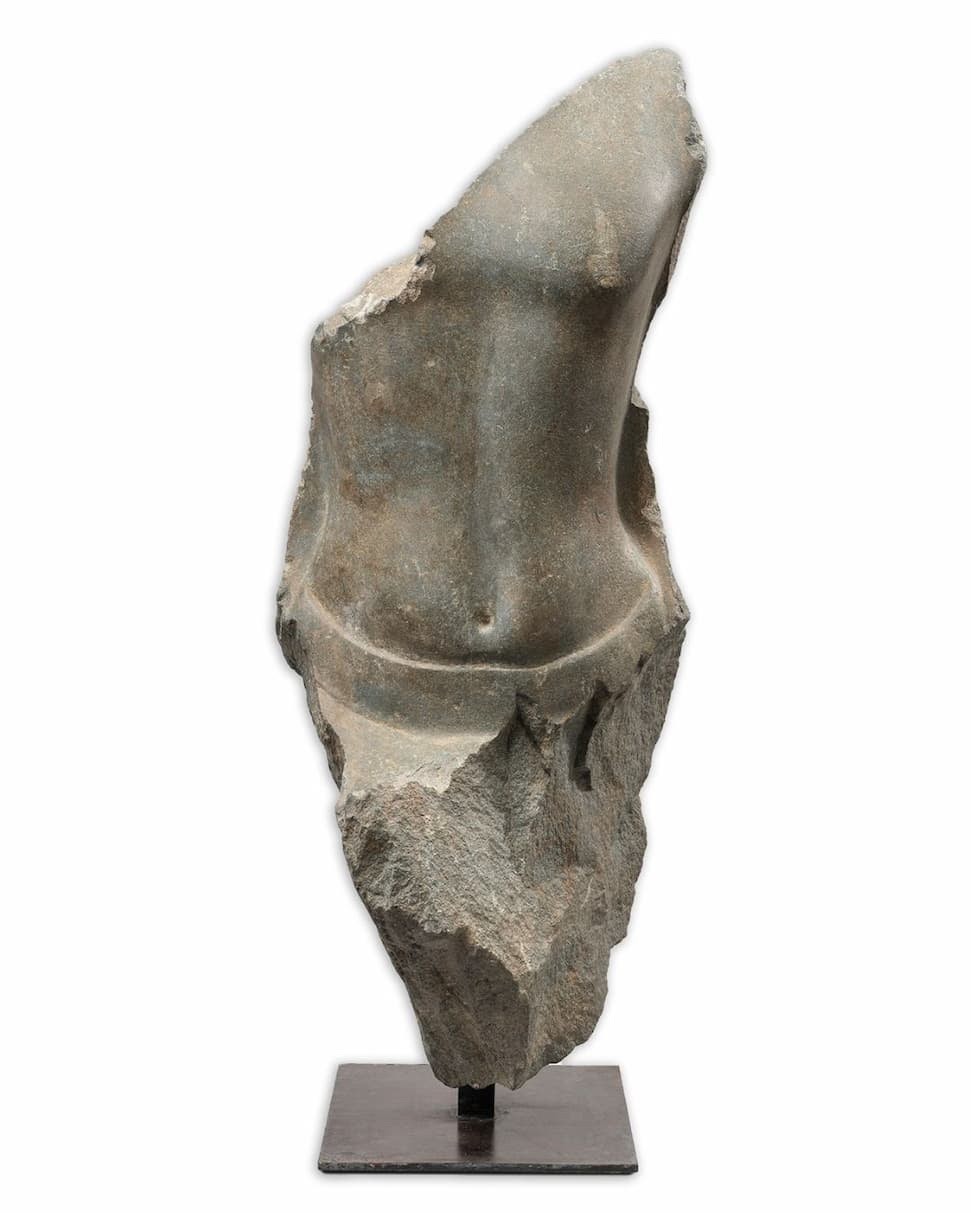
If you’re in New York, move quickly. Rodin’s Egypt at NYU’s Institute for the Study of the Ancient World closes March 15. It’s the first U.S. exhibition dedicated to his private Egyptian collection — more than sixty objects that quietly, radically reshaped how he understood the human form: As devotion, as vessel, as threshold. Ancient Egypt taught Rodin that the body could hold eternity, and that beauty was a technology of transcendence. We quite agree.
And in London, Ramses and the Pharaohs’ Gold has just opened at Battersea Power Station. One hundred and eighty artefacts, many never before leaving Egypt, including the original wooden coffin of Ramses II. Bear witness to a civilisation organised around passage — the body prepared with precision, the soul imagined in motion, ritual as architecture for crossing between worlds. It opened on February 28. The original Roman New Year is today. We love the alignment of it all.

A Book we Love
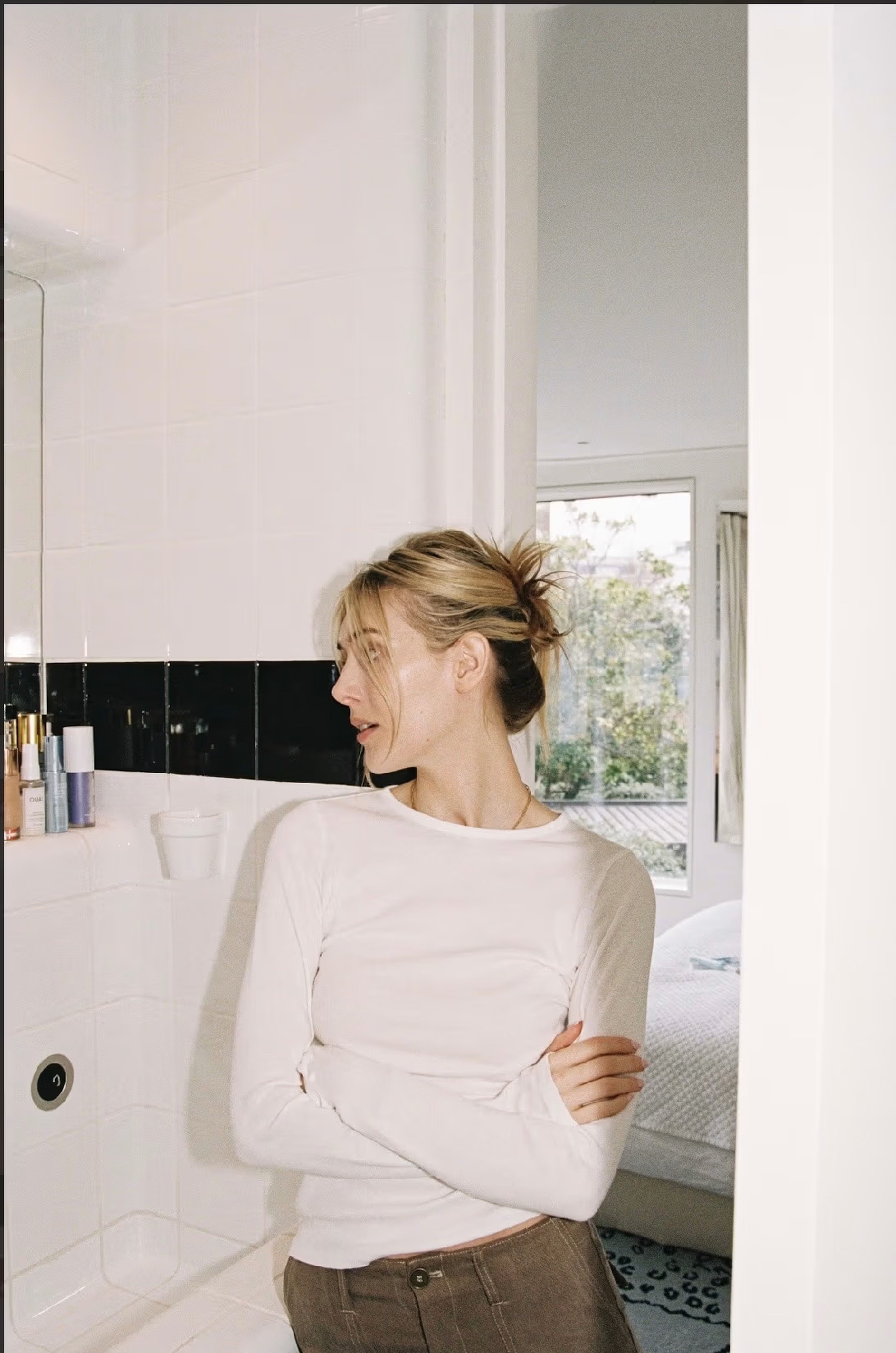
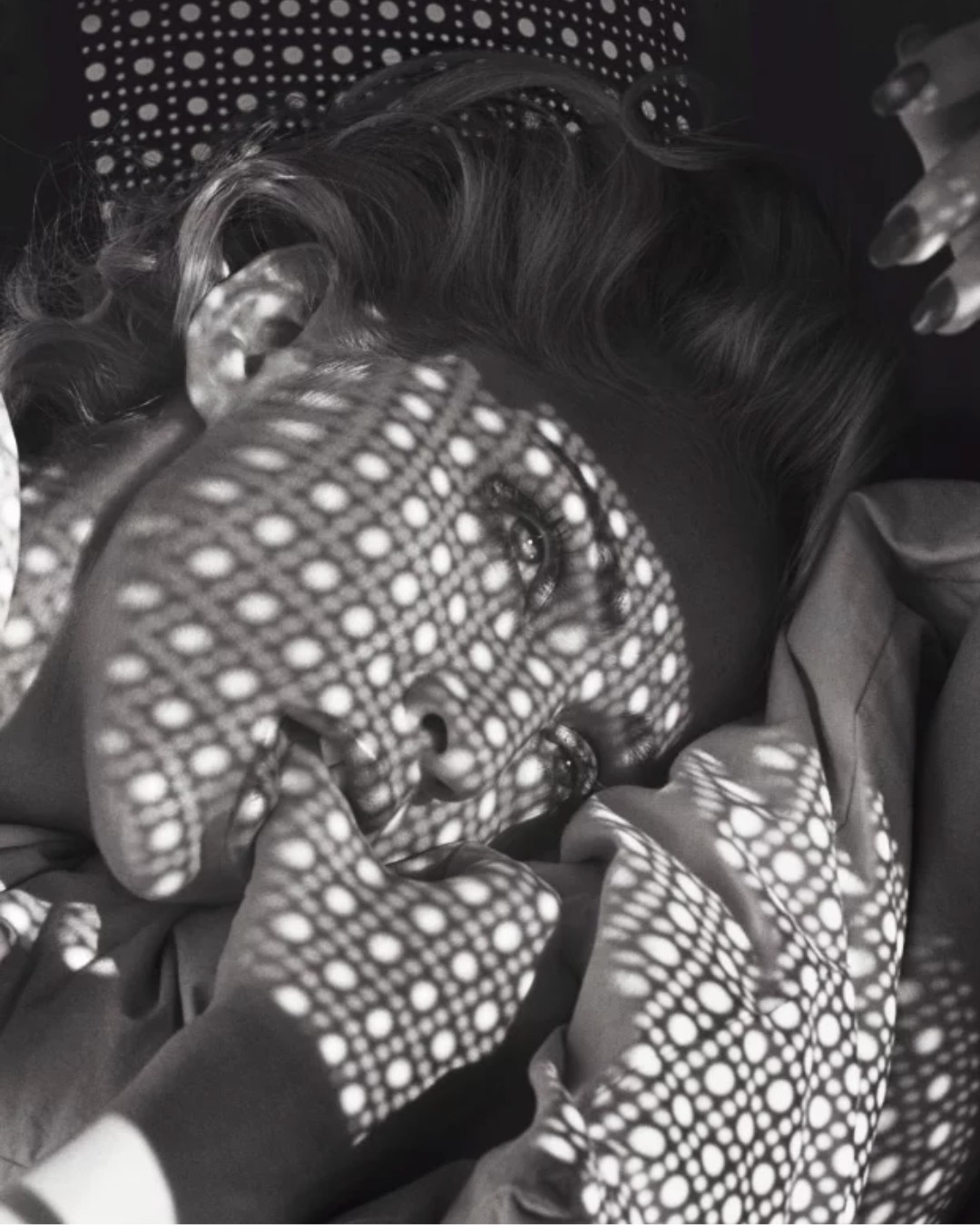
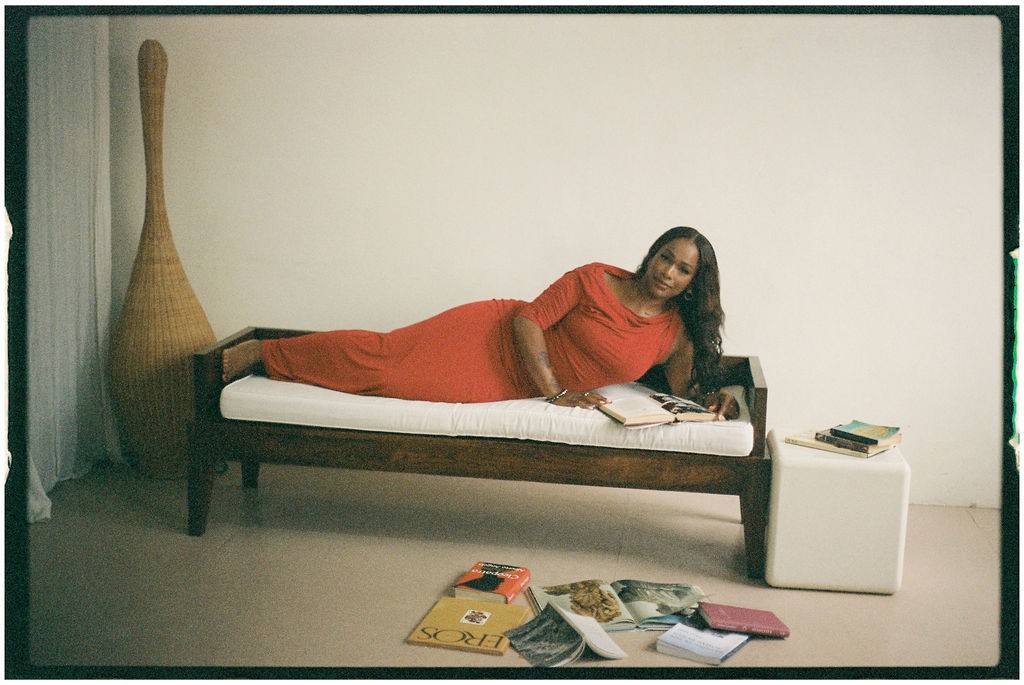
Véronique Vial's Women Before 10am has been on our minds this week. The French photographer spent years getting herself invited into the bedrooms and bathrooms of some of the most watched women in the world — Angelica Jolie, Julianne Moore, Salma Hayek, — and photographing them before the armour went on. No makeup, no performance, hair undone. The threshold between private and public self, caught on film before the crossing begins. We love it because it insists that this is the interesting hour. Not the red carpet. Not the interview. The moment before, in the bathroom, when nobody is quite anybody yet. We wrote about it in the journal.

A Note from Shar
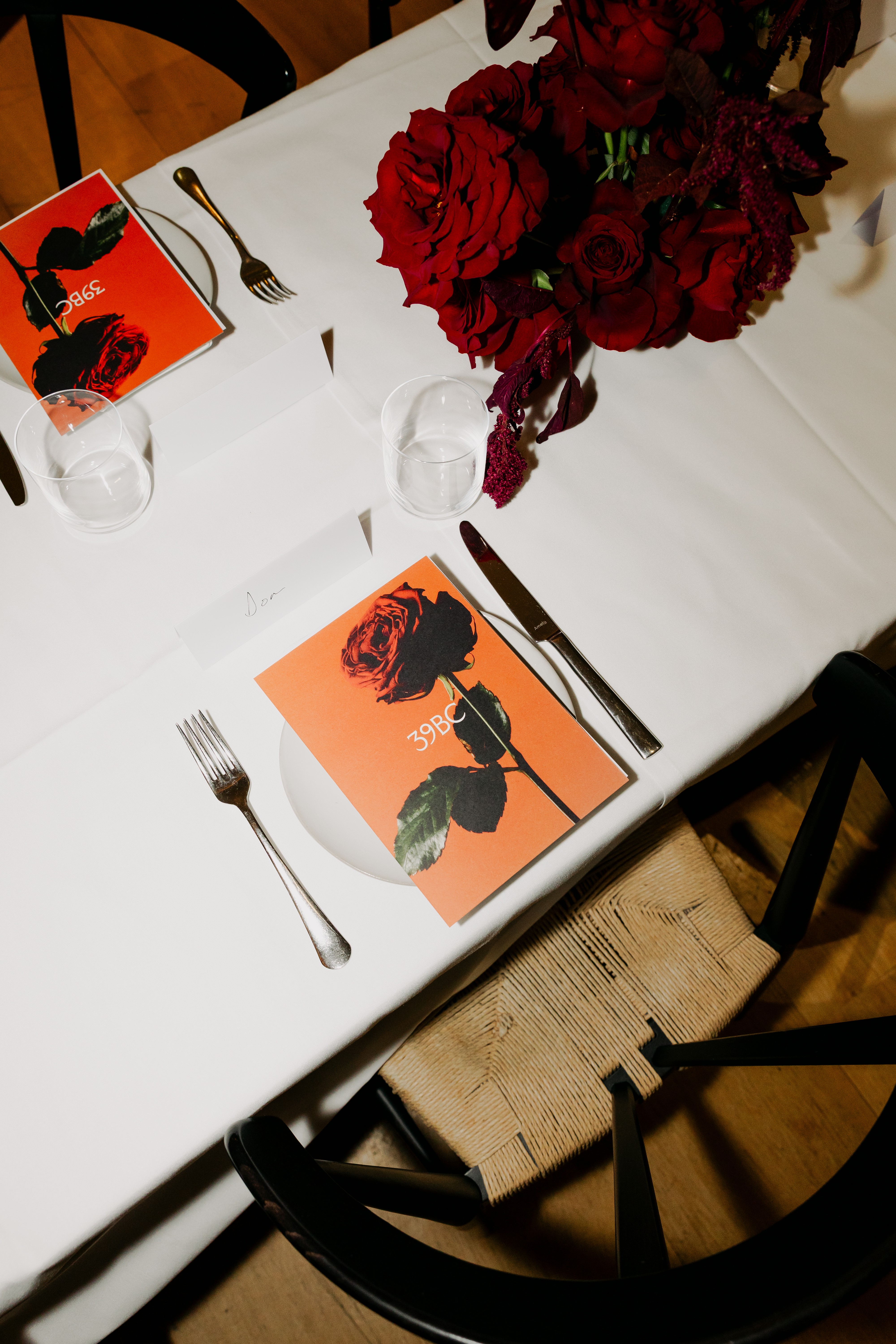
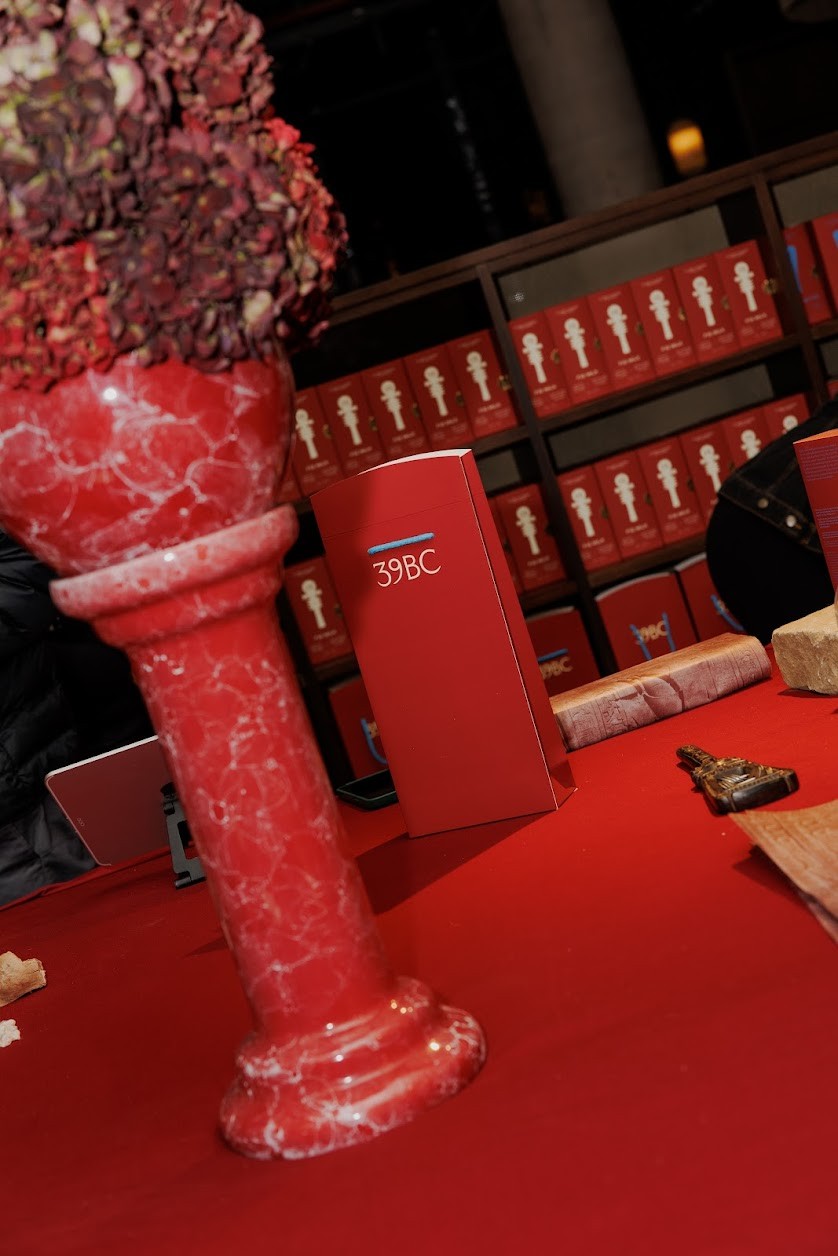
After weeks of non-stop travel — including the Japan research trip I told you about last week, which I am still honestly processing — I am so glad to be home in Wolverhampton. Long walks. Longer baths. And a lot of work on 39BC, including the launch of our new Bathing Club: our membership service that gets you 10% off every recurring order and a stream of forthcoming surprises we're very excited about. Select your favourite 39BC product to subscribe now and make sure you're never without.
My head is still full of Japan — the onsens, the rituals, the particular quality of attention the Japanese bring to water — and I came home looking at everything differently. Which is perhaps why what happened last Sunday felt like the universe making a point. I was in the bath watching a documentary about Japanese gardens and found myself wondering if there were any in England. One Google later, I discovered there's one in Wolverhampton… In the cemetery where my beloved late grandparents are buried. I actually had to put my phone down. I was dressed and in the car within minutes.
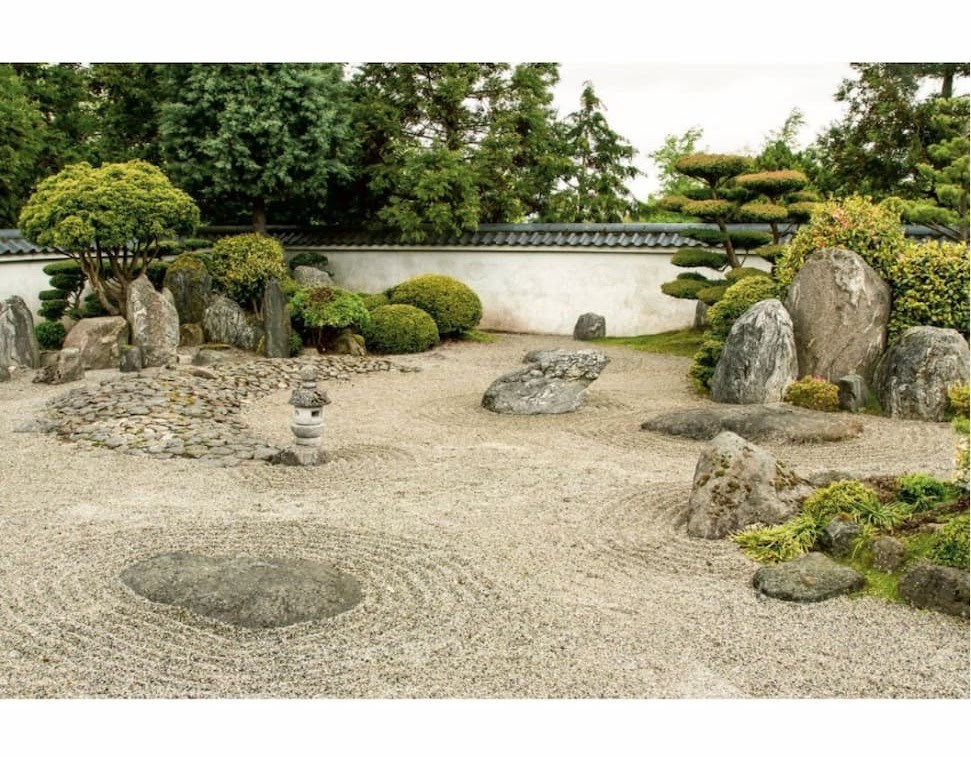
After paying respects to my grandparents, as I've done for twenty years, I turned around and there it was — the Danescourt Cemetery Japanese Garden, literally a stone's throw from their graves, unmarked on any map. Designed by Peter Bridge, a former Birmingham nightclub owner who studied Zen meditation and read every book ever written on Japanese gardens, despite never once visiting Japan. He died last year at 83. The synchronicity of finding it now, after everything I've just seen, in a place I've been visiting my whole life — I still can't quite get over it. It feels like a sign from my ancestors – and from the universe – that I’m truly on the right path.
Shar x