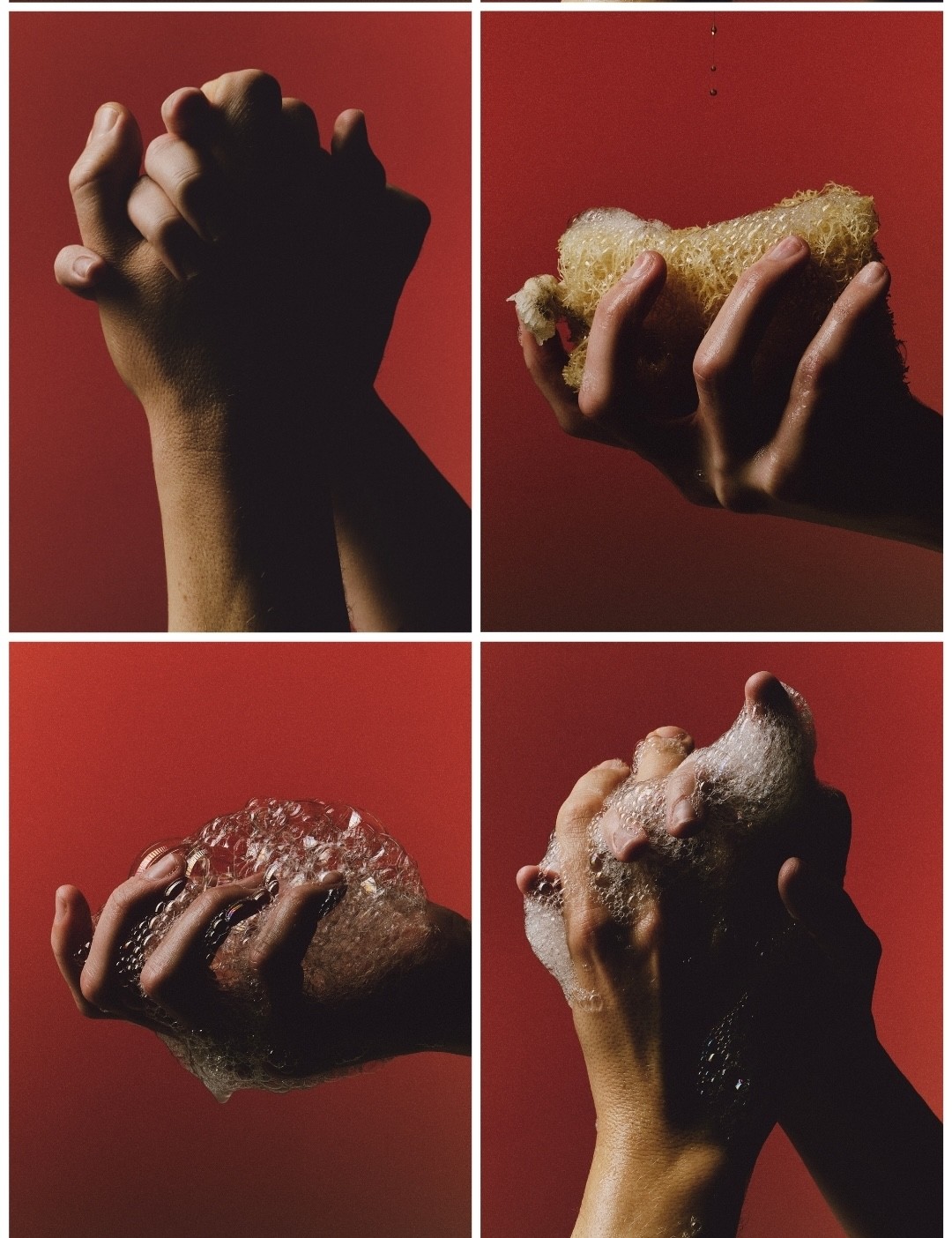
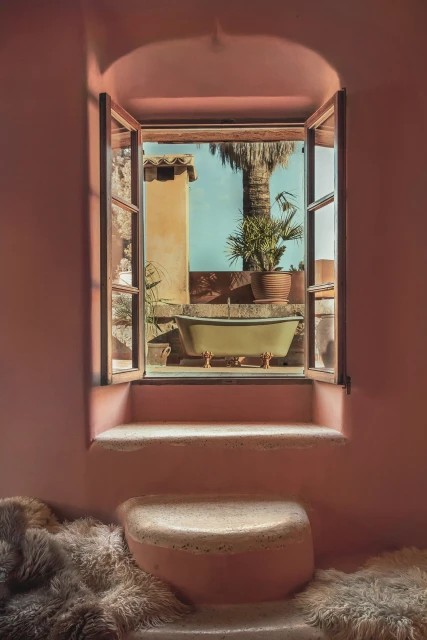
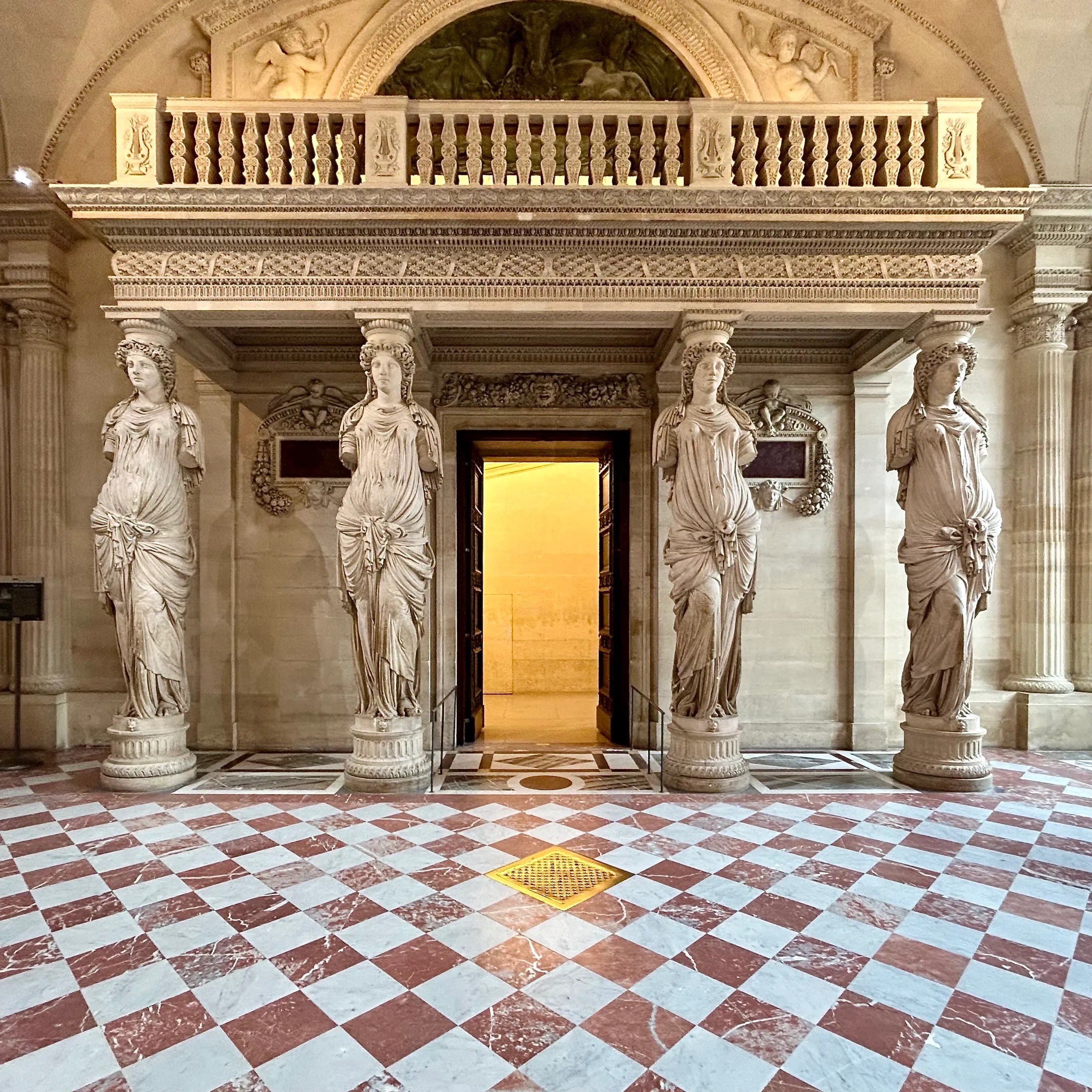
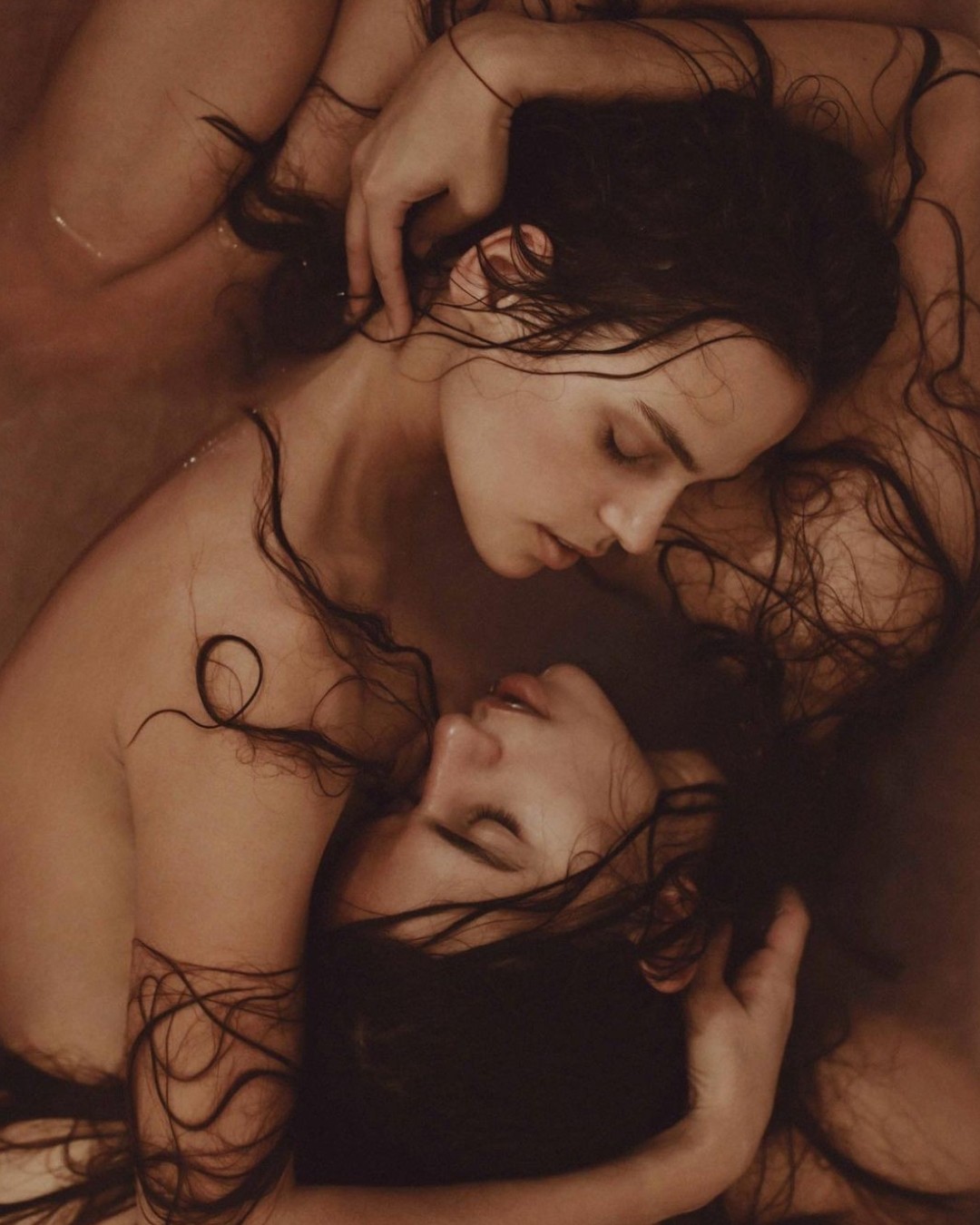
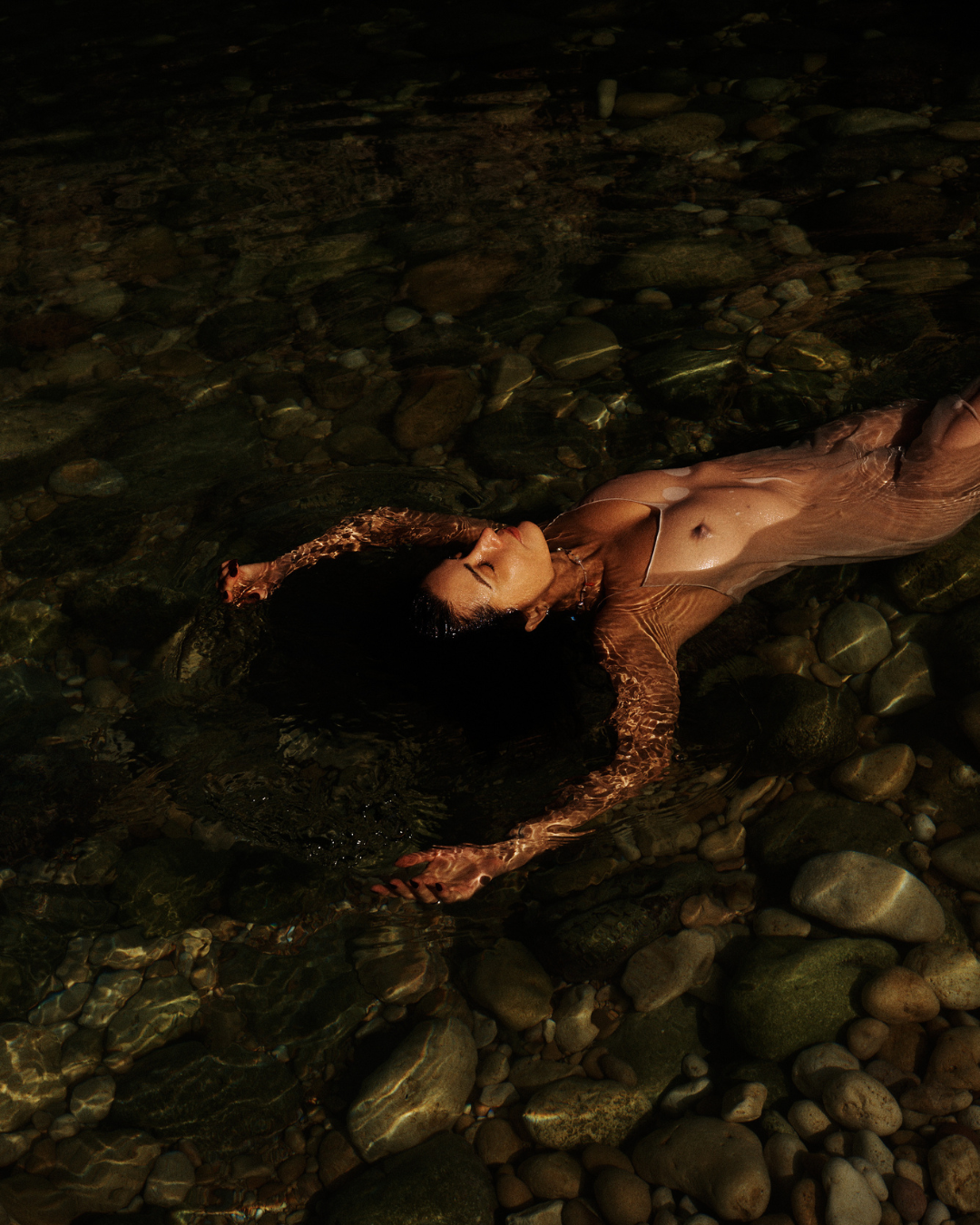
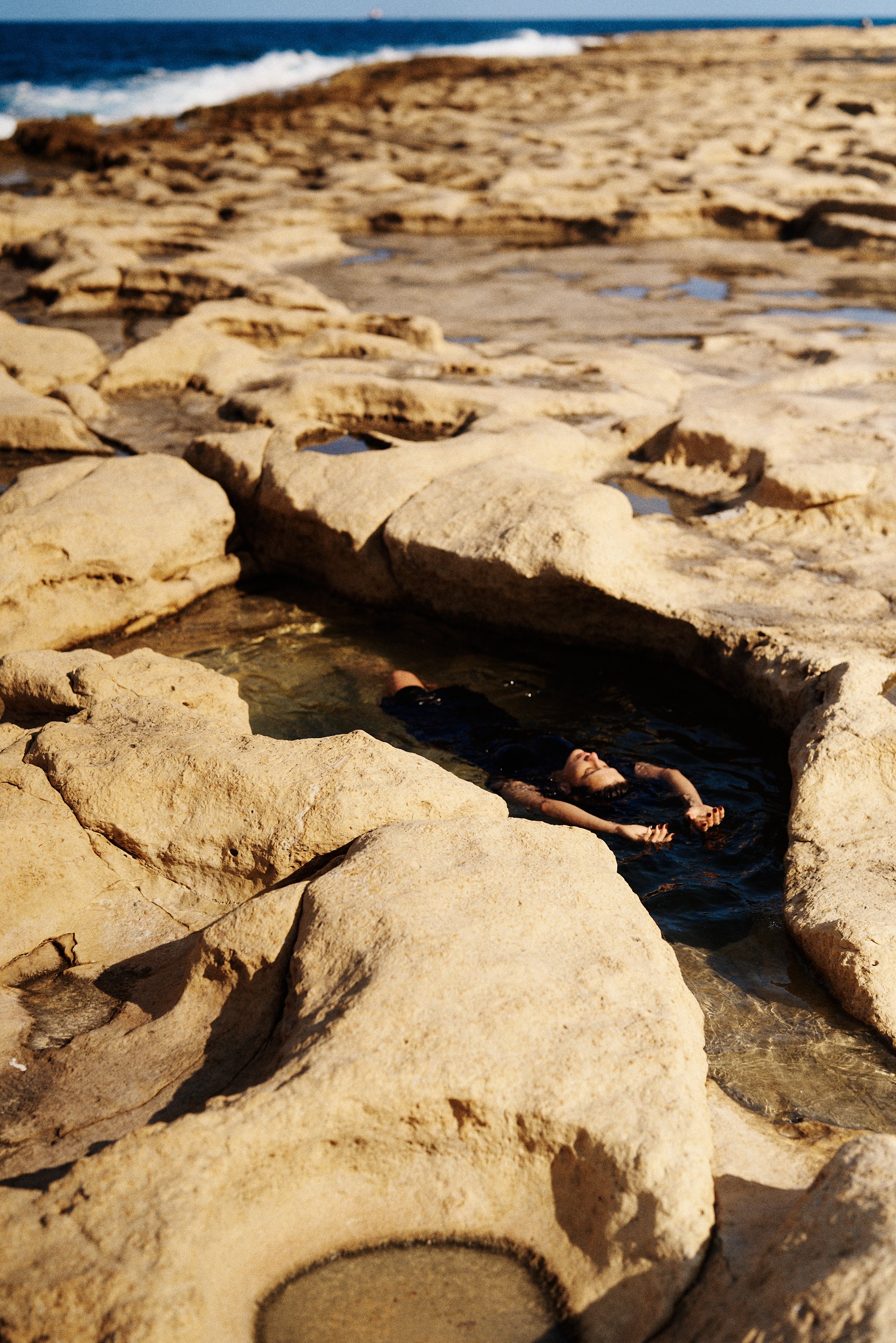
Bathing is one of the oldest human instincts. Across cultures and centuries, people have always sought ways to honour their bodies with the simple, restorative act of water.
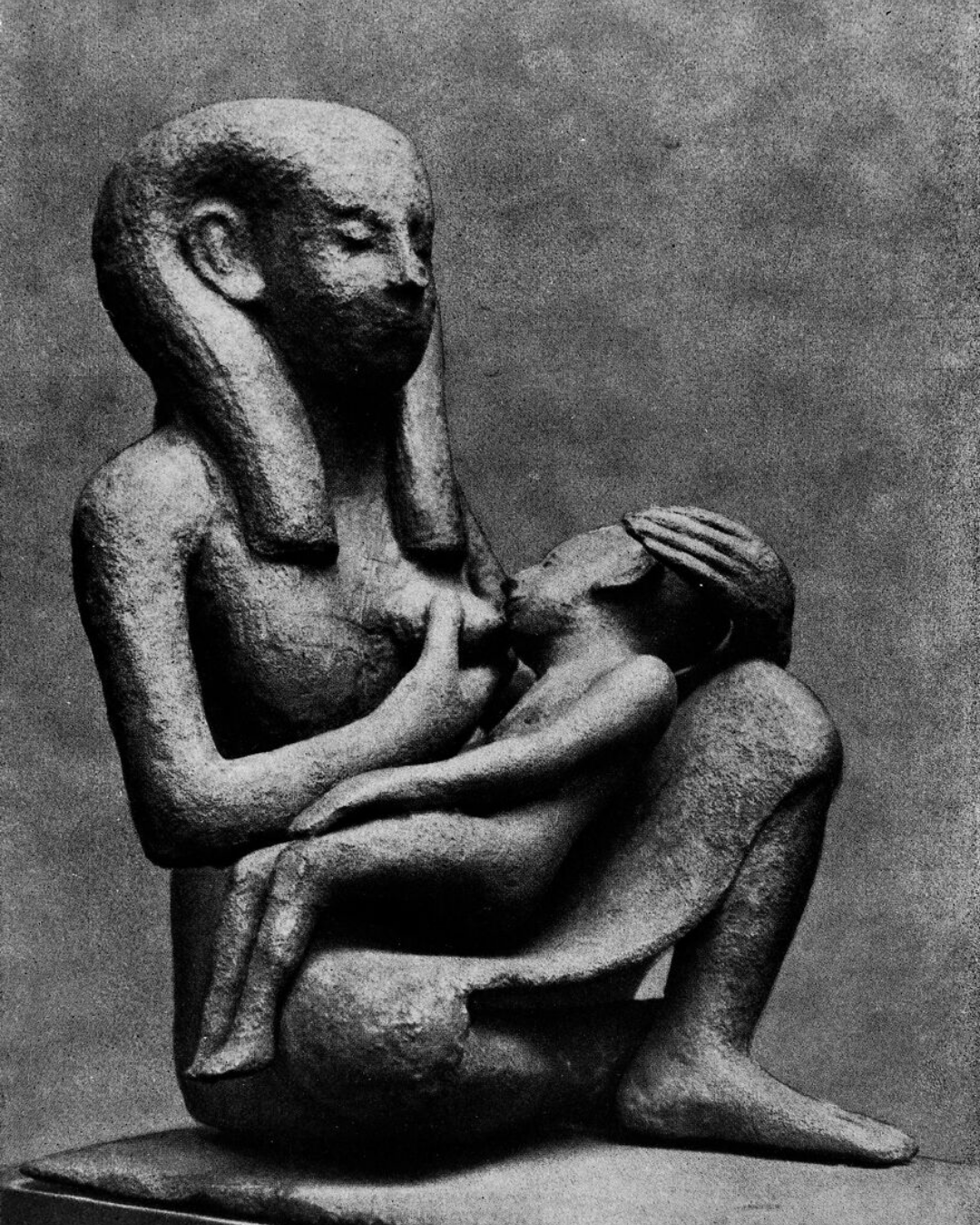
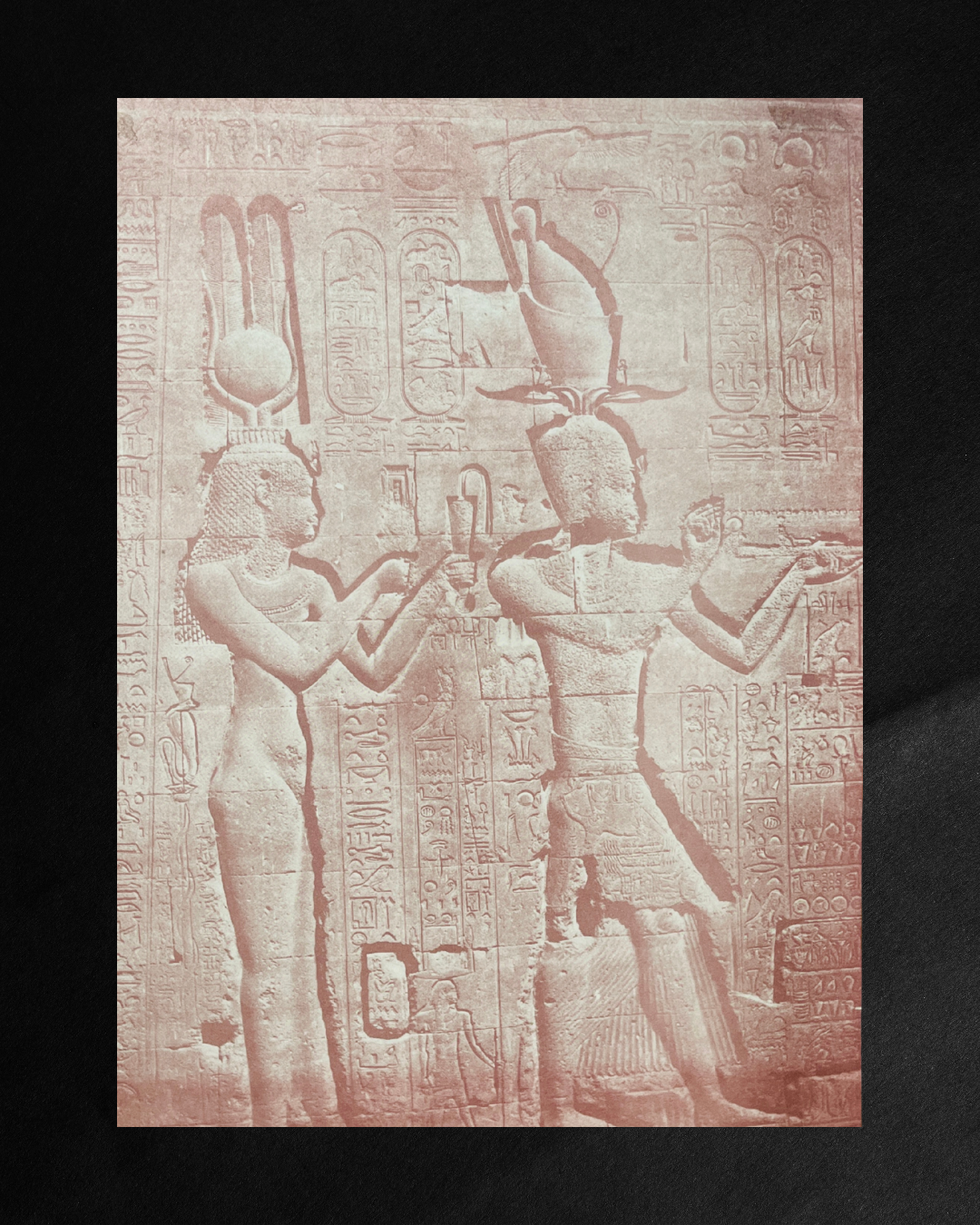
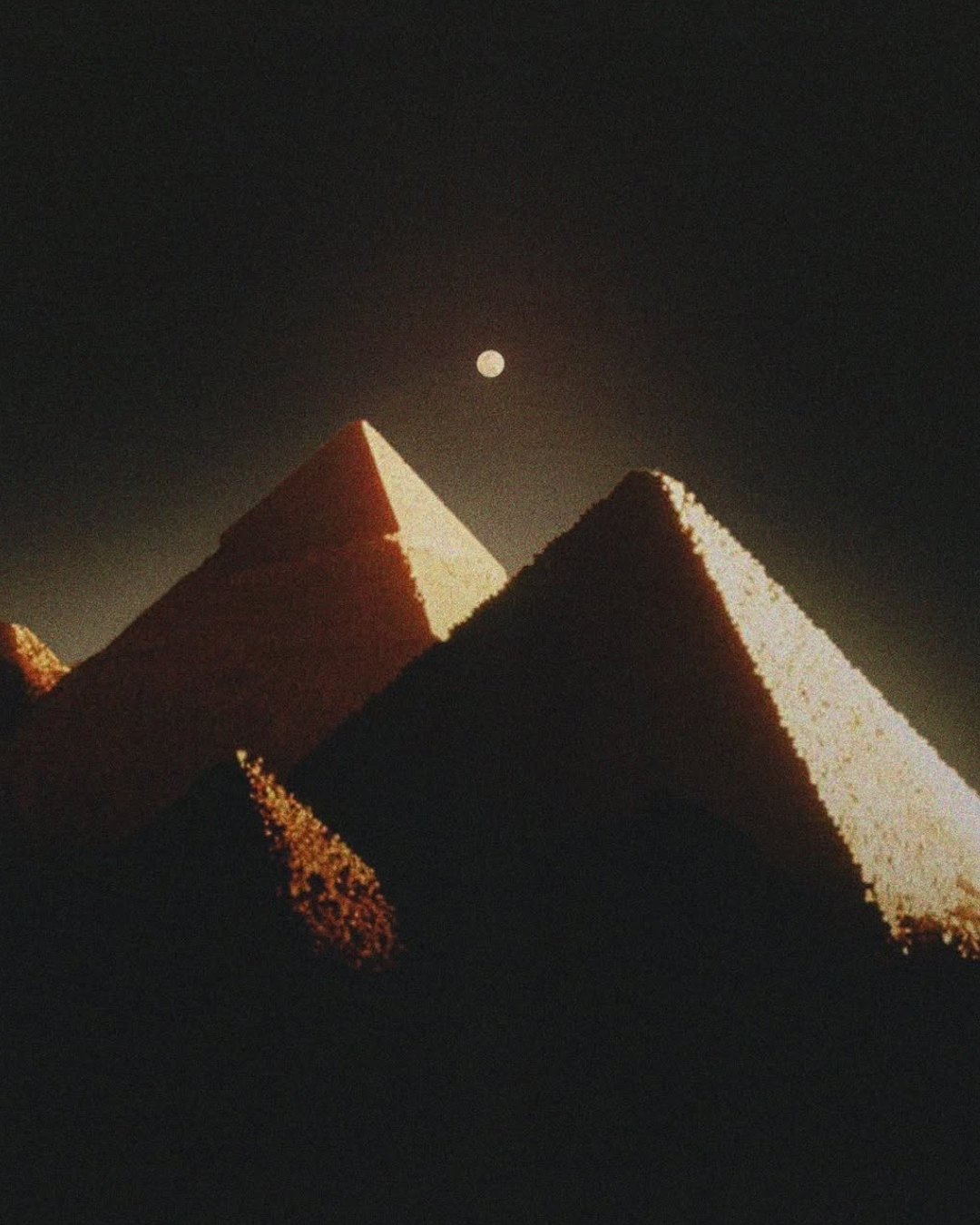
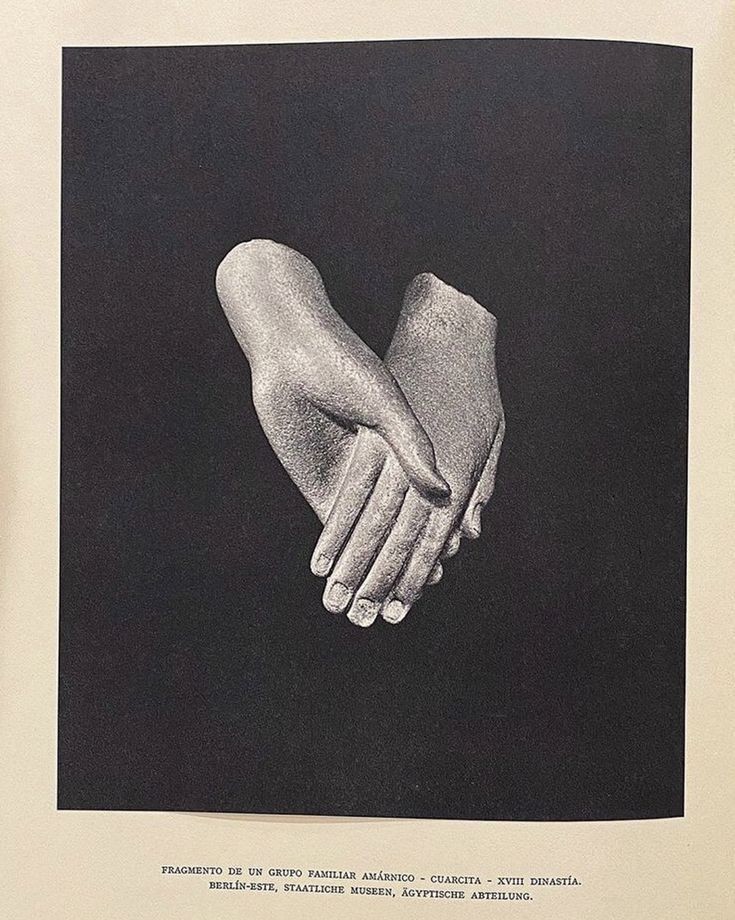
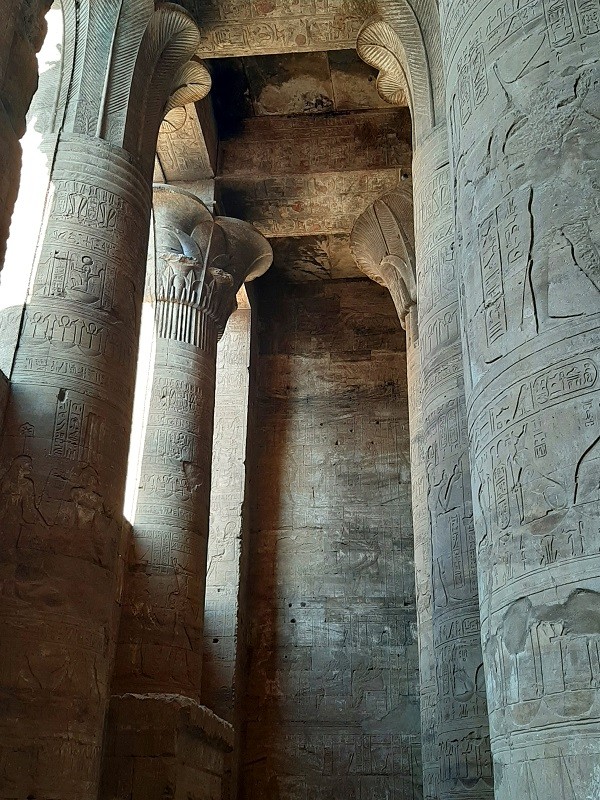
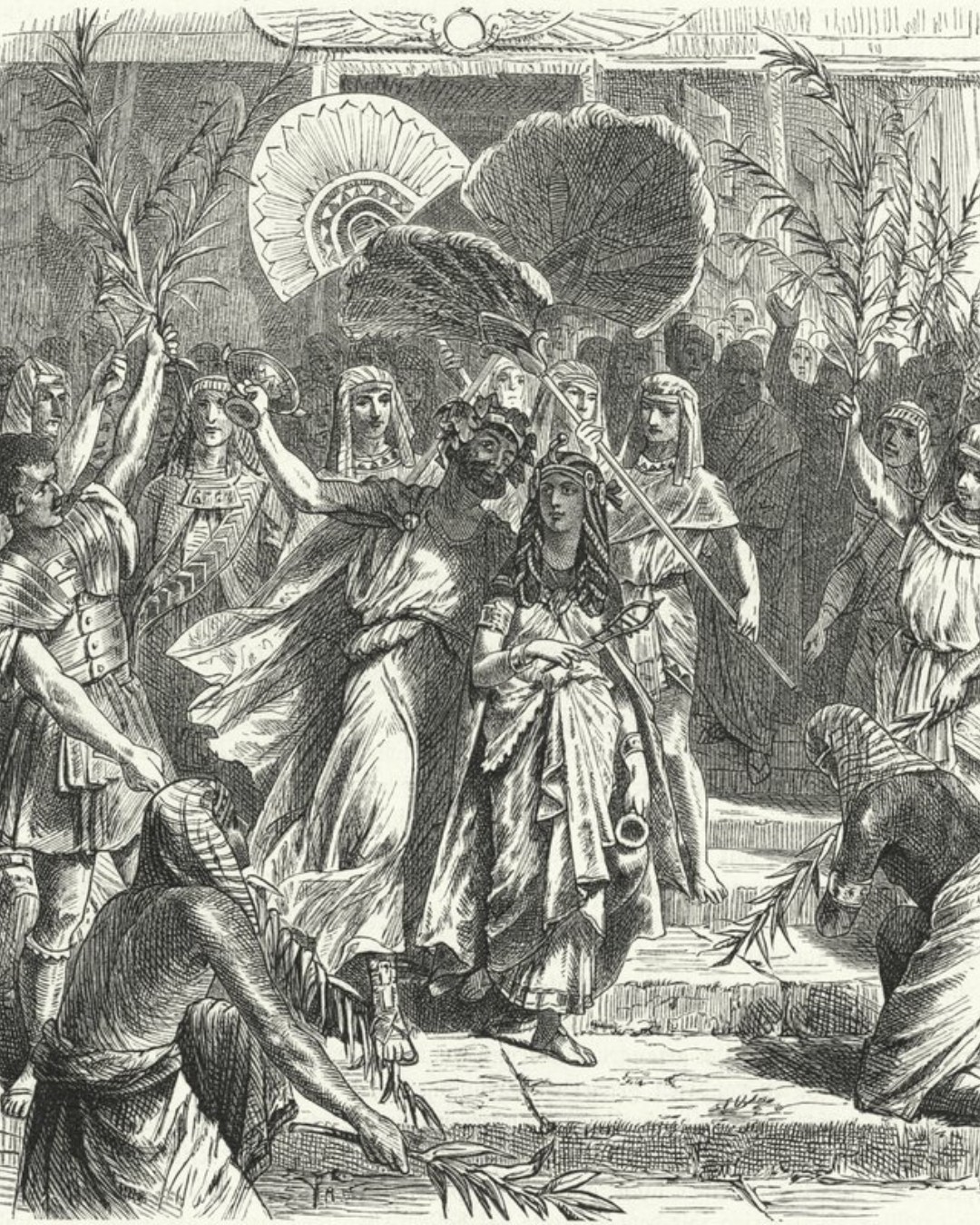
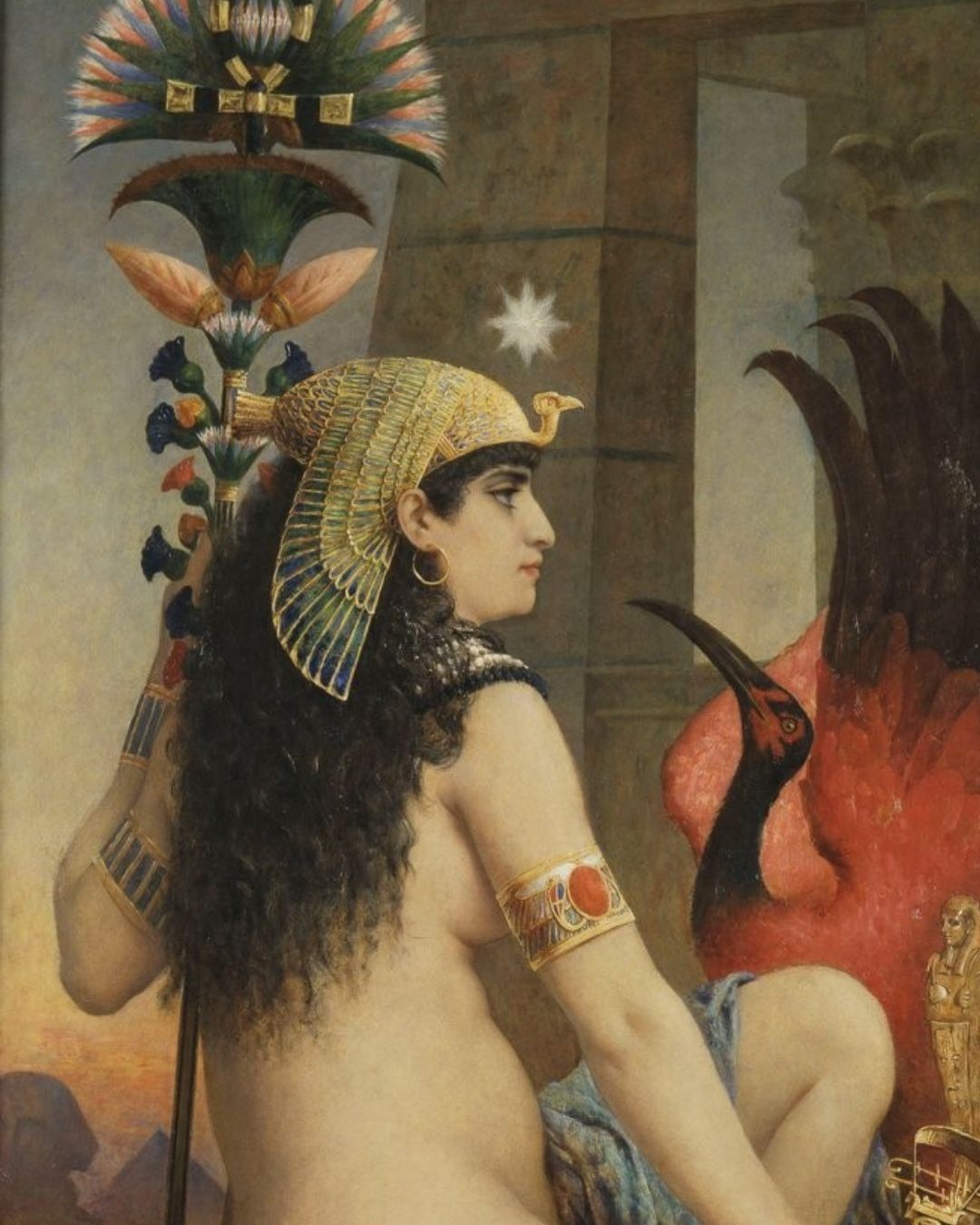
Egypt didn’t do spectacle the way Rome did. No soaring vaults, no marble cathedrals of steam. Bathing here was private, pared back, and serious. An act of devotion rather than showmanship.
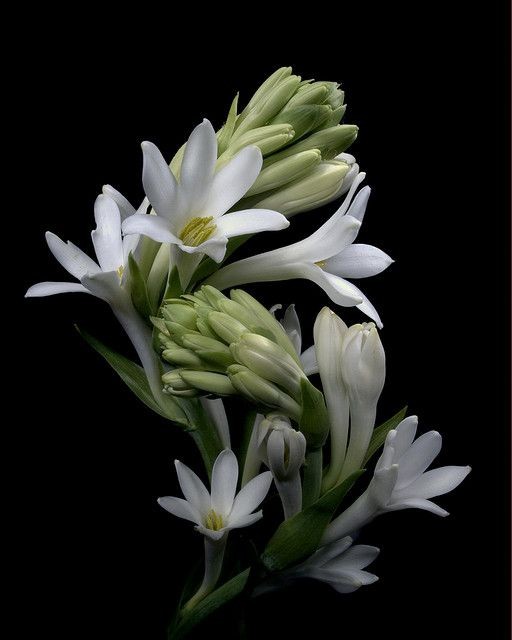
Priests had their sacred lakes — stone-lined basins inside temple complexes, where dawn and dusk meant ritual ablutions. At Karnak, you can still see the water’s edge, where men of rank once lowered themselves into Nile water perfumed with lotus and herbs, preparing not for Roman gossip but for Egyptian gods.
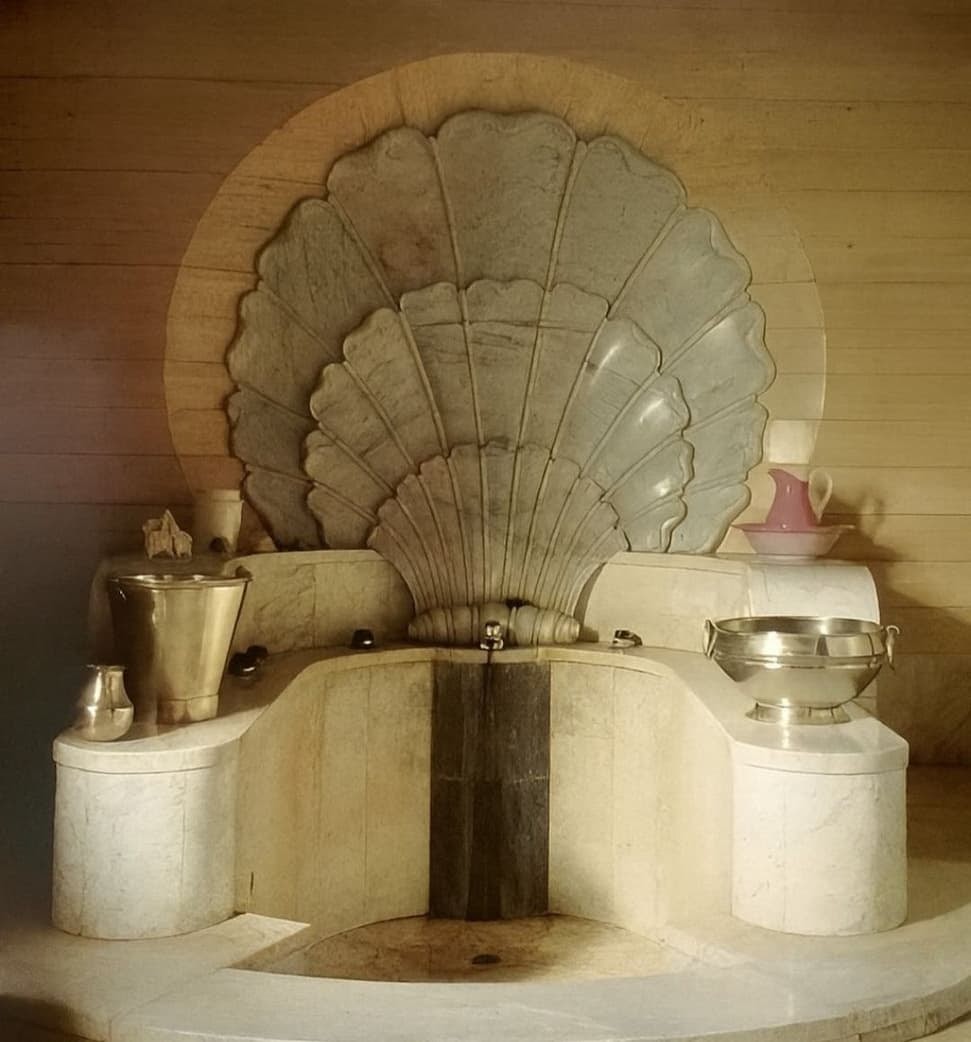
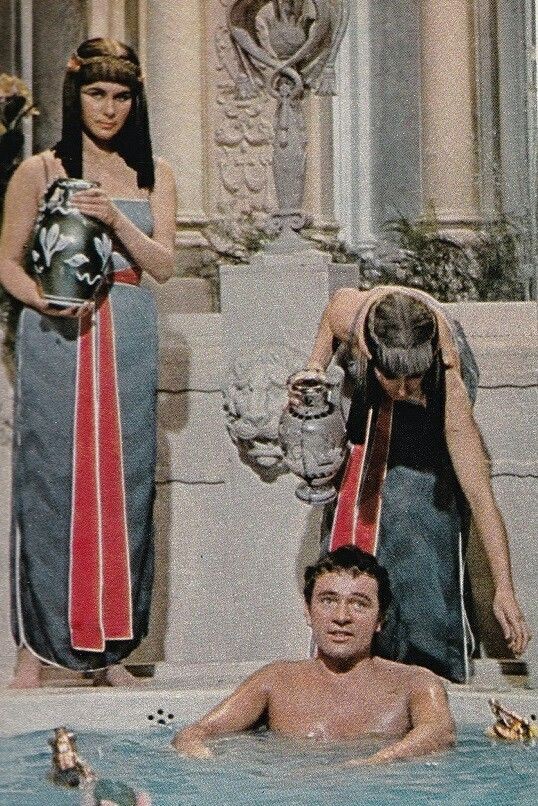
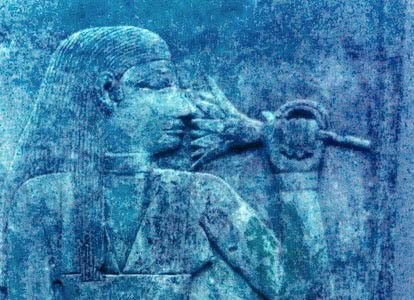
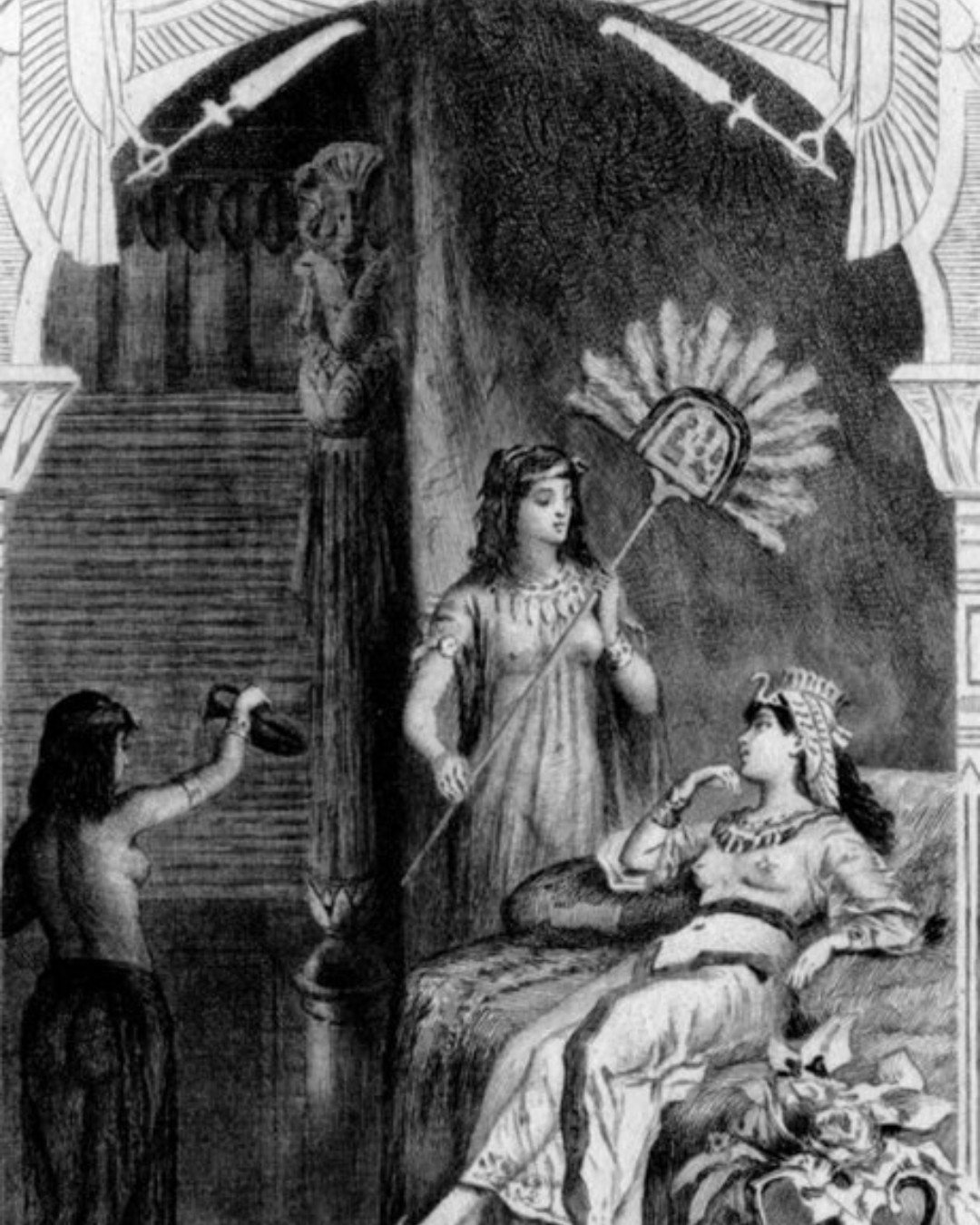
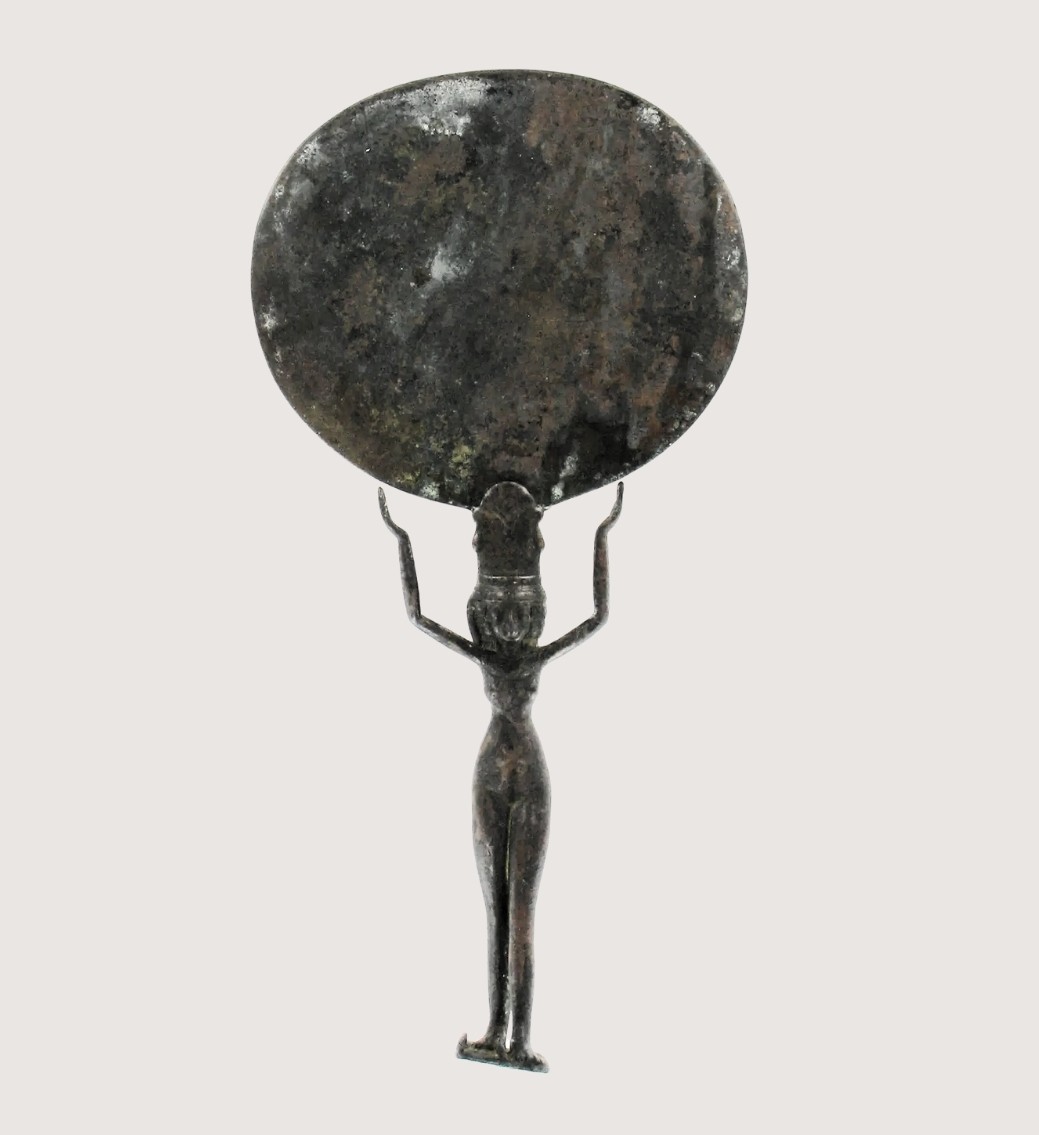
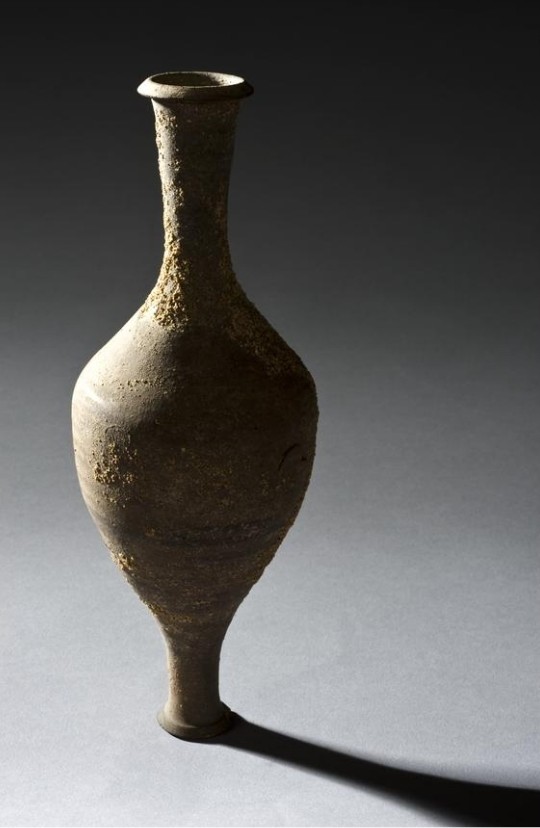
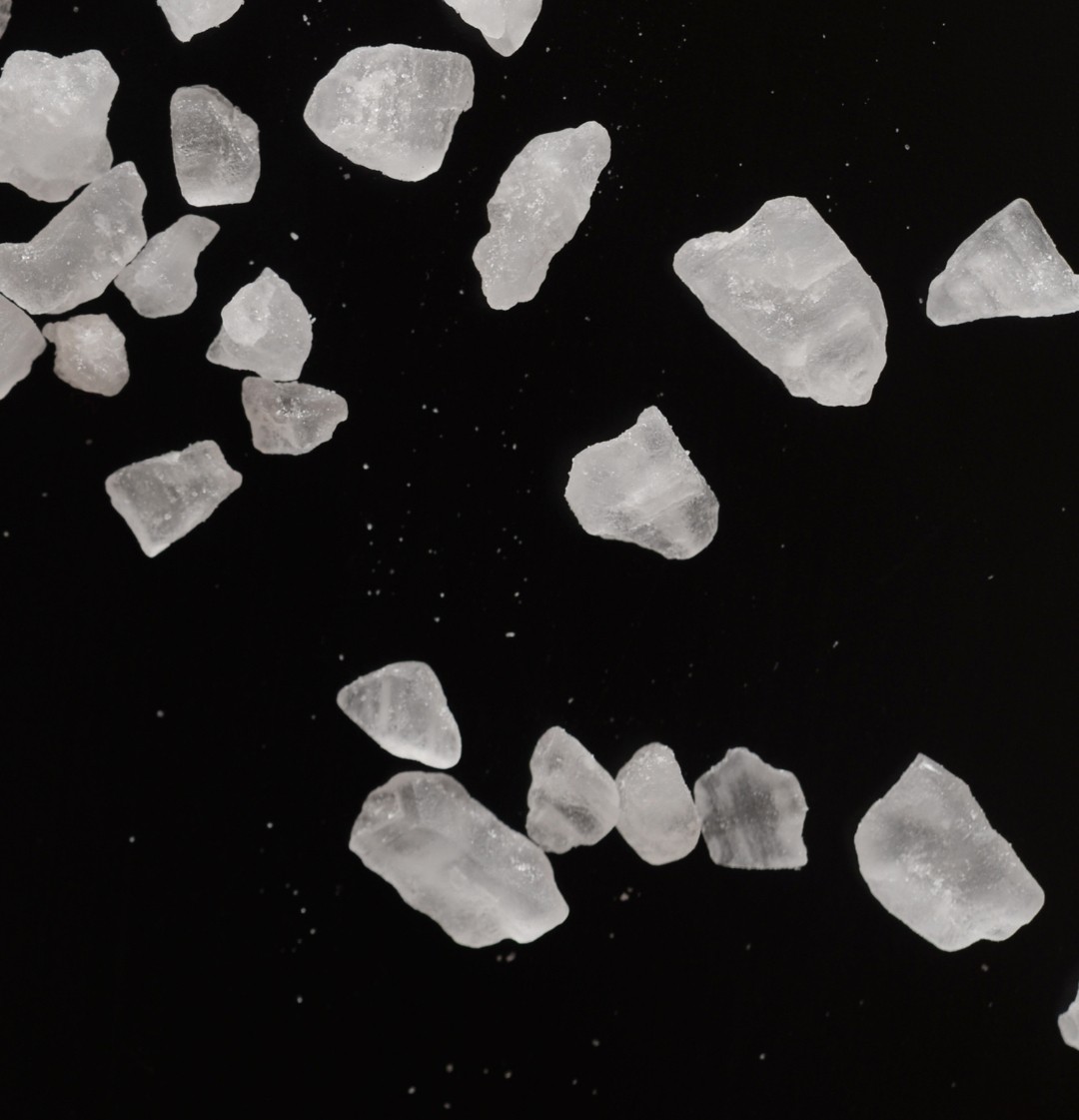
In palaces and wealthy homes, bathing was quieter still. No immersion pools, no communal chatter. Just a stone basin, a sloped floor, and servants pouring water from jars across skin — a detail captured in tomb paintings, the bather seated, attendants working in rhythm. Soap, as Rome would later sell it, was nowhere. Egypt had its own arsenal: natron salt, sharp and cleansing, followed by oils of moringa, balanos, castor. Massage it in, scrape it off, perfume the skin. Maintenance, yes. But self-worship, too.
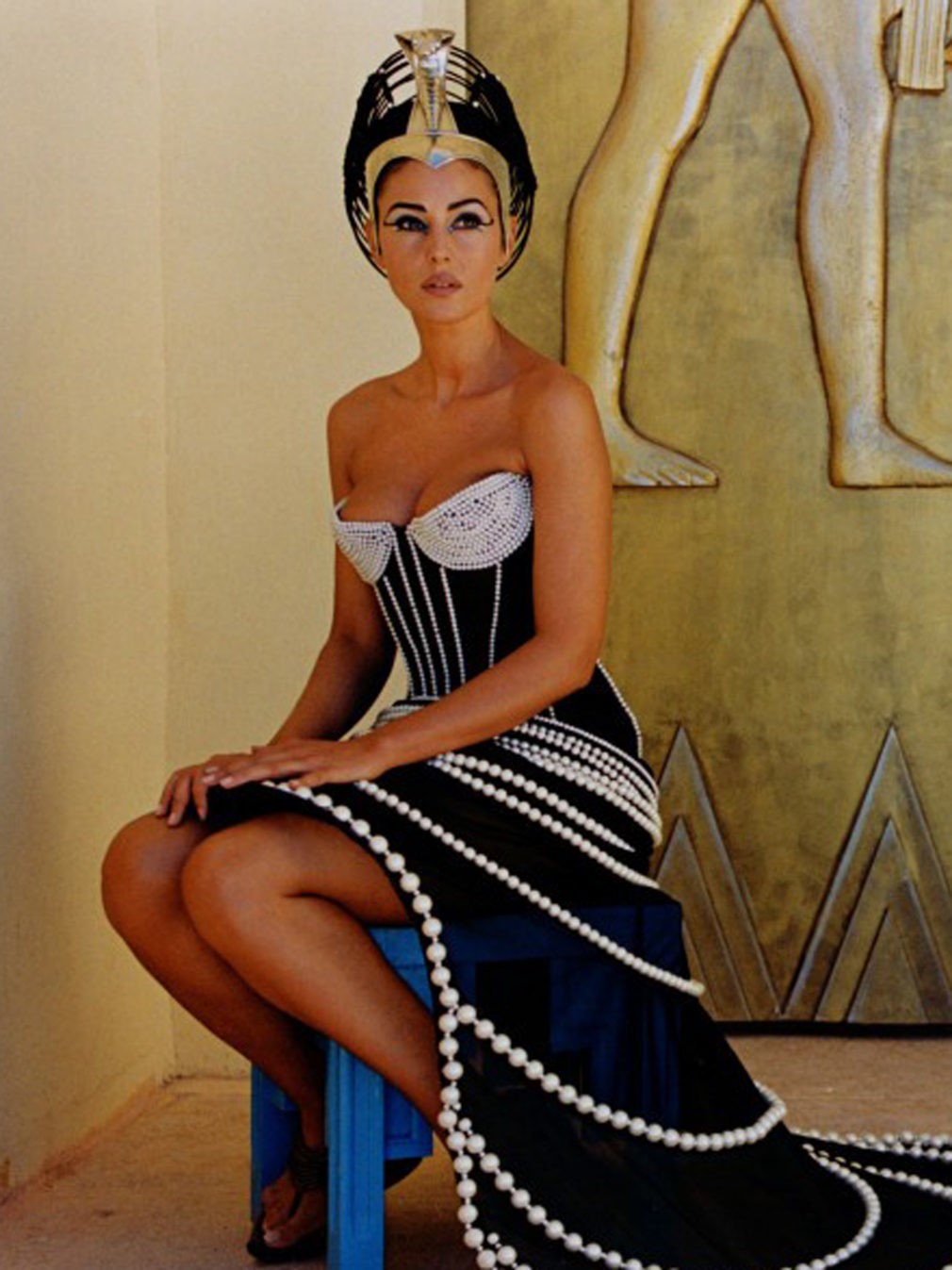
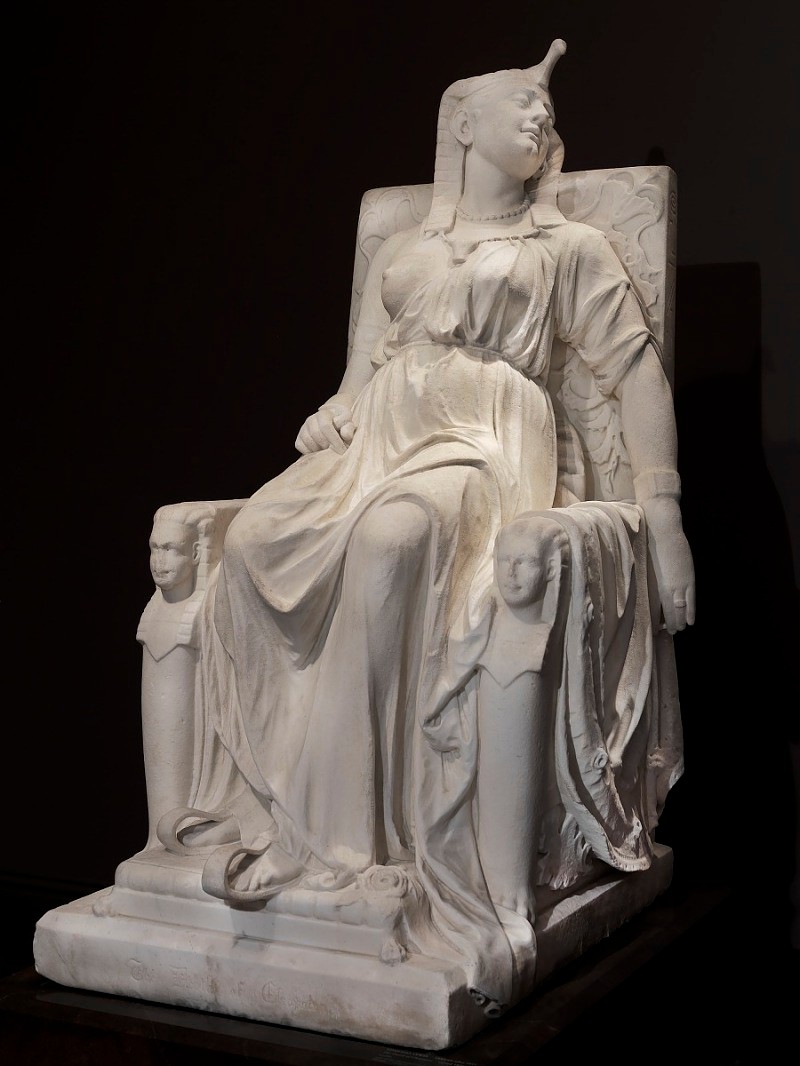
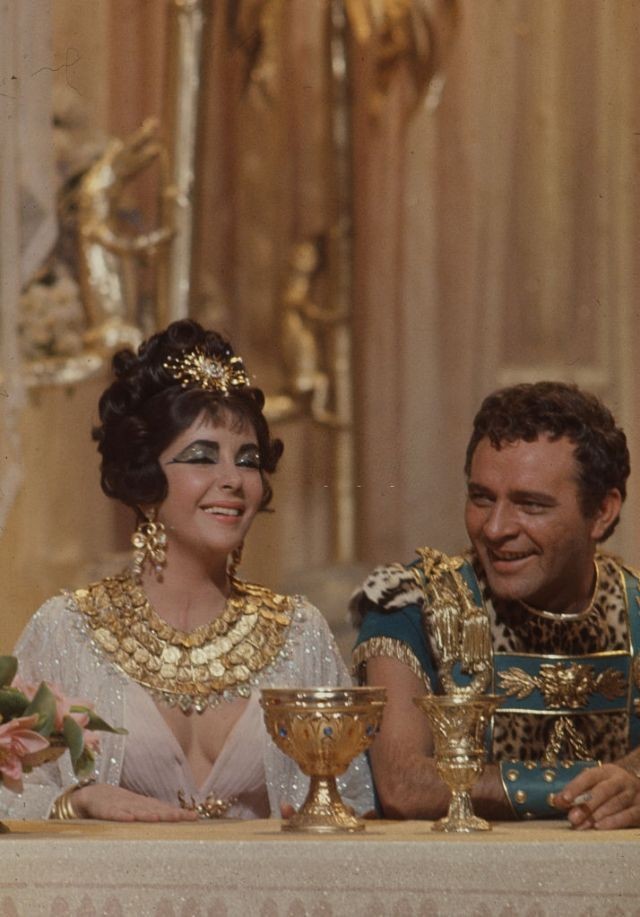
It wasn’t architecture for the crowd. It was architecture for the body: thresholds of stone and water designed to carry someone from the dust of life to the scent of ceremony. For priests, that meant purity before the altar. For queens, it meant preparation — the body as offering, the body as power.
Across the world, similar sites mark the places where humans have long stepped into water as an act of self-preservation. The ruins that remain — sacred lakes, basins carved into temples — are not grand, but they are intimate.
10 Ancient Baths You Can Still Step Into
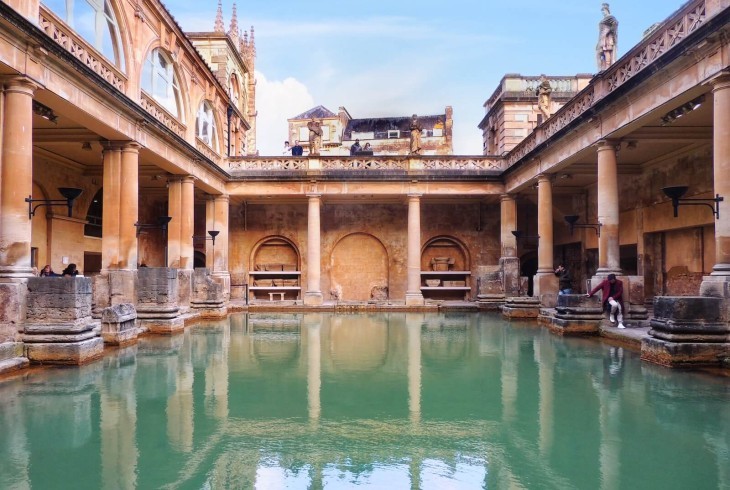
1. The Roman Baths, Bath, UK
Celts worshipped here before Rome claimed it. Sulis became Minerva, Celtic hot springs became Roman theatre. Today, steam still rises under English rain.
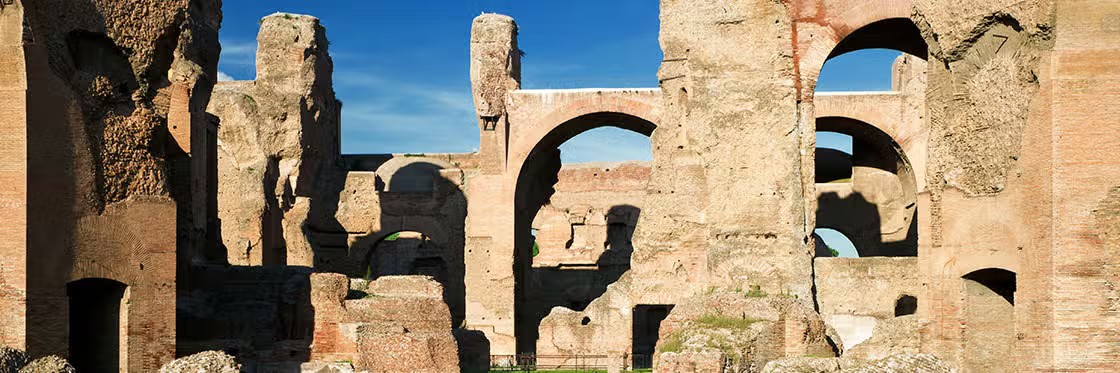
2. Baths of Caracalla, Rome, Italy
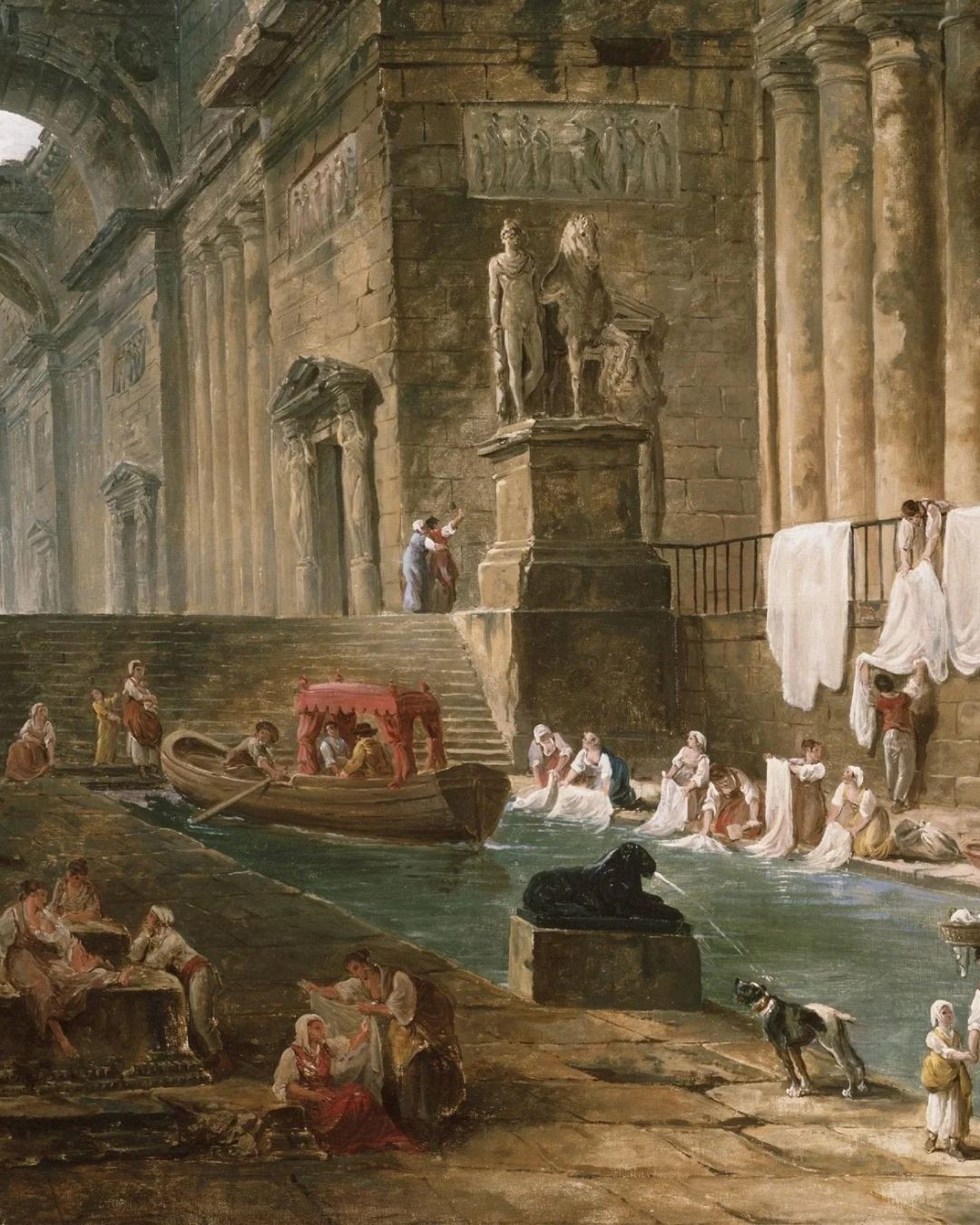
Marble vaults, mosaics, politics sweating in every pore. Caracalla didn’t build a bathhouse. He built a cathedral to Roman excess.
3. El Djem, Tunisia
Better known for its amphitheatre, but the baths tell their own story: soldiers rinsing off dust, merchants slicking themselves in oil before the games began.
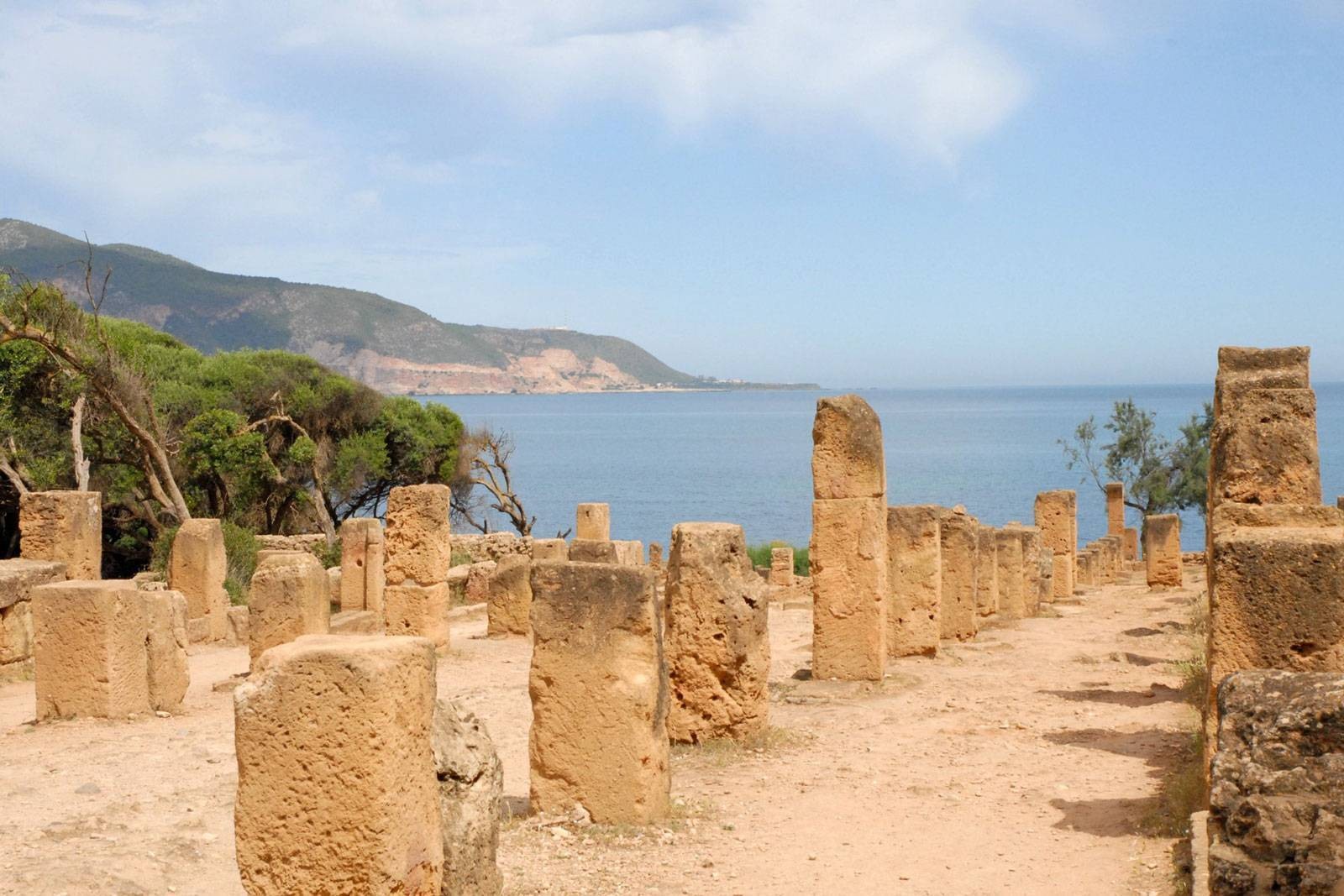
4. Tipasa, Algeria
Half-ruined, sea-kissed. Imagine senators drying themselves in the wind off the Mediterranean, their gossip louder than the surf.
5. Sbeitla, Tunisia
A smaller complex, but no less serious. Golden ruins and olive groves framing pools where Rome’s rituals still echo.
6. Timgad, Algeria
The “Pompeii of North Africa.” A whole Roman city, perfectly gridded, with bath complexes aligned to the sun. Imagine the whispers in that steam.
7. Ephesus, Turkey
Where knowledge and cleansing met. Merchants scrubbed off the road before stepping into the Library of Celsus. Books, marble, baths — all status.

8. Volubilis, Morocco
A hilltop city of olive oil and empire. Its baths overlooked plains that seemed endless, like Rome’s ambition. Skin glistened here before deals were struck.
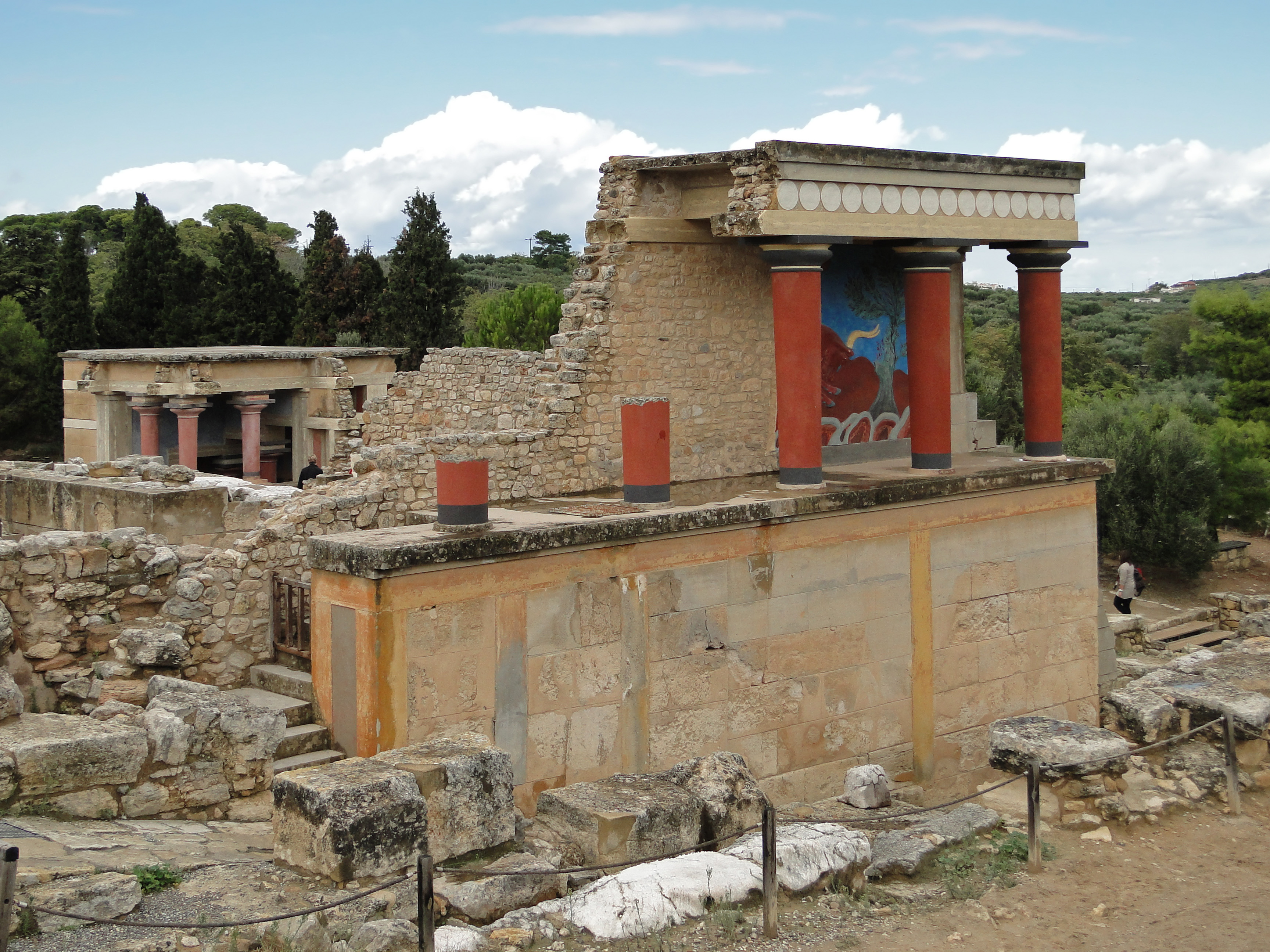
9. Knossos, Crete, Greece
Long before Rome, the Minoans built their own bathing culture. Clay tubs, drainage systems, the suggestion of a world where water and pleasure shared the same basin.
10. Baths of Antoninus, Carthage, Tunisia
The largest Roman baths in Africa. Columns framing the sea. Carthage and Rome’s elite soaking side by side, perfumed and powerful, before stepping back into the politics o