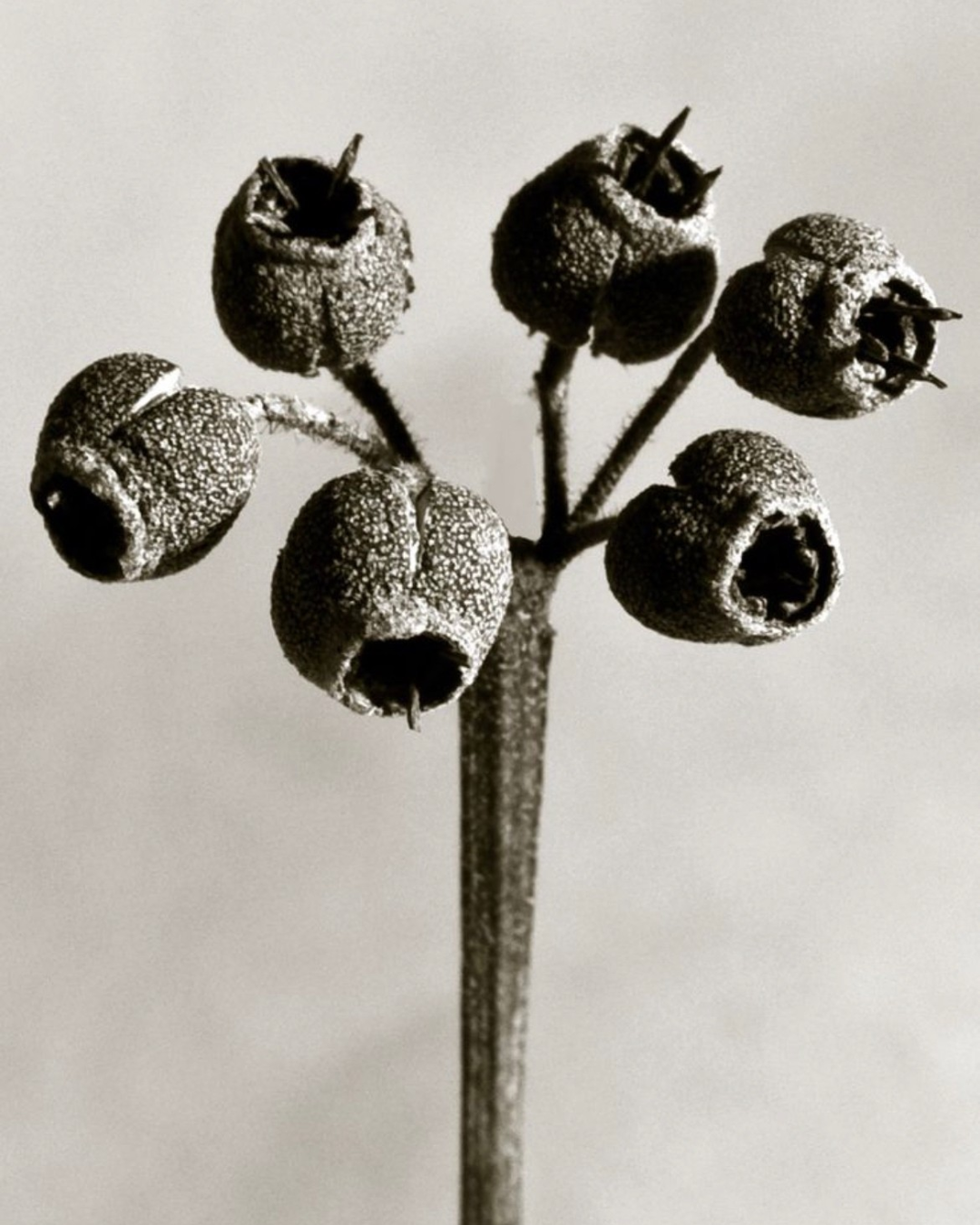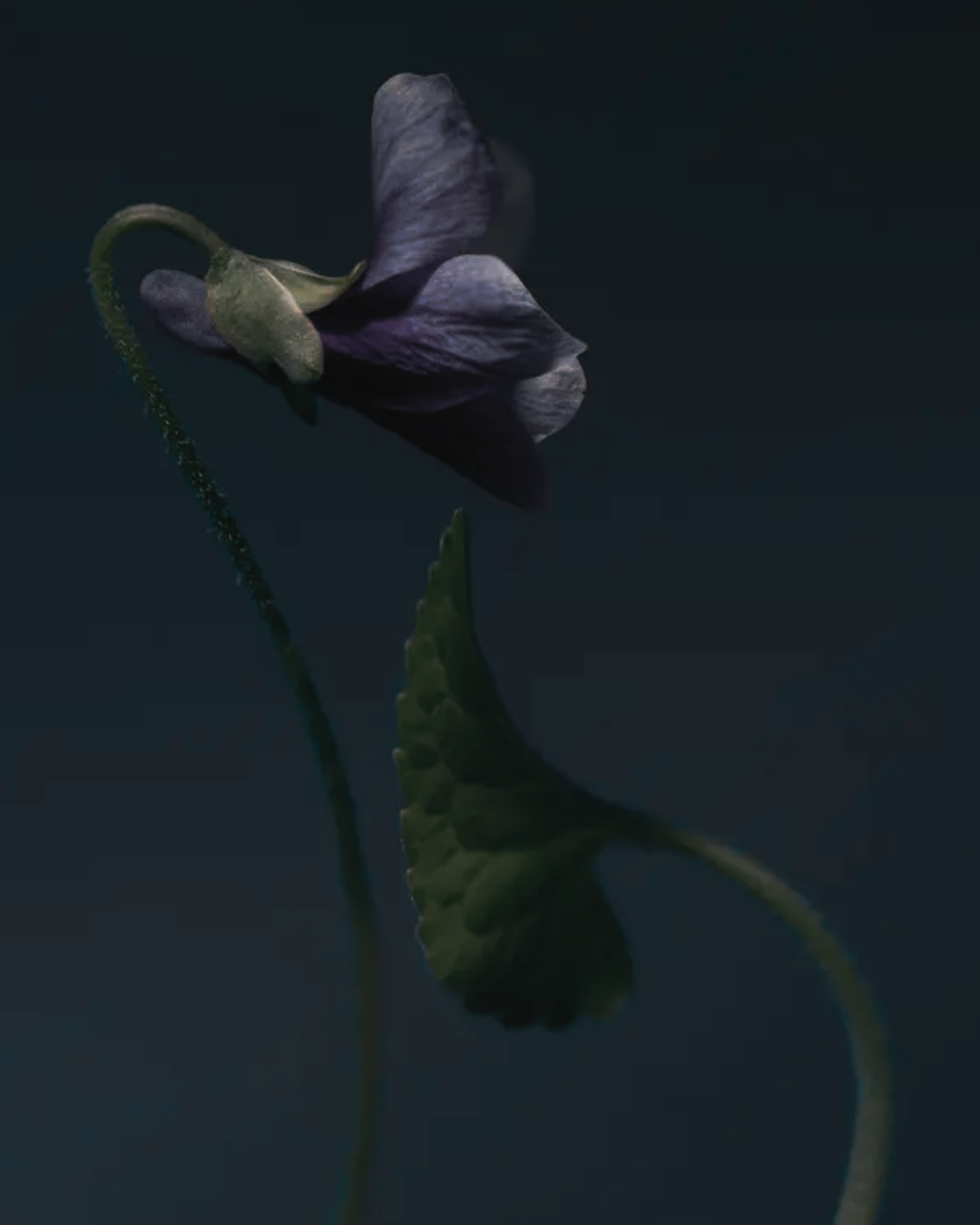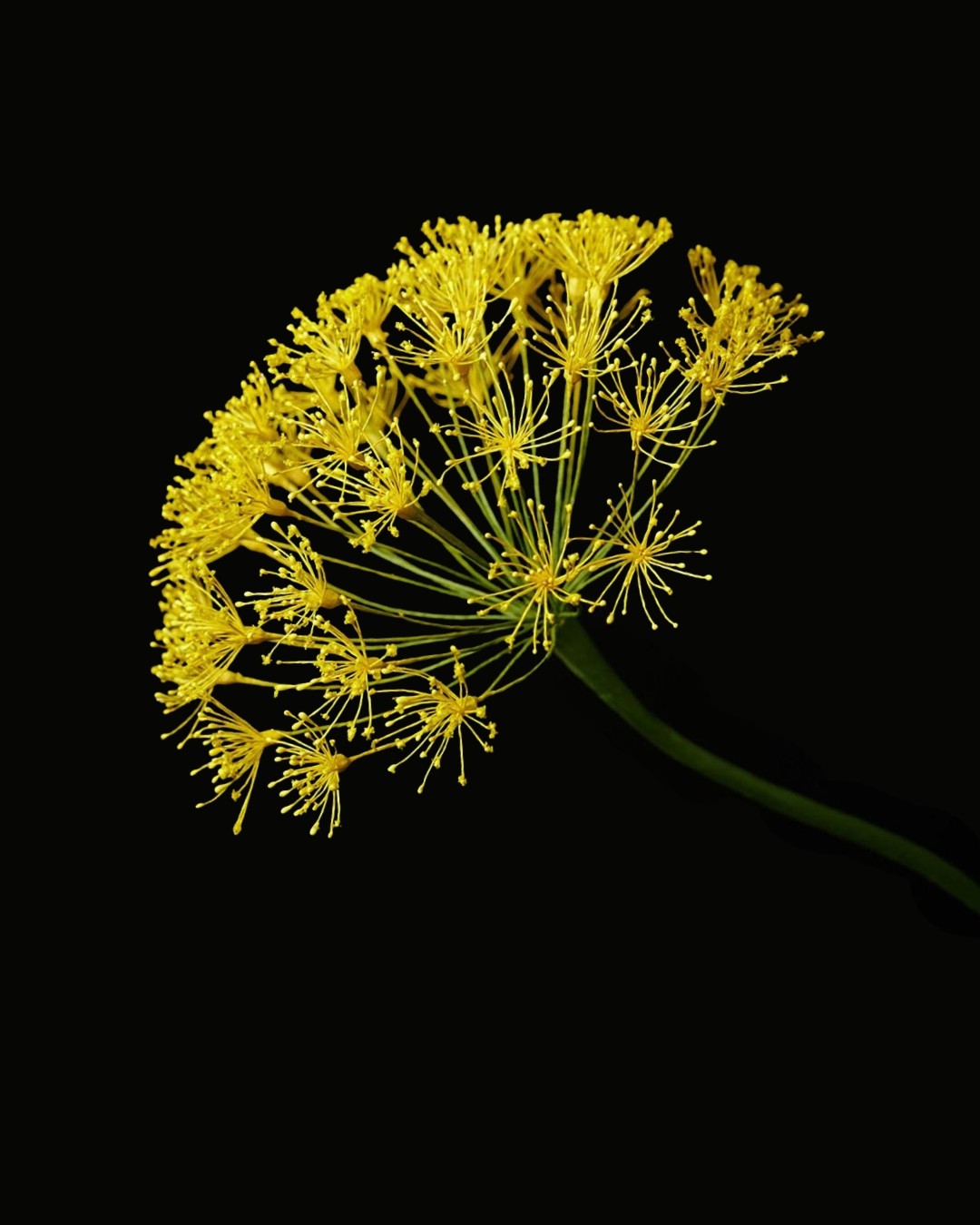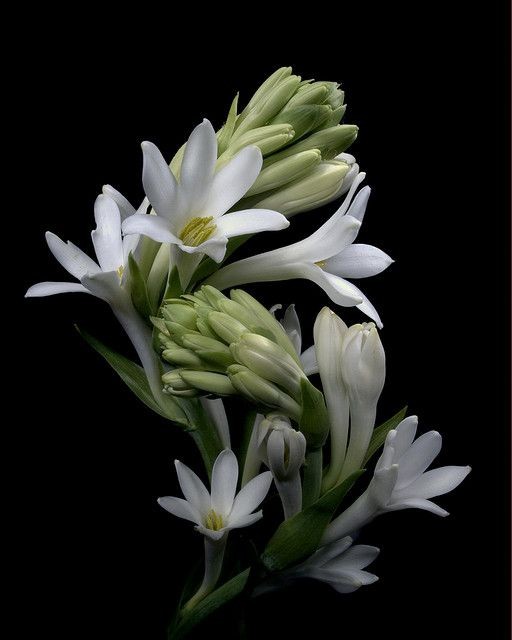
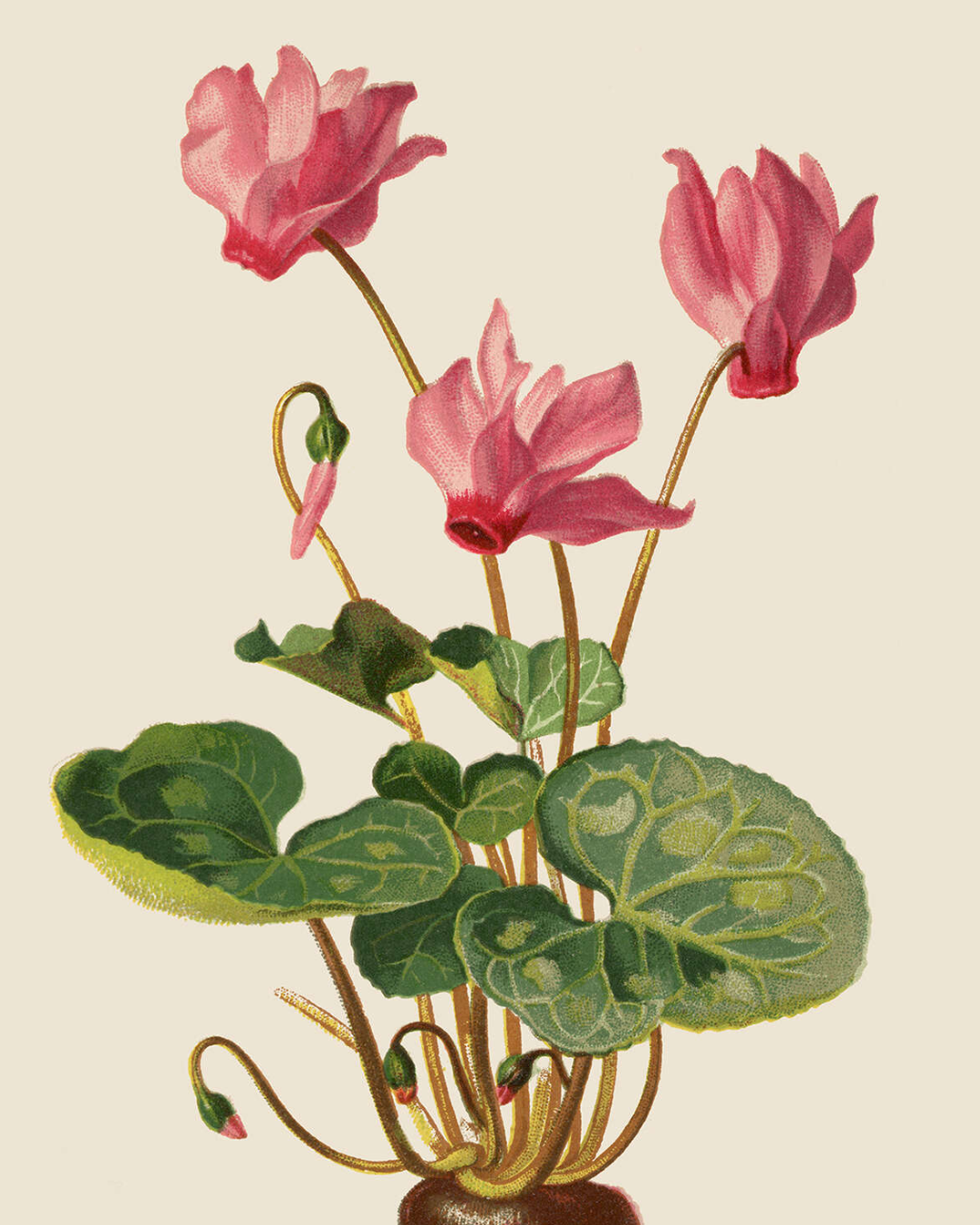
Cyclamen is delicate and unassuming, native to Mediterranean woodlands where it blooms in cool shadows while other flowers surrender to summer's retreat.
Picture the ancient Greek hillsides in late autumn, when most gardens have already given their final performance. Here, beneath oak trees and olive groves, cyclamen appears — modest pink and white blooms nodding on slender stems, their late arrival requiring quiet courage.
The natural scent is barely there — faint, almost watery, the olfactory equivalent of morning mist. Ancient perfumers learned early that cyclamen's true gift wasn't fragrance you could capture, but the idea of fragrance, the suggestion of sweetness so subtle it made you lean closer to confirm it existed.
Roman gardeners would plant cyclamen near villa entrances, understanding that some beauty worked best as welcome rather than announcement. In medieval monasteries, cyclamen represented the virtue of humility — the flower that bloomed beautifully without demanding notice, that offered its gentle presence without competing for attention. Monks cultivated it in cloister gardens as a living reminder that true devotion whispered rather than shouted.
But observe cyclamen's deeper symbolism across Mediterranean cultures: the flower of devotion that appeared precisely when devotion became difficult, when cooler weather tested commitment, when easier pleasures had already departed. The beauty that proved itself through persistence rather than spectacle. Persian poets wrote of cyclamen as "shy bride of winter," understanding its power to bring tenderness to seasons that had forgotten softness.
In modern perfumery, cyclamen underwent a fascinating transformation. Since natural scent proved too delicate to capture economically, perfumers reimagined it as fresh, dewy, ozonic note — the idea of cyclamen translated into language that could actually be smelled, the transparent floral that felt like space between petals rather than petals themselves.
This synthetic cyclamen became the breath of fresh air that compositions often desperately needed — cool, transparent brightness that could lift heavy ingredients without overwhelming them, that created pauses where other notes could develop properly.
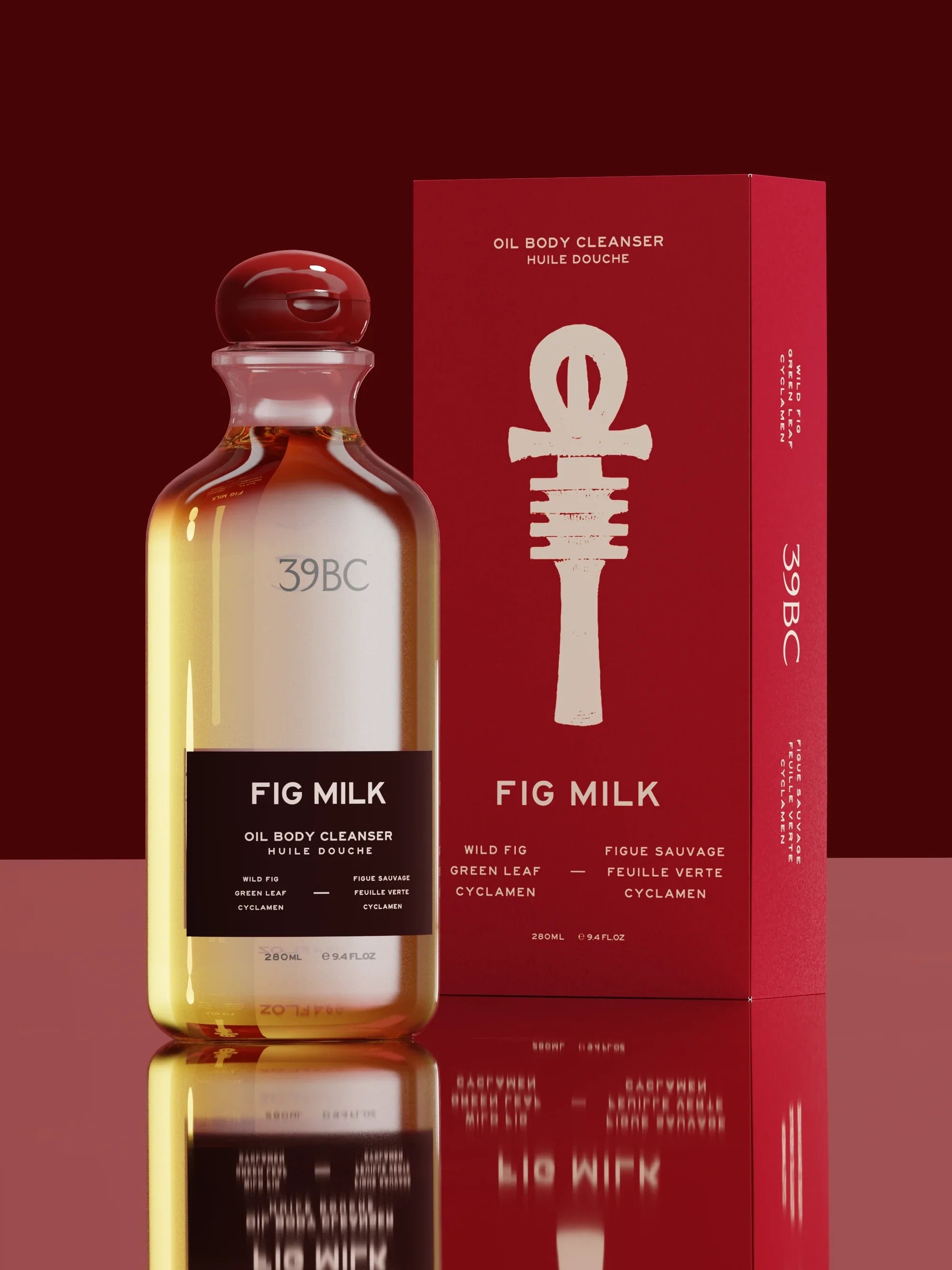
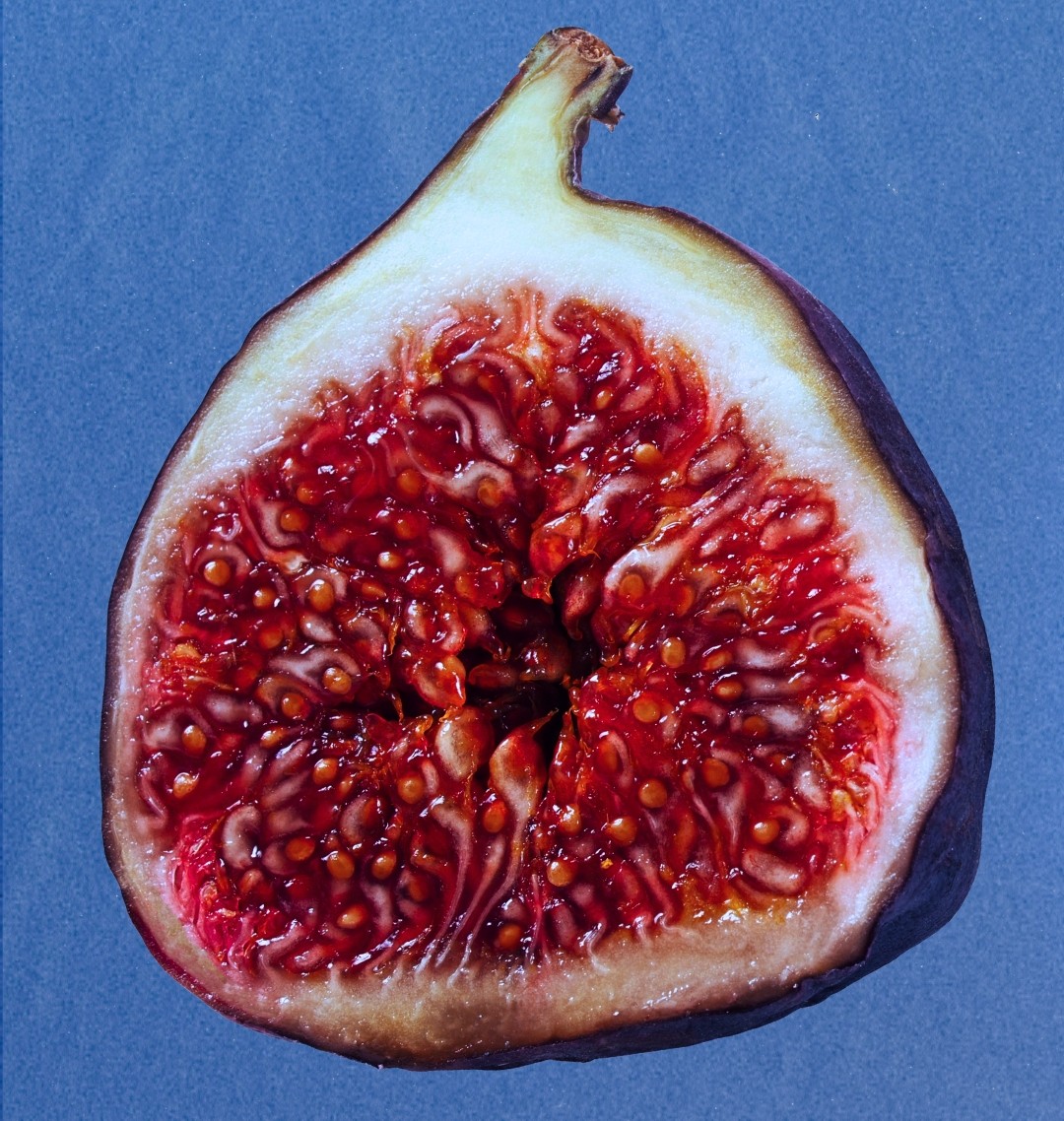
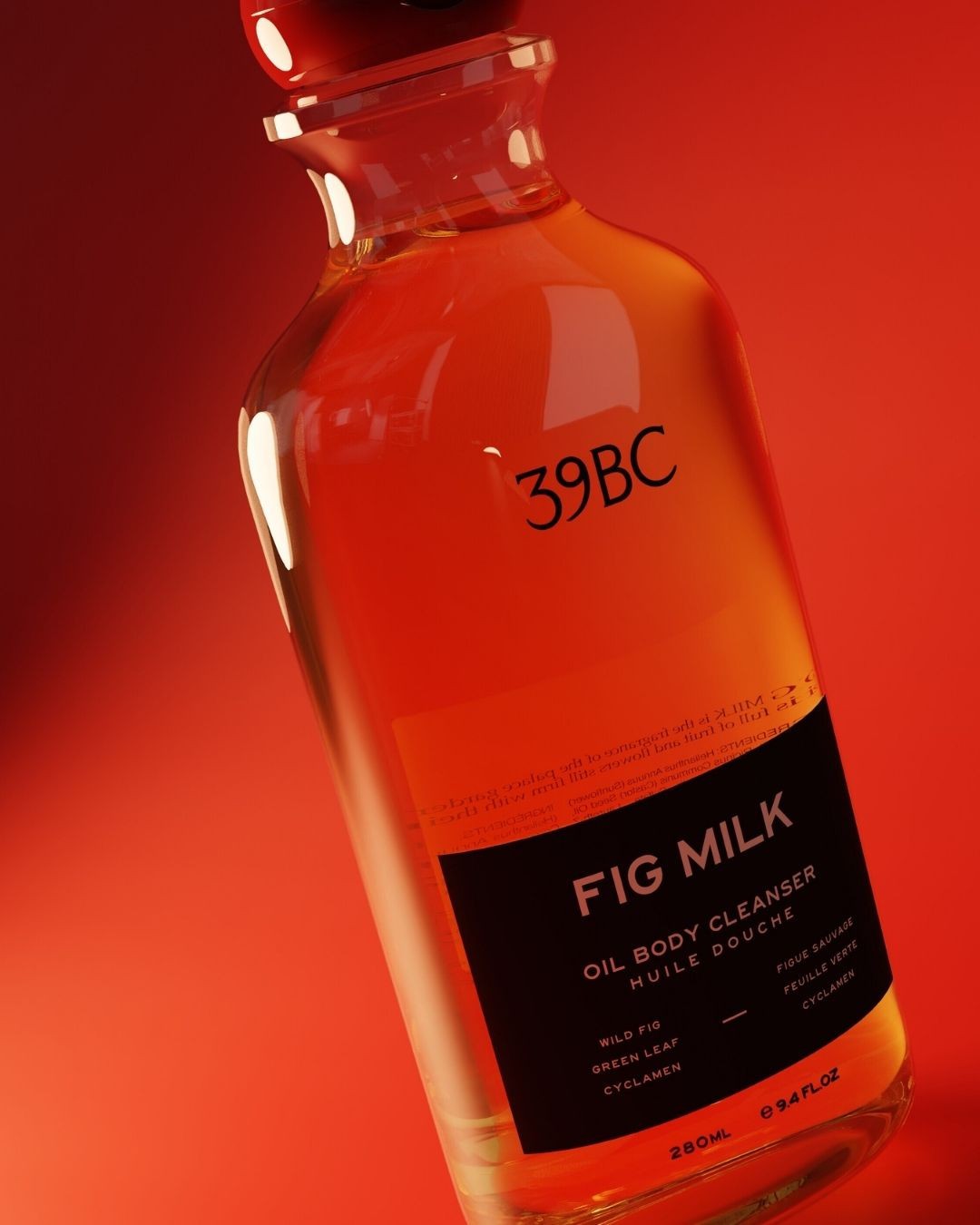
In FIG MILK, cyclamen serves this exact function — lifting the creamy richness of fig and coconut, preventing the composition from settling into cloying sweetness. It provides gentle clarity, like fresh air through sunlit rooms where handmaidens prepare queens for evening ceremonies.