The ancient Greeks did not treat love as a single, undifferentiated emotion. Instead, they understood it as a spectrum — an ecosystem of forces that could build households, destabilise governments, forge alliances, or bring cities to ruin.
To them, love was not merely personal. It was political, ethical, social. It could be erotic or filial, playful or devotional. It could sustain empires — or undo them.
Below are nine classical categories of love, each illuminated by figures from history and myth whose relationships still shape the stories we tell about intimacy, power, and devotion.

Eros: Cleopatra VII and Mark Antony
Eros is erotic, desiring love — the spark that feels irrational, even fated. The Greeks understood it as a destabilising force, capable of overriding judgement and reshaping destinies.
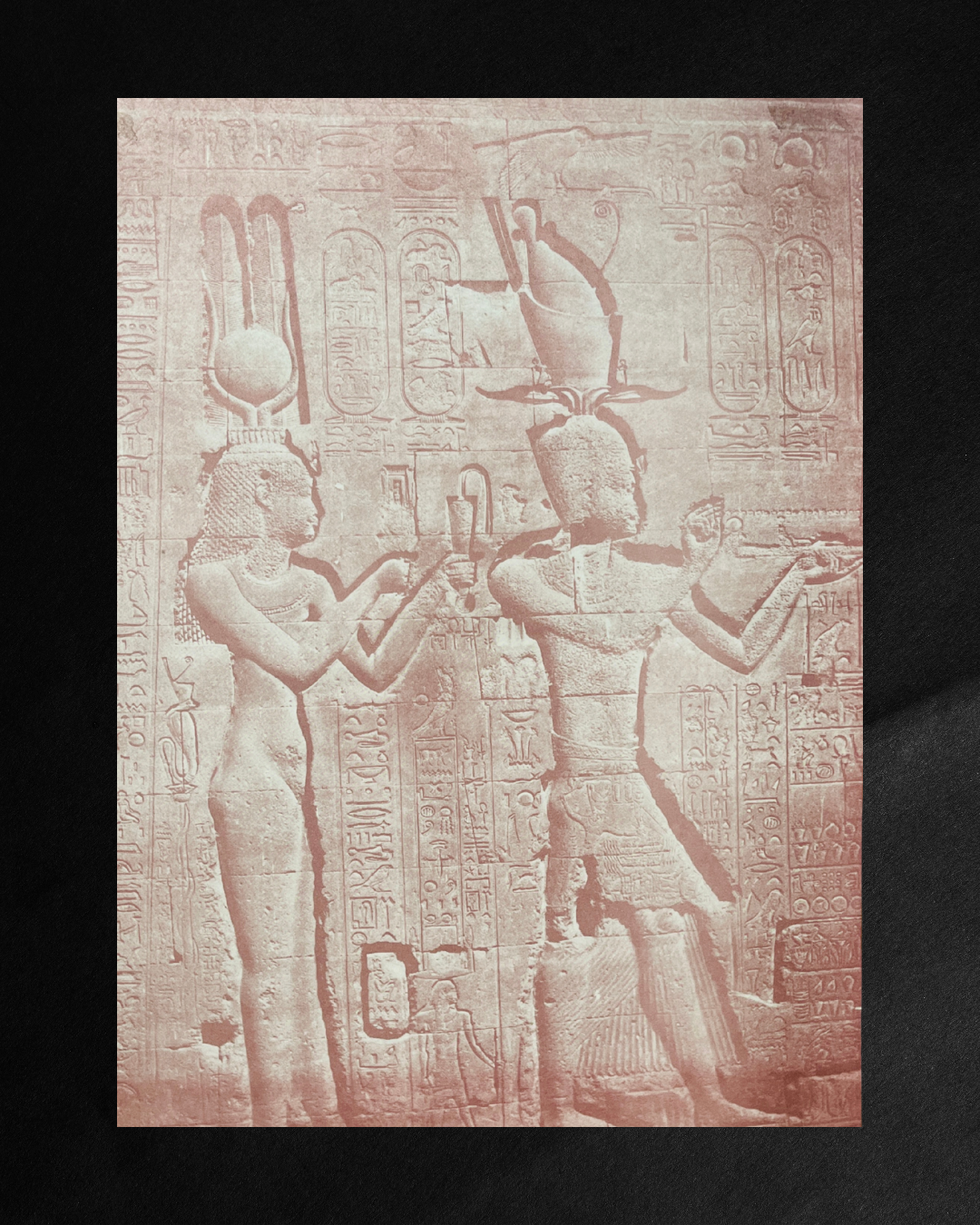
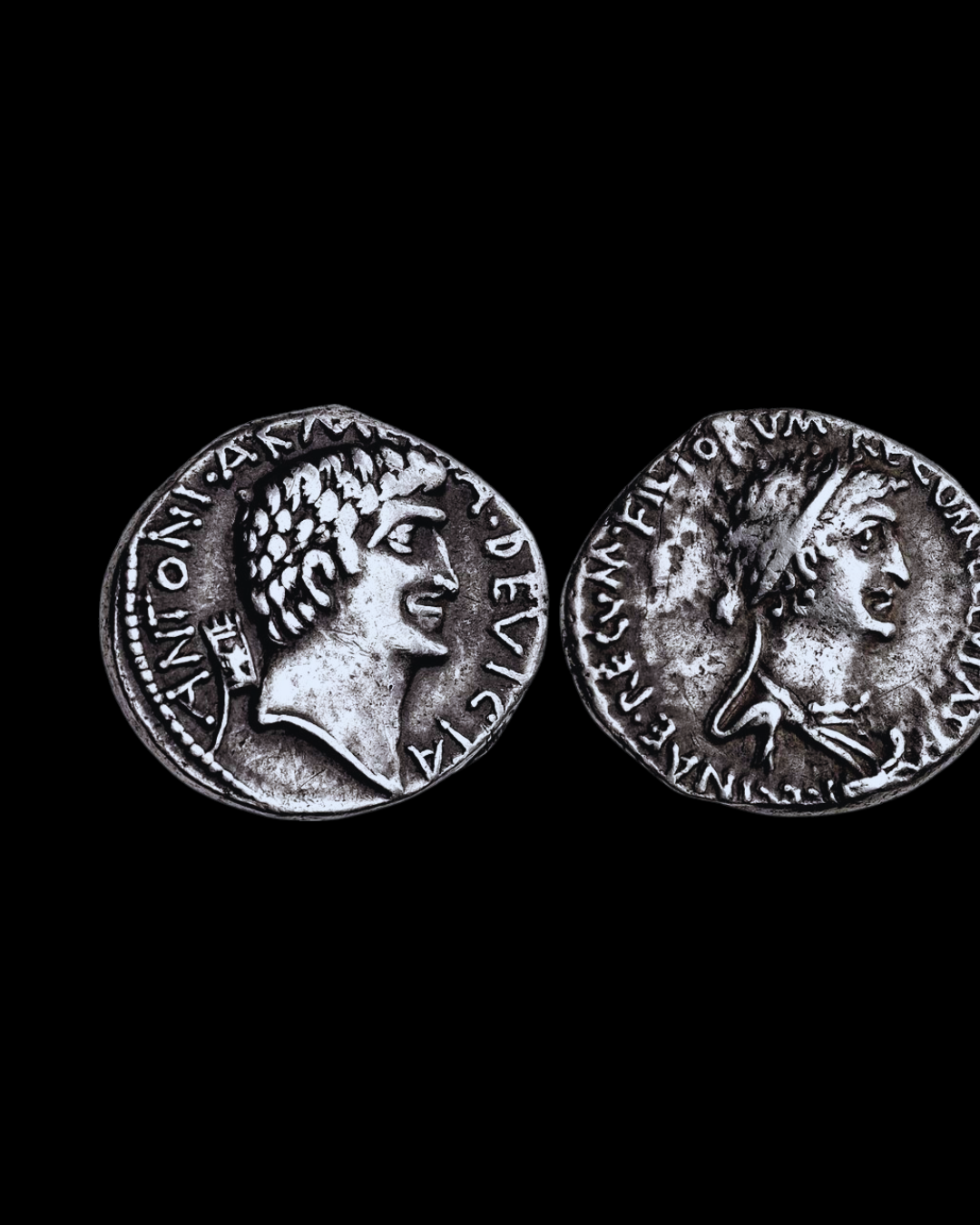
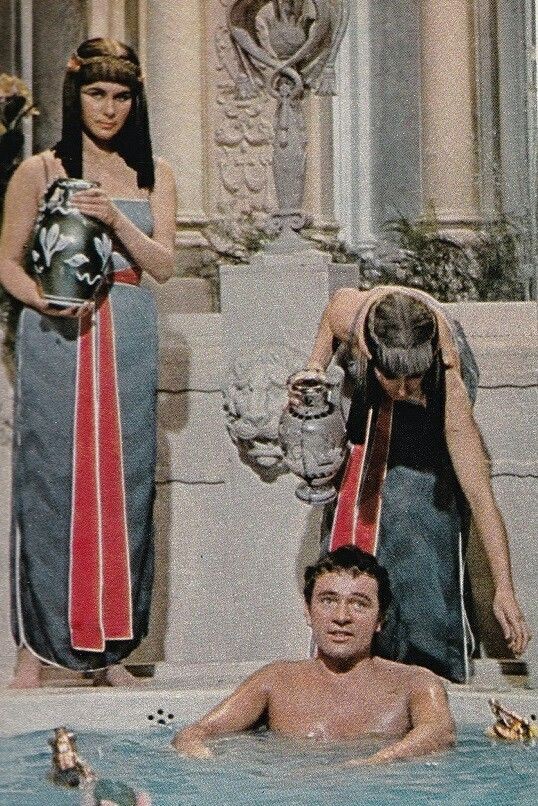
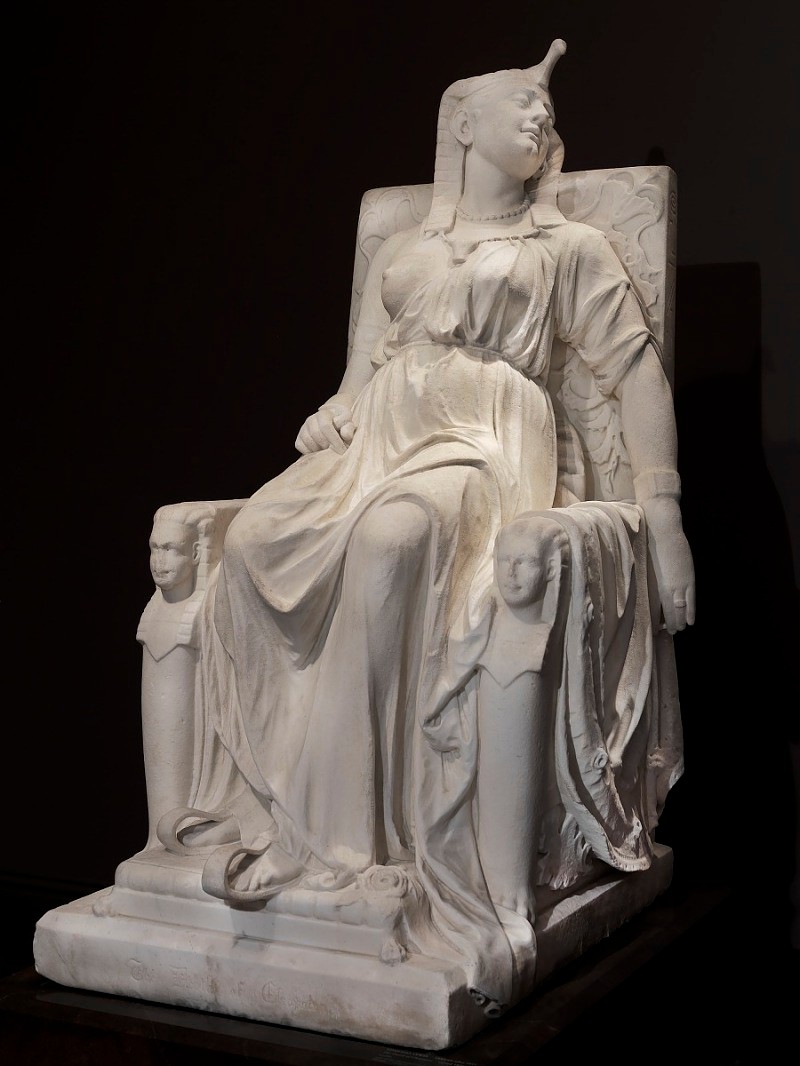
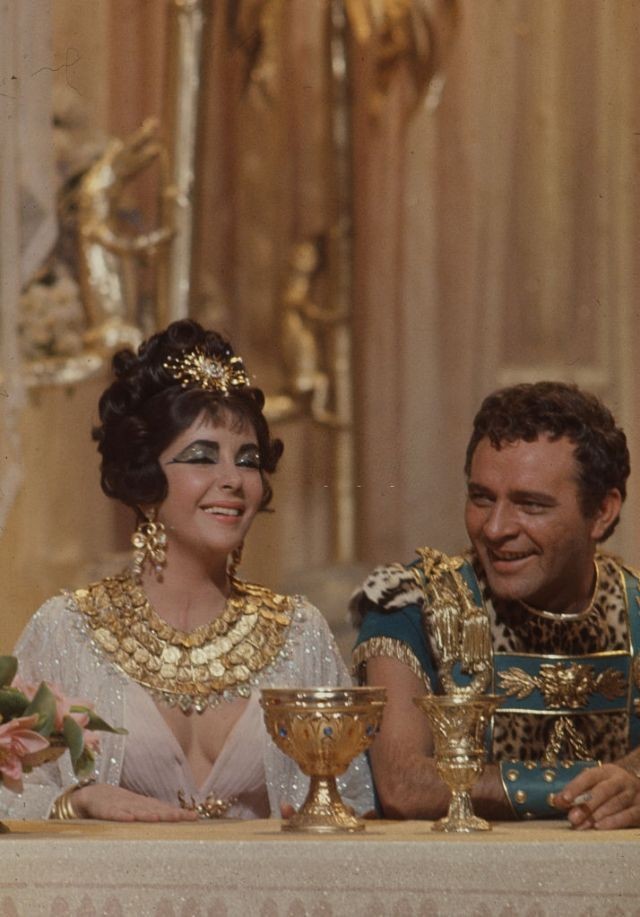
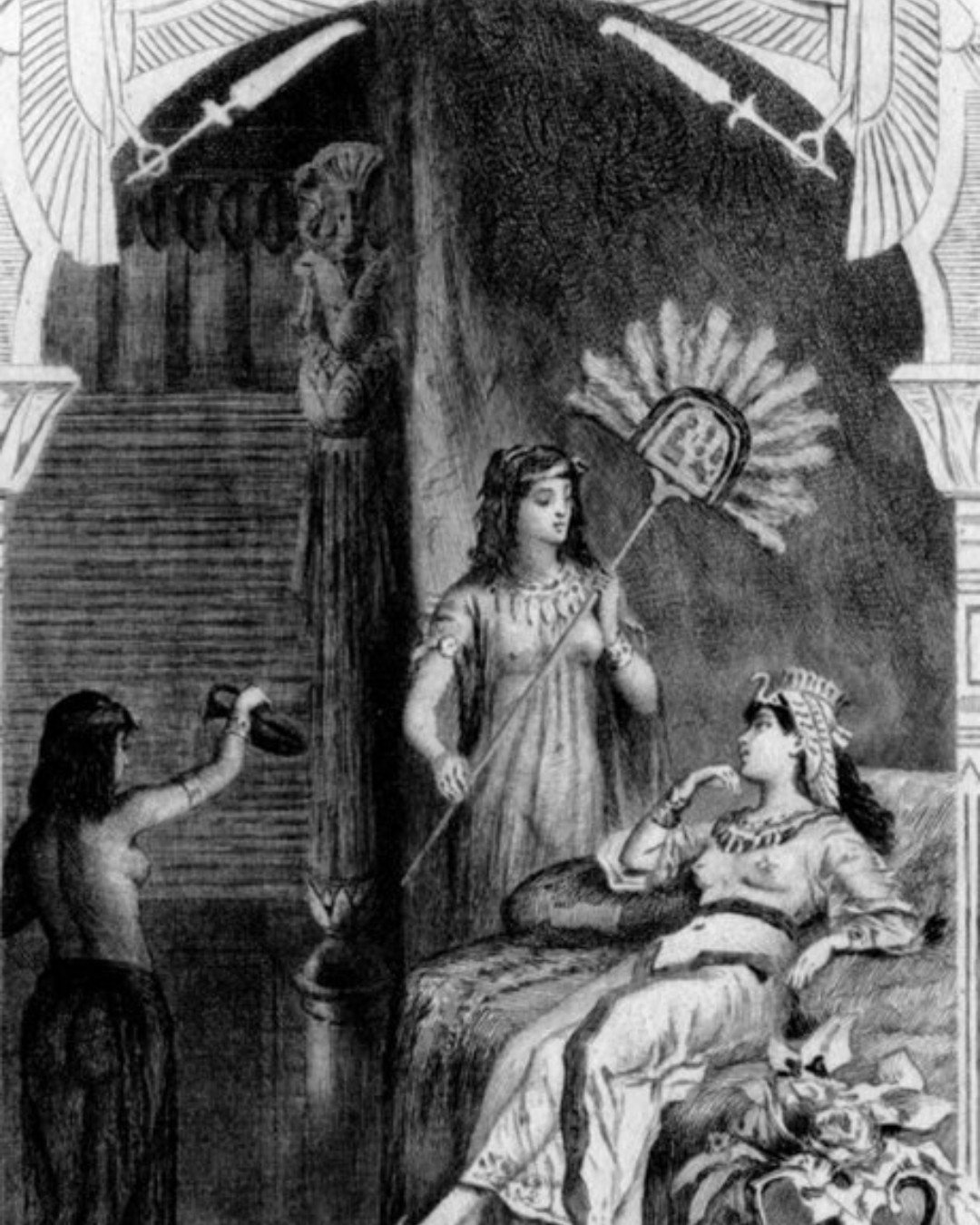
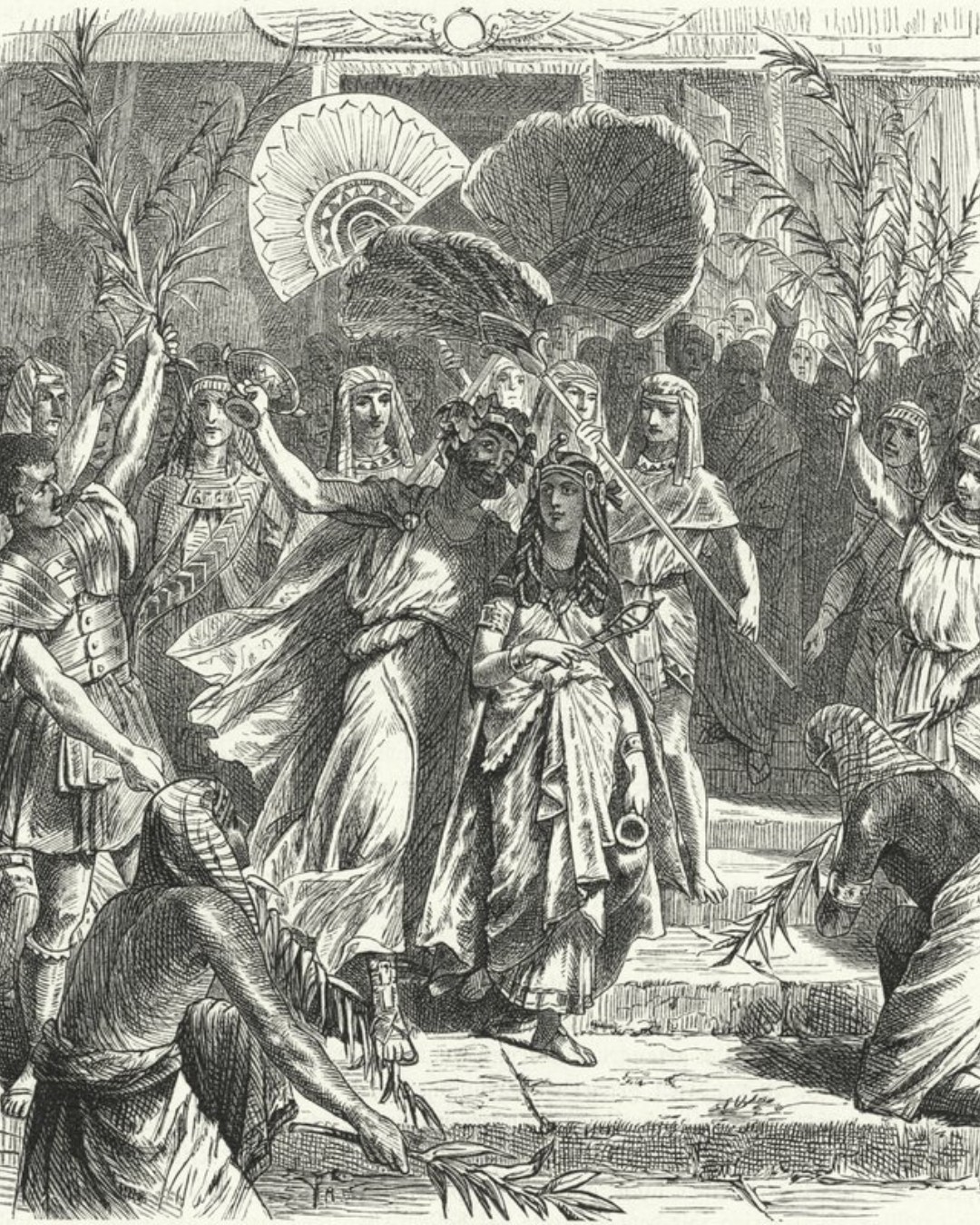
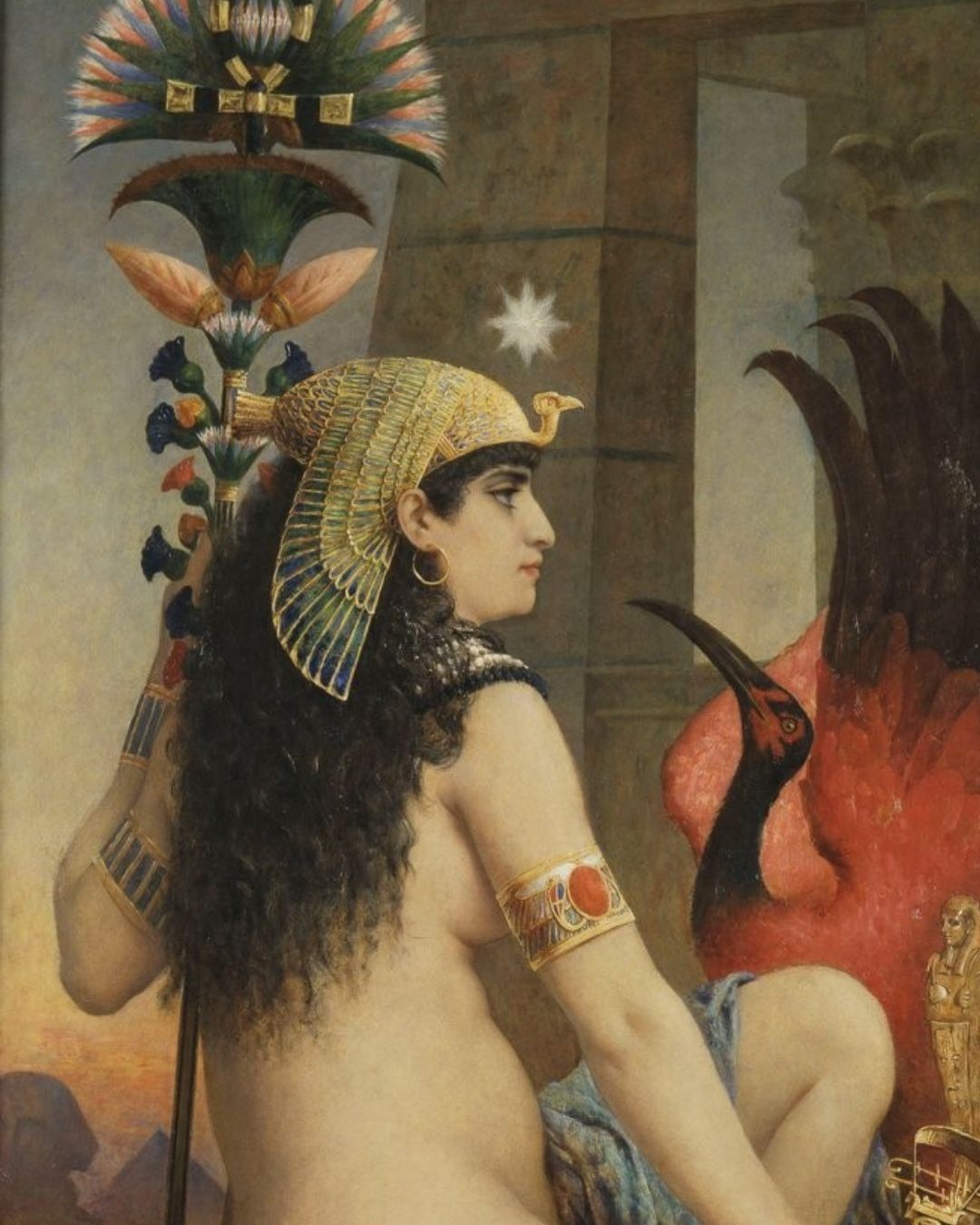
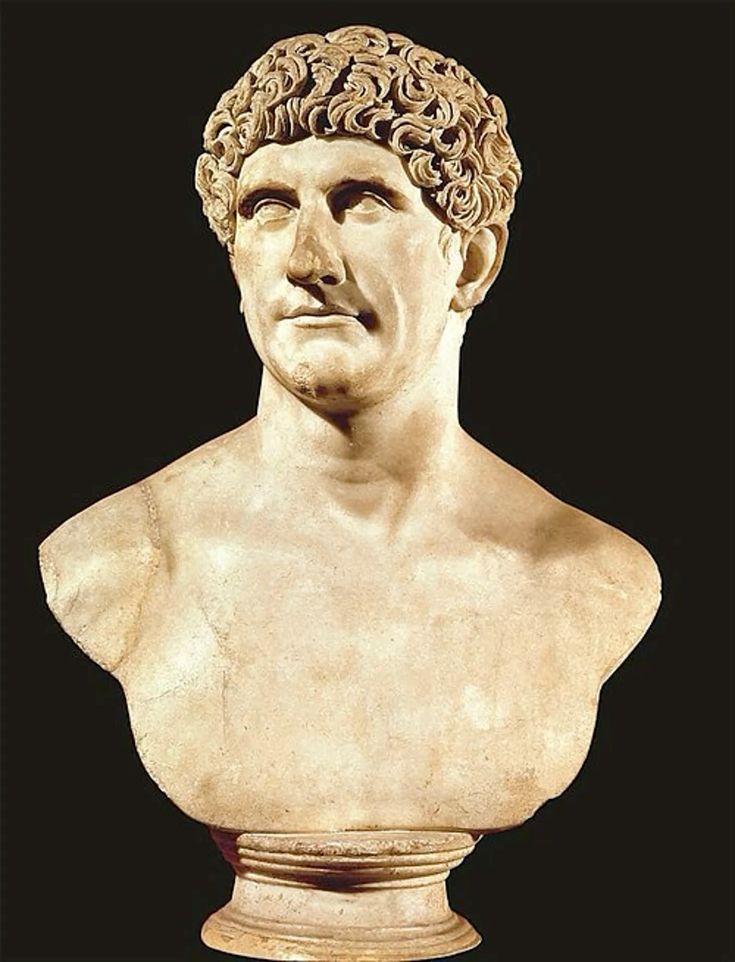
Few relationships illustrate this more dramatically than that of Cleopatra VII of Egypt and the Roman general Mark Antony. Cleopatra, the last active ruler of the Ptolemaic dynasty, was not merely a seductress of legend but a multilingual, politically astute monarch navigating the pressures of Roman expansion. Antony, one of Rome’s most powerful military leaders following the assassination of Julius Caesar, entered into alliance with her in 41 BCE.
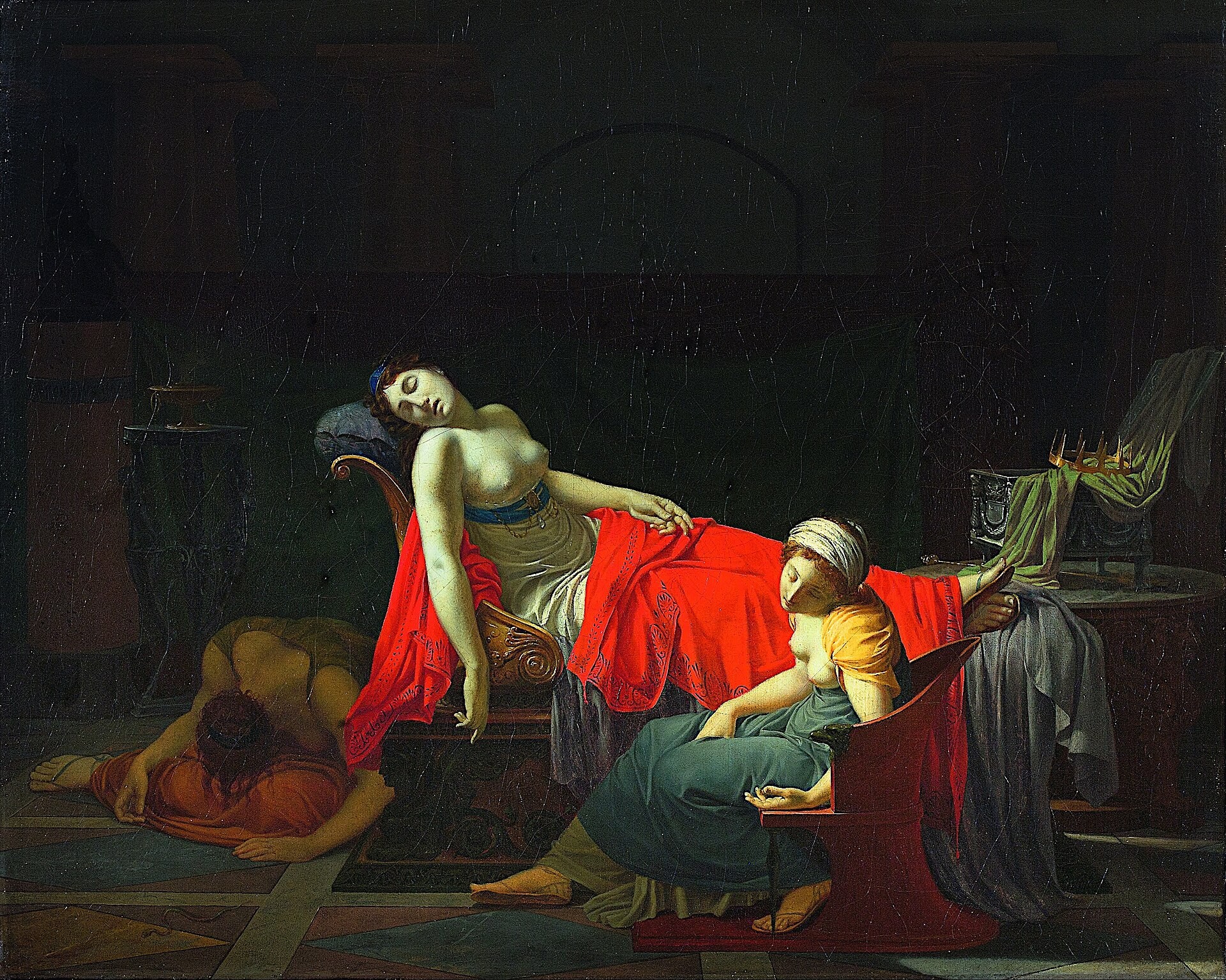
Their partnership was strategic as much as romantic. Yet contemporary Roman sources — particularly those hostile to Antony — portrayed him as enthralled, even undone, by desire. Their alliance eventually positioned them against Octavian (the future Augustus), culminating in their defeat at the Battle of Actium in 31 BCE and their subsequent suicides.
In classical terms, this is Eros at full intensity: intoxicating, magnetic, and politically consequential.

Mania: Medea and Jason
If Eros is desire, Mania is its distortion. It is love warped by fear, insecurity, and possessiveness.
The myth of Medea and Jason, most famously dramatised by Euripides in the 5th century BCE, offers a stark portrayal. Jason, leader of the Argonauts, sought the Golden Fleece in Colchis. Medea, a princess and sorceress, fell in love with him and used her powers to secure his success. She betrayed her family and homeland for him.
When Jason later abandoned her to marry a Corinthian princess, Medea’s love turned catastrophic. In Euripides’ tragedy, she exacts revenge by killing Jason’s new bride — and, in some versions, their own children.
The Greeks did not romanticise this intensity. Mania was understood as love untethered from reason, a force capable of destruction when identity and attachment become indistinguishable.
Storge: Odysseus and Telemachus
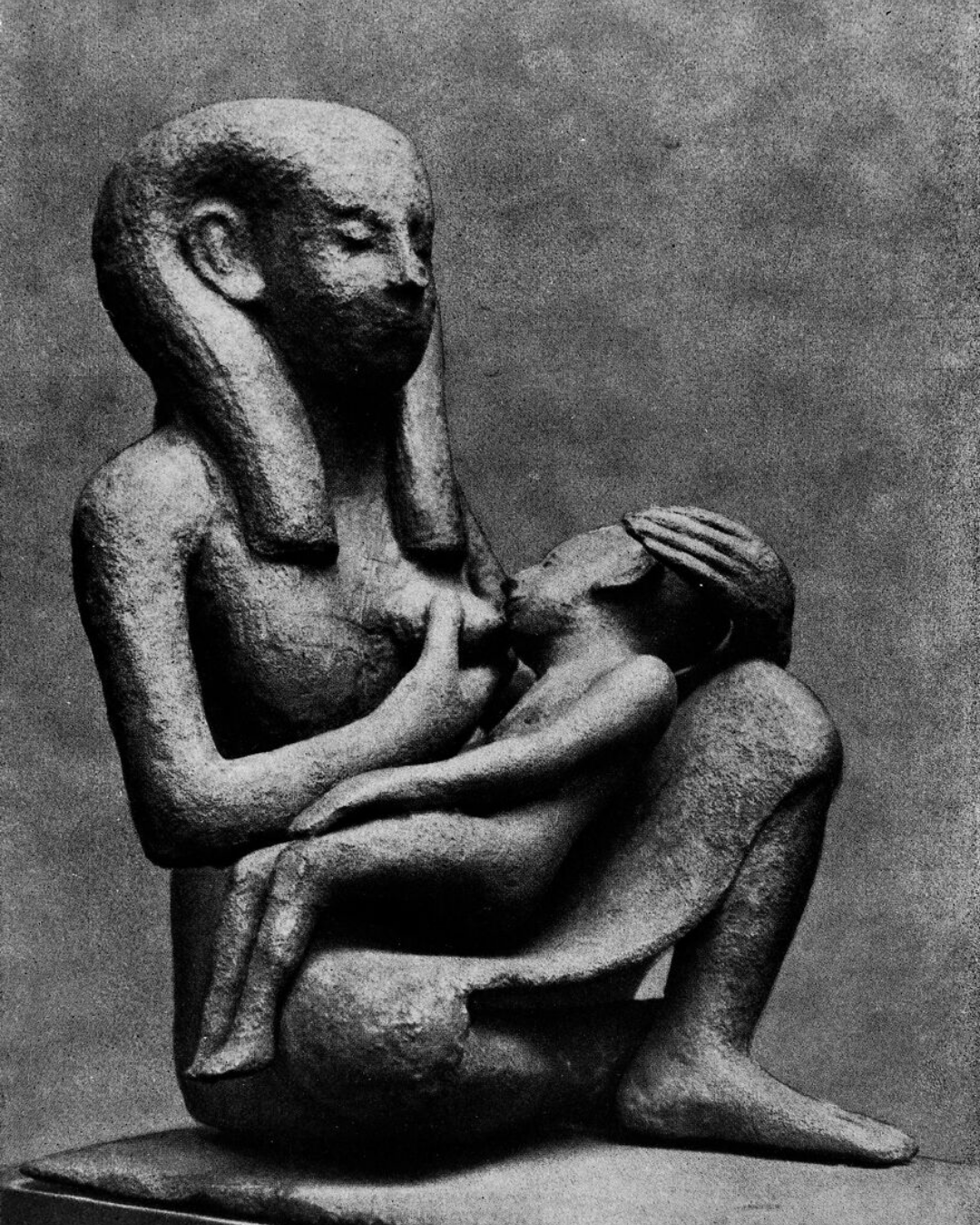
Storge describes familial love — instinctive, inherited, often quiet.
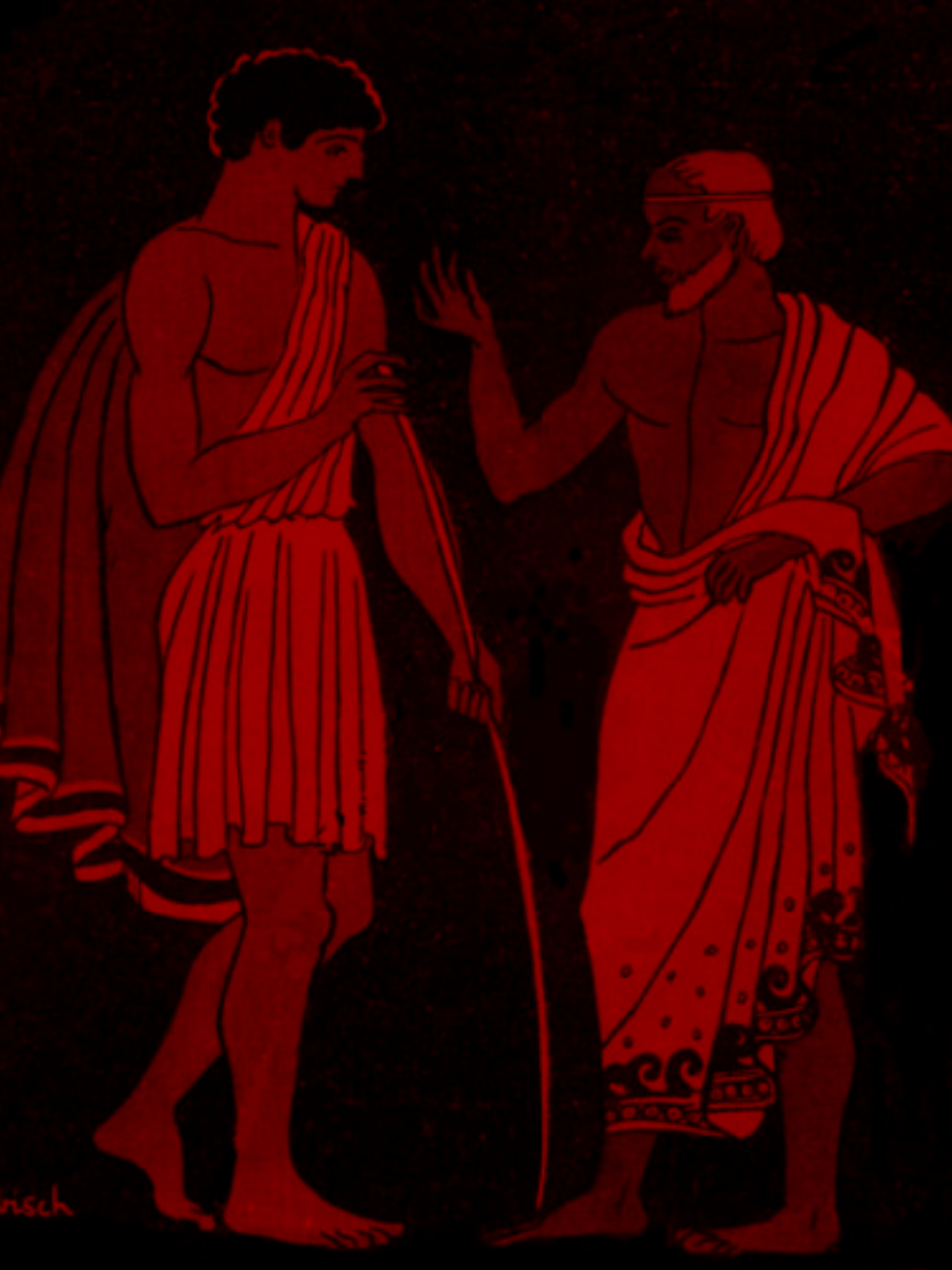
In Homer’s Odyssey, composed in the 8th century BCE, Odysseus returns to Ithaca after twenty years of absence: ten at war in Troy and ten lost at sea. His son Telemachus, an infant when Odysseus departed, has grown into adulthood under the shadow of uncertainty.
Their reunion is understated yet profound. There is no theatrical declaration, only recognition and loyalty. Together, they restore order to their household.
Storge is not spectacle. It is continuity — the enduring bond between parent and child that persists beyond absence.
Philia: Pericles and Aspasia
Philia is chosen love — friendship, intellectual intimacy, and mutual respect.
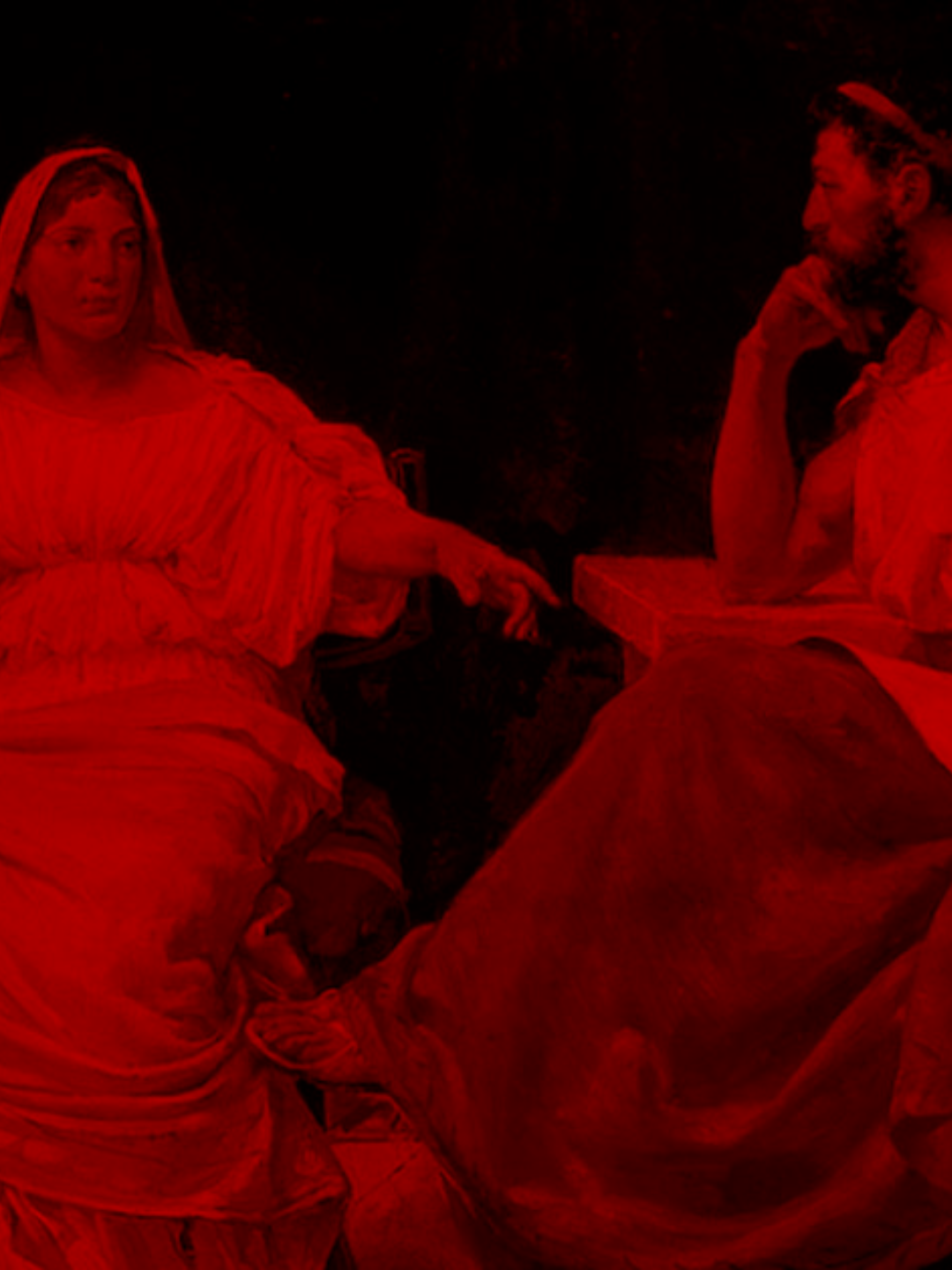
Pericles, the influential Athenian statesman of the 5th century BCE, presided over what is often called the Golden Age of Athens. Aspasia of Miletus, his partner, was a foreign-born intellectual who became a prominent figure in Athenian society.
Though often reduced in later accounts to a courtesan, ancient sources suggest she was a formidable conversationalist and political thinker. She is said to have advised Pericles and engaged with philosophers such as Socrates.
Their relationship, while romantic, was rooted in dialogue and shared ideas. Philia, in this context, reflects a partnership of minds — an intimacy not reliant on passion but sustained by reciprocity and respect.
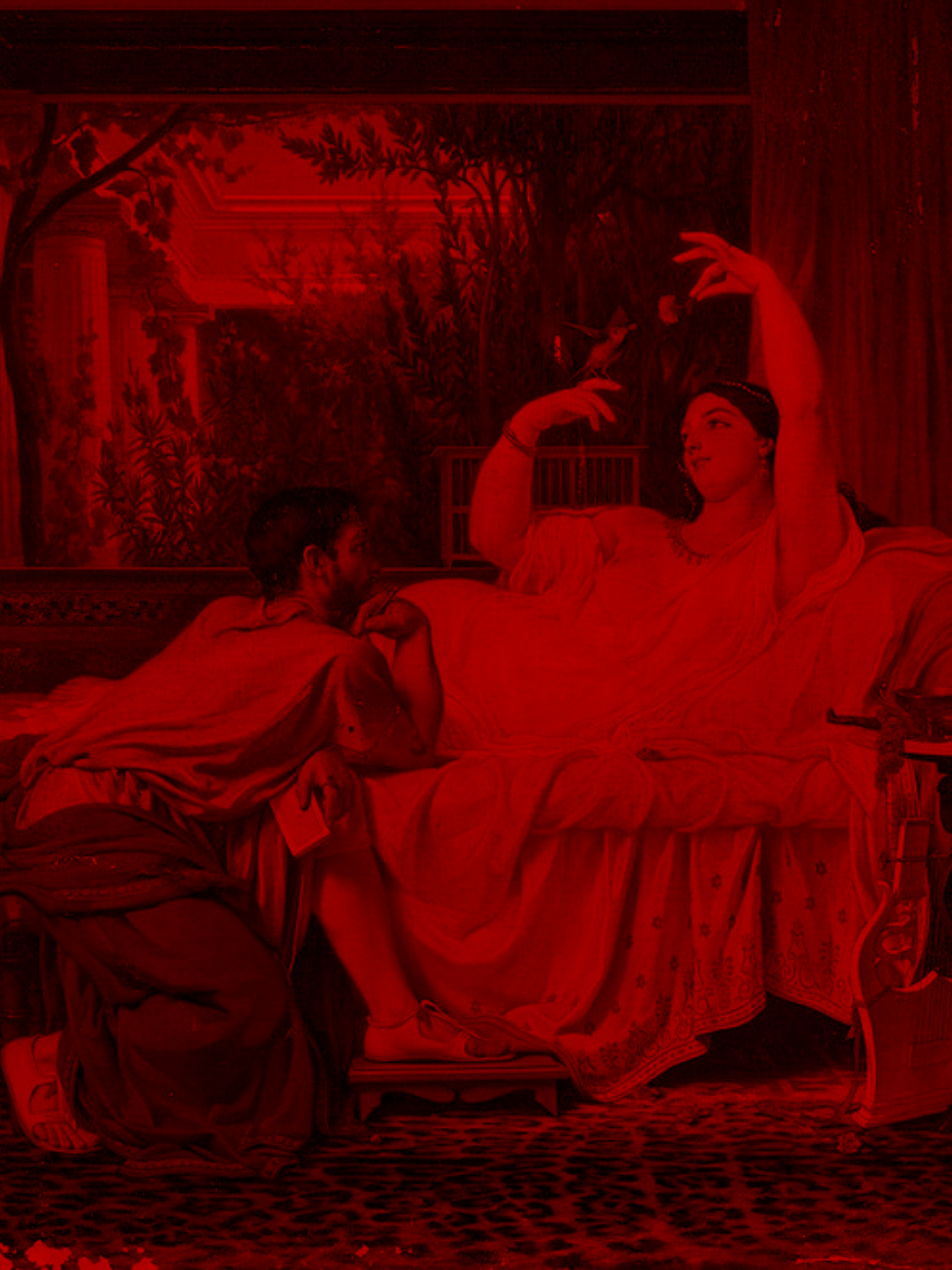
Ludus: Catullus and Lesbia
Ludus is playful love — flirtation, banter, the exhilaration of early desire.
The Roman poet Catullus (1st century BCE) immortalised his lover under the pseudonym “Lesbia,” widely believed to be Clodia Metelli, a politically connected Roman aristocrat. His poetry oscillates between devotion and frustration, tenderness and accusation.
The tone is volatile, dramatic, and intensely personal. This is love as performance, as game, as emotional theatre.
The Greeks and Romans did not dismiss Ludus as trivial. Rather, they understood it as a transient phase — thrilling, destabilising, but not always built to endure.
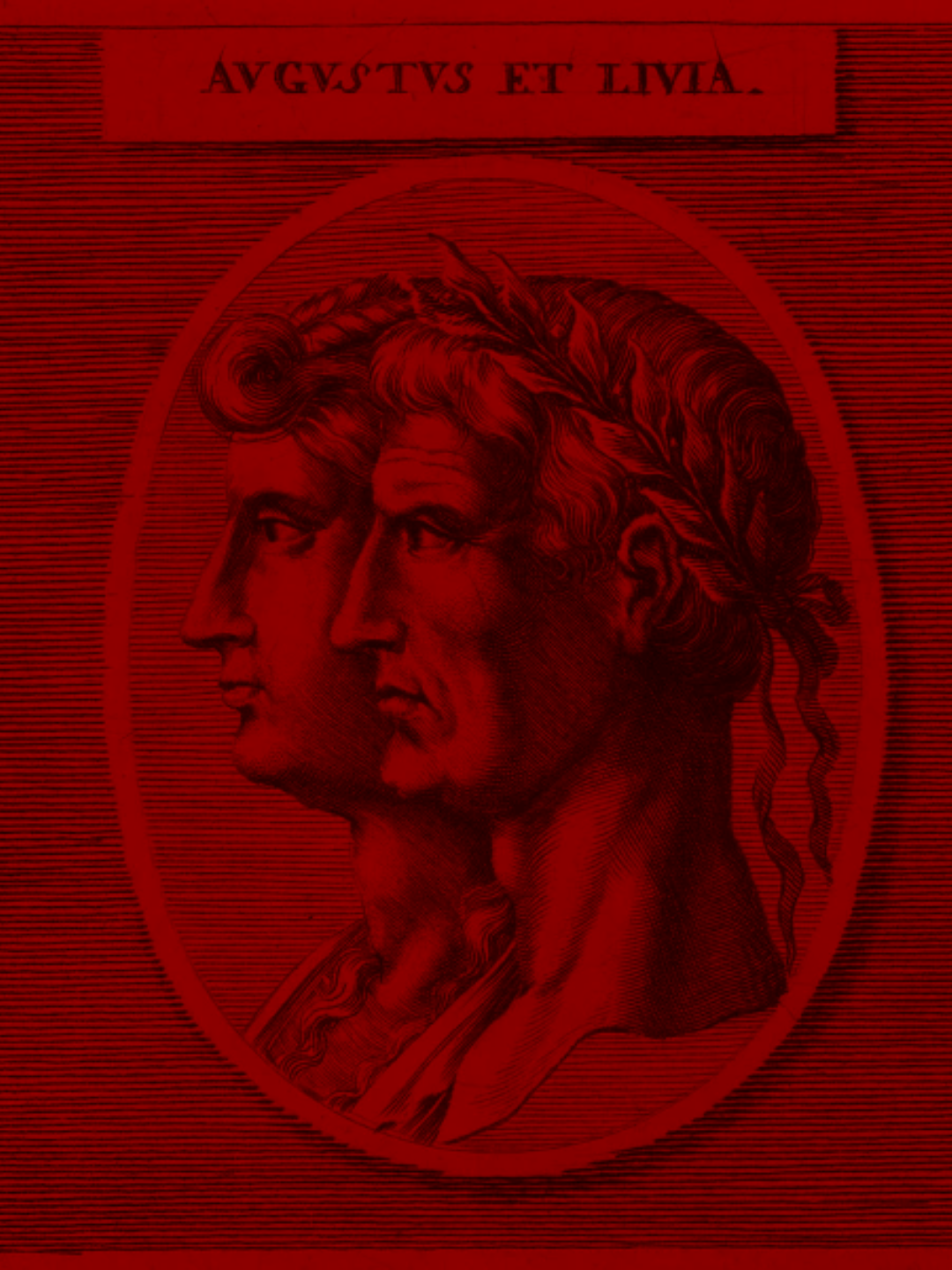
Pragma: Augustus and Livia Drusilla
Pragma is enduring, practical love — commitment sustained through time.
After defeating Antony and Cleopatra, Octavian became Augustus, Rome’s first emperor. His marriage to Livia Drusilla lasted over five decades. Their union was politically significant: Livia was a shrewd and influential presence at court, shaping succession politics and imperial imagery.
Unlike the volatility of Eros, their marriage projected stability and governance. Whether personally affectionate or primarily strategic, it exemplified Pragma — love as alliance, endurance, and shared responsibility.
This is the love that works.

Philautia: Hatshepsut
Philautia is self-love — but not vanity. The Greeks distinguished between healthy self-regard and destructive narcissism.
Hatshepsut, who ruled Egypt in the 15th century BCE, offers a striking example of the former. Though female, she adopted the full titulary and regalia of a pharaoh, including the false beard, and reigned successfully for over two decades.
Her authority was not grounded in romantic attachment but in self-legitimisation. Monumental building projects and trade expeditions underscored her political confidence.
Philautia, in its healthy form, is self-respect as foundation — the capacity to stand securely in one’s own legitimacy.

Agape: Prometheus
Agape is unconditional, ethical love — love without expectation of return.
In Greek myth, Prometheus defies Zeus to steal fire and give it to humanity. As punishment, he is eternally bound to a rock, where an eagle devours his liver each day.
Prometheus acts not out of romantic attachment but out of compassion and principle. His suffering is the cost of his gift.
Agape is love that gives anyway.
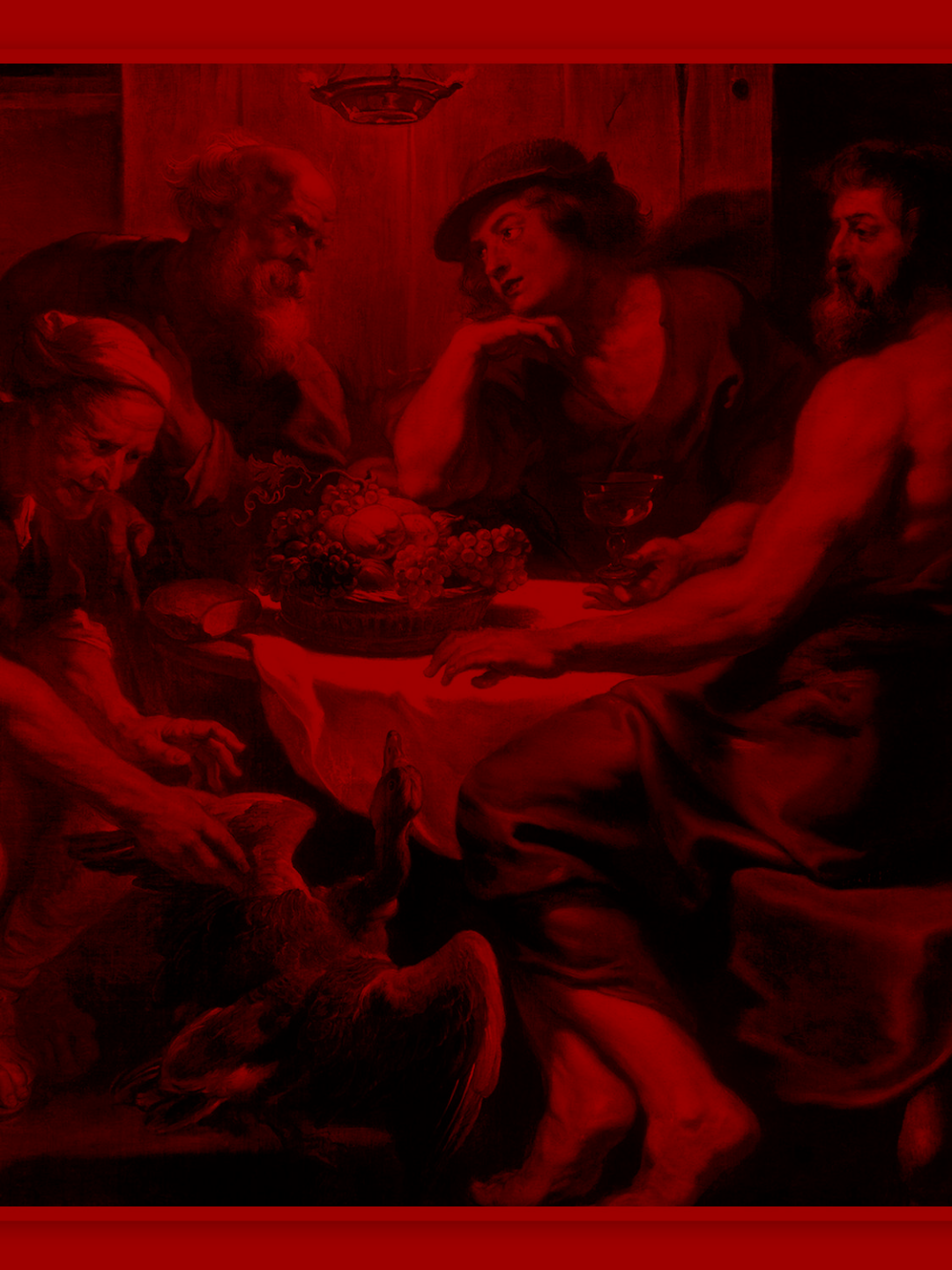
Xenia: Baucis and Philemon
Xenia was sacred hospitality — the bond between host and guest, protected under Zeus himself.
In Ovid’s Metamorphoses, Baucis and Philemon are an elderly, impoverished couple who welcome two strangers into their home. The strangers are, in fact, the gods Zeus and Hermes in disguise. While wealthier neighbours turn them away, the couple offer what little they have.
In gratitude, the gods spare them from a flood and transform them into intertwined trees upon their death, so they may never be separated.
Xenia represents love enacted as generosity across difference — the moral obligation to shelter the unknown.

Love as Architecture
Taken together, these forms suggest that love was never peripheral in antiquity. It structured alliances, shaped governance, underpinned myth, and informed ethical philosophy.
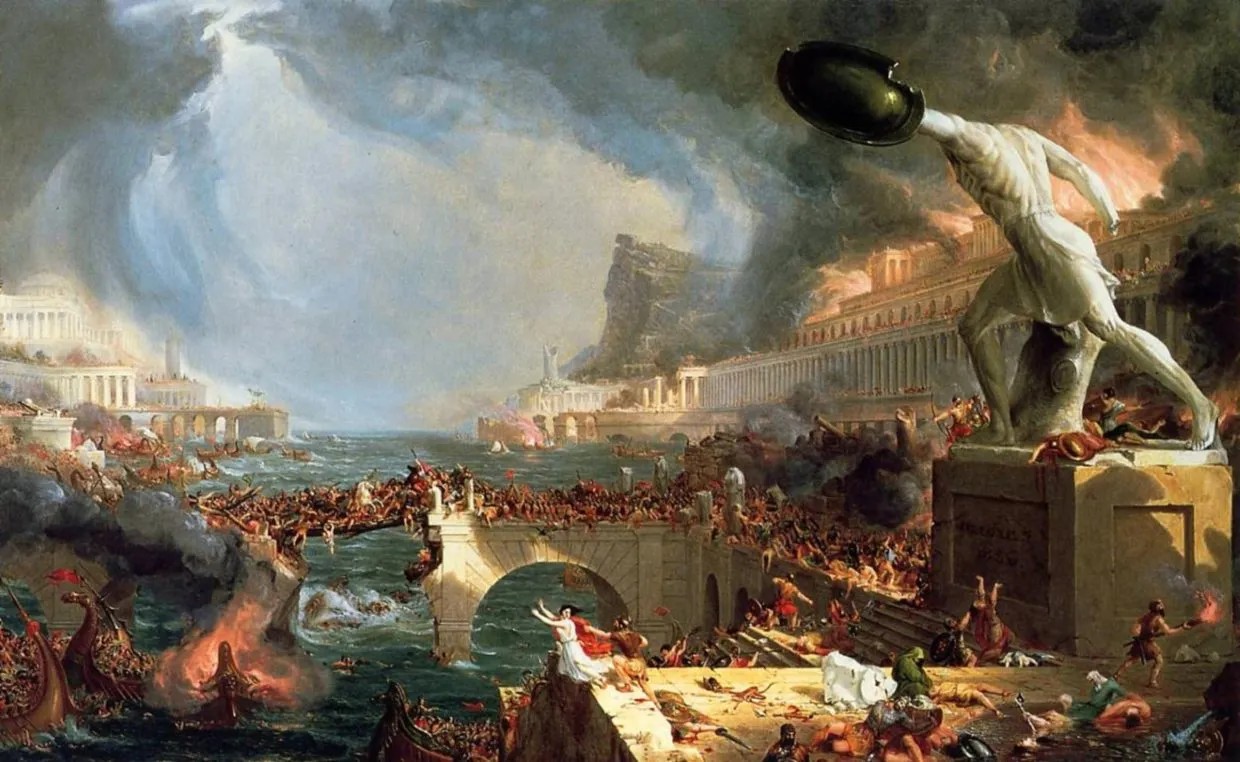
Love built empires. Love burned cities.
The ancient world recognised what we often forget: love is not singular. It is a practice — and its consequences are rarely private.
The question, as ever, is which form we are enacting.