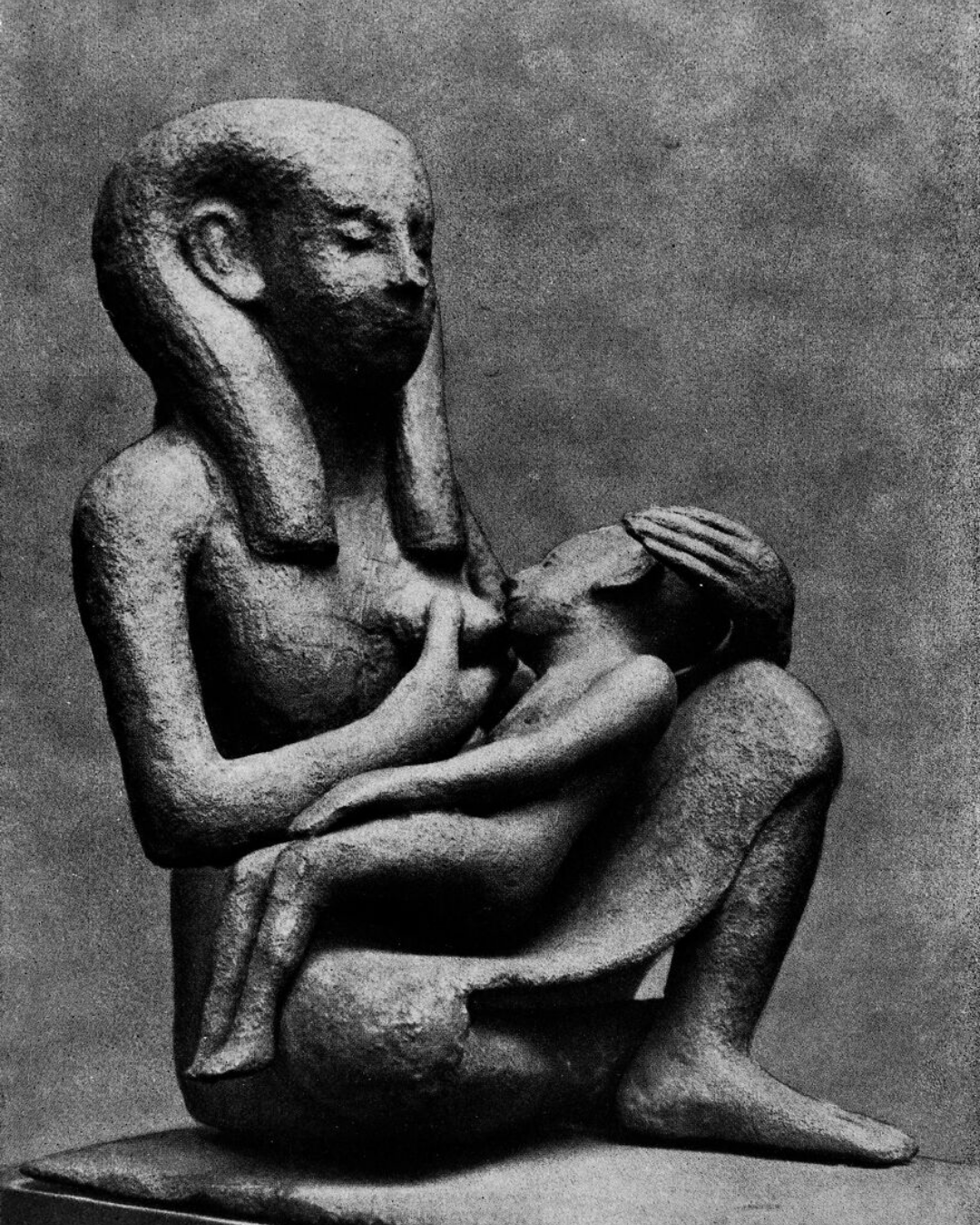
Did you know Cleopatra had four children by two of the most famous men in history?
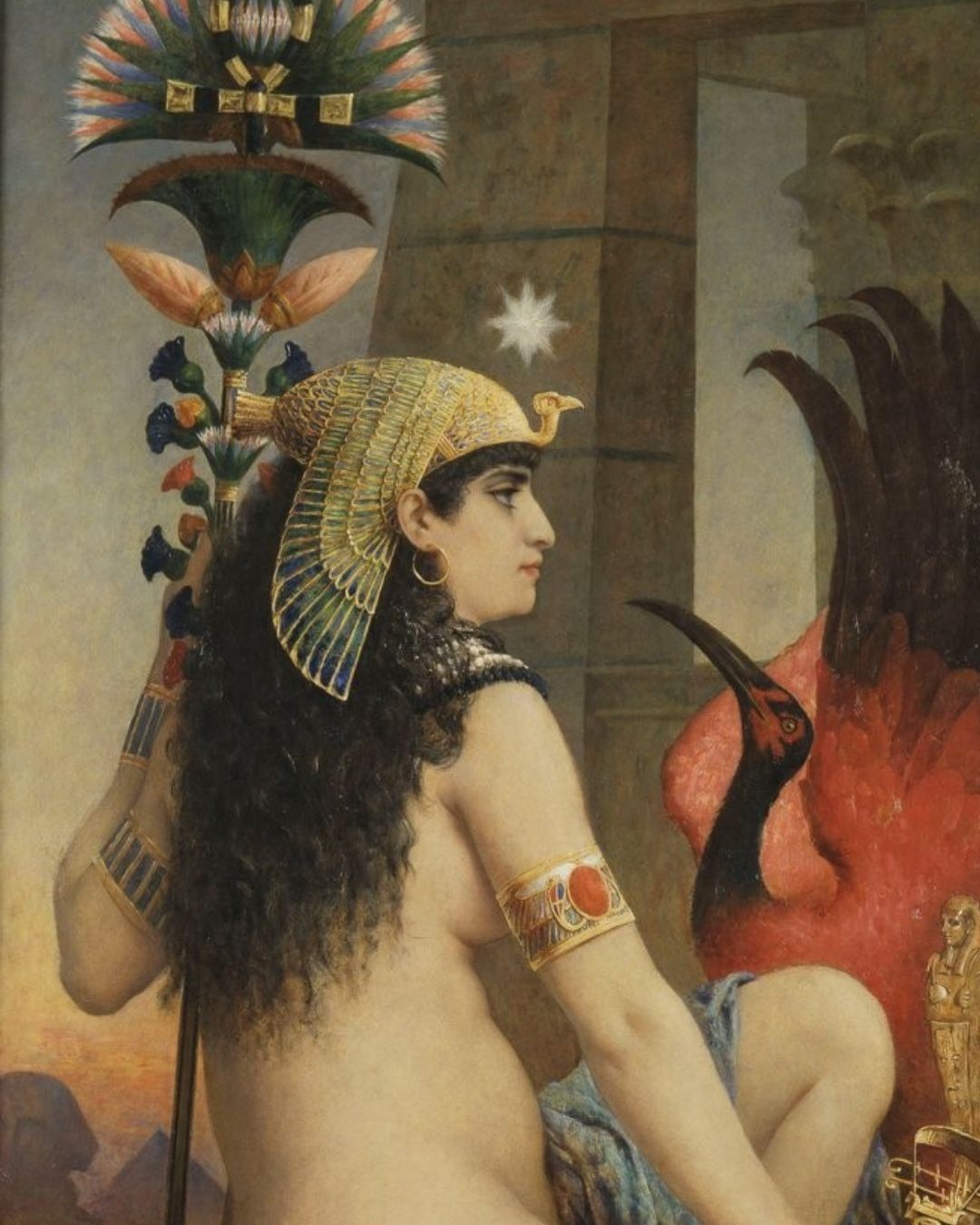
Most people remember her as the great seductress of Rome, but they rarely talk about her as a mother. Yet motherhood was central to Cleopatra’s political vision. Her children were not simply heirs tucked away in a palace nursery; they were part of a carefully staged future she was trying to build.
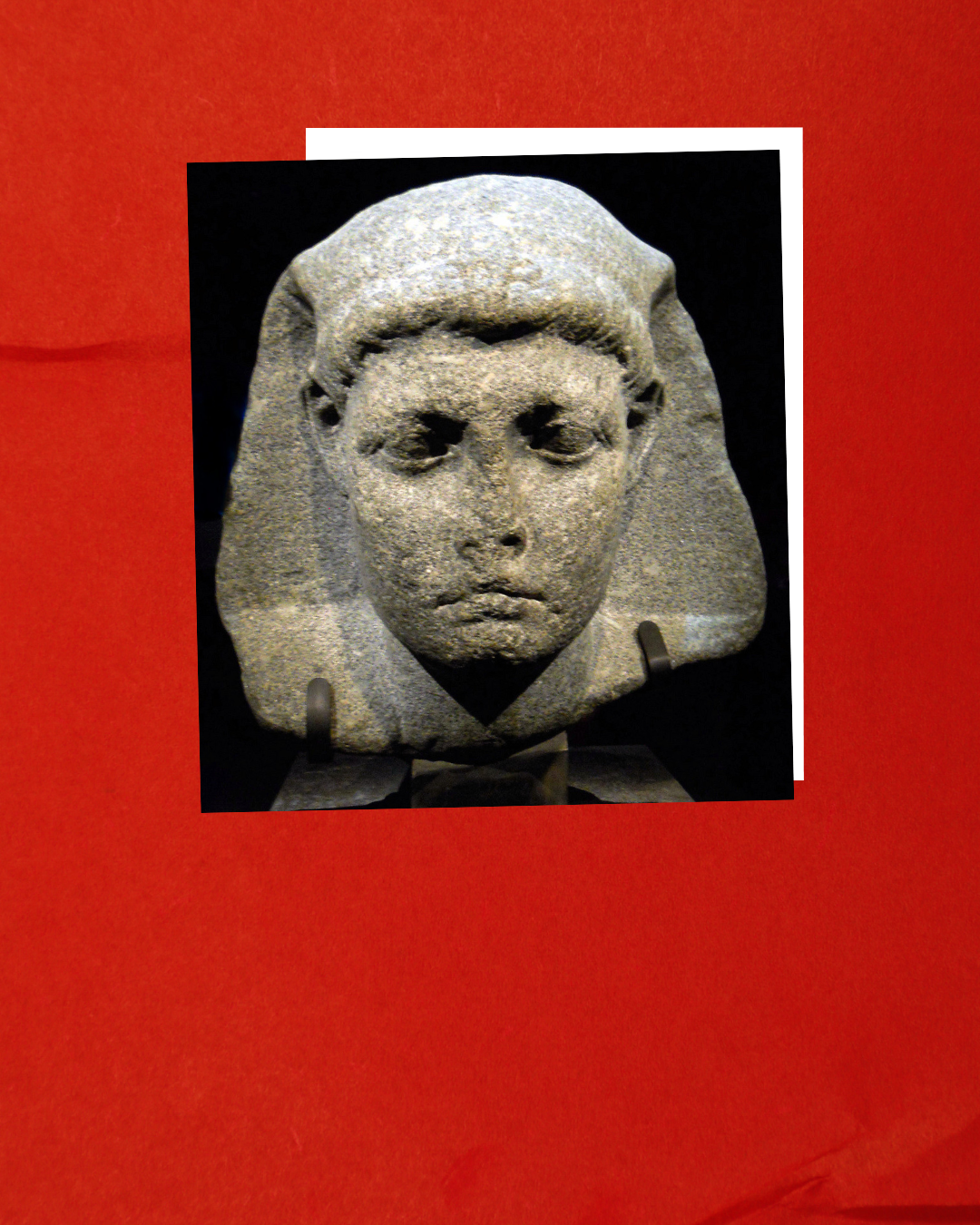
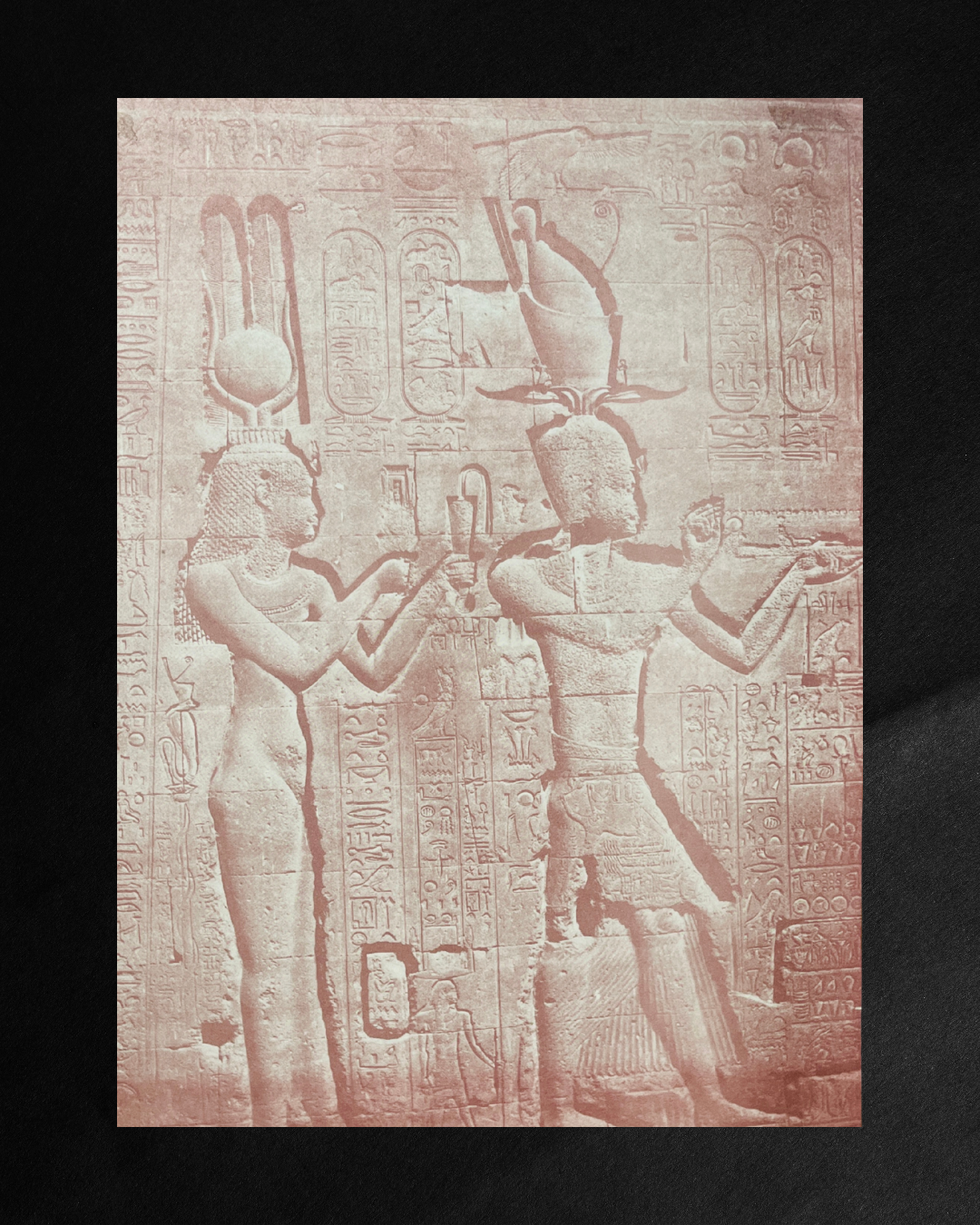
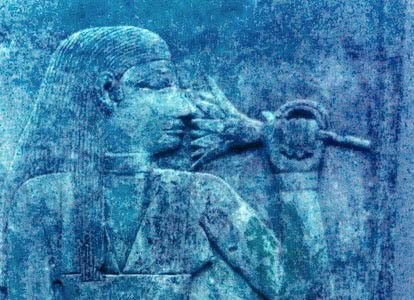
At age 21 she gave birth to Julius Caesar’s child. The boy was named Ptolemy XV Caesar, but he became widely known as Caesarion — “little Caesar.” Cleopatra was remarkably strategic about ensuring he was understood to be Caesar’s son. Across Egypt she commissioned temple reliefs depicting herself and Caesarion as a divine mother and child, reinforcing the idea that he was the offspring of a god-like ruler. She also travelled to Rome with the infant and lived in Caesar’s villa across the Tiber between 46 and 44 BC, a bold and highly visible presence in the Roman capital. Her appearances with the child were a clear signal to Rome’s elite about his parentage.
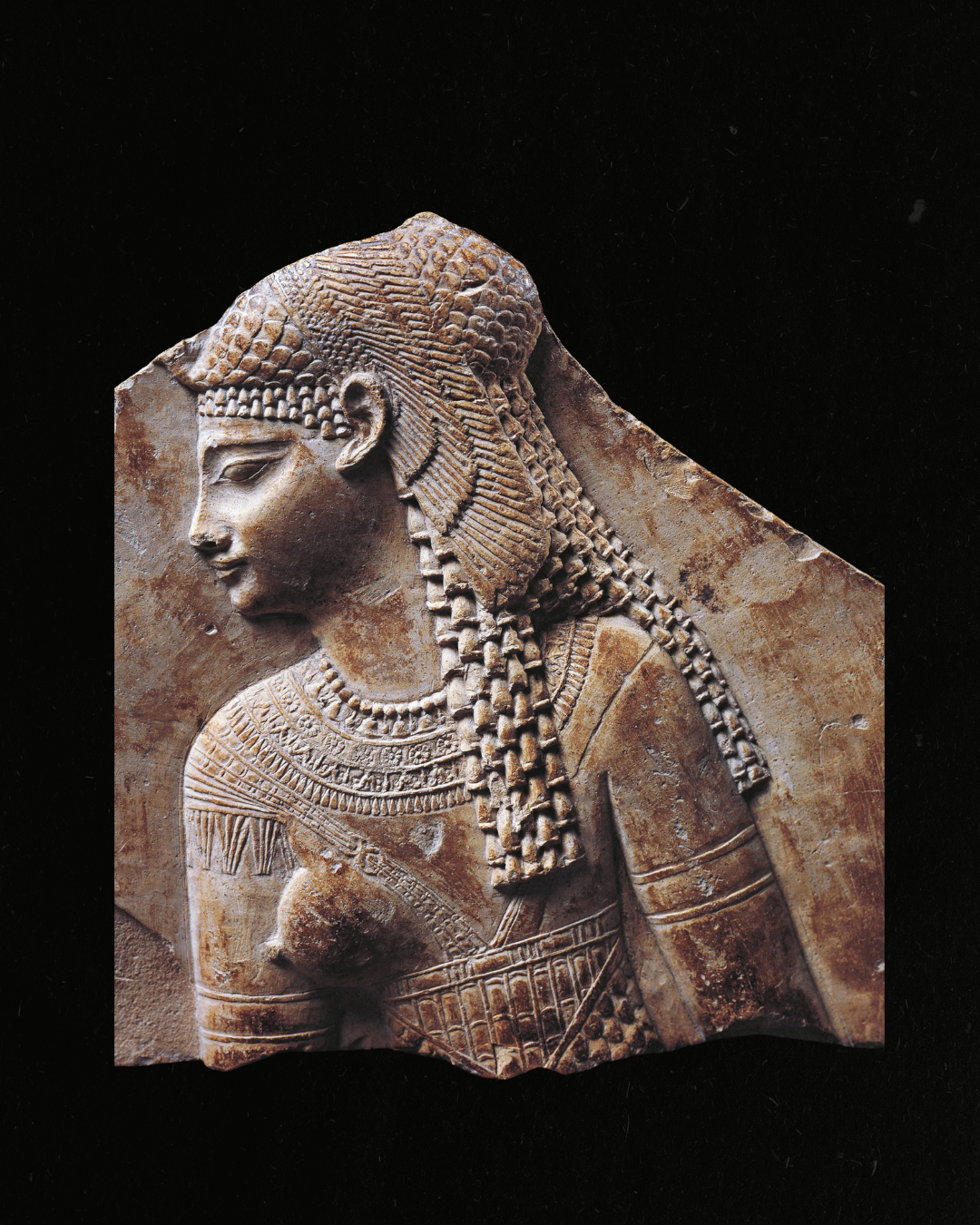
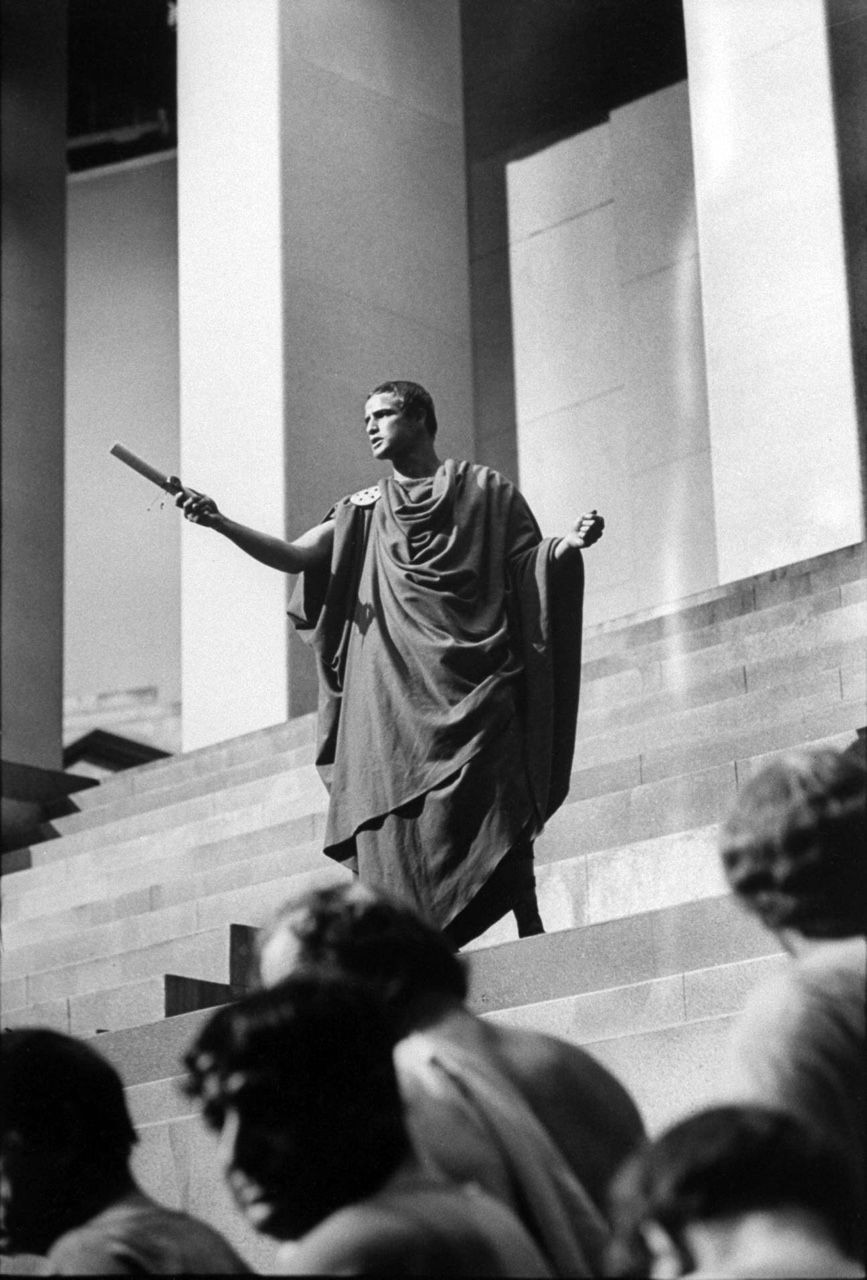
When Julius Caesar was murdered on the Ides of March in 44 BC, Cleopatra was actually in Rome. As soon as she heard the news, she gathered her young son and left the city, returning quickly to Alexandria. With Caesar dead, the protection he offered vanished overnight, and Cleopatra knew the child claiming to be his son could be in grave danger. Some speculate that Cleopatra may even have been pregnant with Caesar’s second child at the time of his assassination and experienced a miscarriage during the turmoil that followed, though there is no definitive evidence for this.
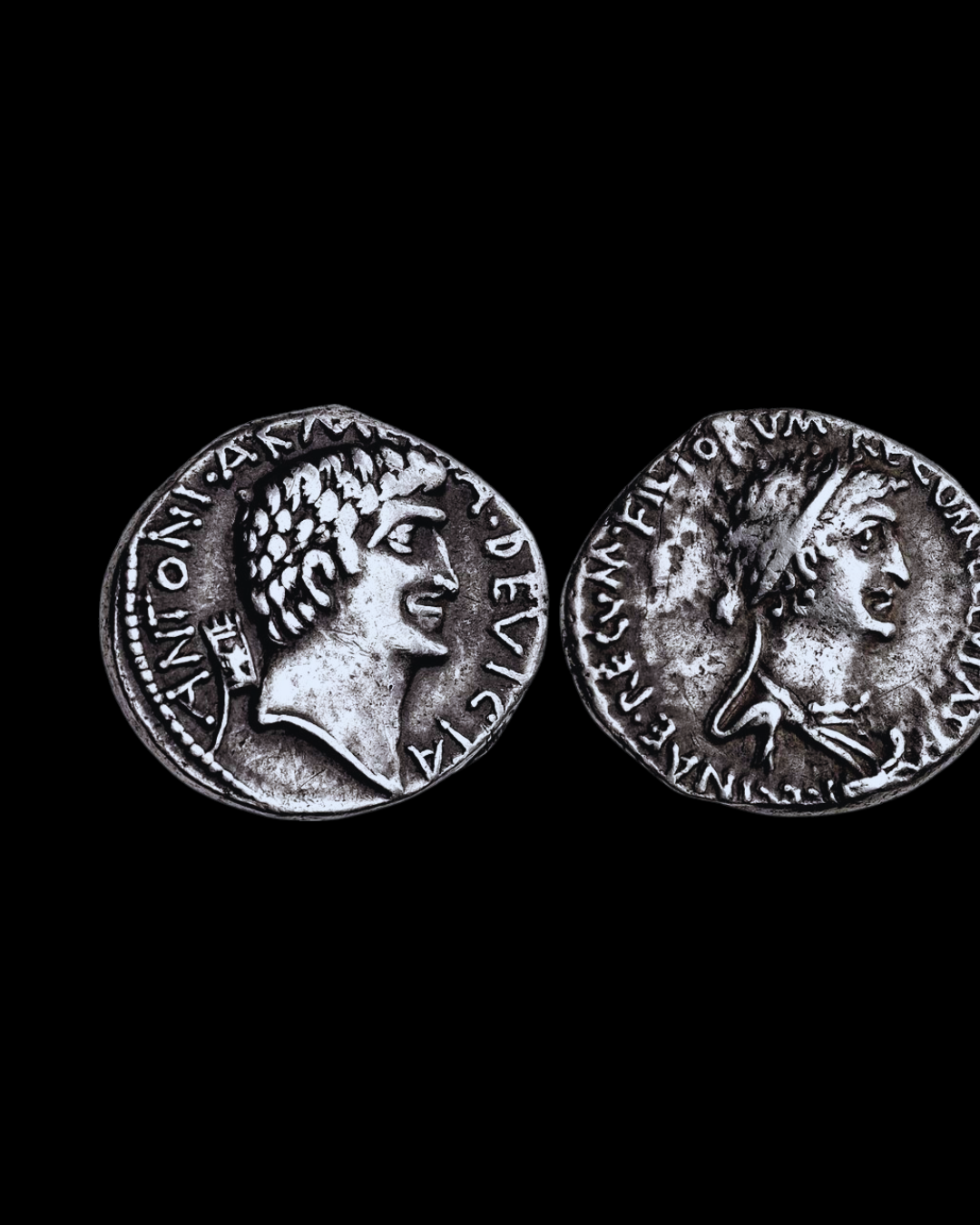
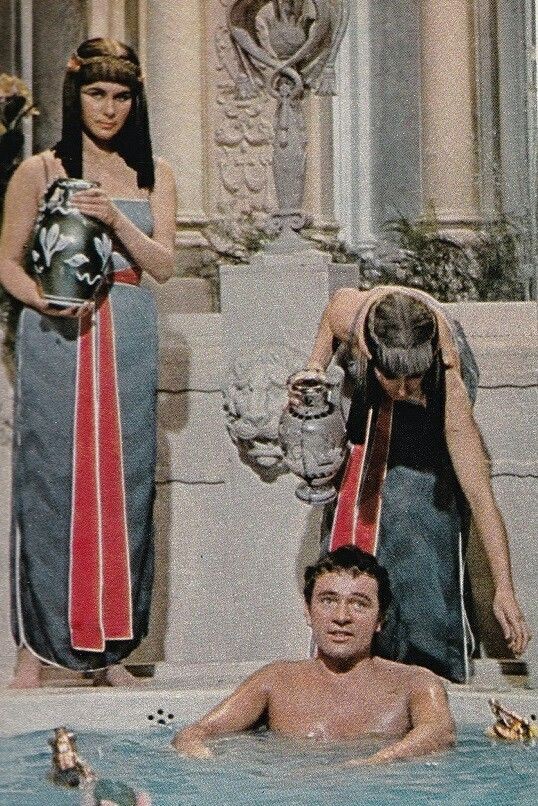
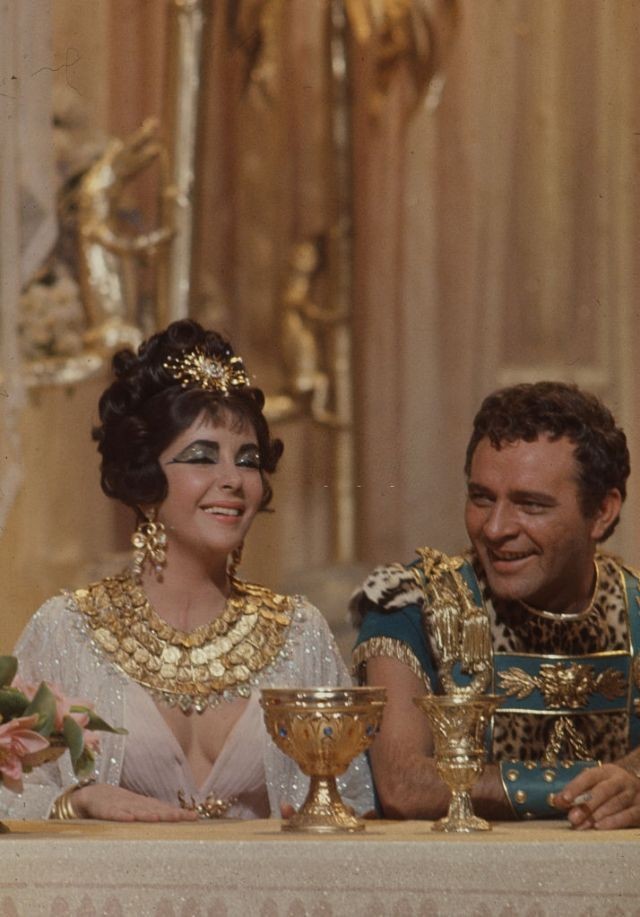
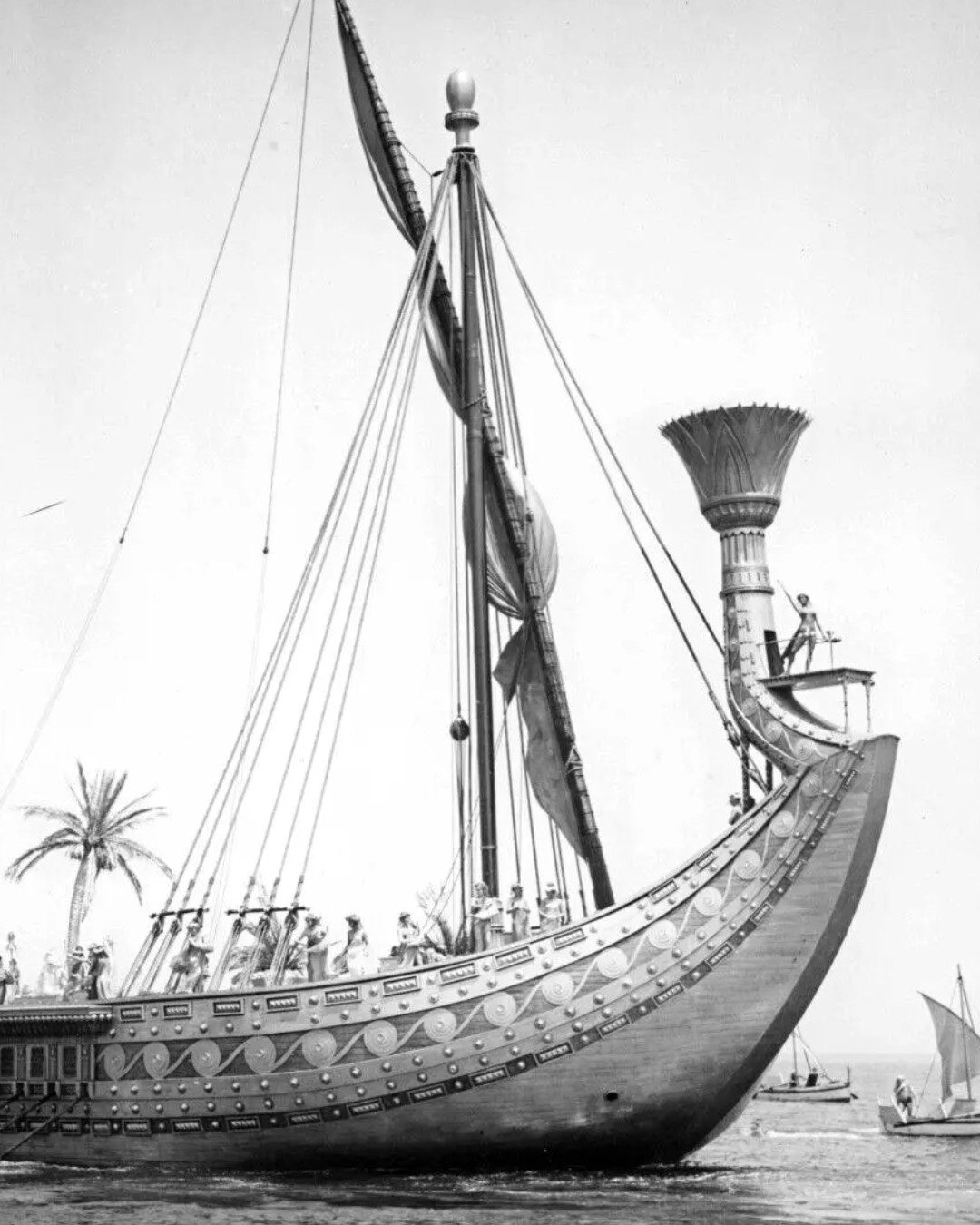
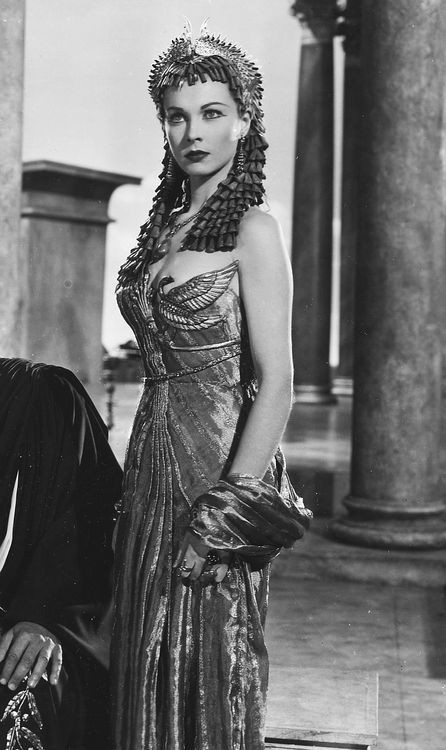
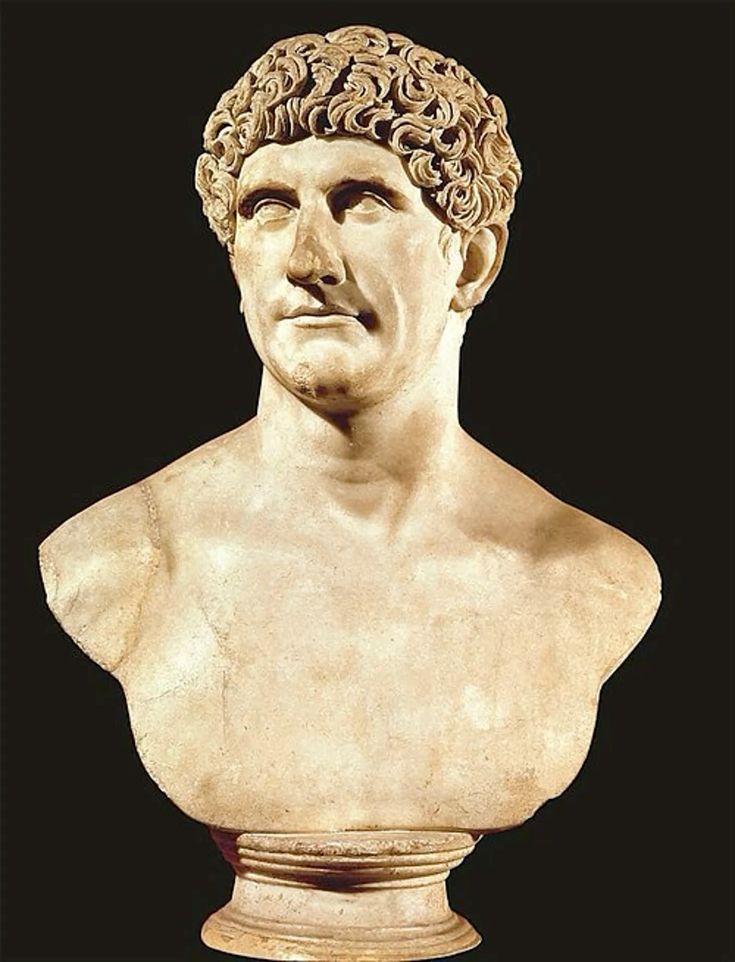
After Caesar’s death, Mark Antony summoned Cleopatra to meet him in Tarsus in 41 BC to secure her loyalty. Cleopatra arrived in extraordinary style, sailing up the river on a gilded barge dressed as the goddess Isis. The meeting quickly turned into one of history’s most famous political romances. Antony followed her back to Alexandria, where they spent the winter together in a whirlwind of feasts and spectacle.
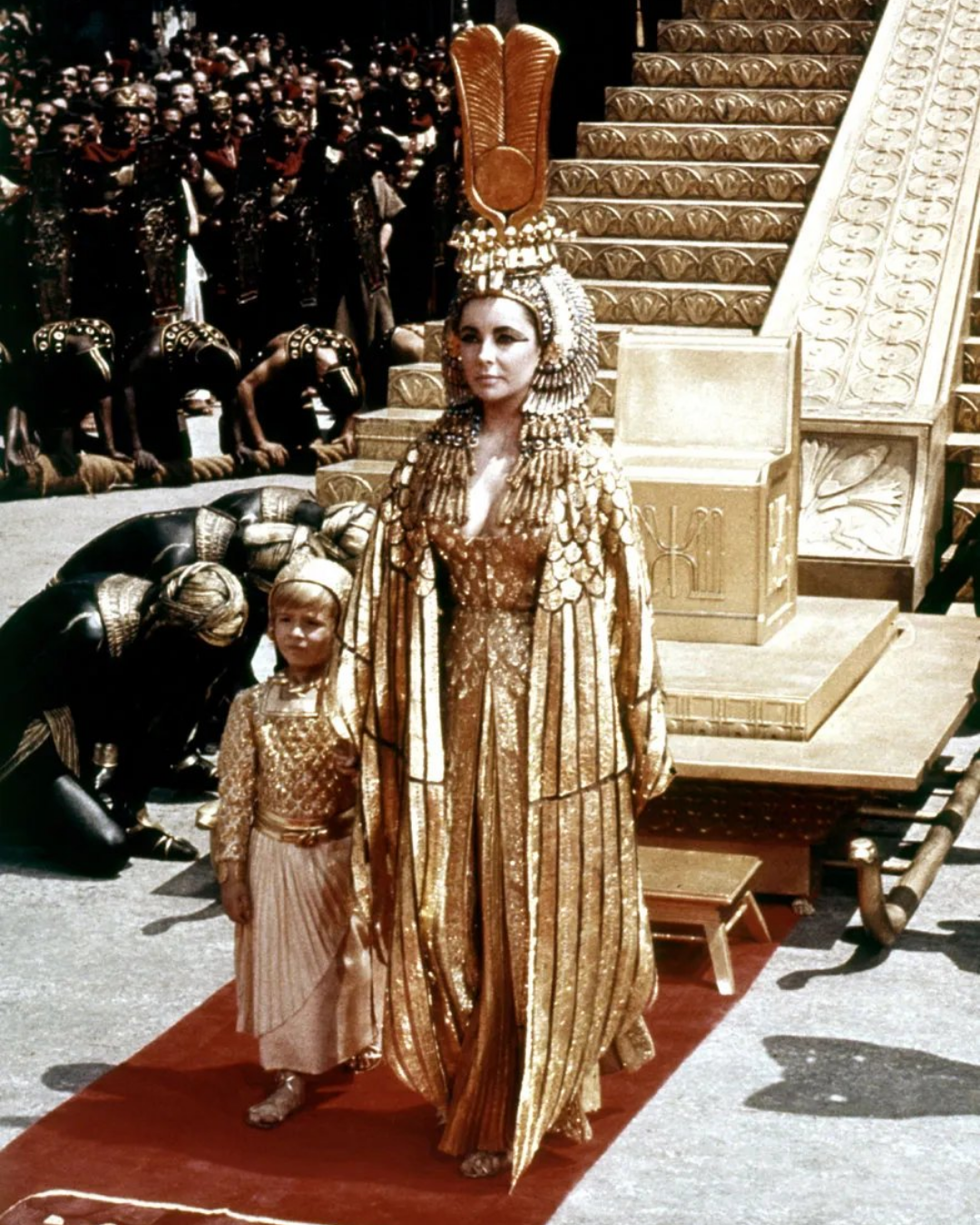
After this winter in Alexandria, Cleopatra gave birth to twins by Antony at the age of 29: Alexander Helios and Cleopatra Selene. Their names — the sun and the moon — reflected Cleopatra’s flair for symbolism. A few years later she gave birth to her final child, Ptolemy Philadelphus. By this point Cleopatra was raising not one heir but an entire small dynasty.
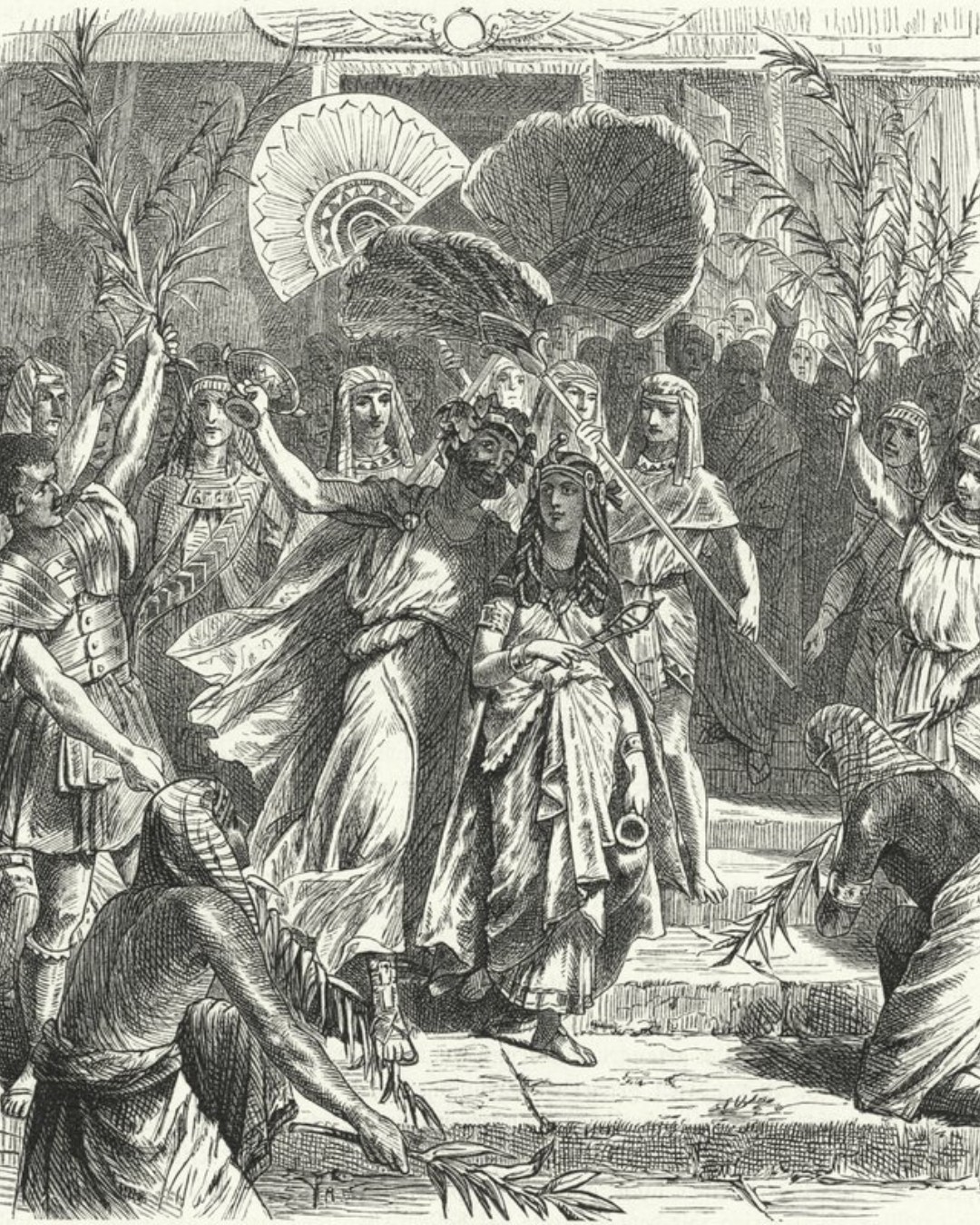
One of the most extraordinary moments in her life as a mother came in 34 BC during the Donations of Alexandria. As a mother aiming to protect her children’s future, she convinced Antony to give her what might be the greatest Mother’s Day gift in history. In a spectacular public ceremony in Alexandria, Cleopatra was proclaimed Queen of Kings while Caesarion was declared King of Kings and formally recognised as the son of Julius Caesar. The younger children were then presented to the crowd dressed in miniature royal regalia and assigned territories across the eastern Mediterranean. It was political theatre on a grand scale — Cleopatra mapping out a future empire through her children.
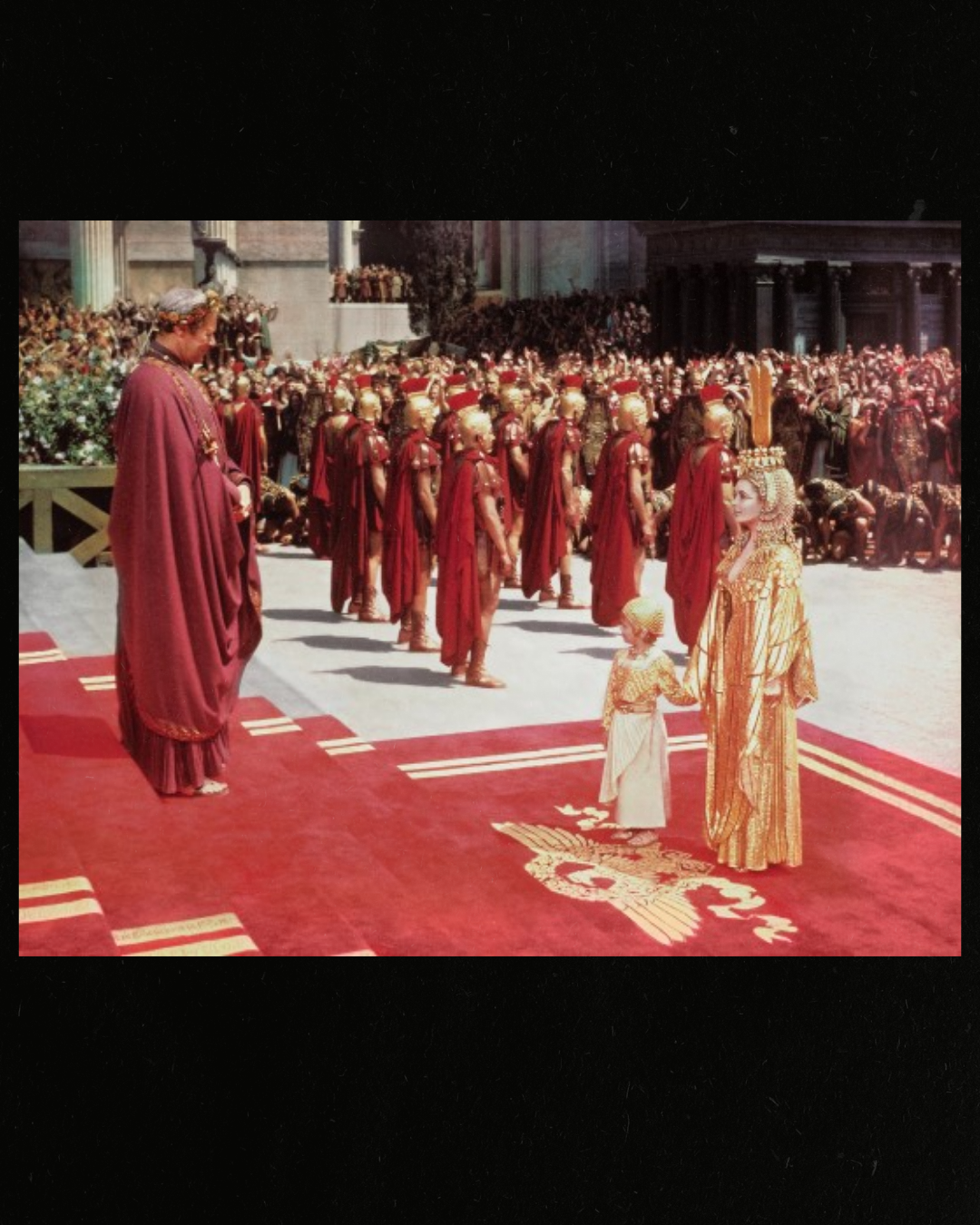
But the performance enraged Rome, particularly Octavian. As he closed in on Cleopatra and Mark Antony, she did everything she could to protect her children, even sending letters to Octavian in an attempt to bargain for their safety. She knew the greatest danger was to Caesarion. As the son of Julius Caesar, he represented a rival claim to power. When defeat became inevitable, Cleopatra sent the teenage Caesarion south from Alexandria with plans for him to escape toward India, far beyond Roman reach. According to ancient accounts, however, he was betrayed by his tutor, who convinced him to return, promising that Octavian would spare him. It was a fatal mistake. Caesarion was captured and executed.
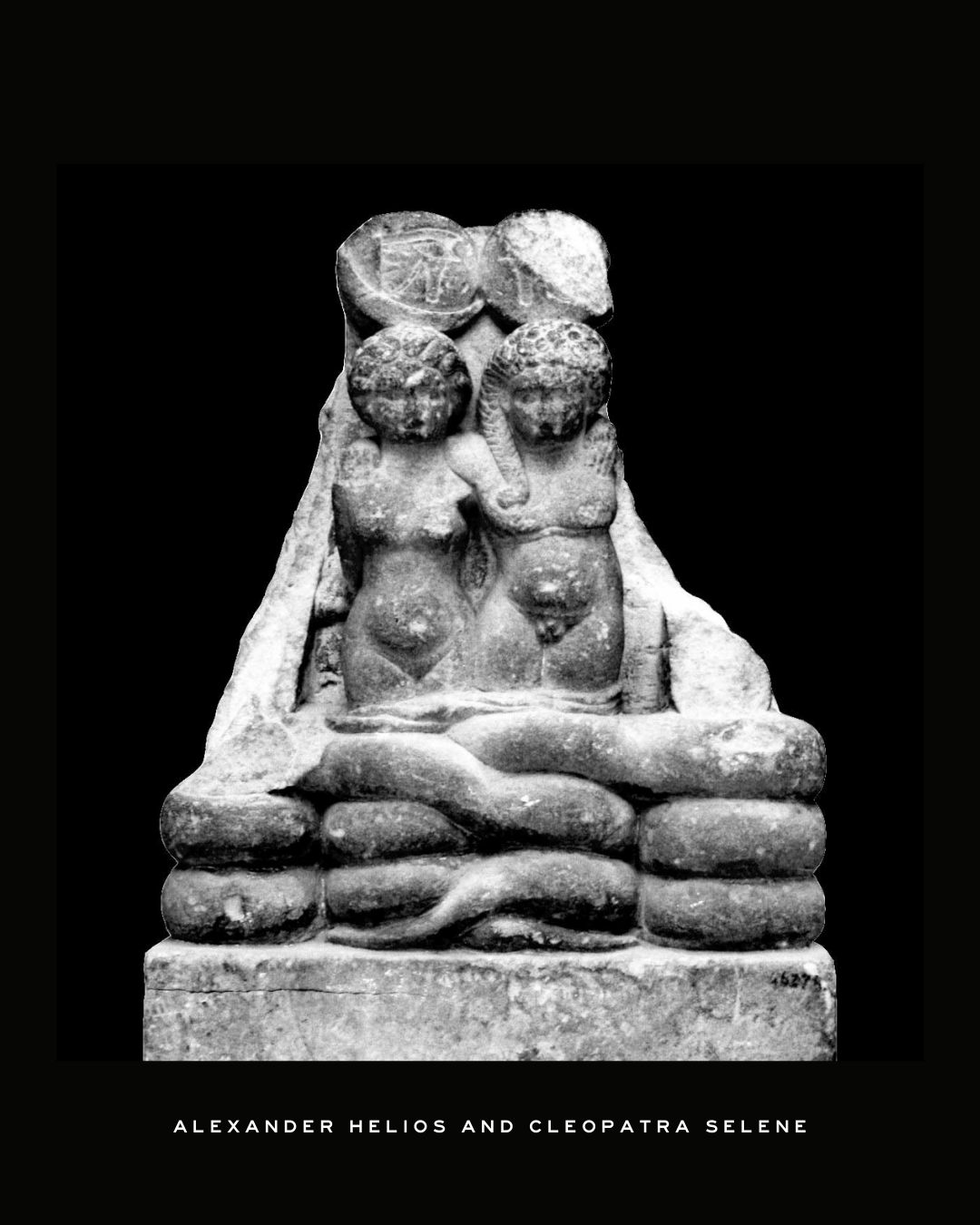
After Cleopatra’s death in 30 BC, the other three children — Alexander Helios, Cleopatra Selene and Ptolemy Philadelphus — were taken to Rome and raised in the household of Octavia, Mark Antony’s former wife and the sister of Octavian. In one of history’s quieter ironies, the children of Cleopatra were brought up by the woman their father had left for her. Octavia was known for her dignity and generosity, and ancient sources suggest she raised the children alongside her own, giving them a stable Roman upbringing.
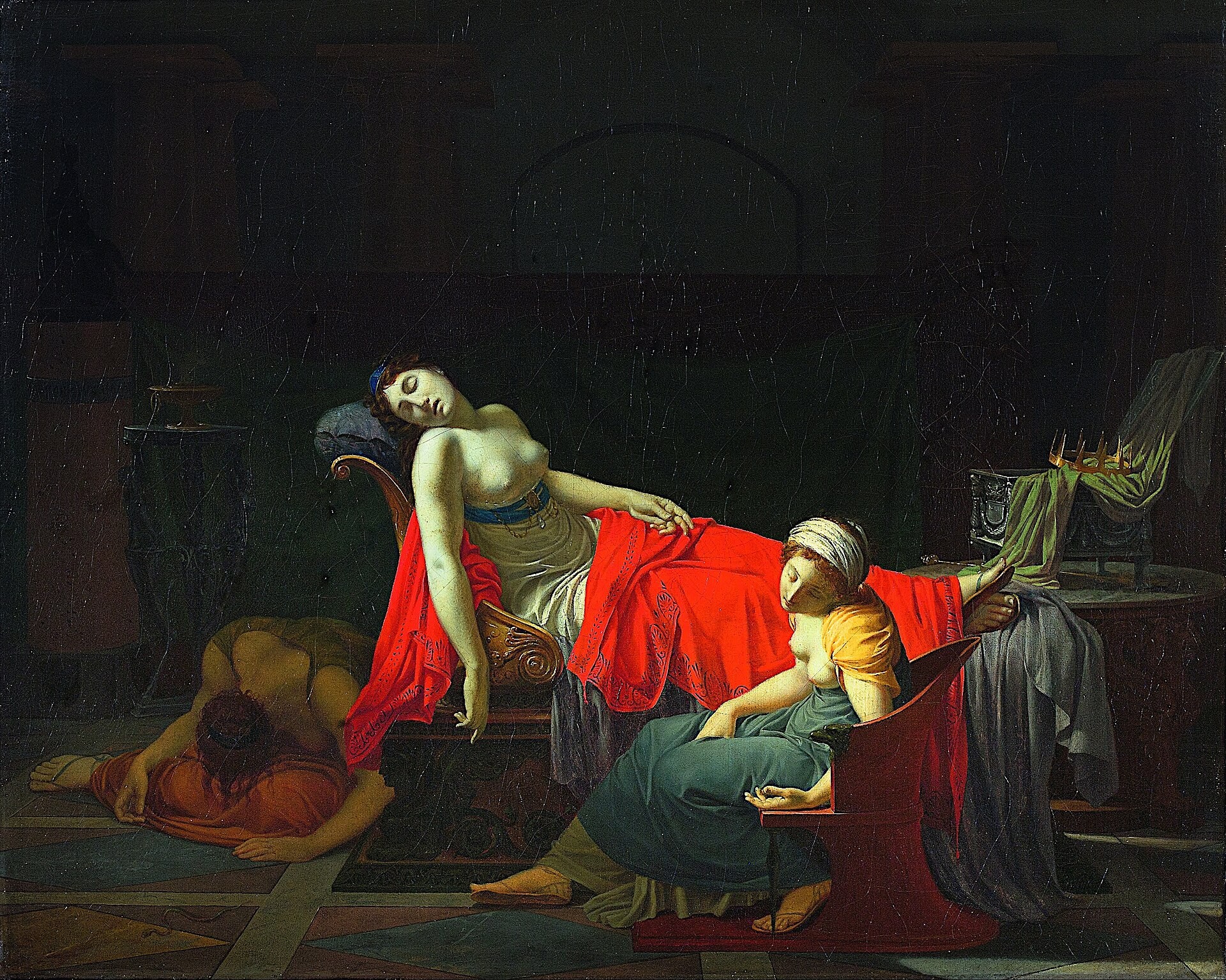
Cleopatra had done everything she could to protect them. In the end, only one of her children would carry her story forward. Cleopatra Selene later married King Juba II of Mauretania and became a respected queen in her own right, ruling a sophisticated North African court that blended Egyptian, Greek and Roman culture. Rome may have defeated Cleopatra, but through her daughter, a trace of her dynasty — and her ambition — survived.