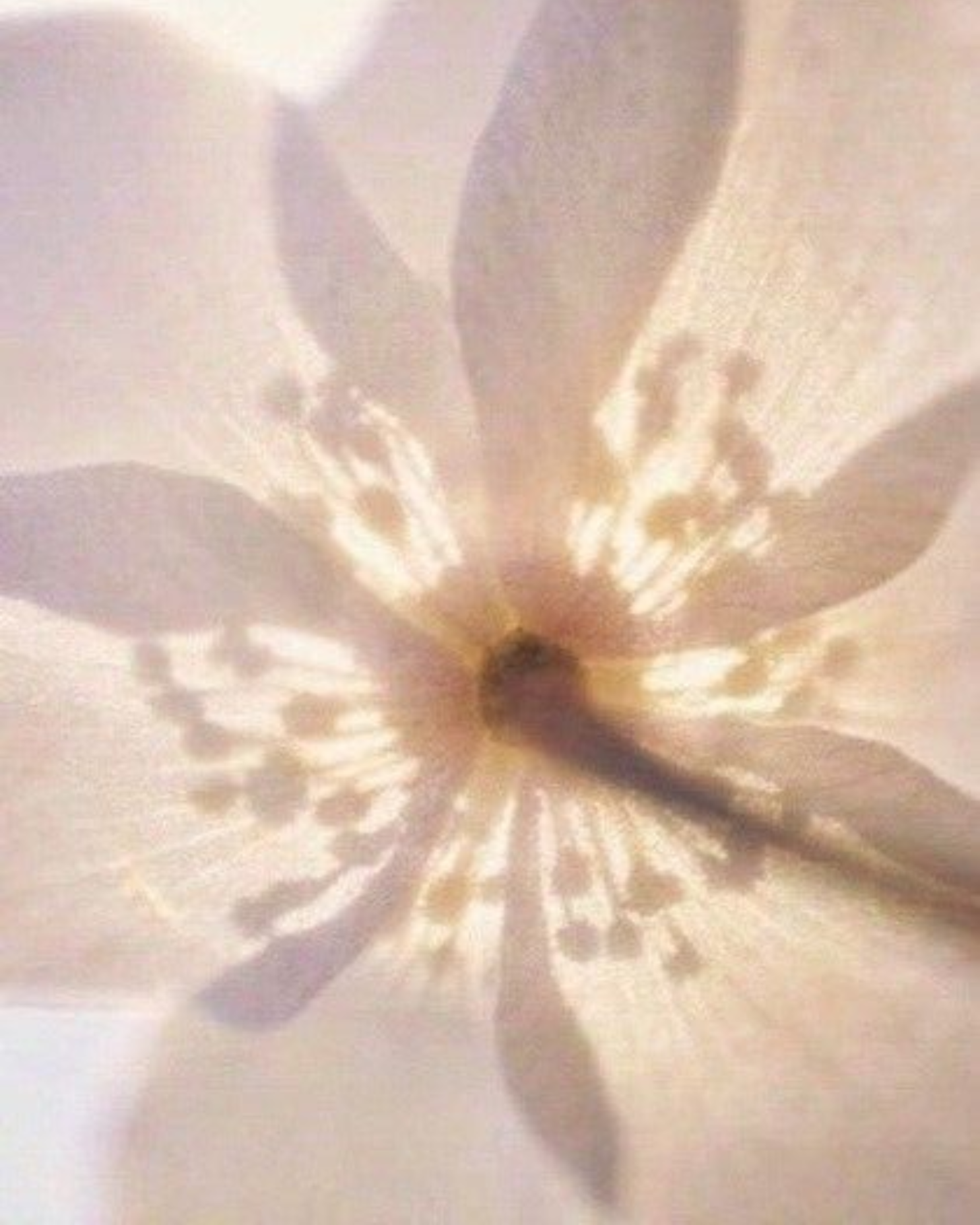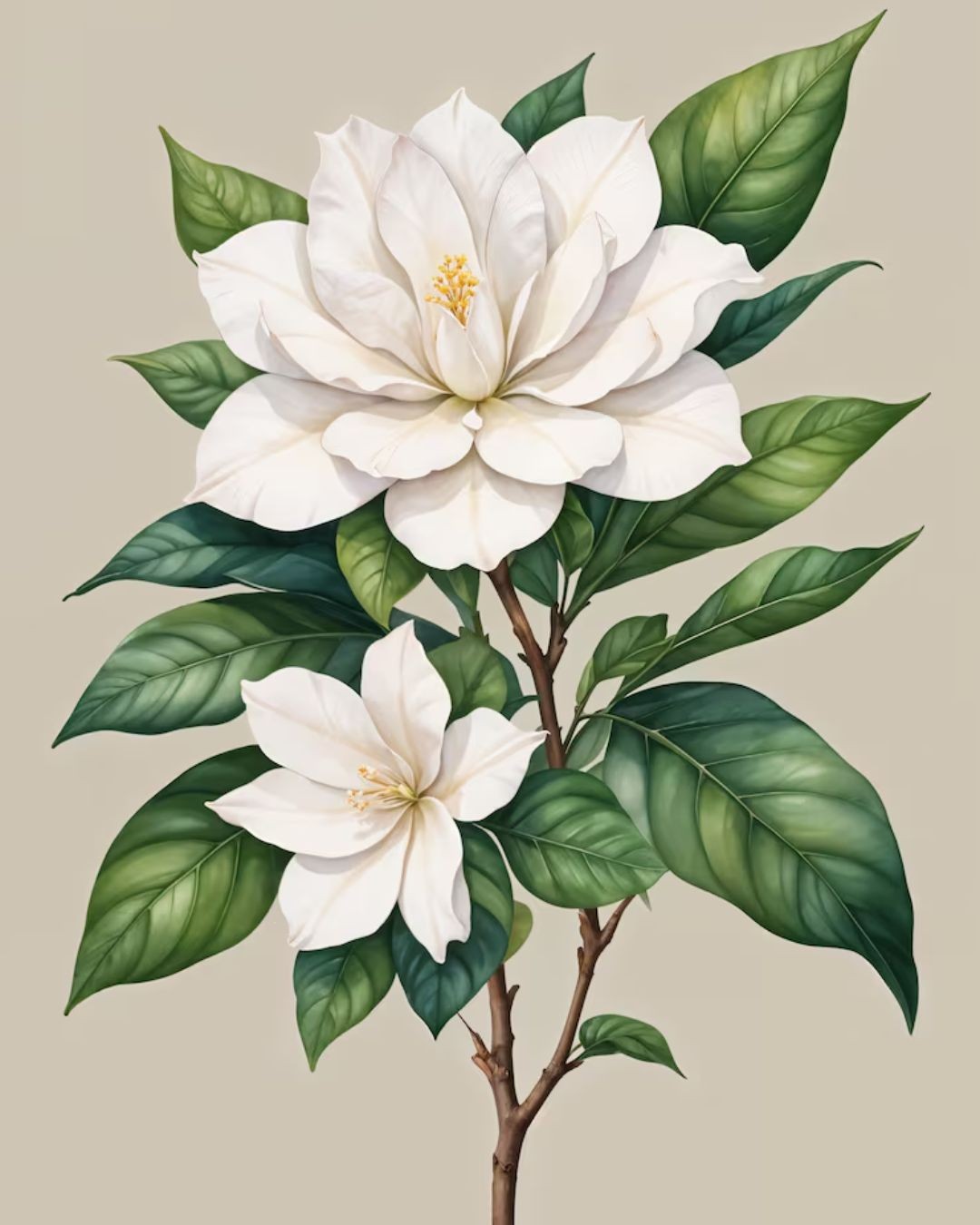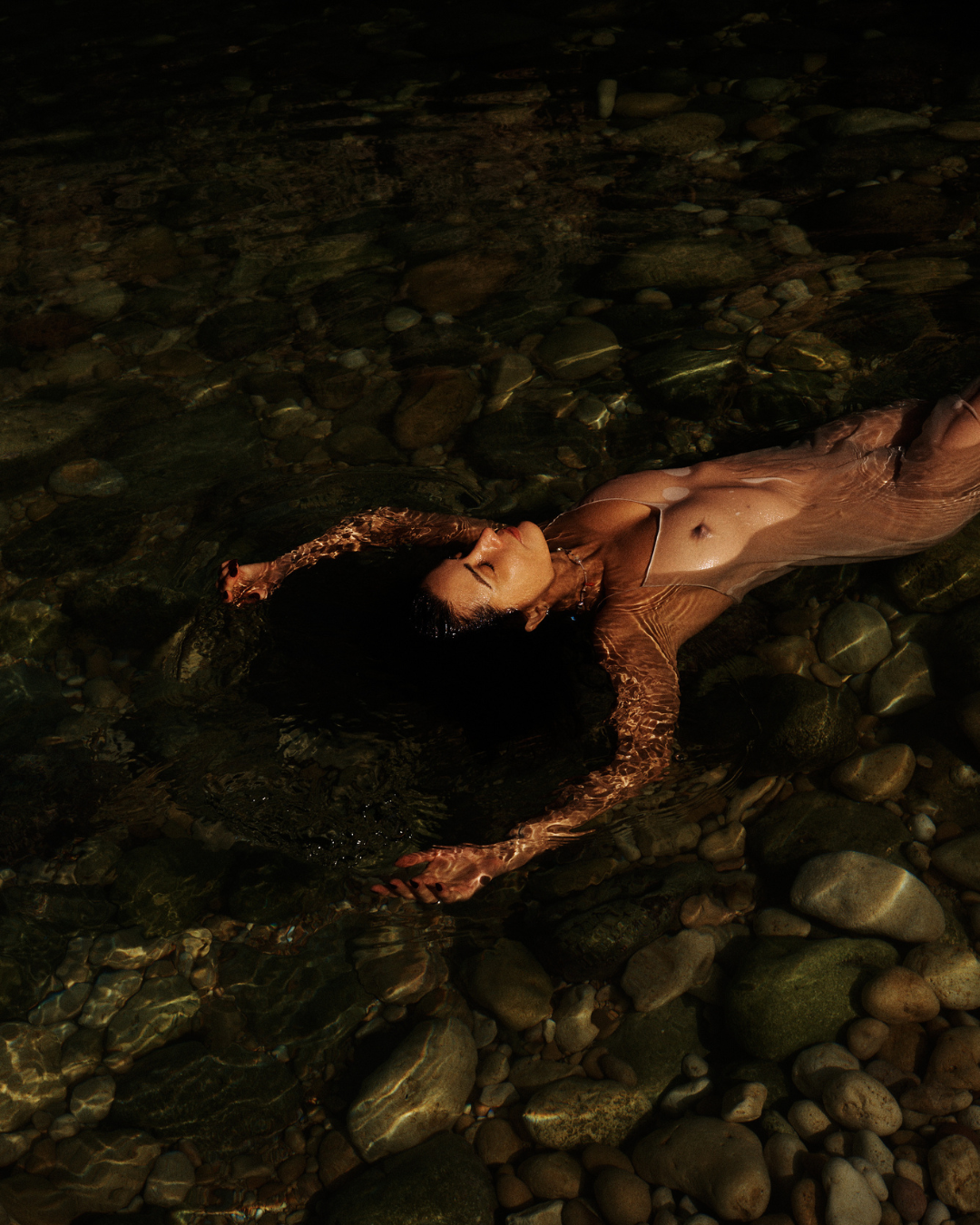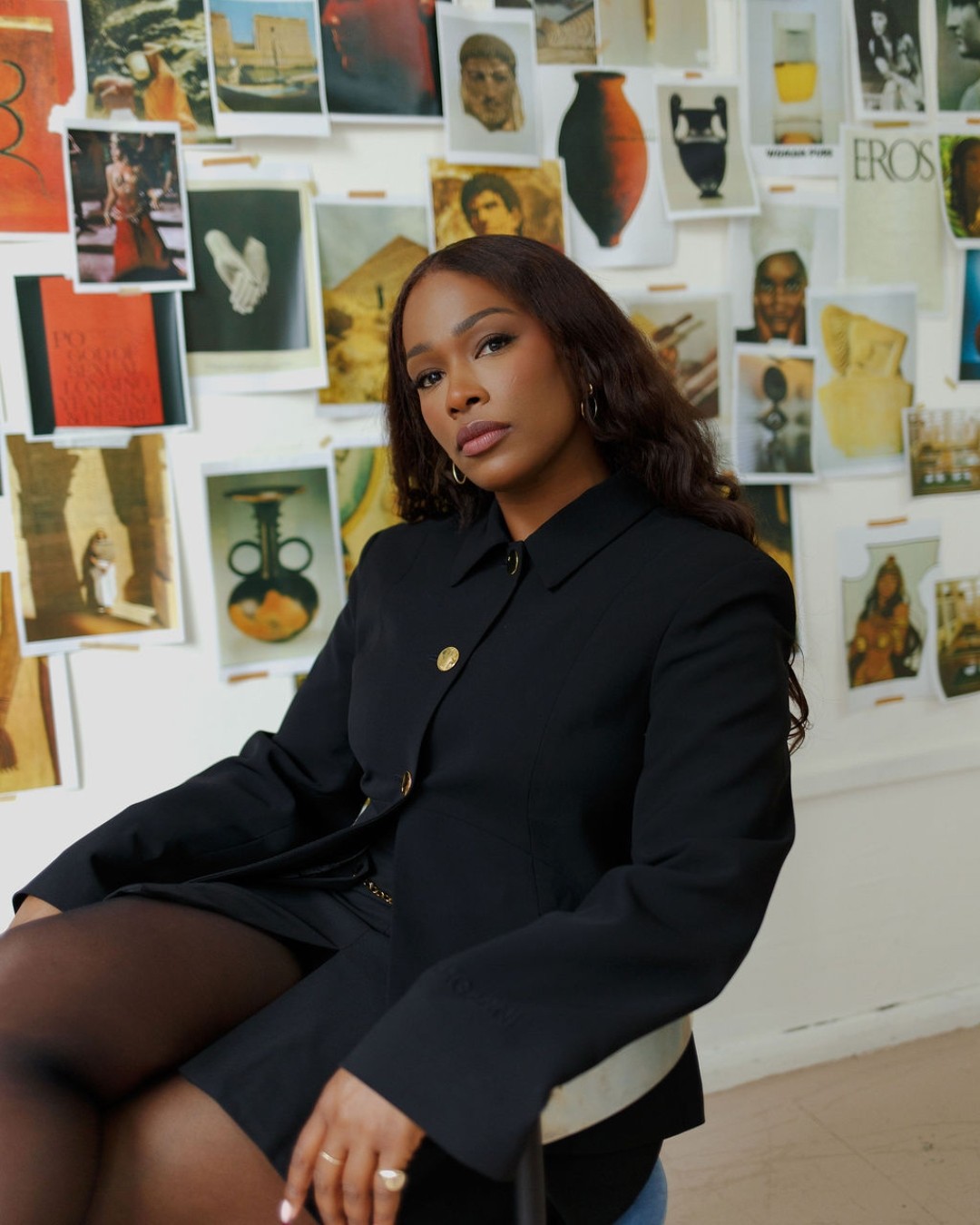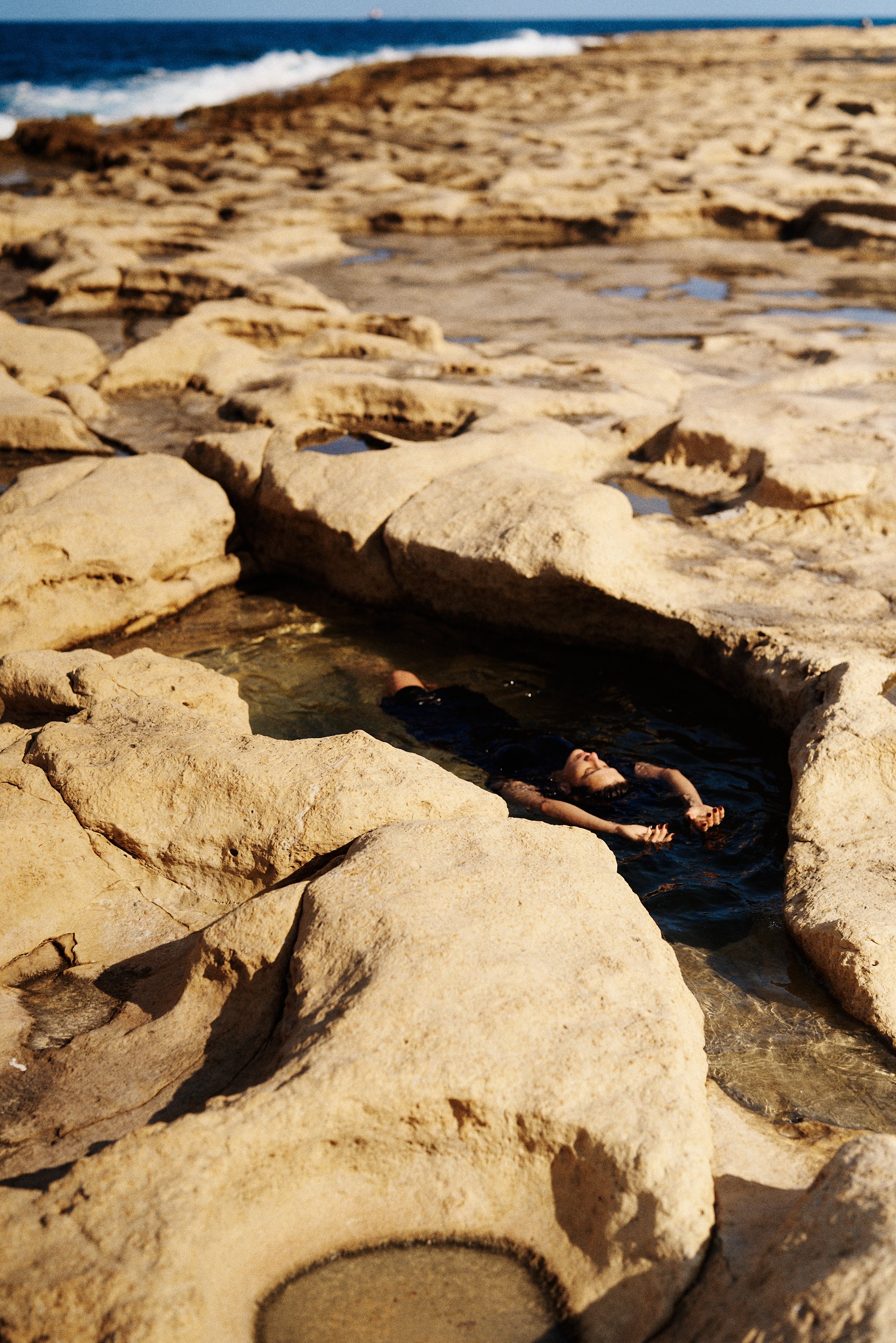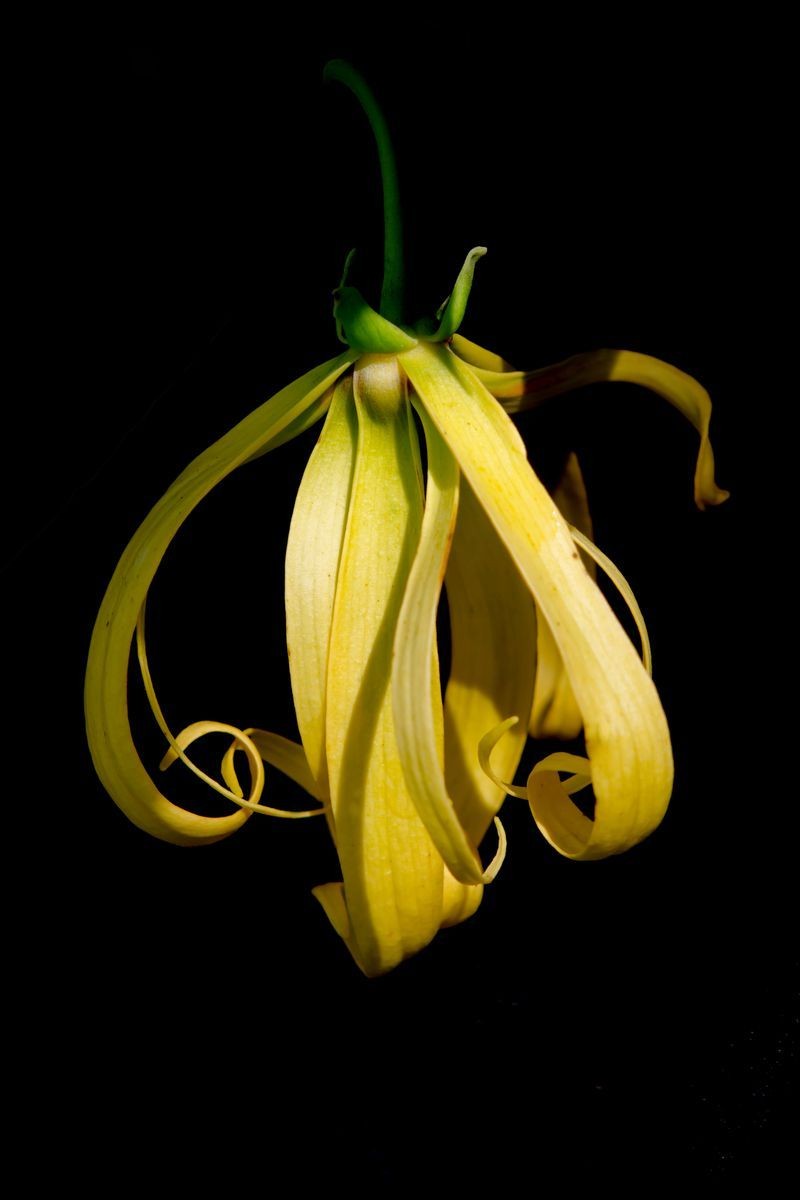
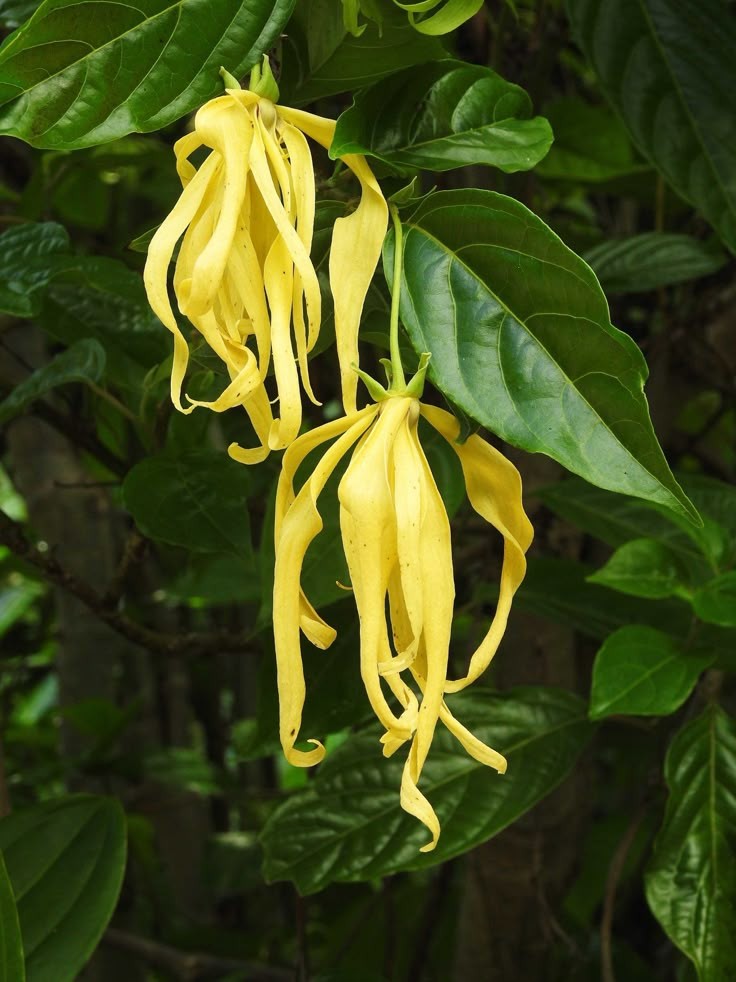
Ylang-ylang is a flower of distinction.
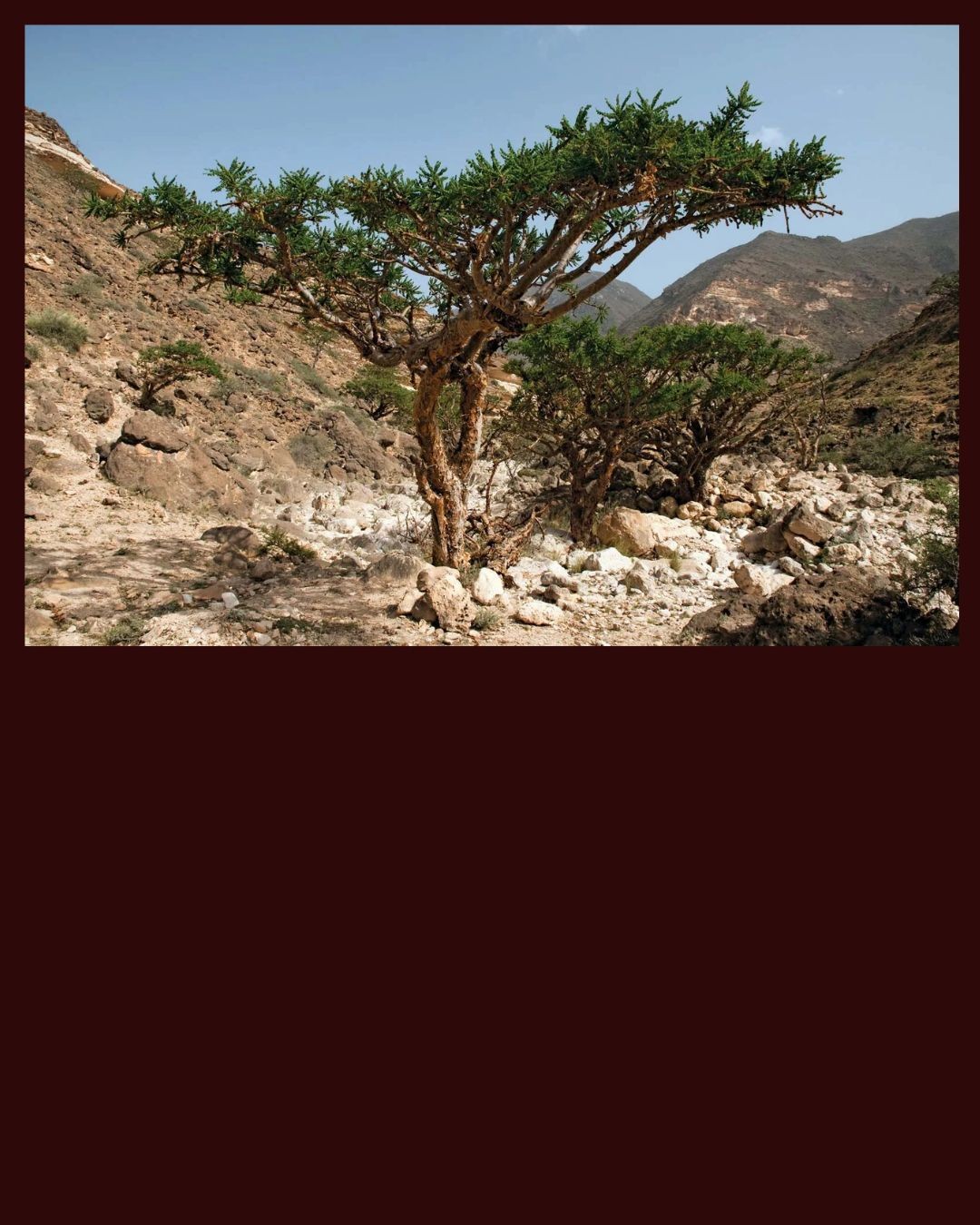
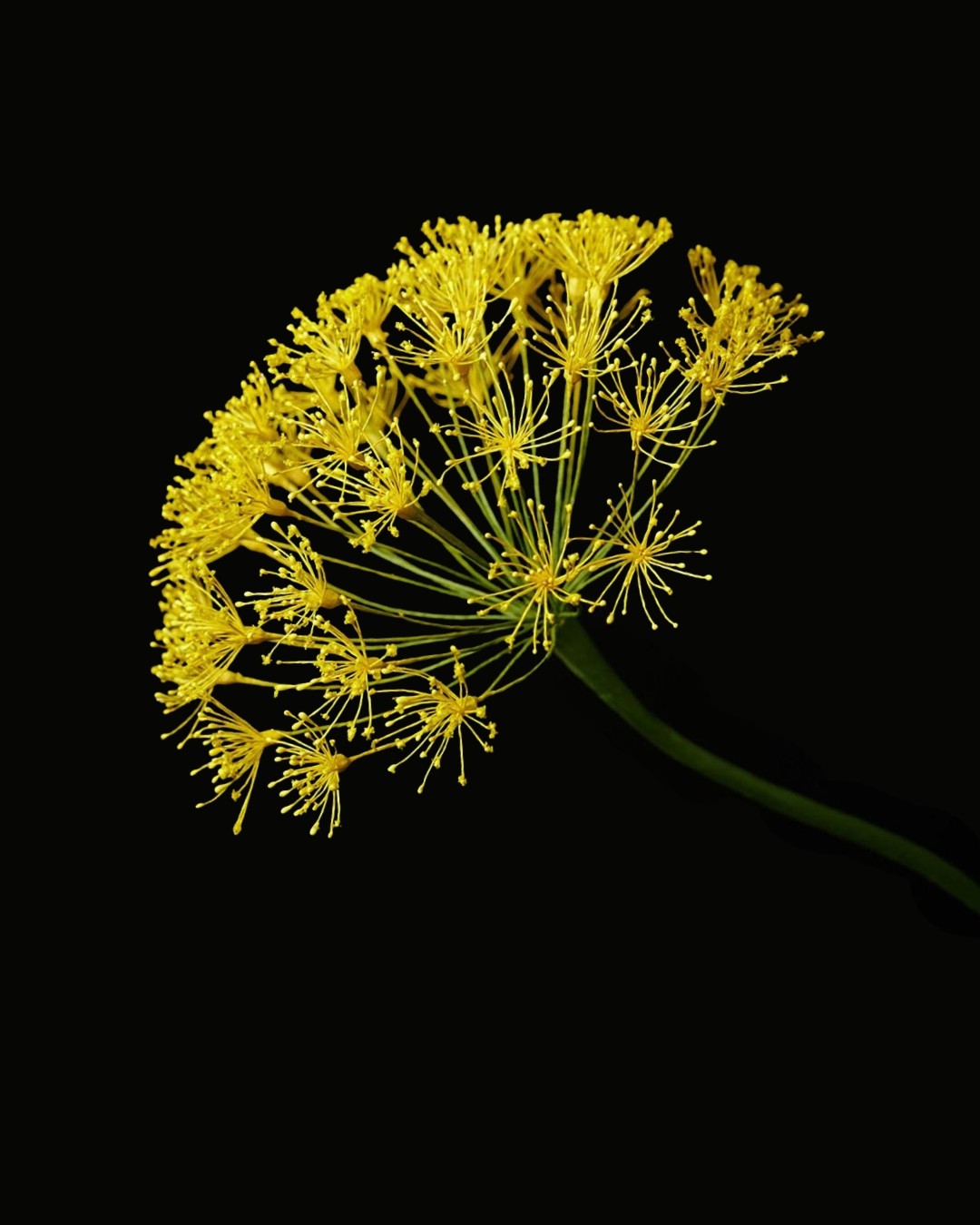
Distillers in the Philippines move through the trees at dawn with clinical precision, selecting only the blossoms that opened in the night. Timing is everything — the window is hours, not days. The oil captured in those early hours carries a quality that nothing harvested later can replicate.
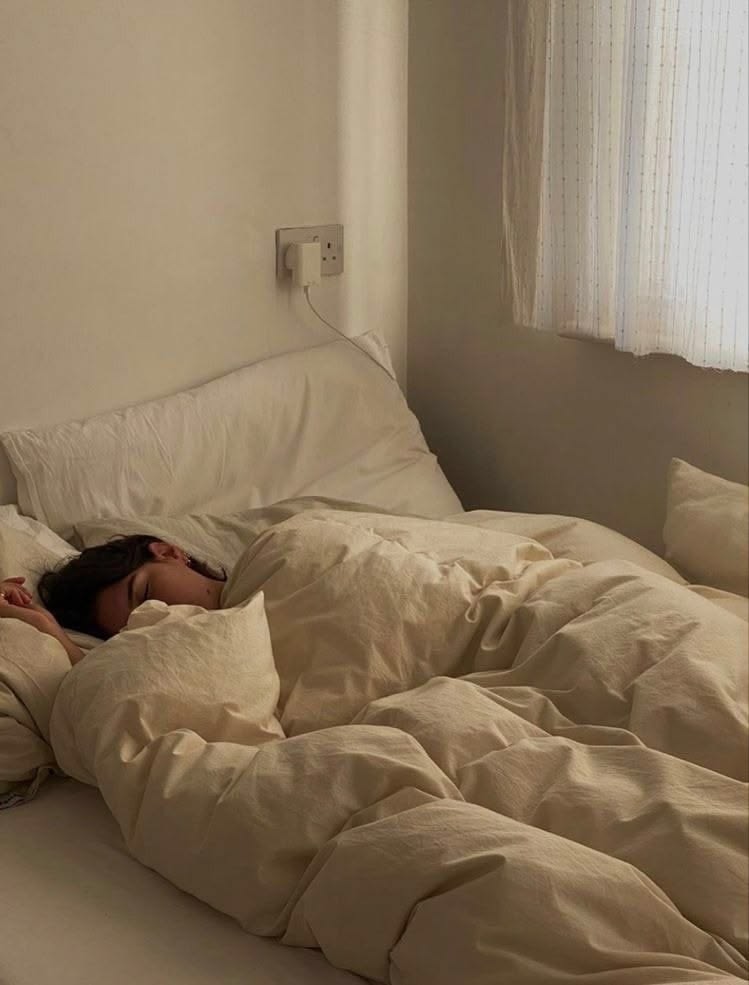
What emerges is floral, yes, but with an undertone that makes you lean closer. Creamy. Almost narcotic. The kind of warmth that settles on skin and refuses to leave.
Indonesian brides have known this for centuries. They scatter ylang-ylang petals in their marriage beds, weave the oil into their hair — the scent that follows them down temple aisles carrying promises the uninitiated can't quite name. French apothecaries during the Revolution prescribed it for racing hearts, for nerves frayed by uncertainty. The oil that steadied falling empires.
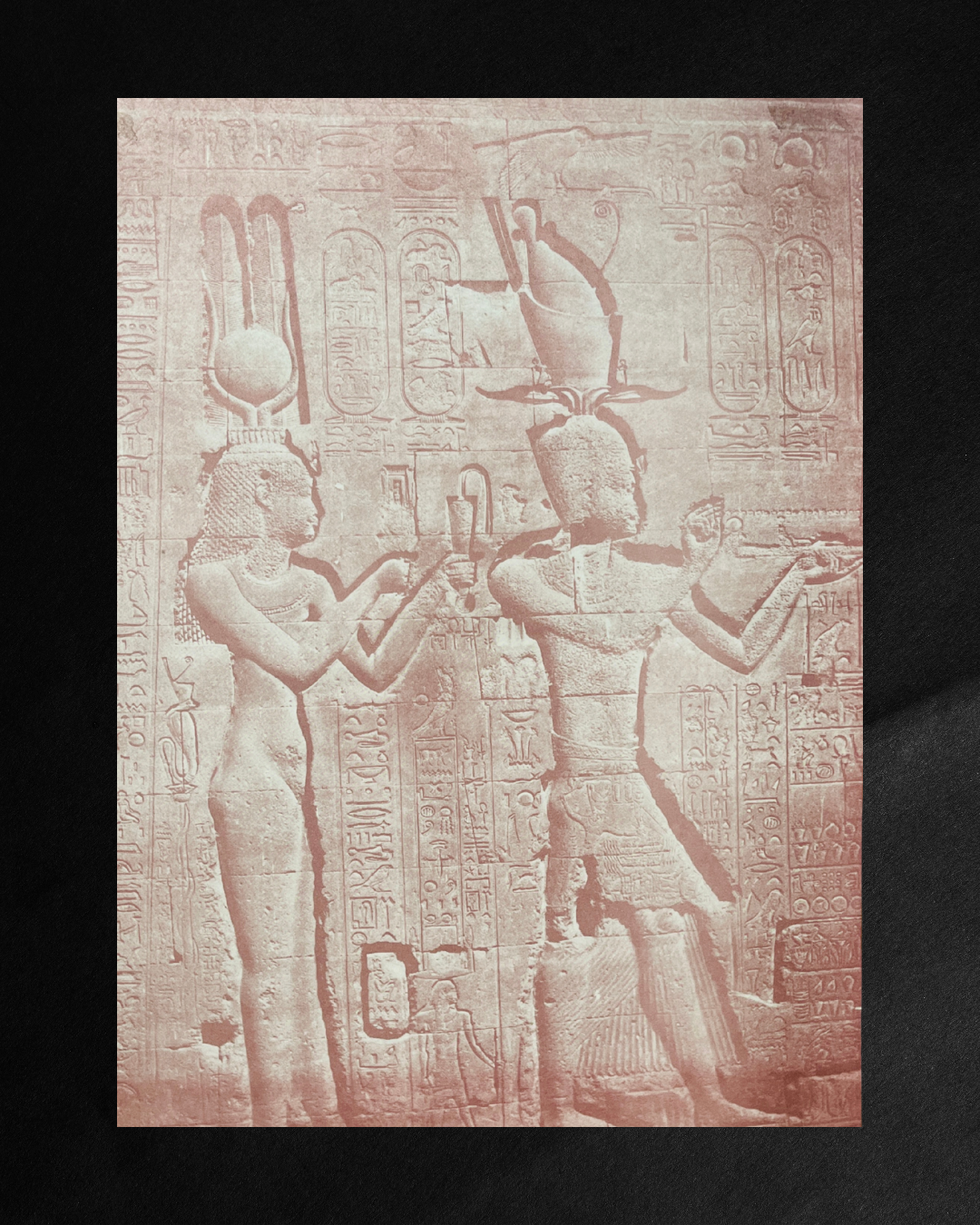
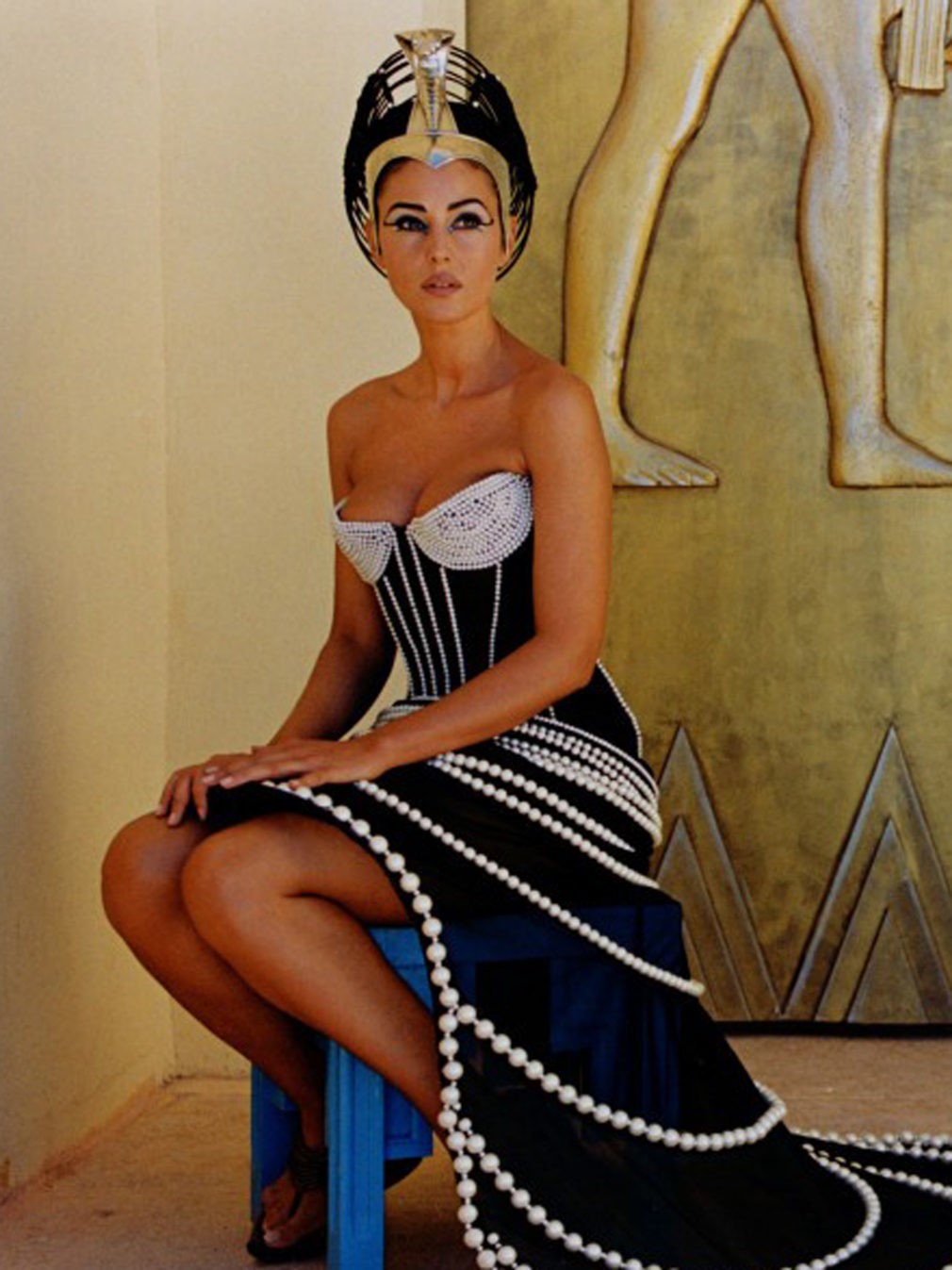
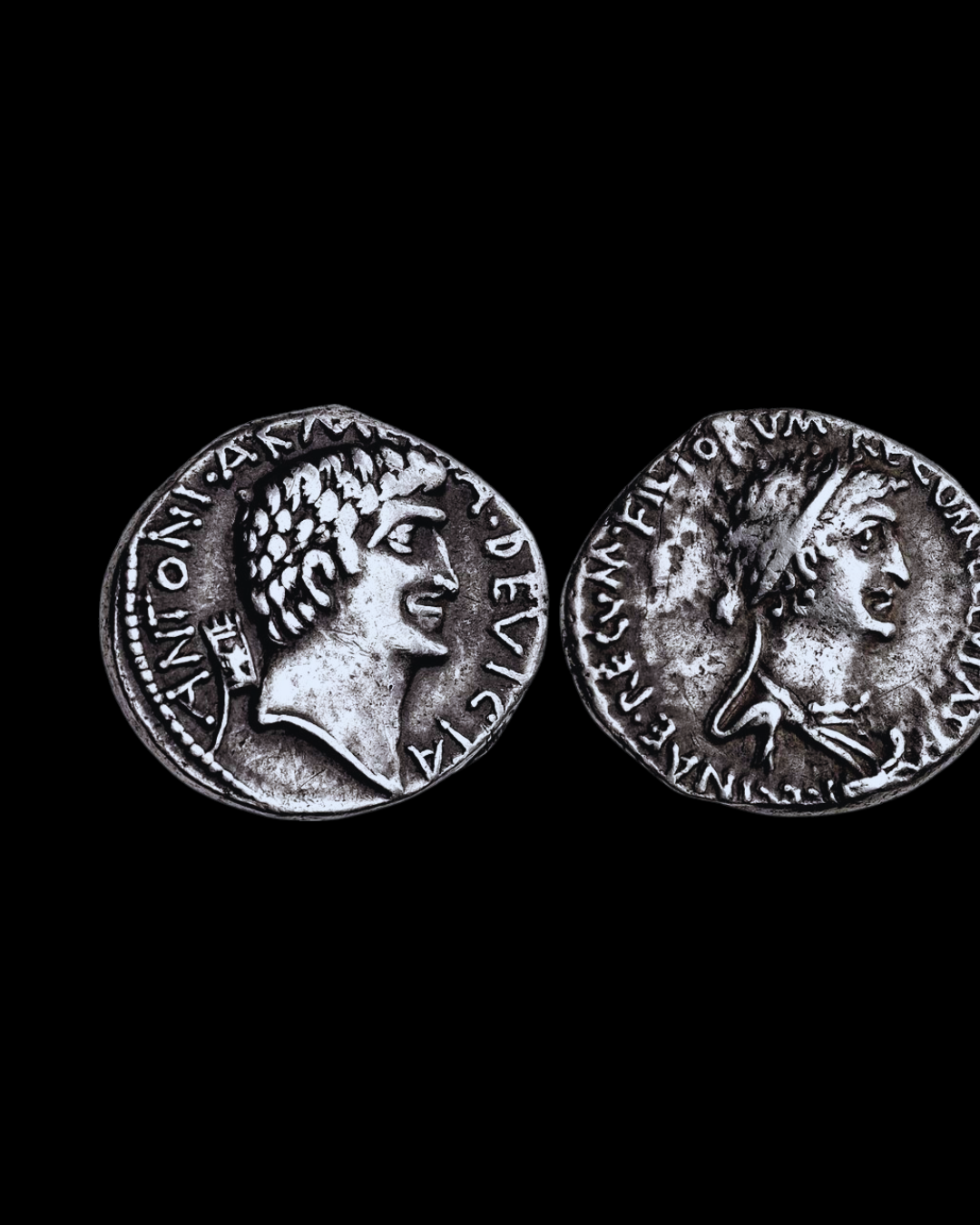
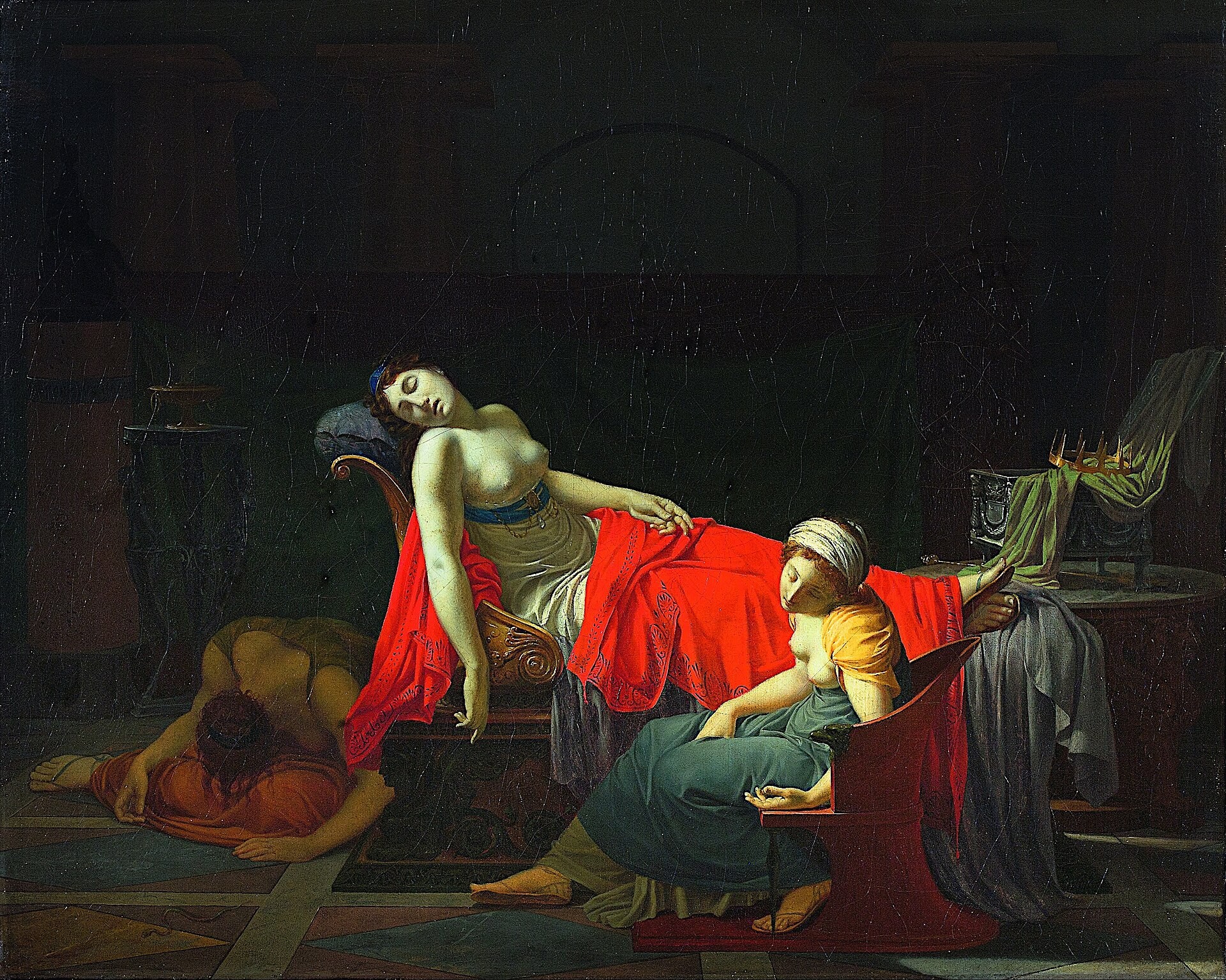
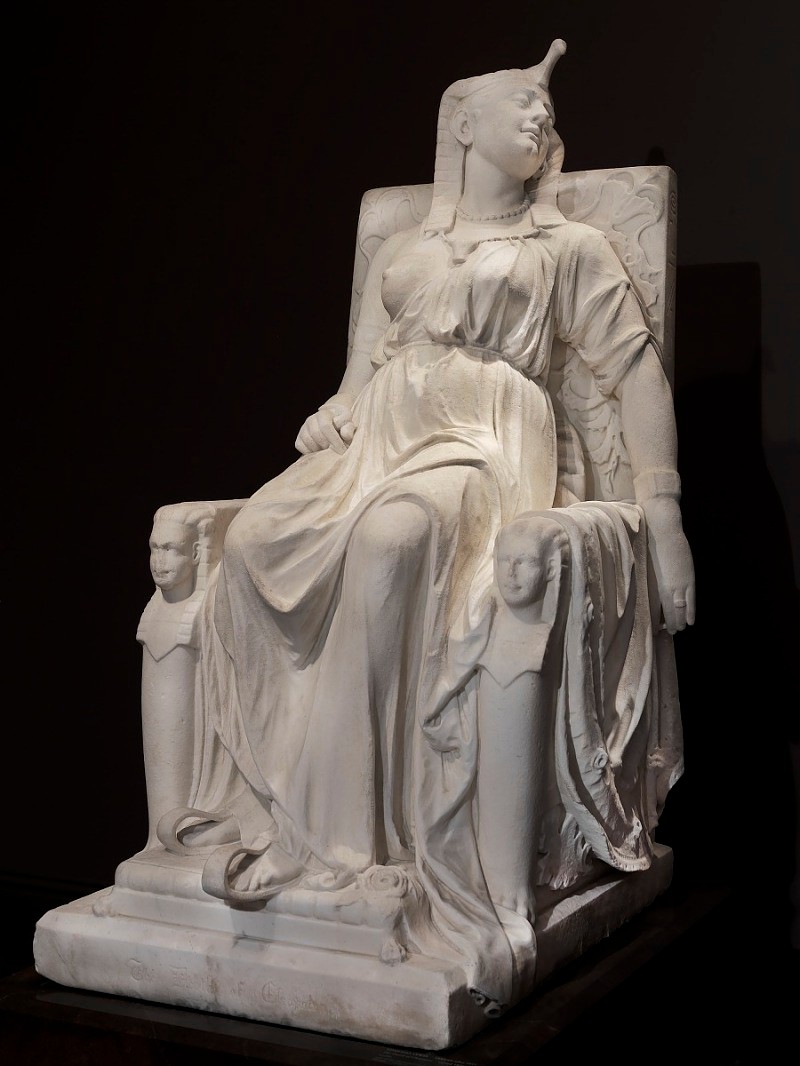
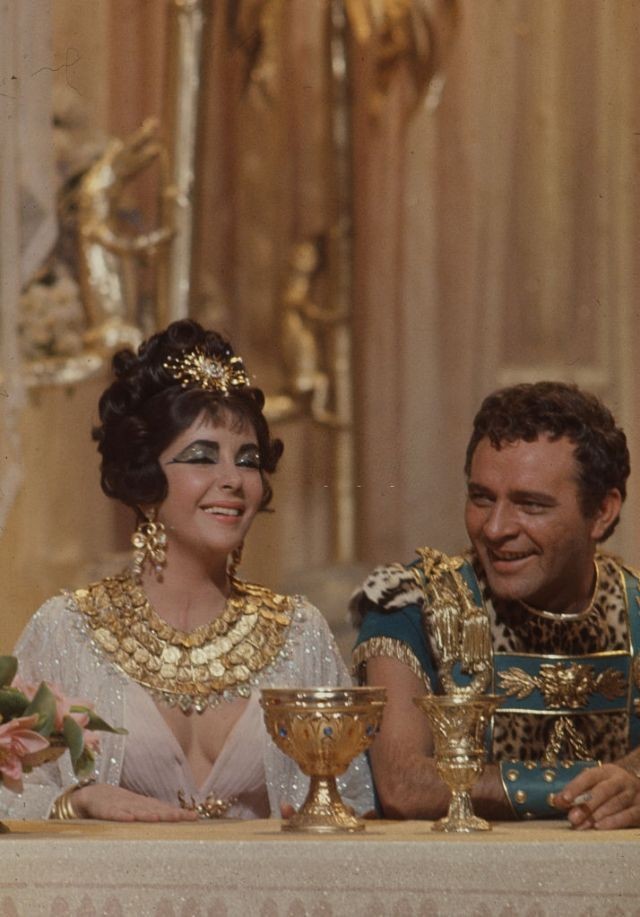
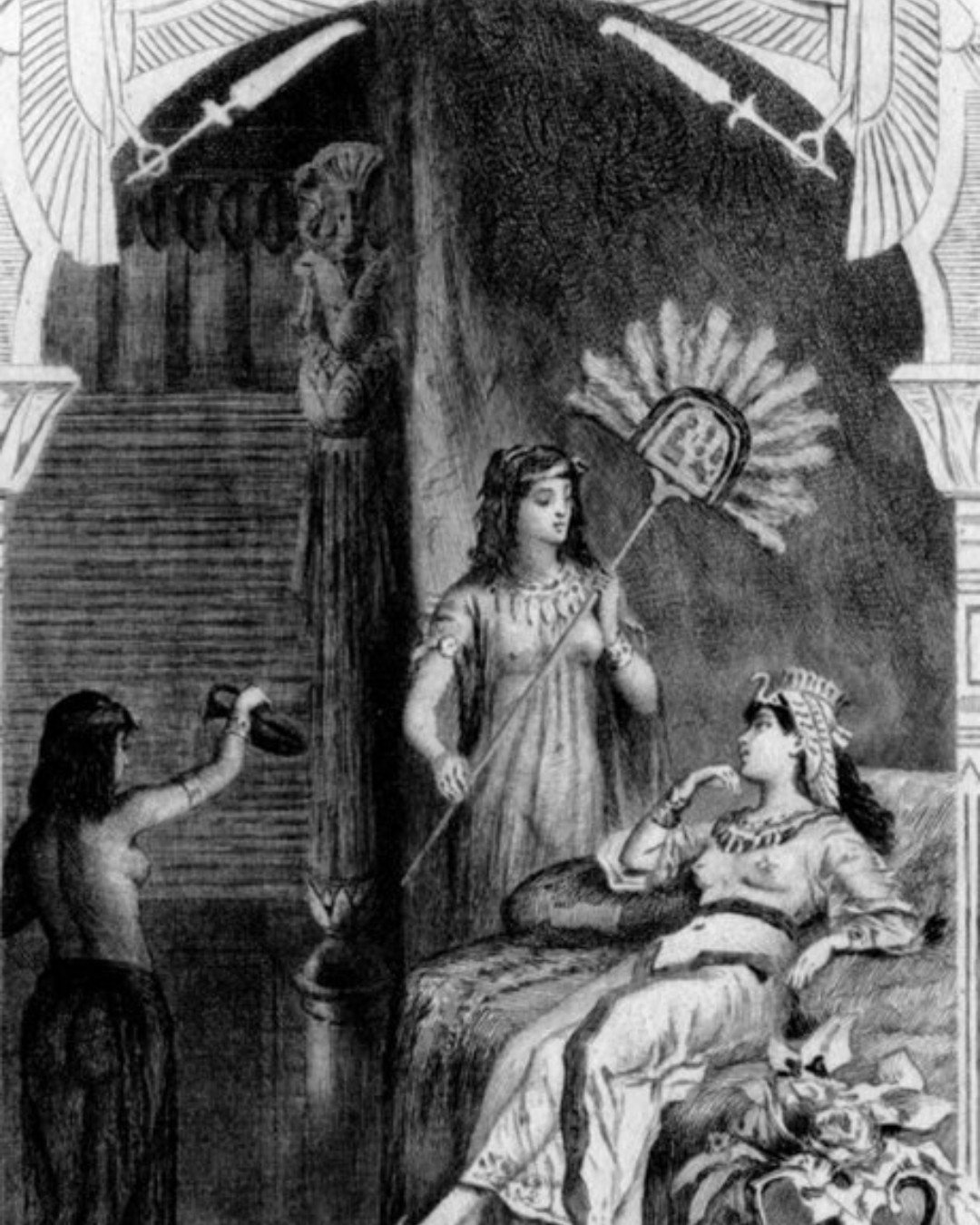
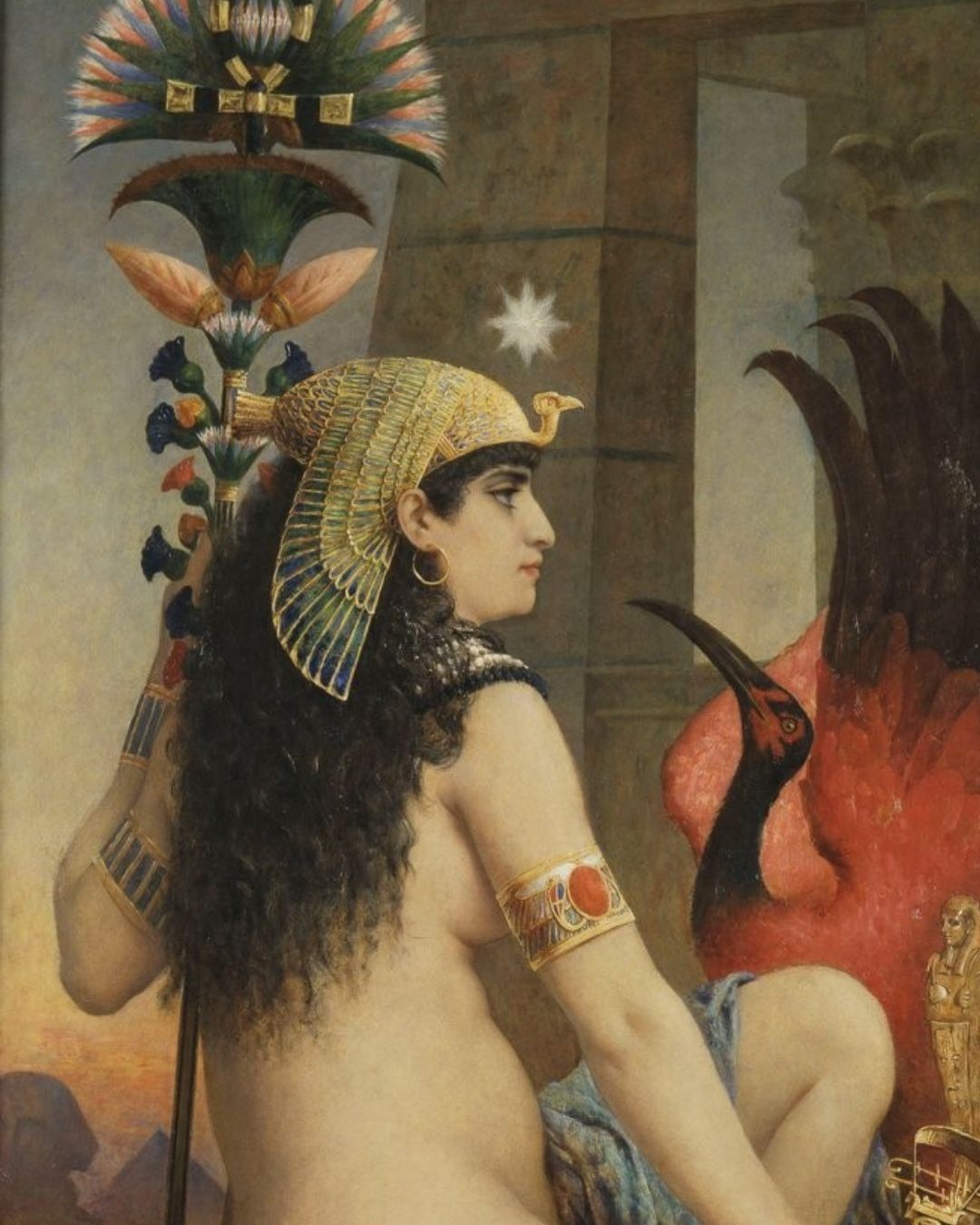
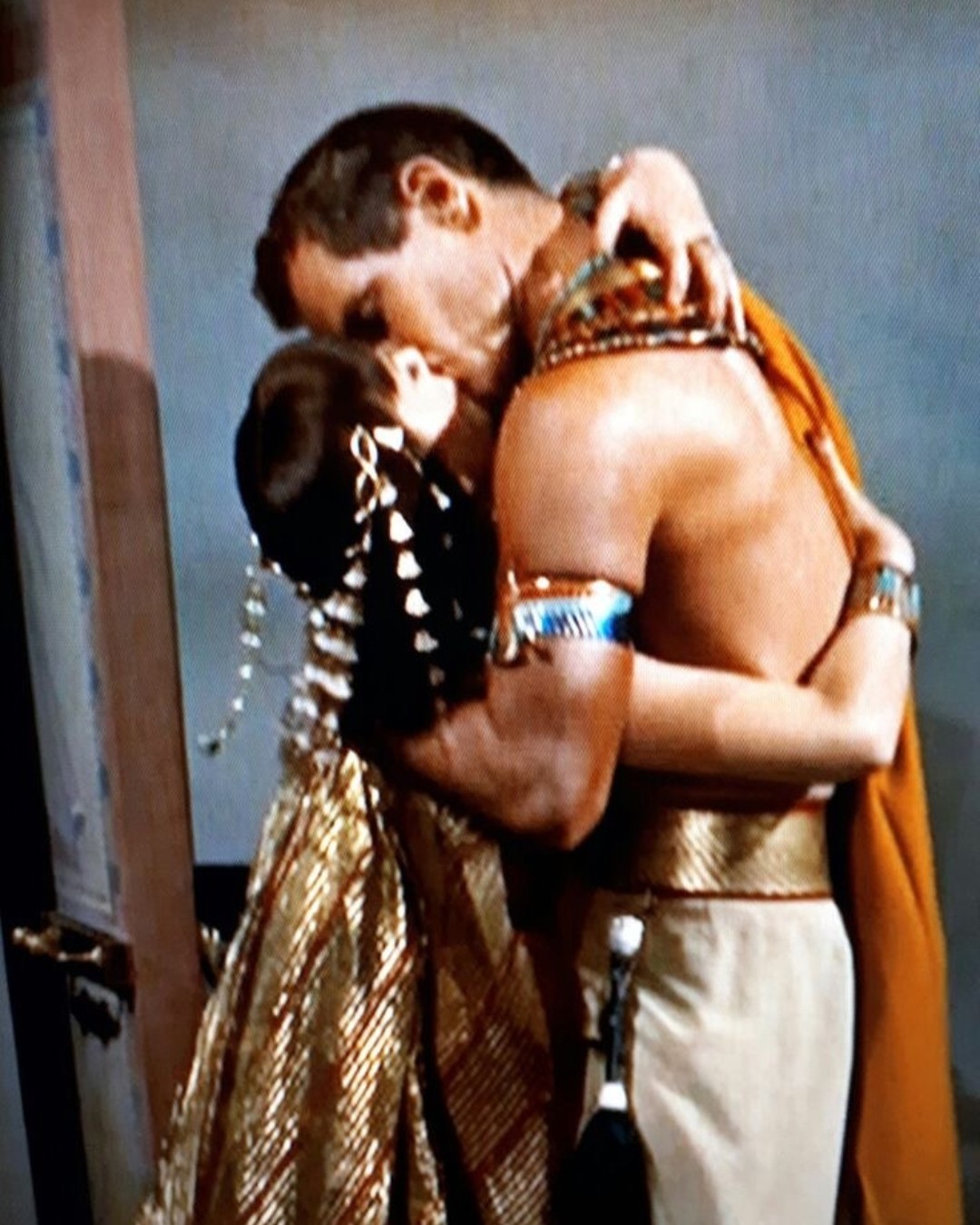
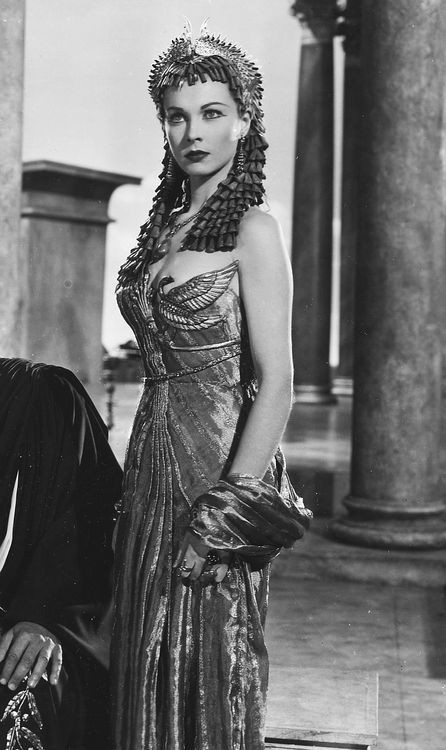
Cleopatra never encountered ylang-ylang — geography kept this secret from her. But we suspect she would have recognised a kindred spirit. The way it touches skin like silk, lingers like memory, prepares the body for what's coming next.
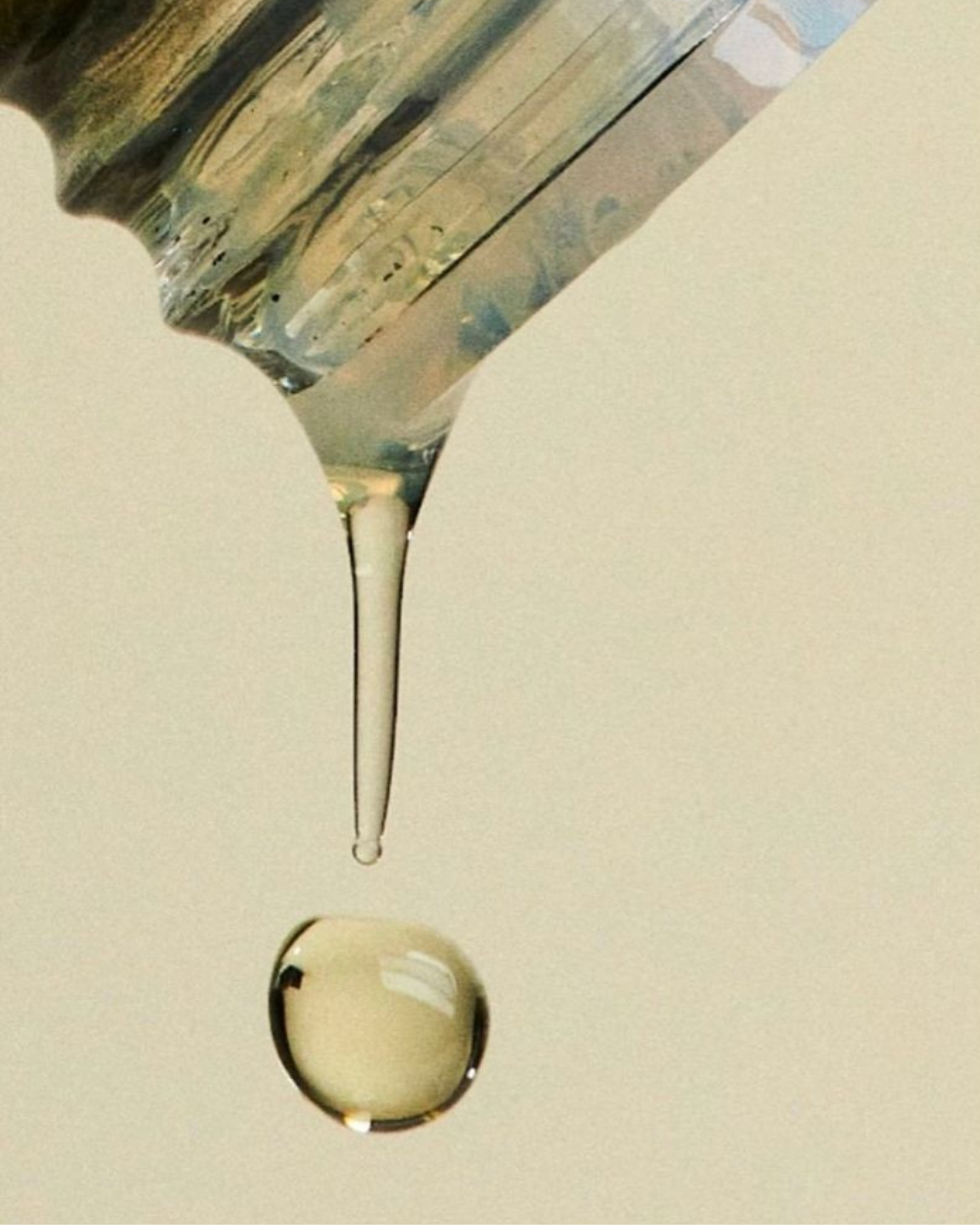
The distillation tells its own story. Grade Extra — the first, most delicate notes captured in those crucial morning hours. Everything that follows is beautiful, but never quite as precise. We use only the first.
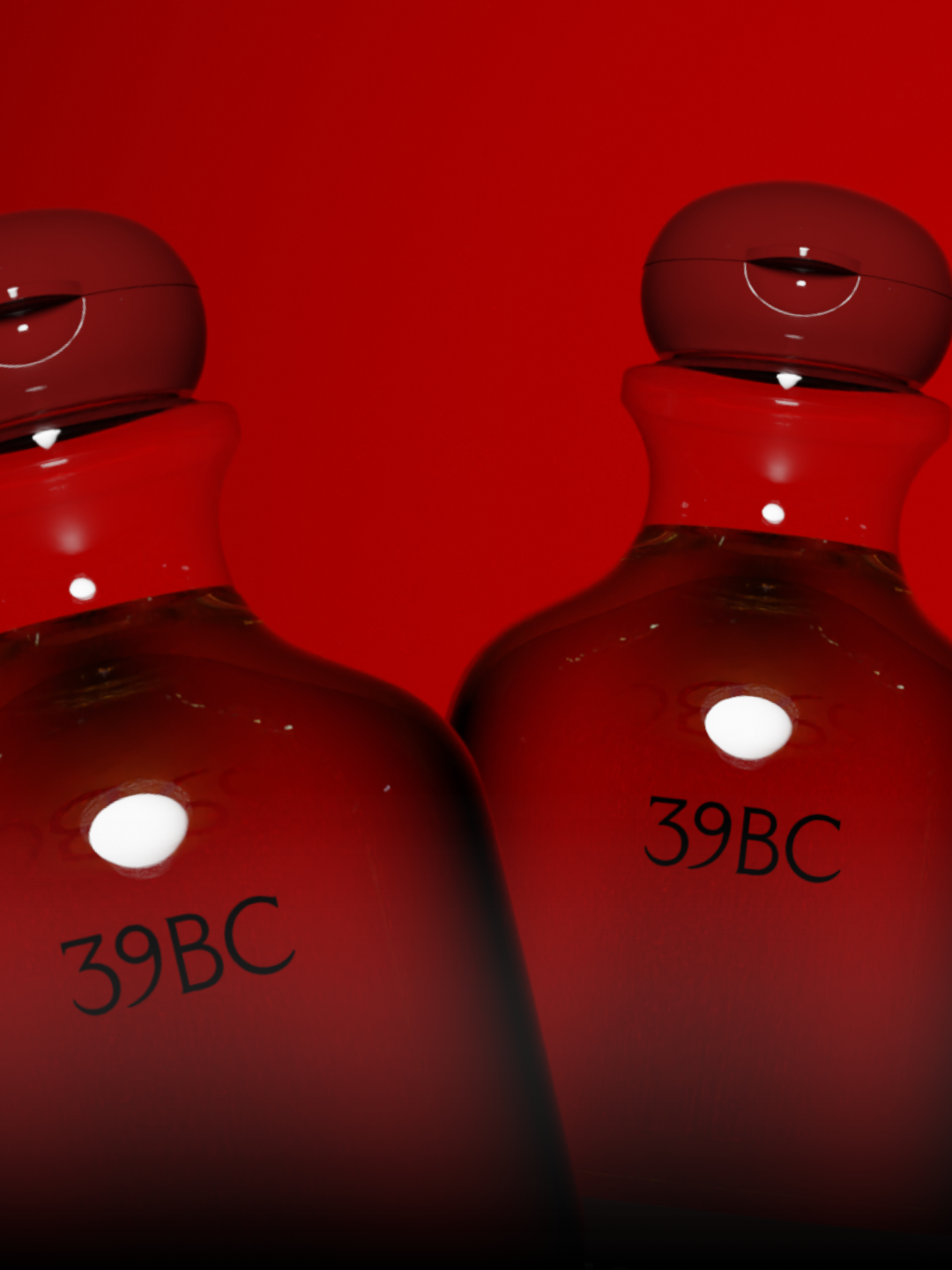
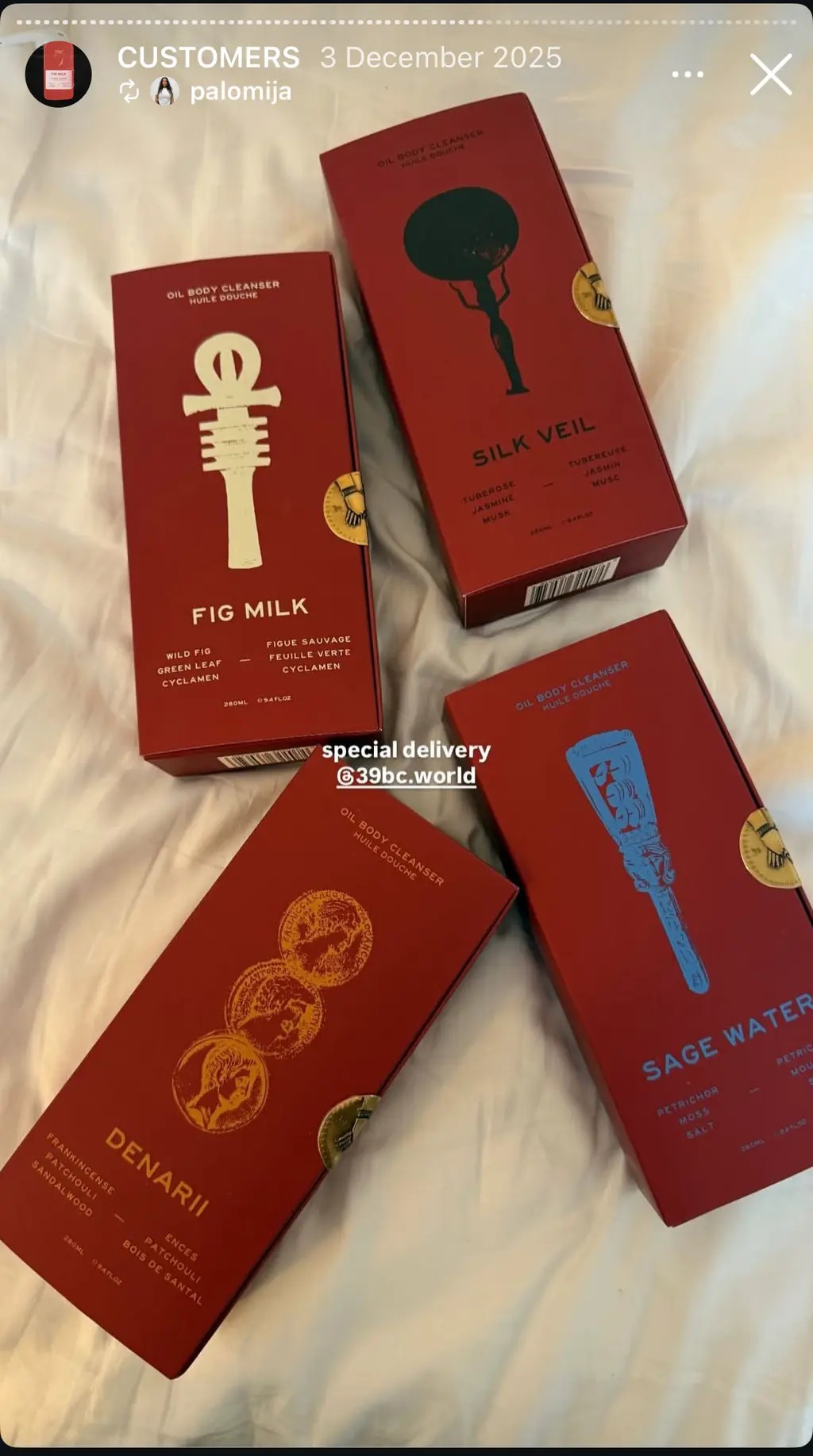
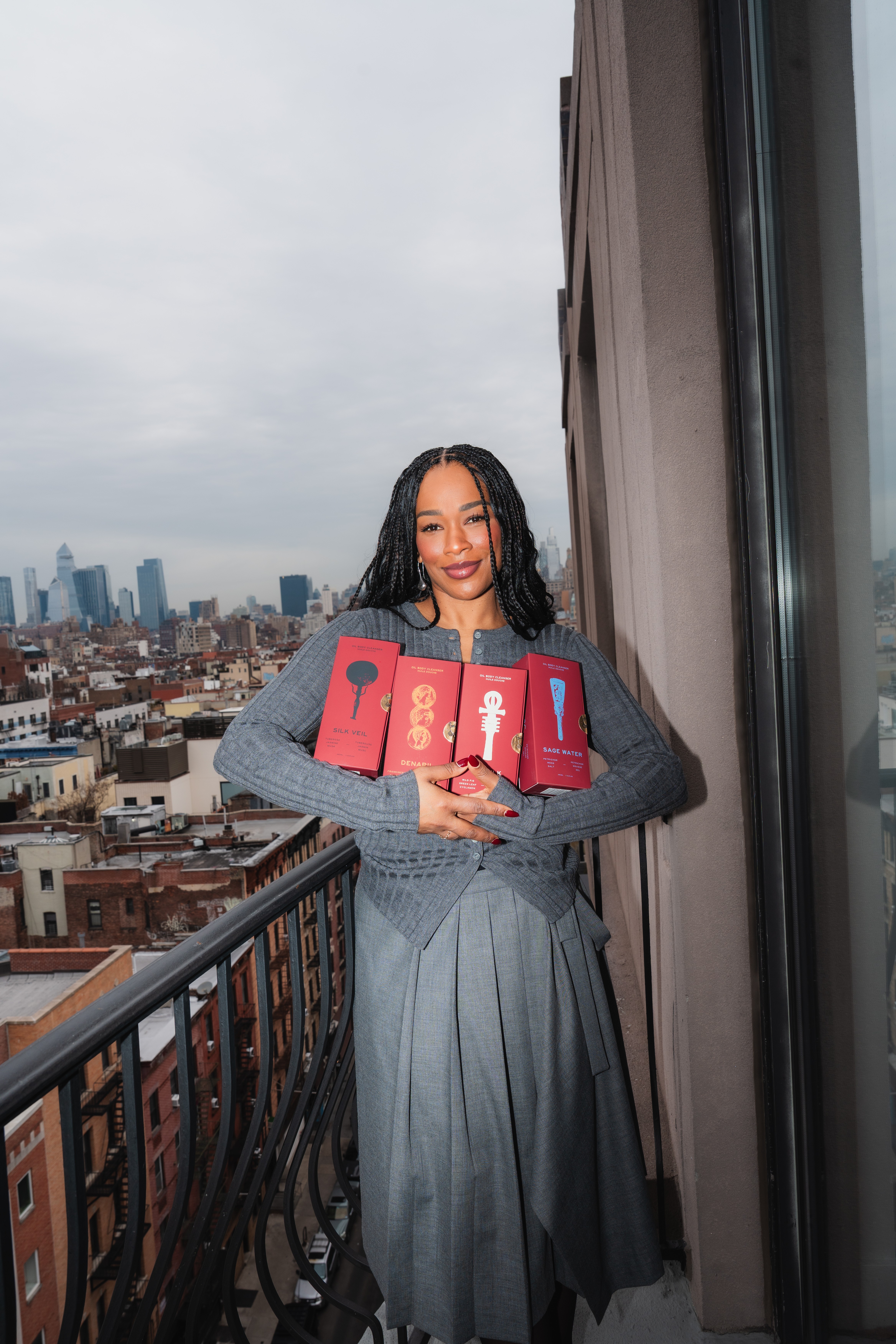
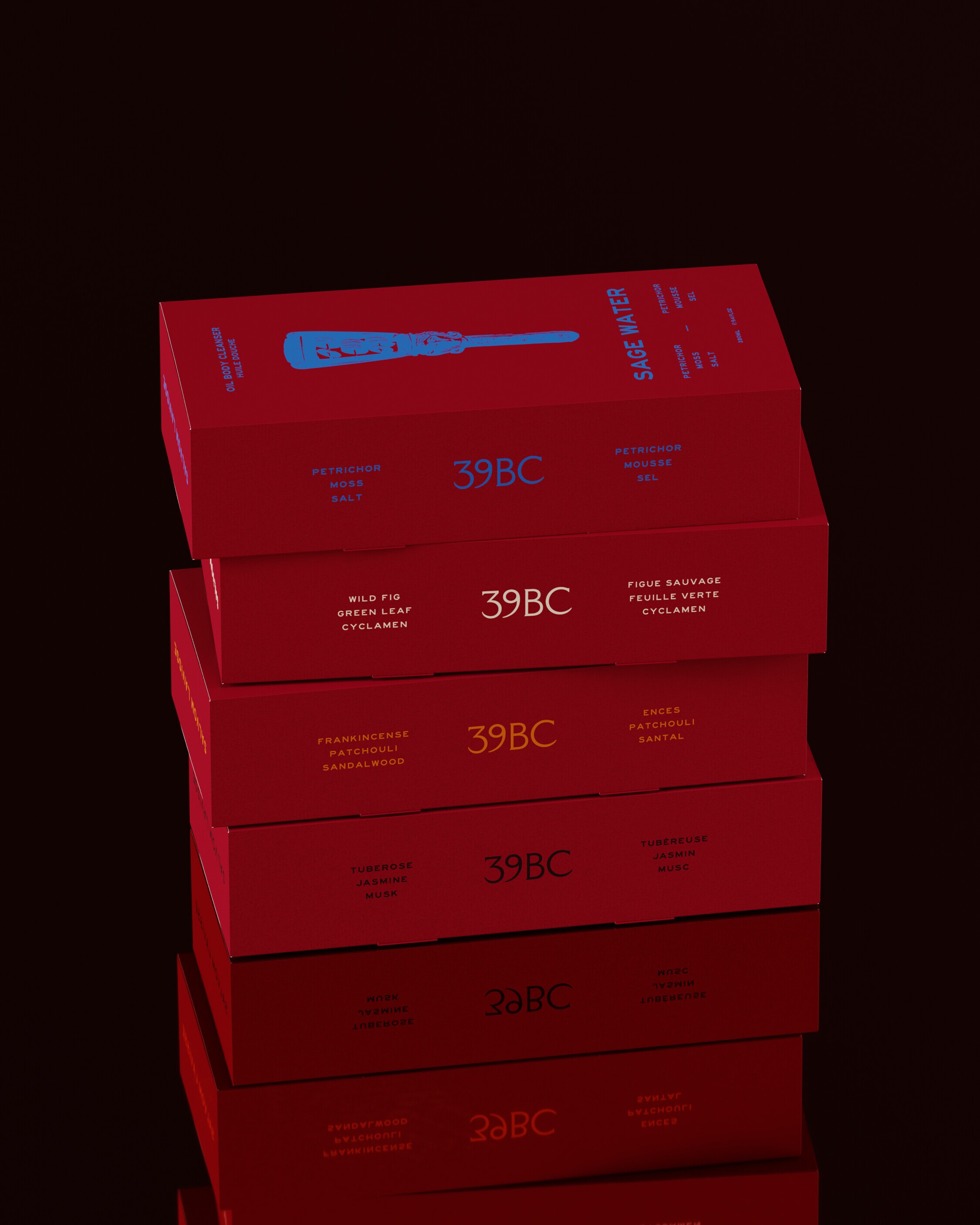
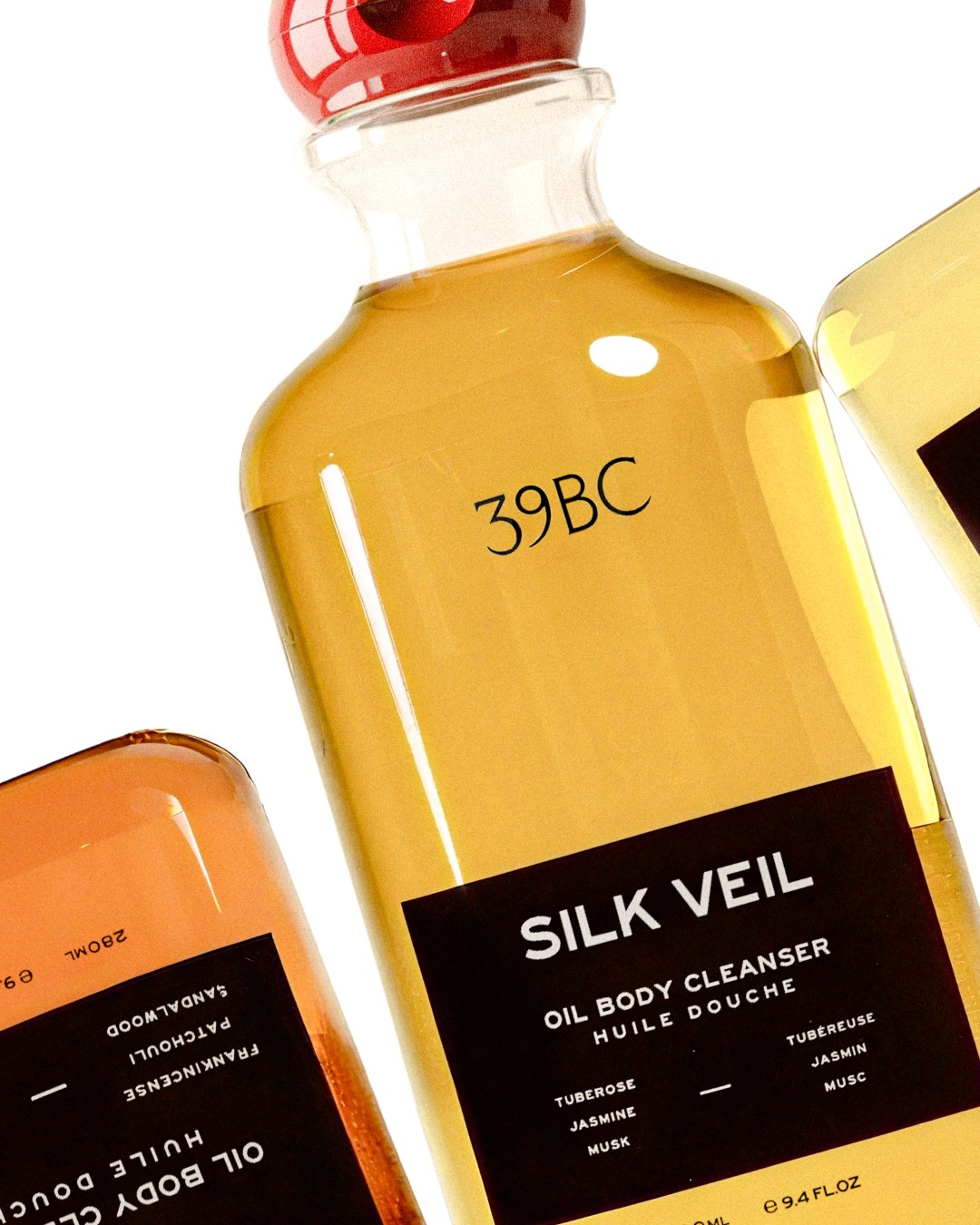
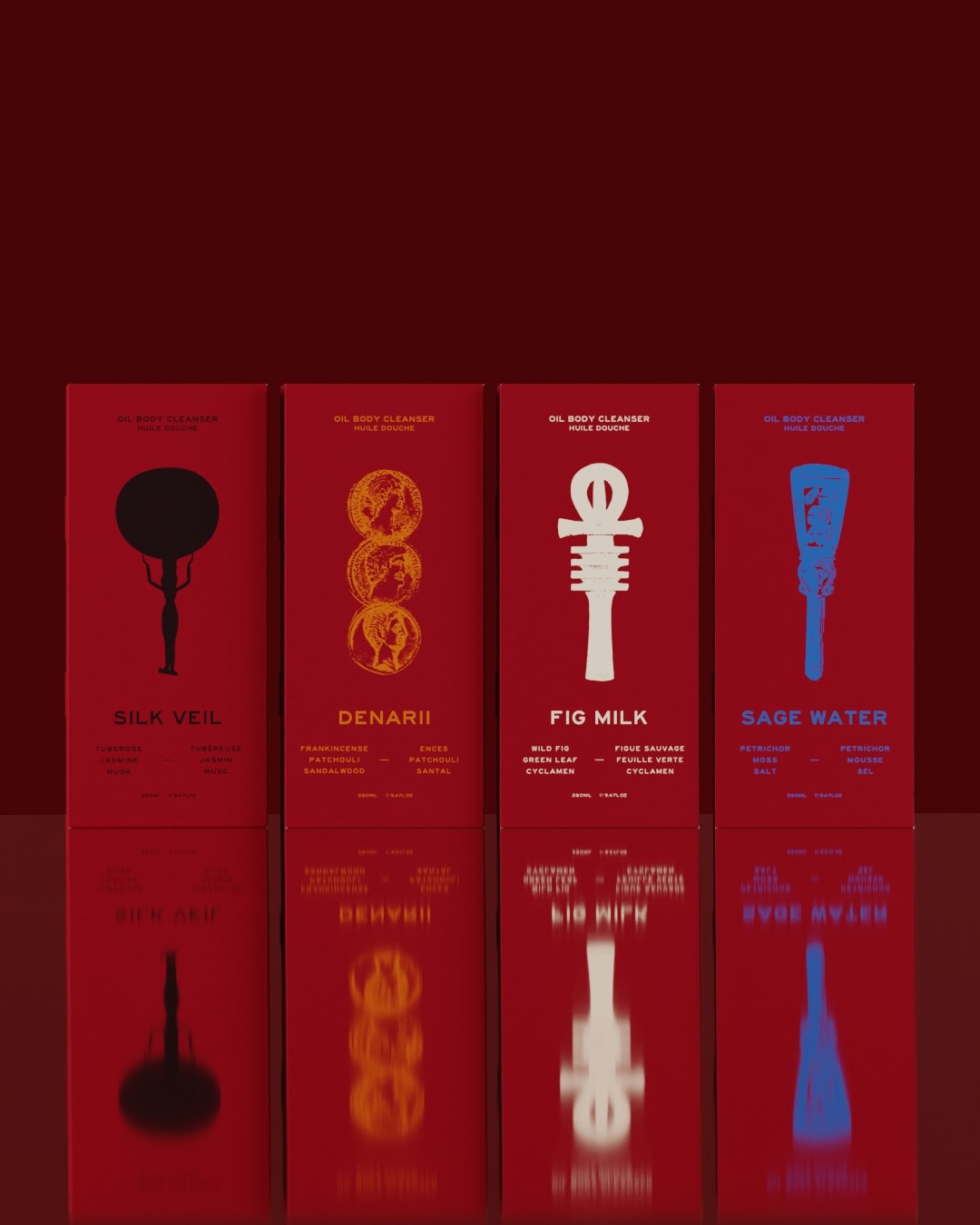
In SILK VEIL, ylang-ylang deepens neroli's brightness, draping the scent in golden warmth before the white florals arrive to steal the show.
Like its name — rolling twice off the tongue — ylang-ylang doesn't believe in fleeting. It settles on your senses, lush and velvety, and stays exactly as long as it pleases.