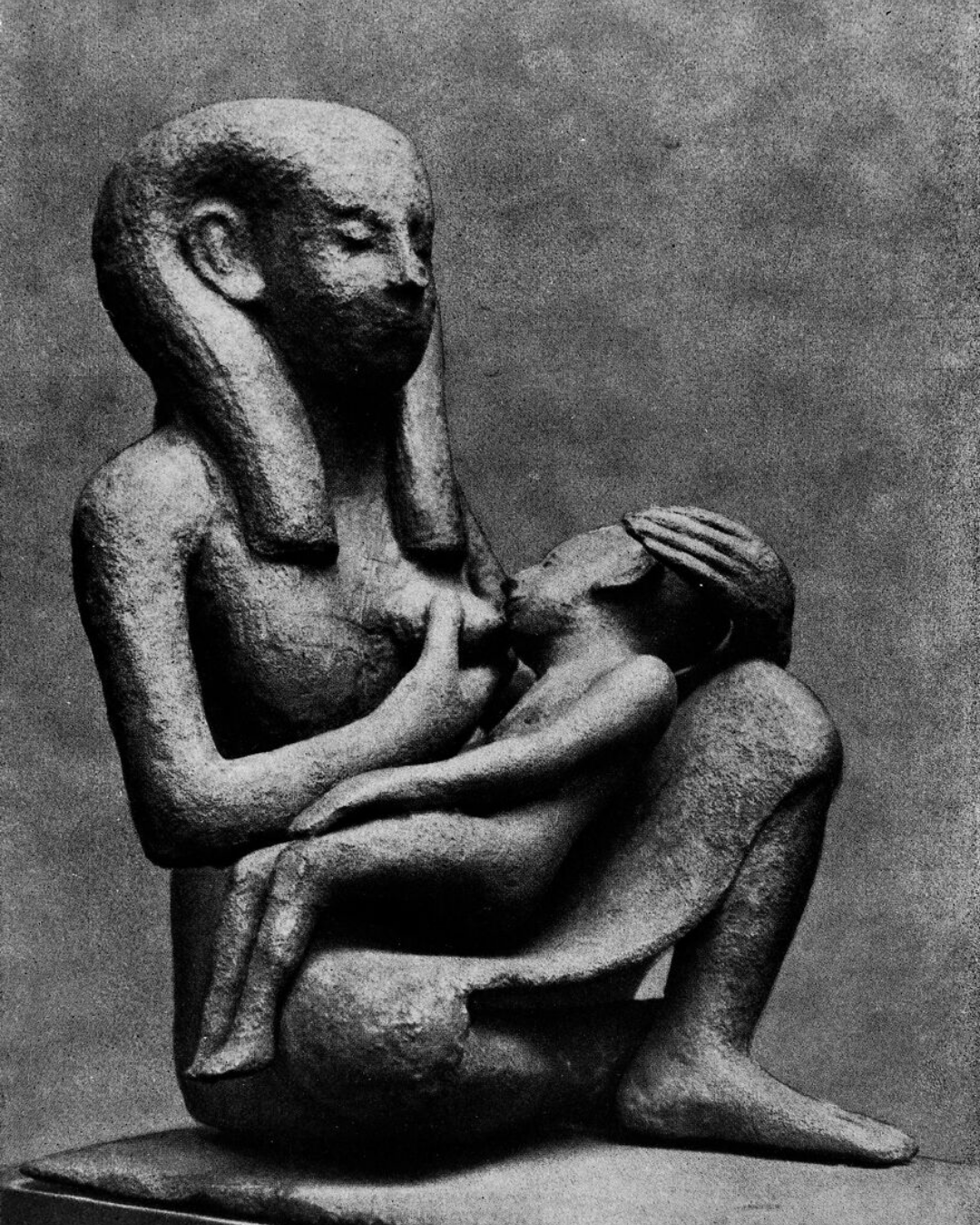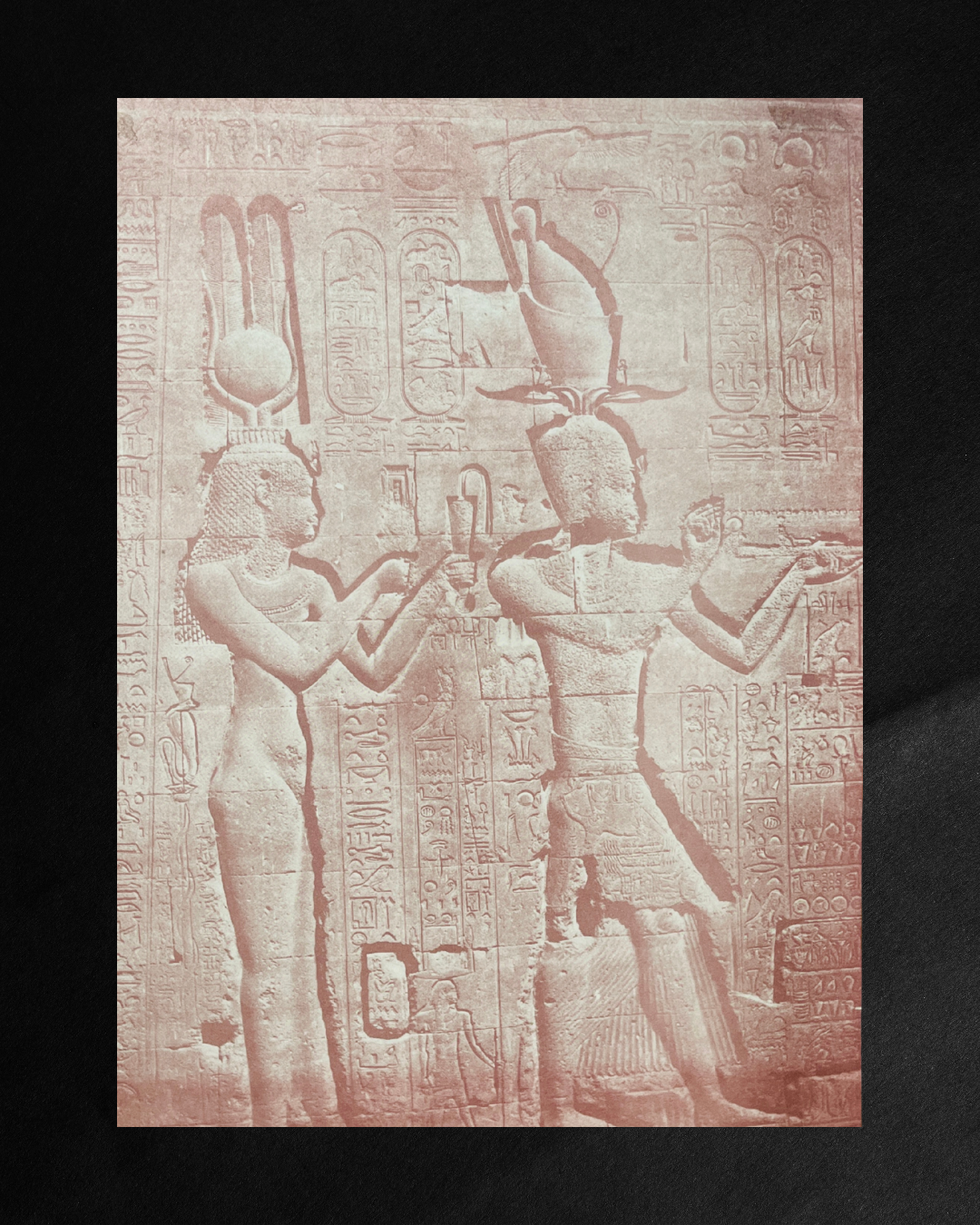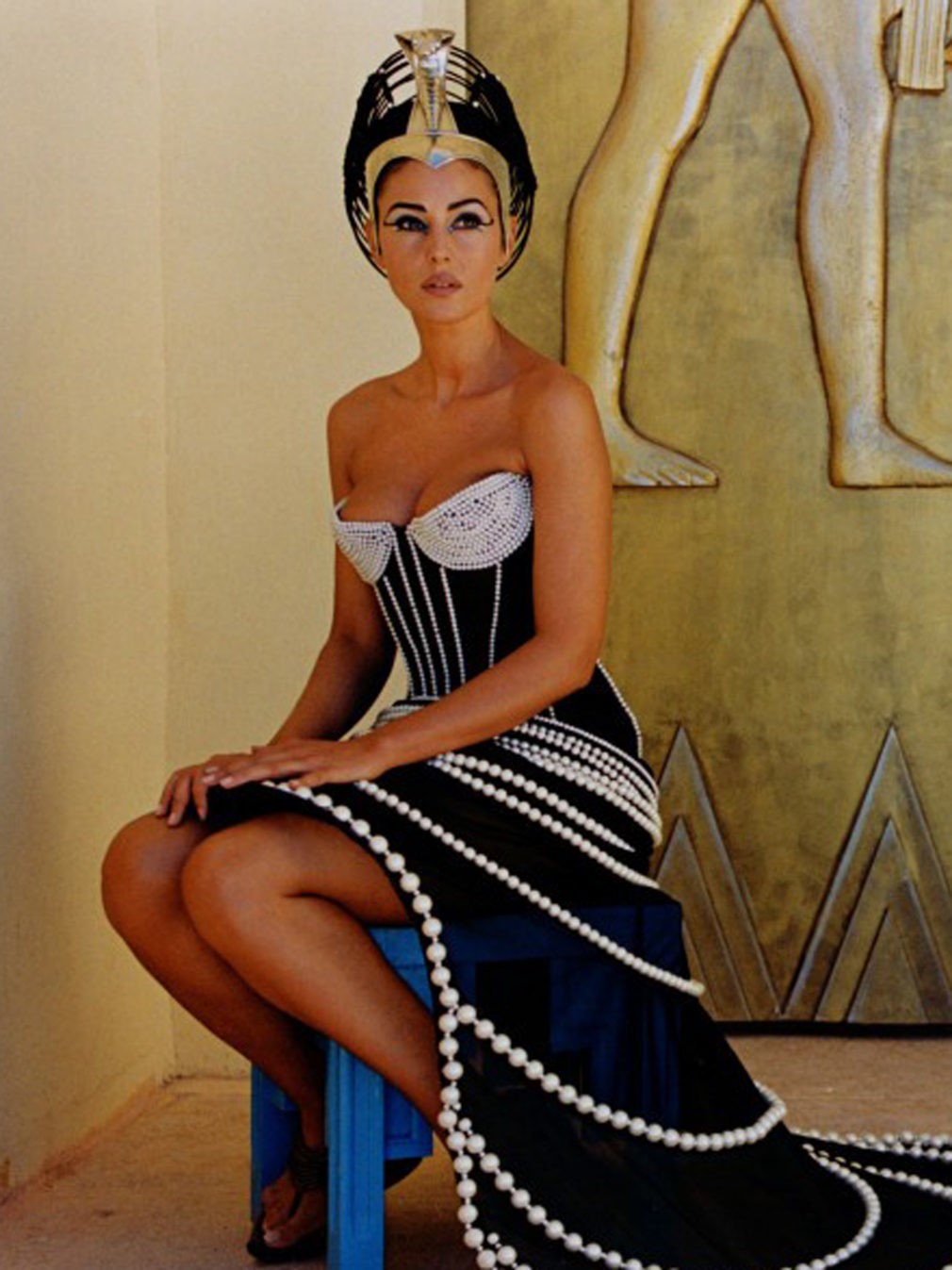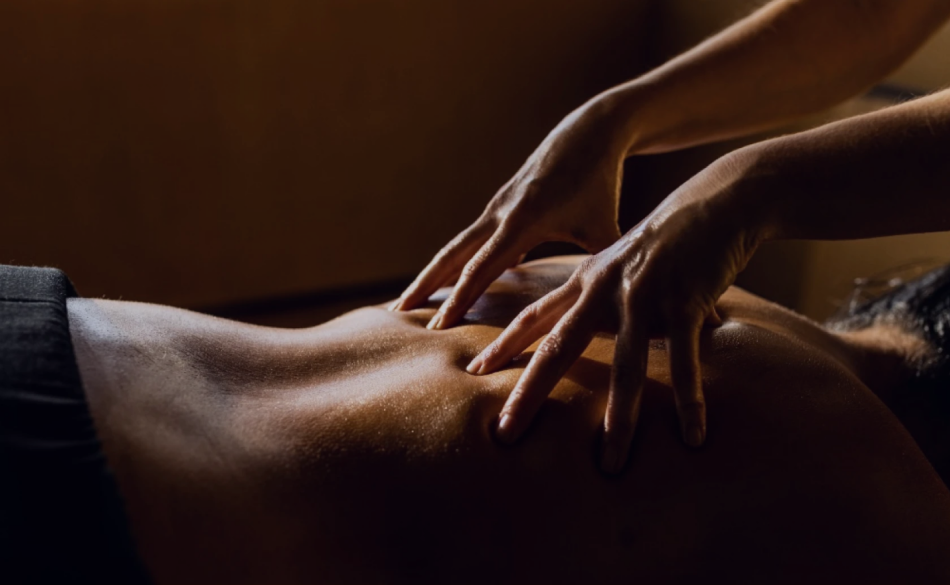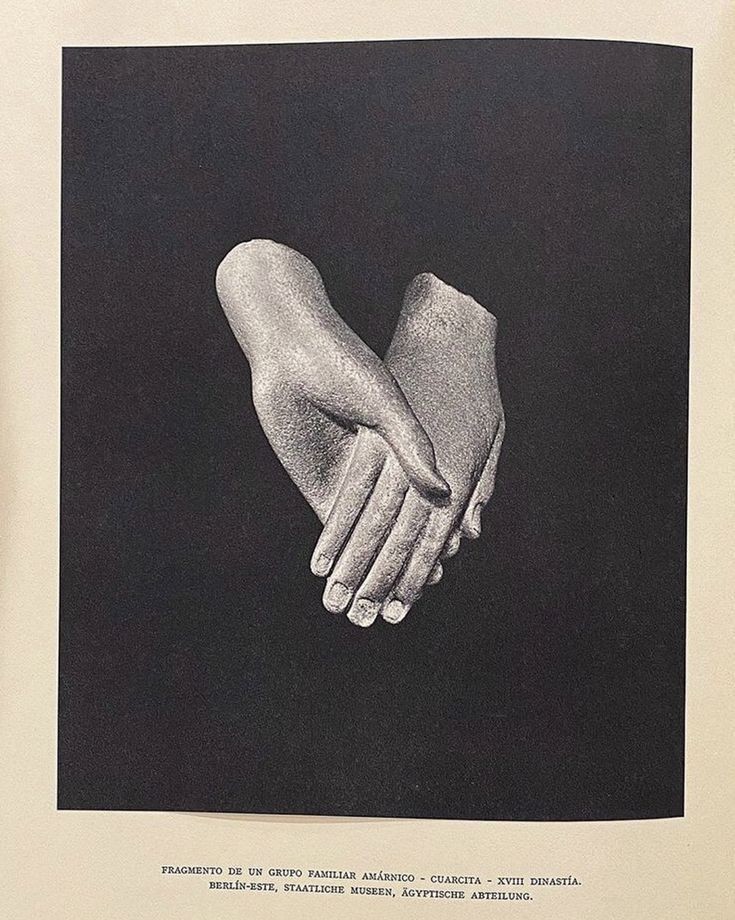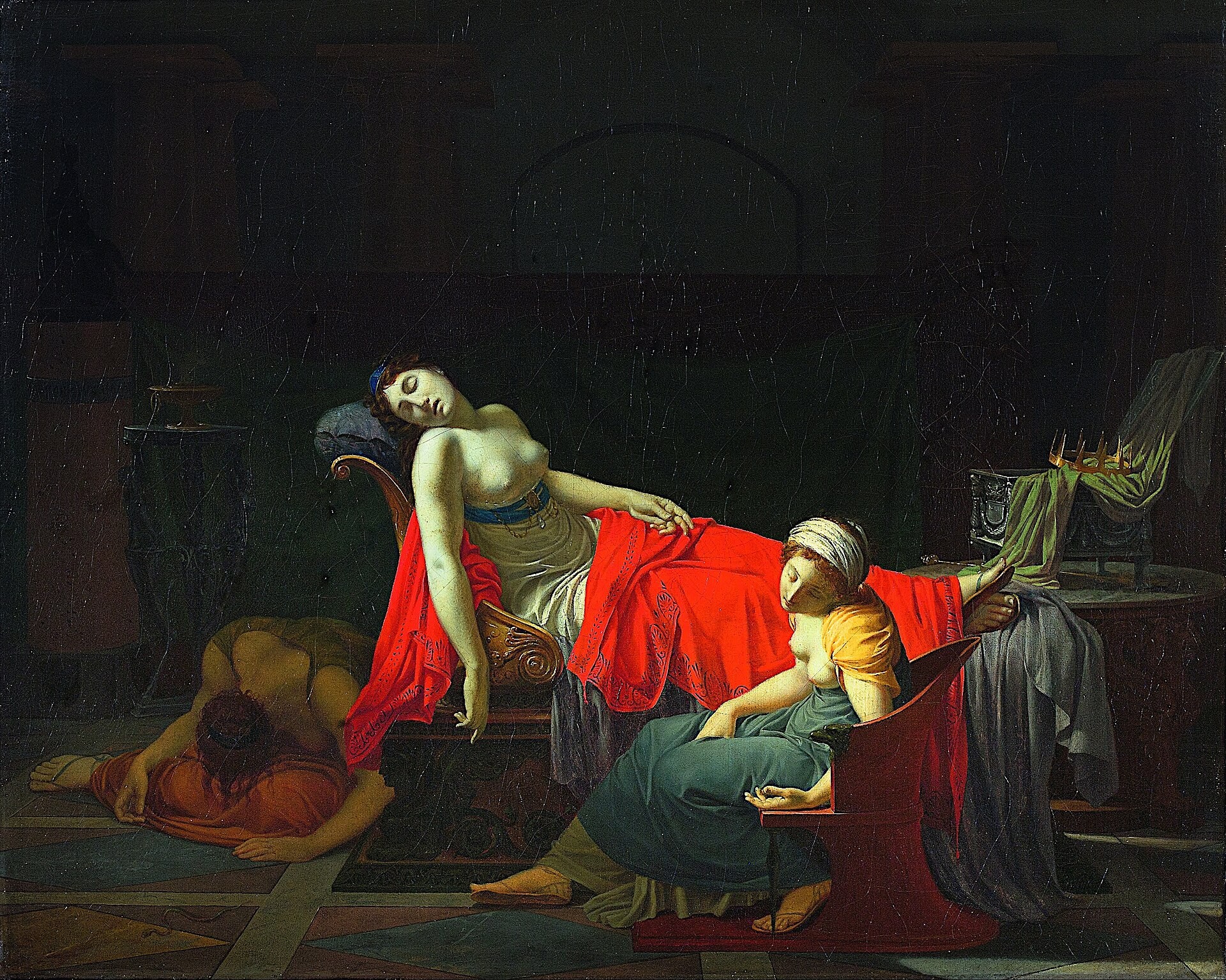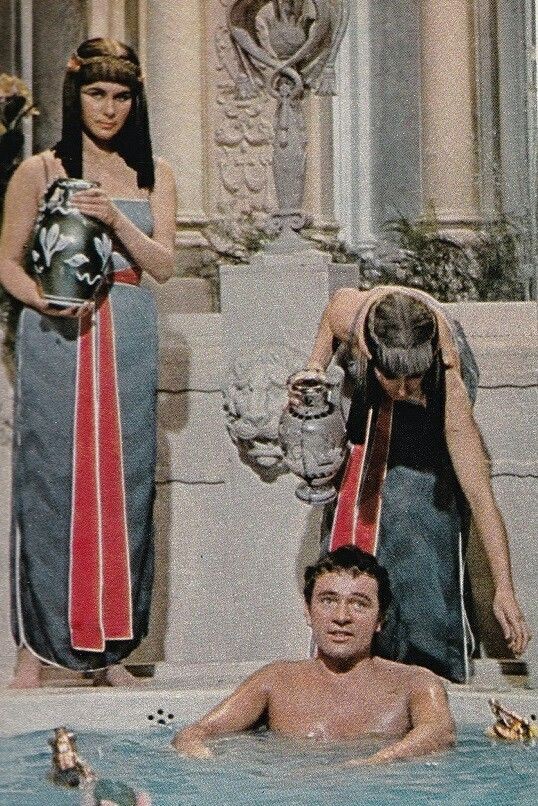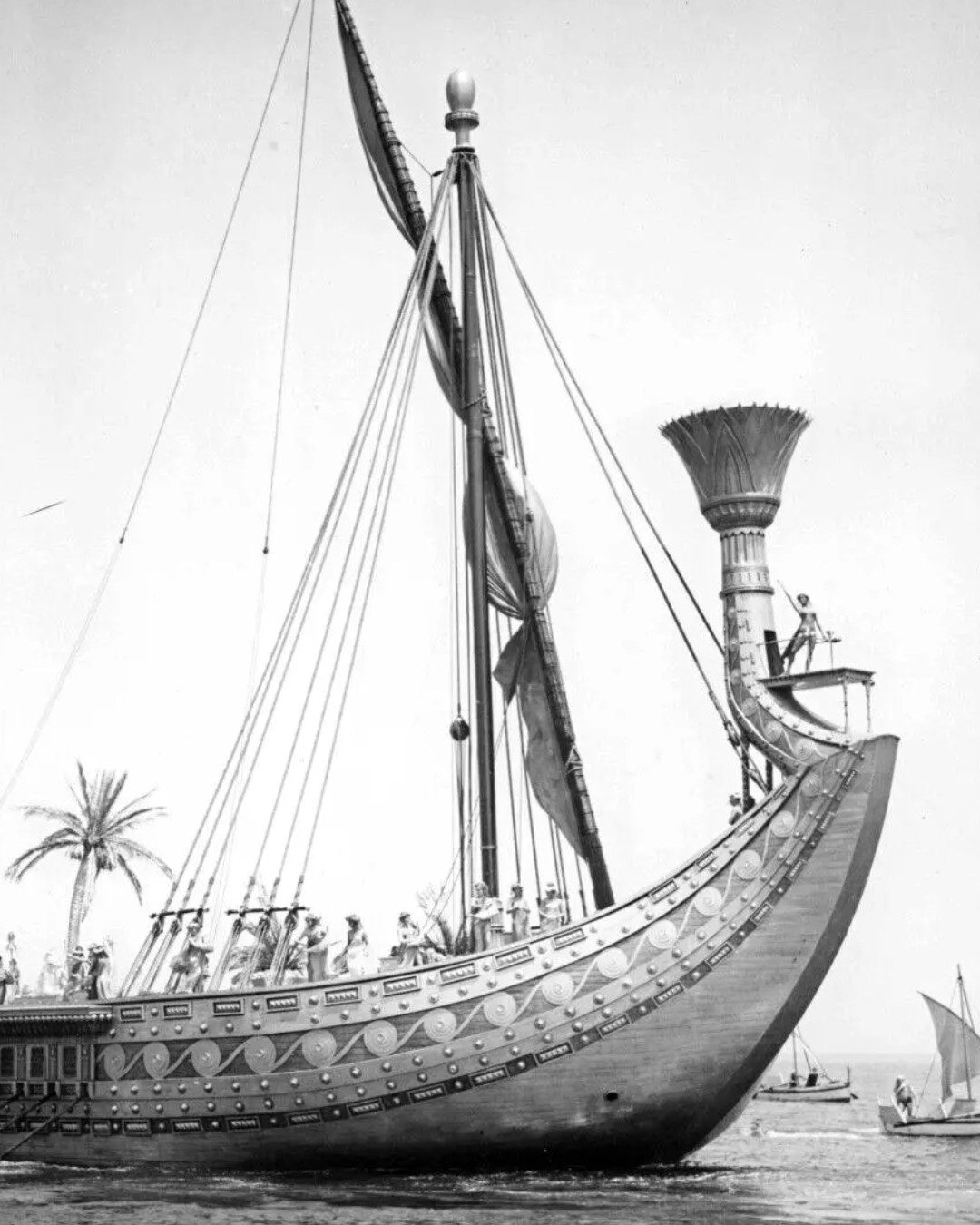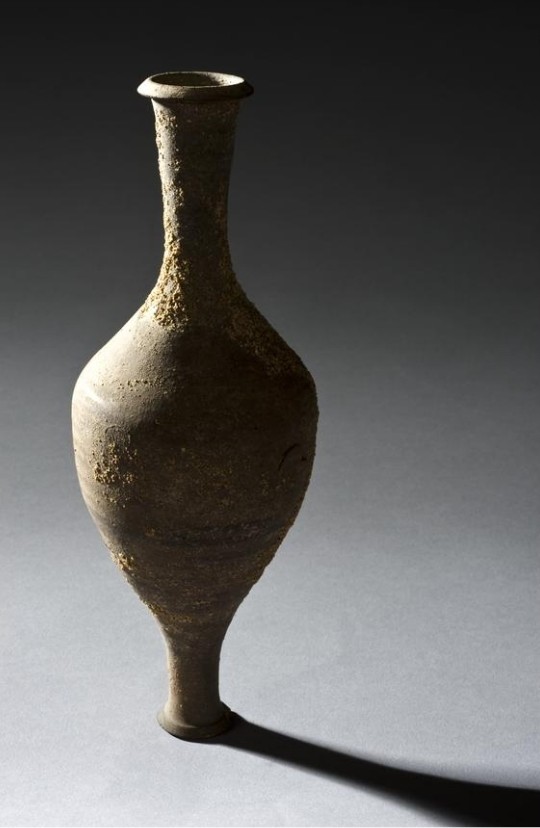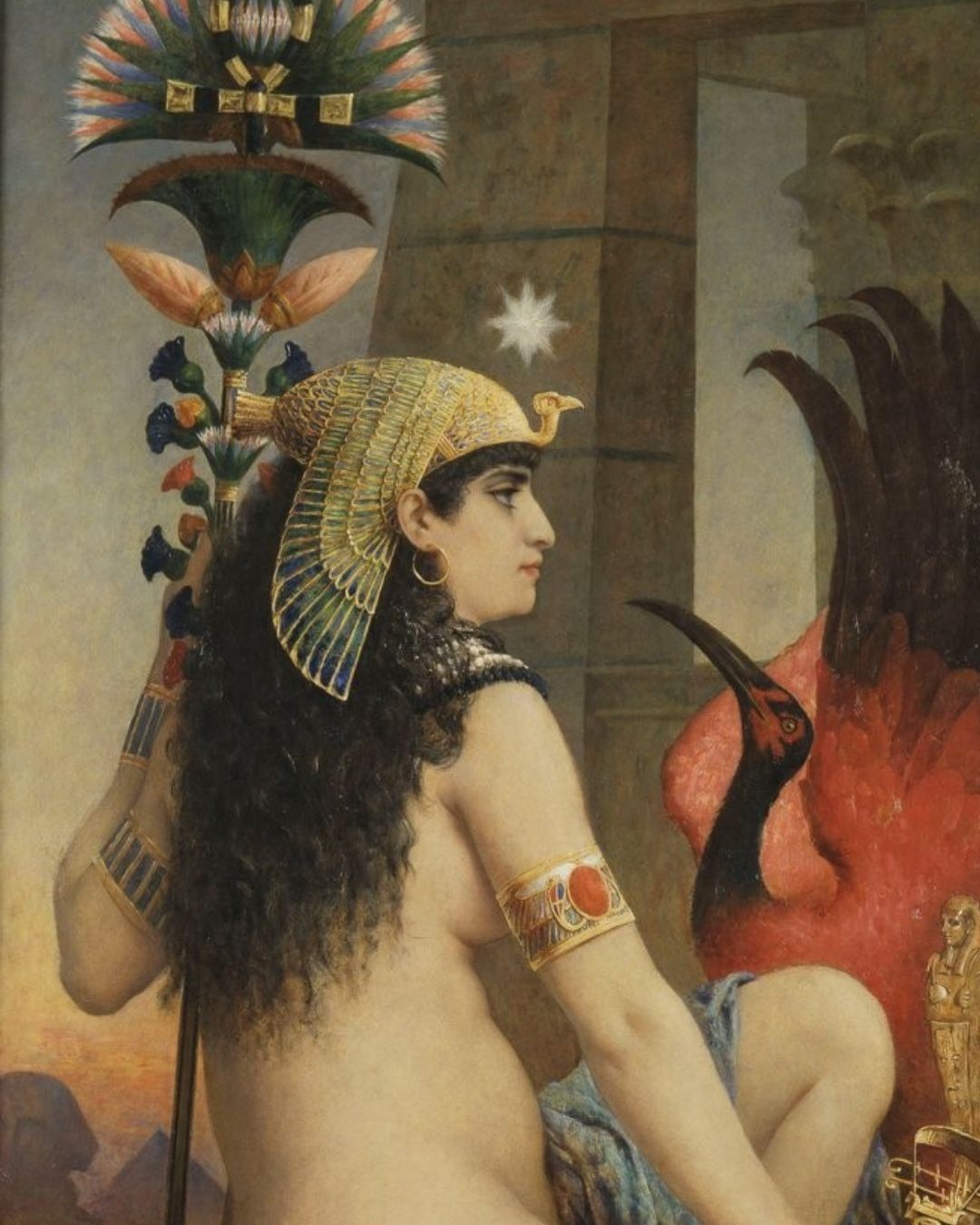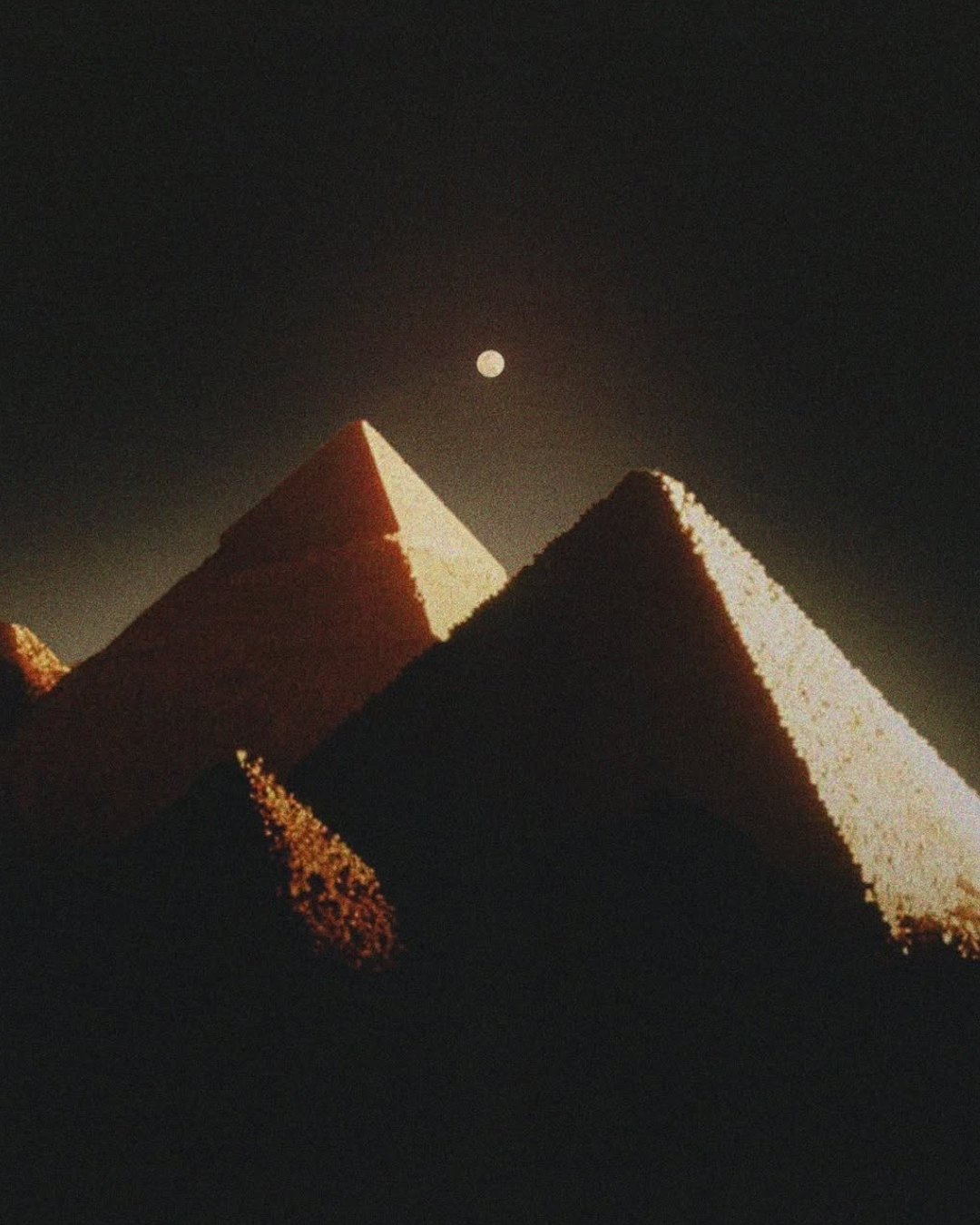
Egypt was a culture fluent in euphoria — knowledgeable and experienced in the art of altered states, where pleasure was a bridge to the divine.
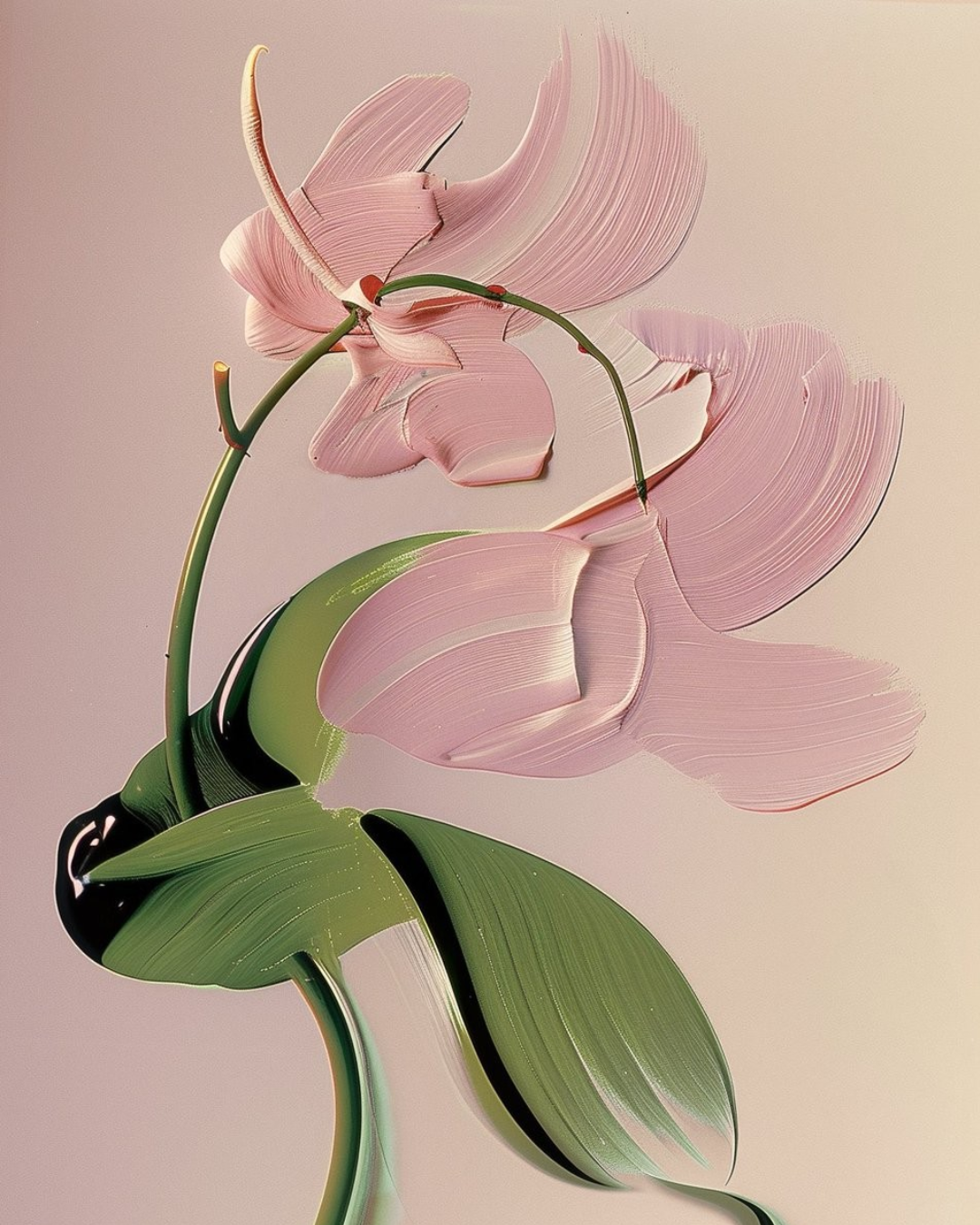
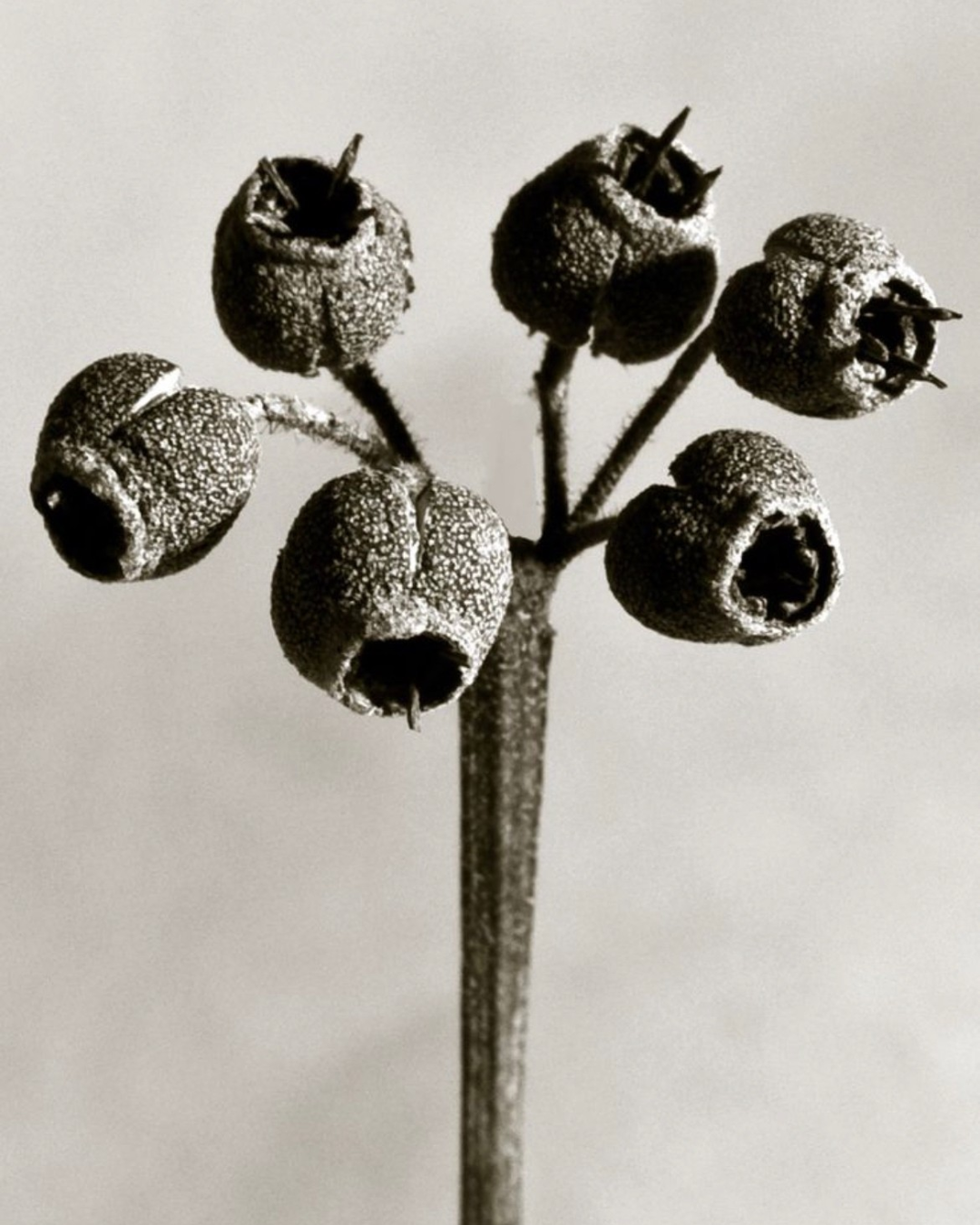
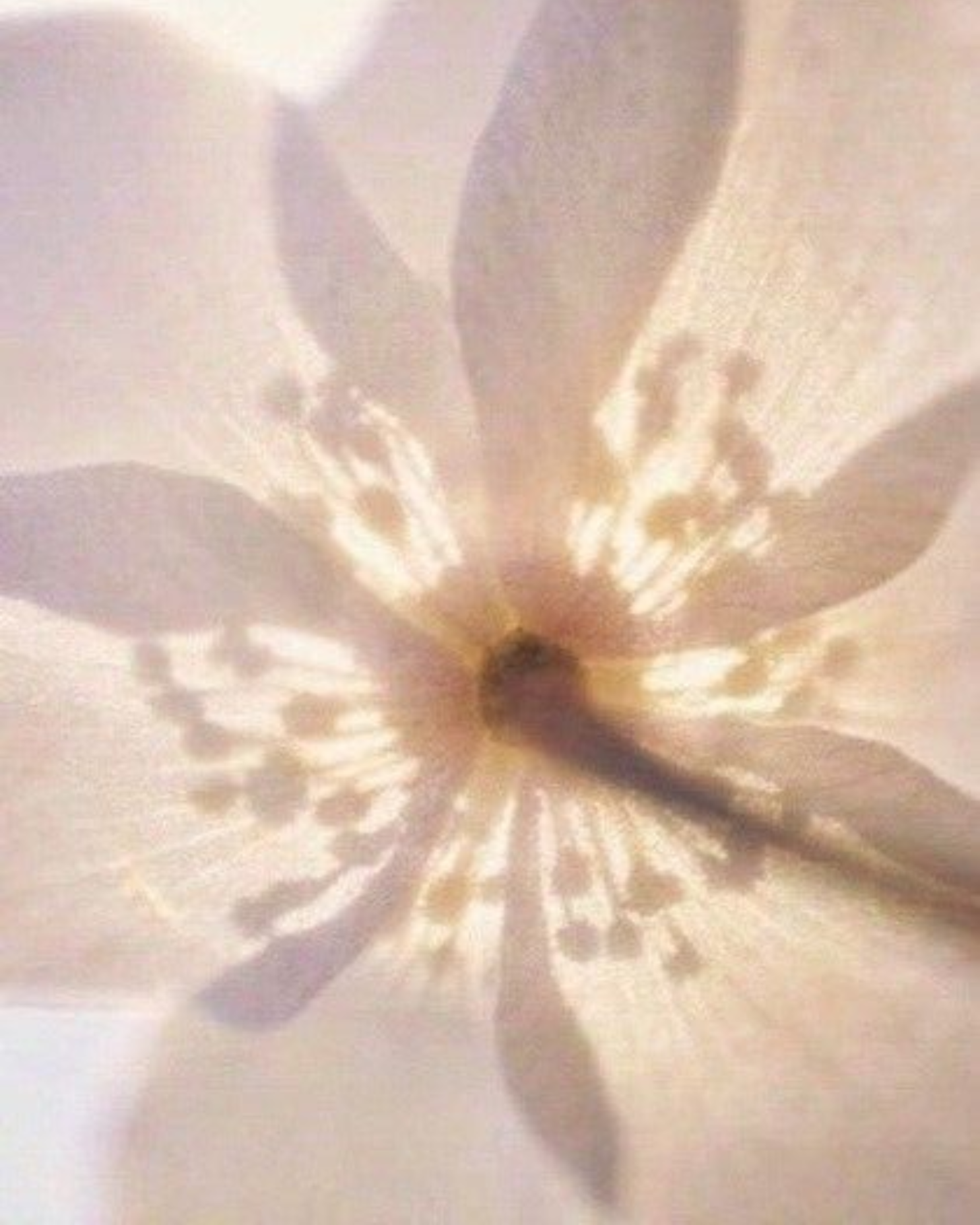
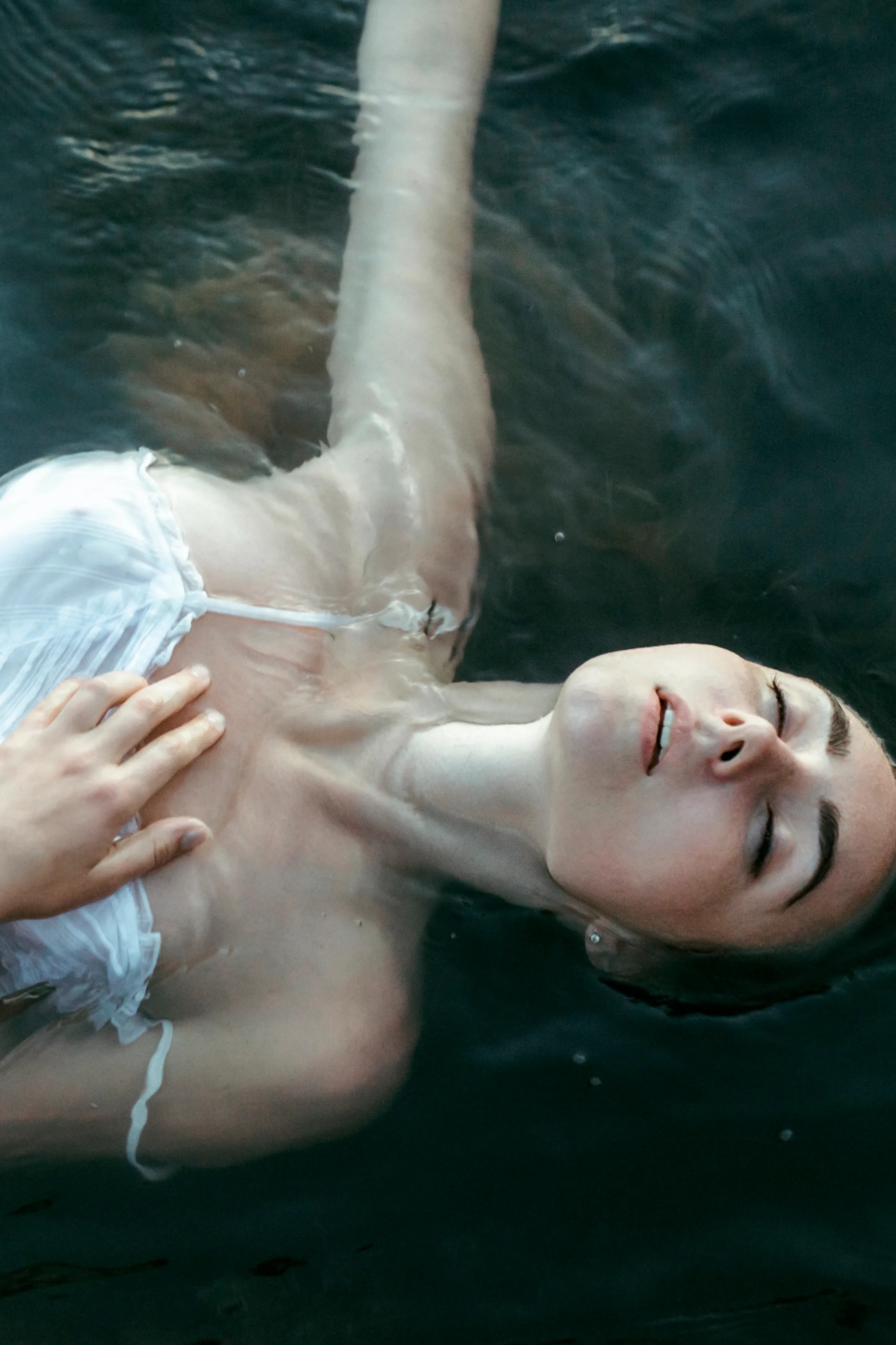
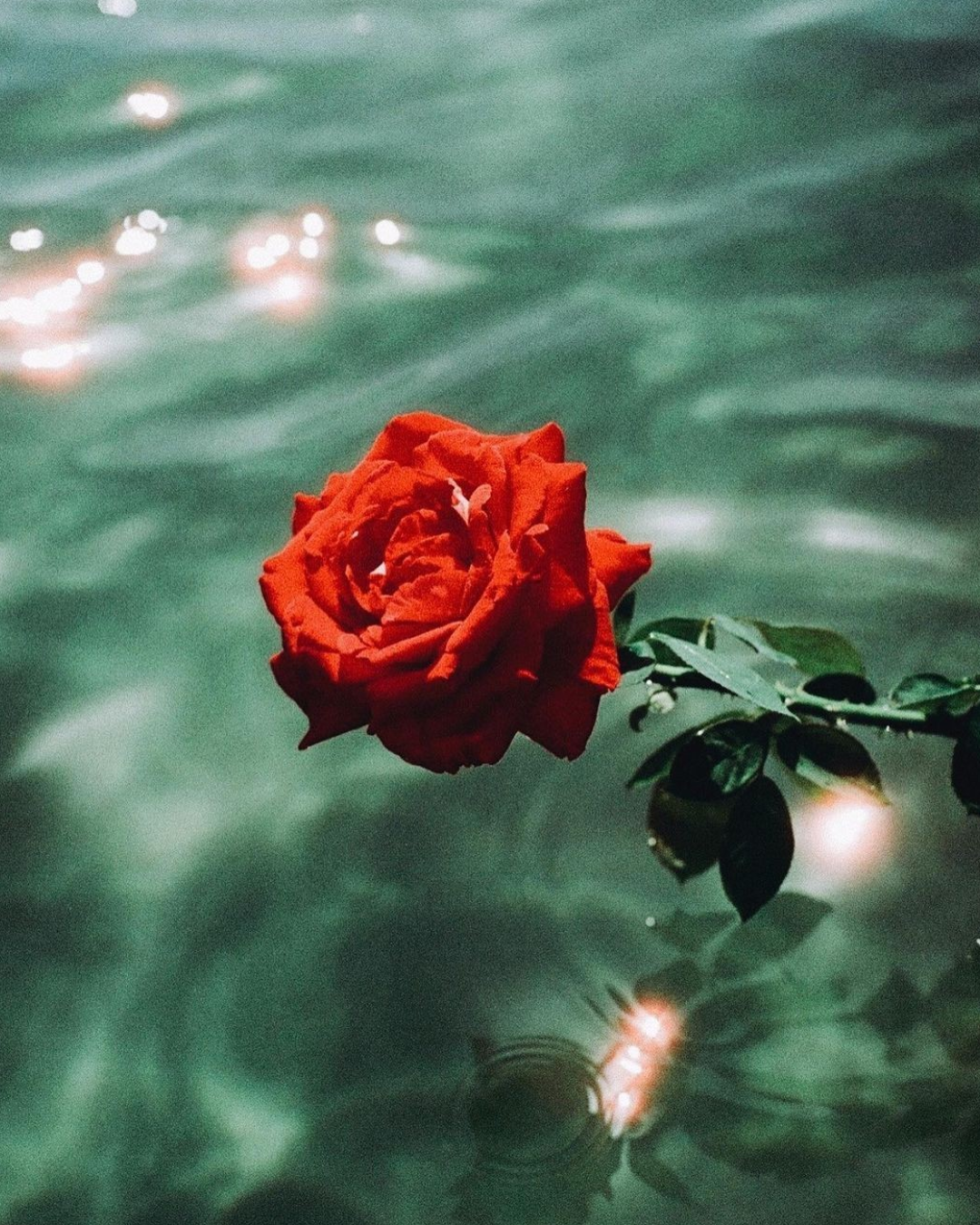
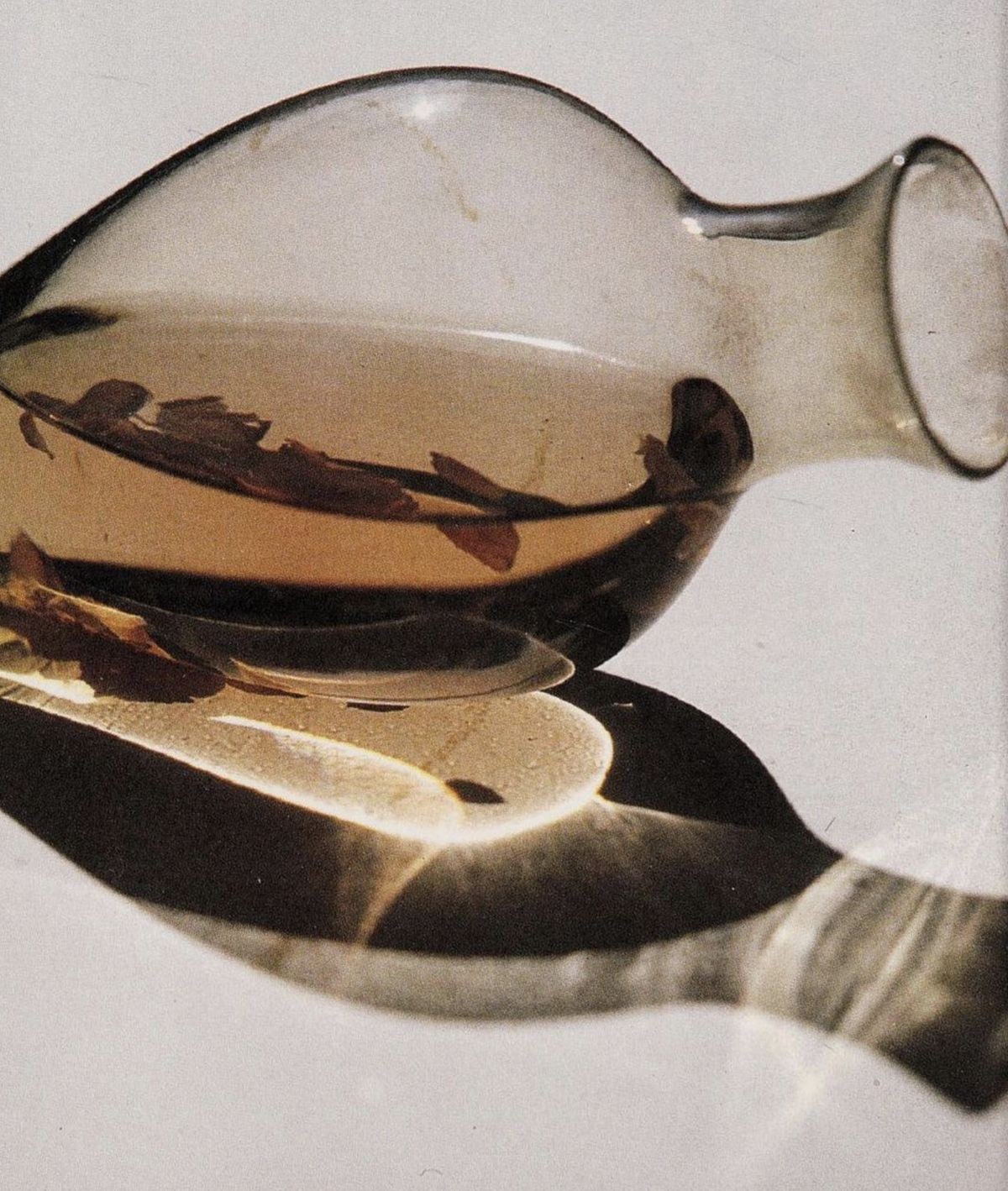
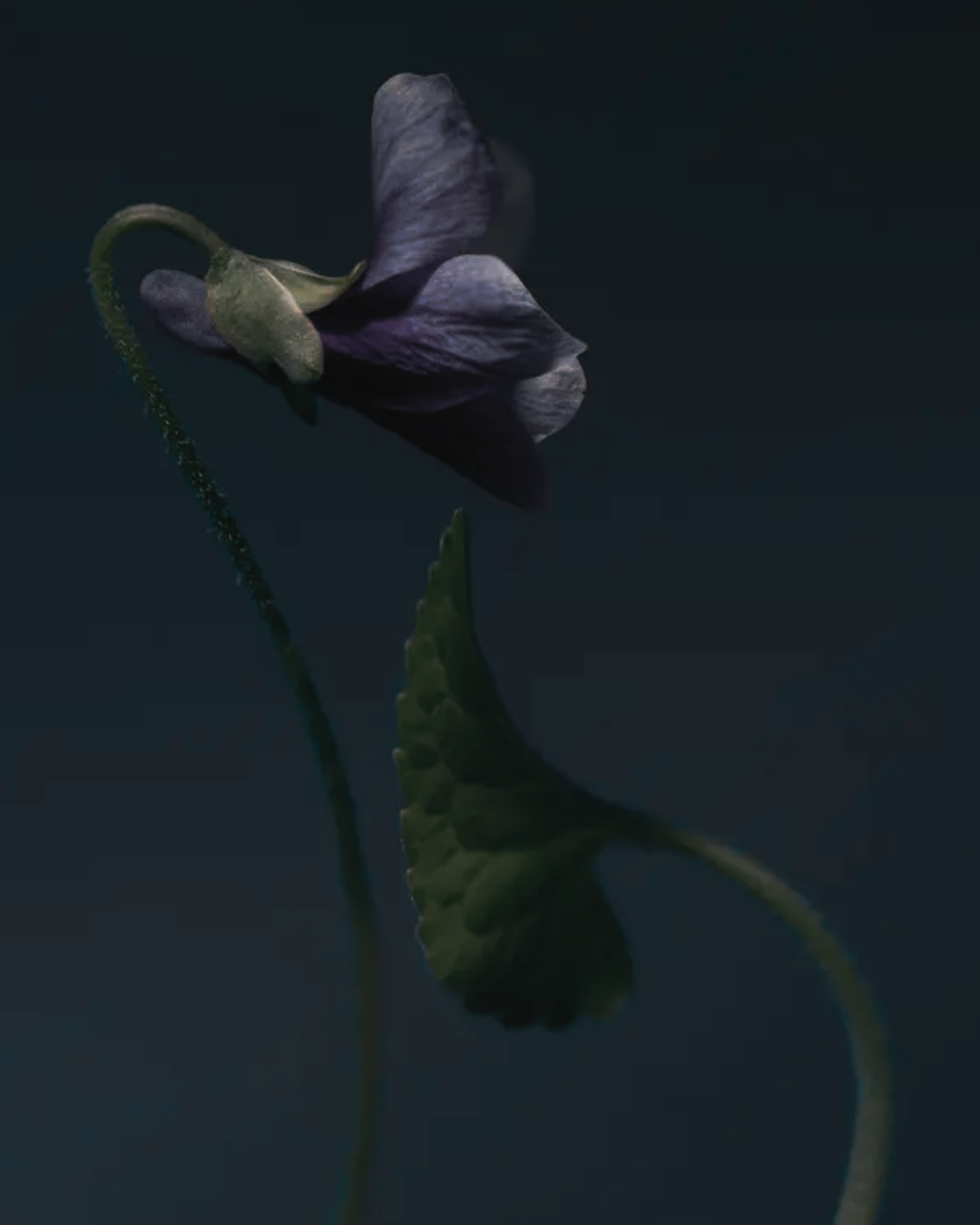
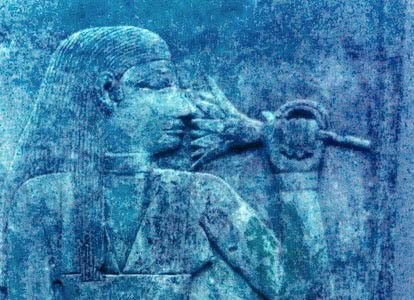
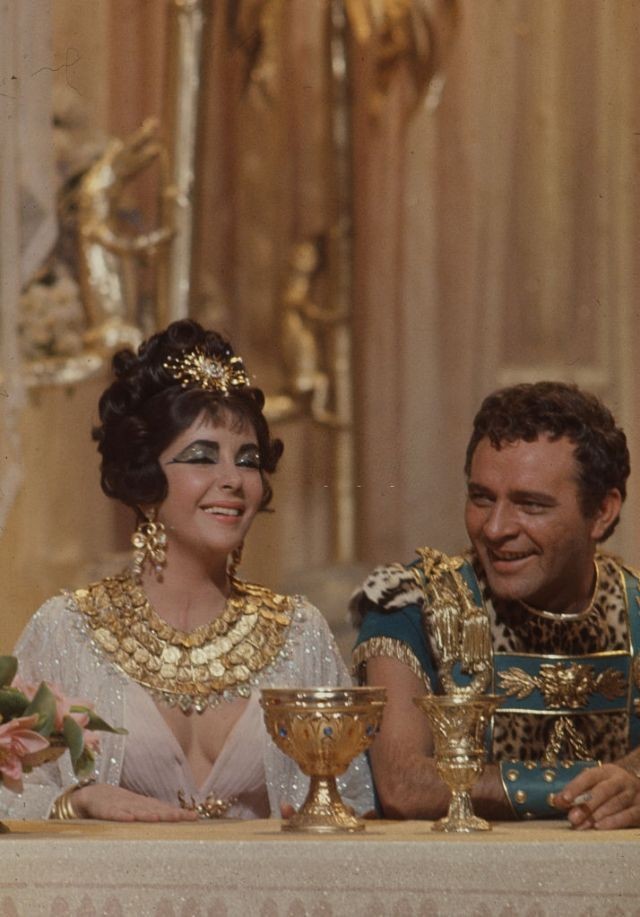
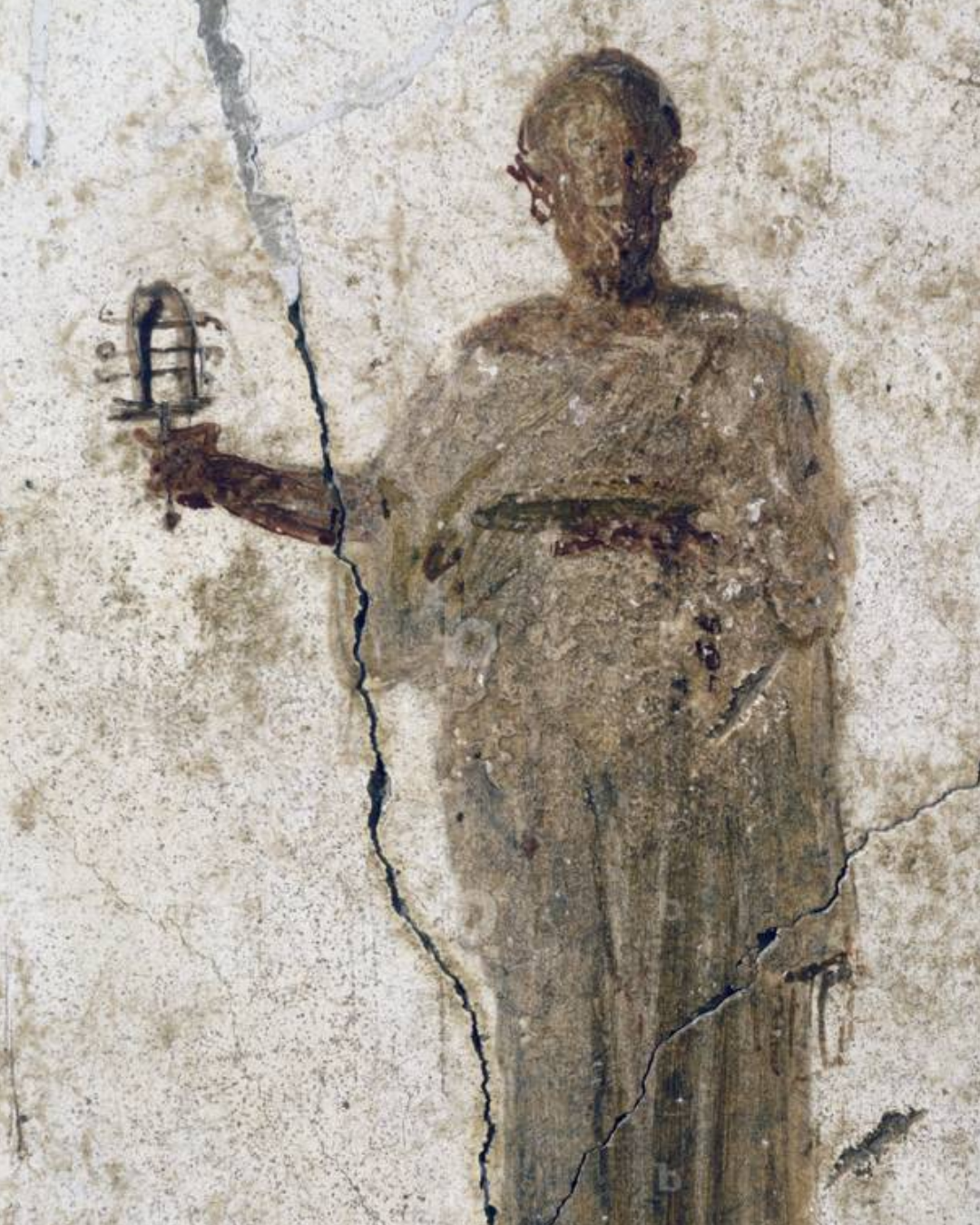
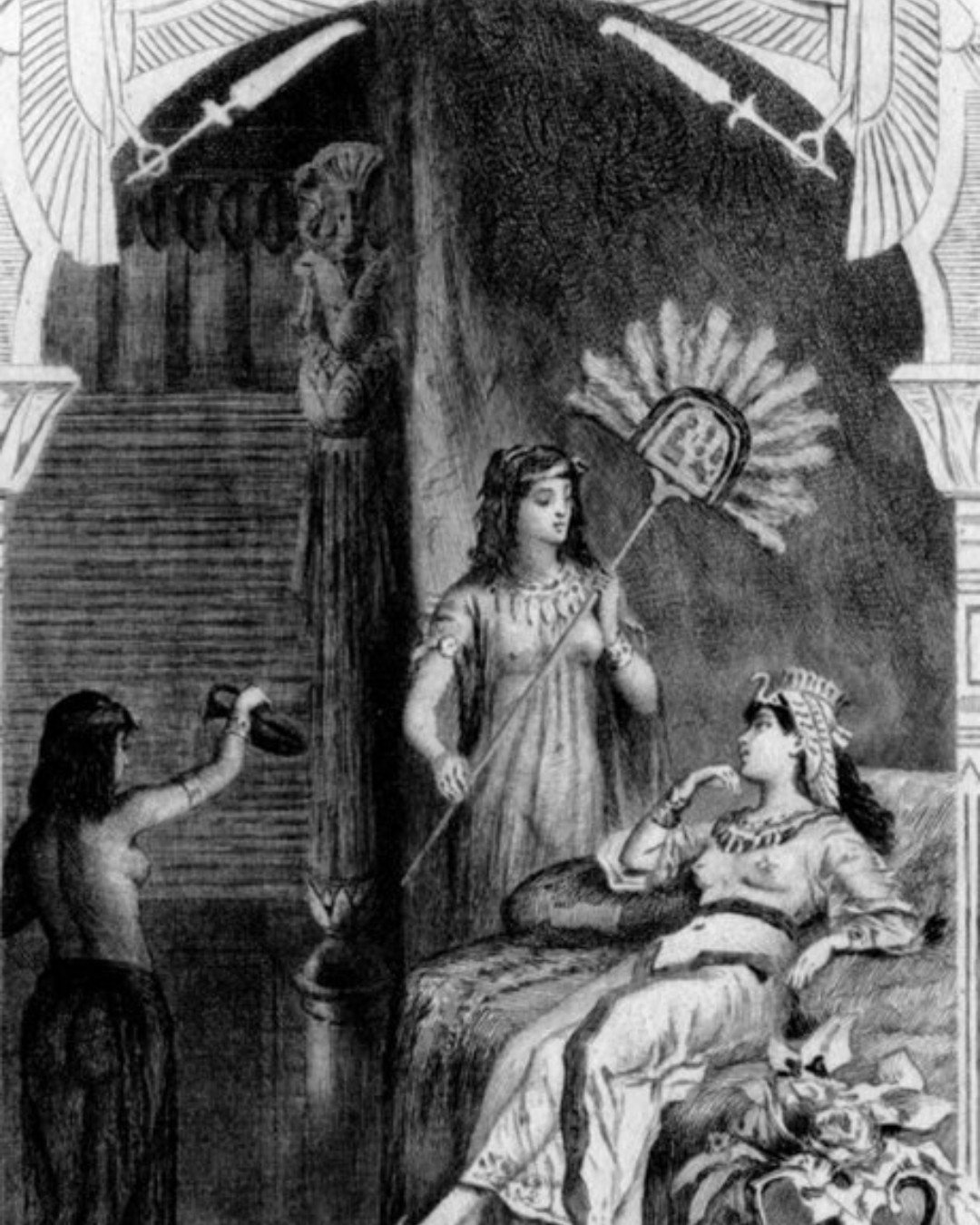
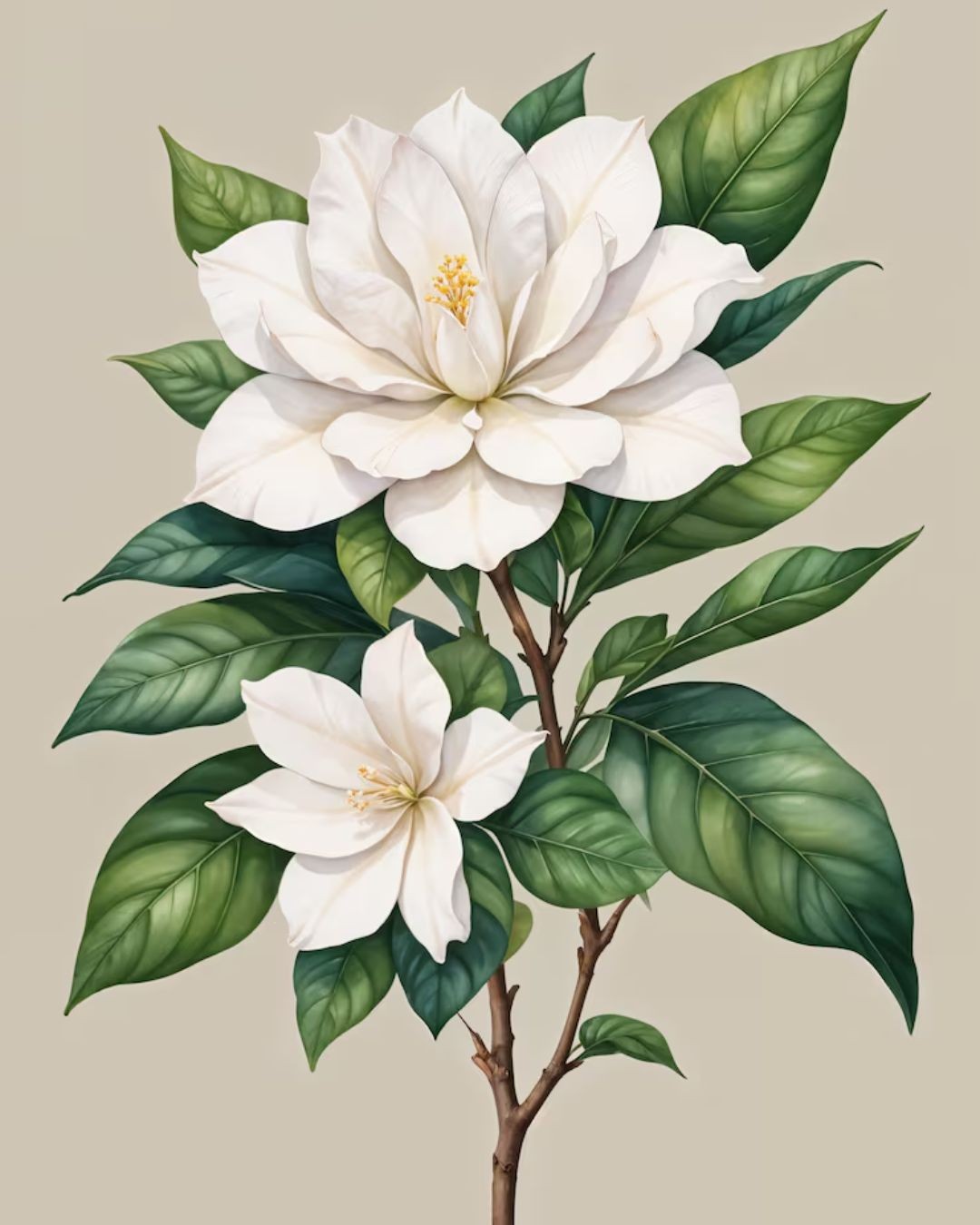
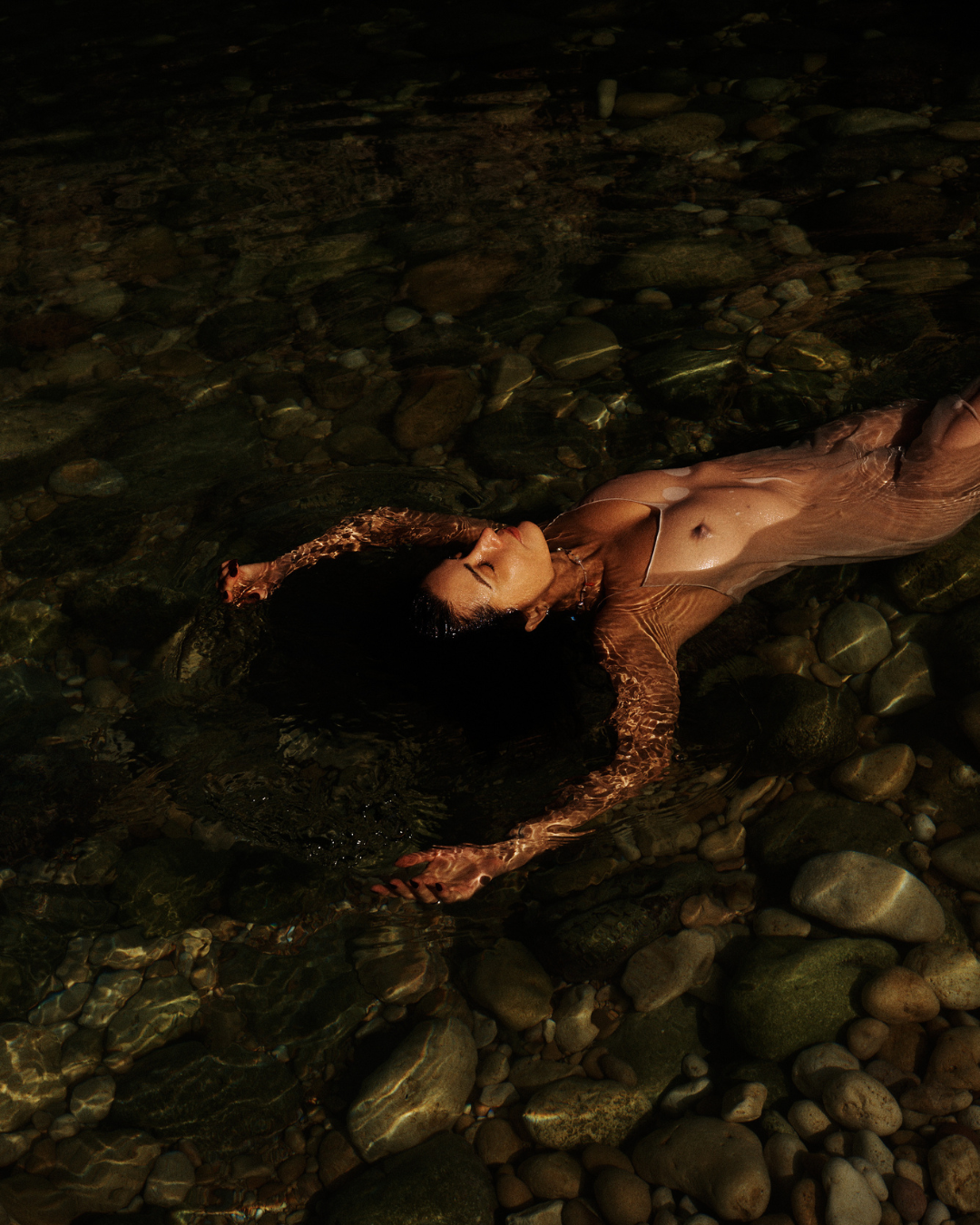
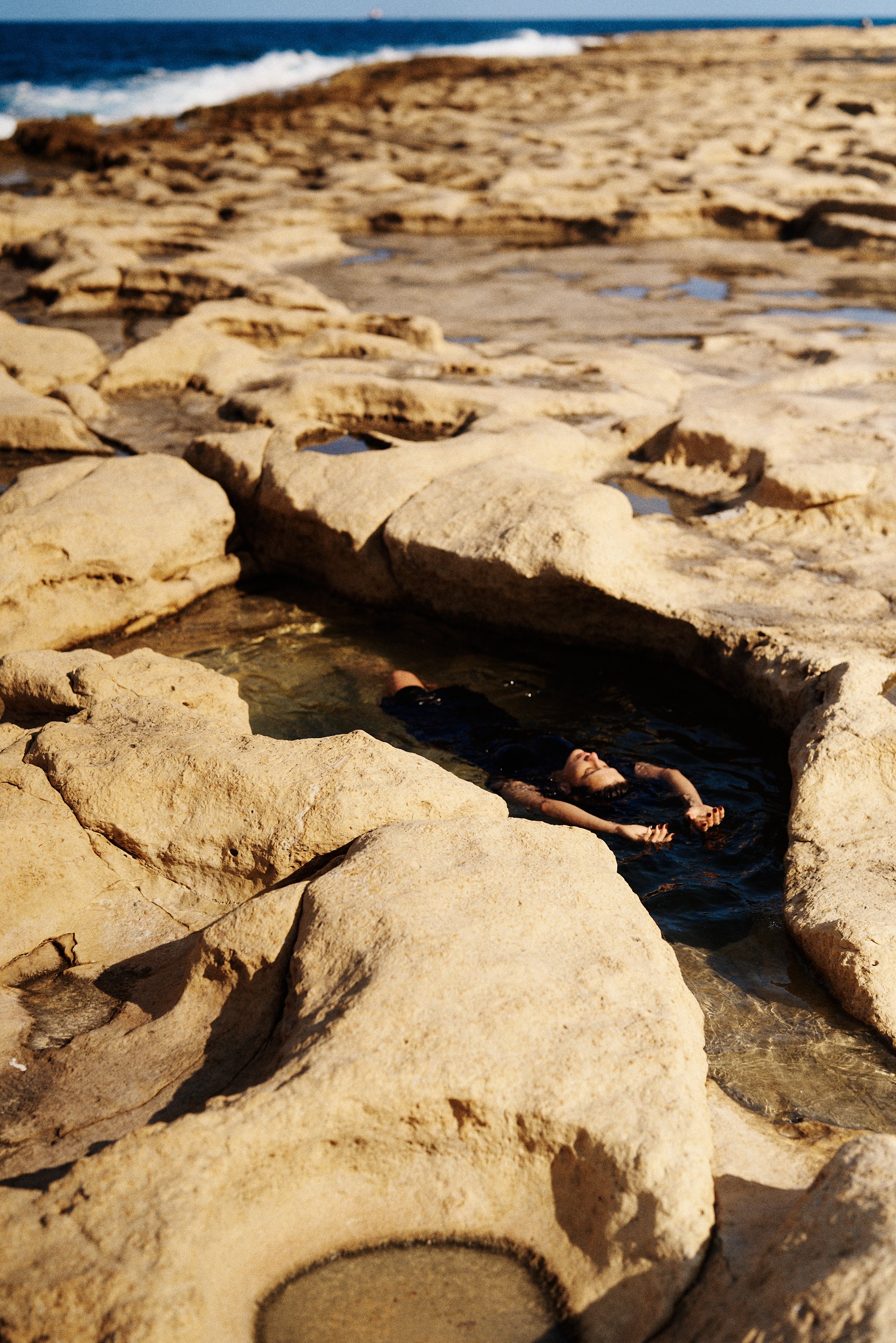
At the centre was the blue lotus, Nymphaea caerulea. Blossoms opening at dawn, closing at dusk — resurrection rehearsed daily on the water. Steeped in wine or pressed into oils, it released compounds that softened the body into euphoria, a dreamlike calm. In banquet murals, guests inhale its scent, wear it in garlands, their half-smiles whispering intoxication. Cosmic theatre disguised as private pleasure.
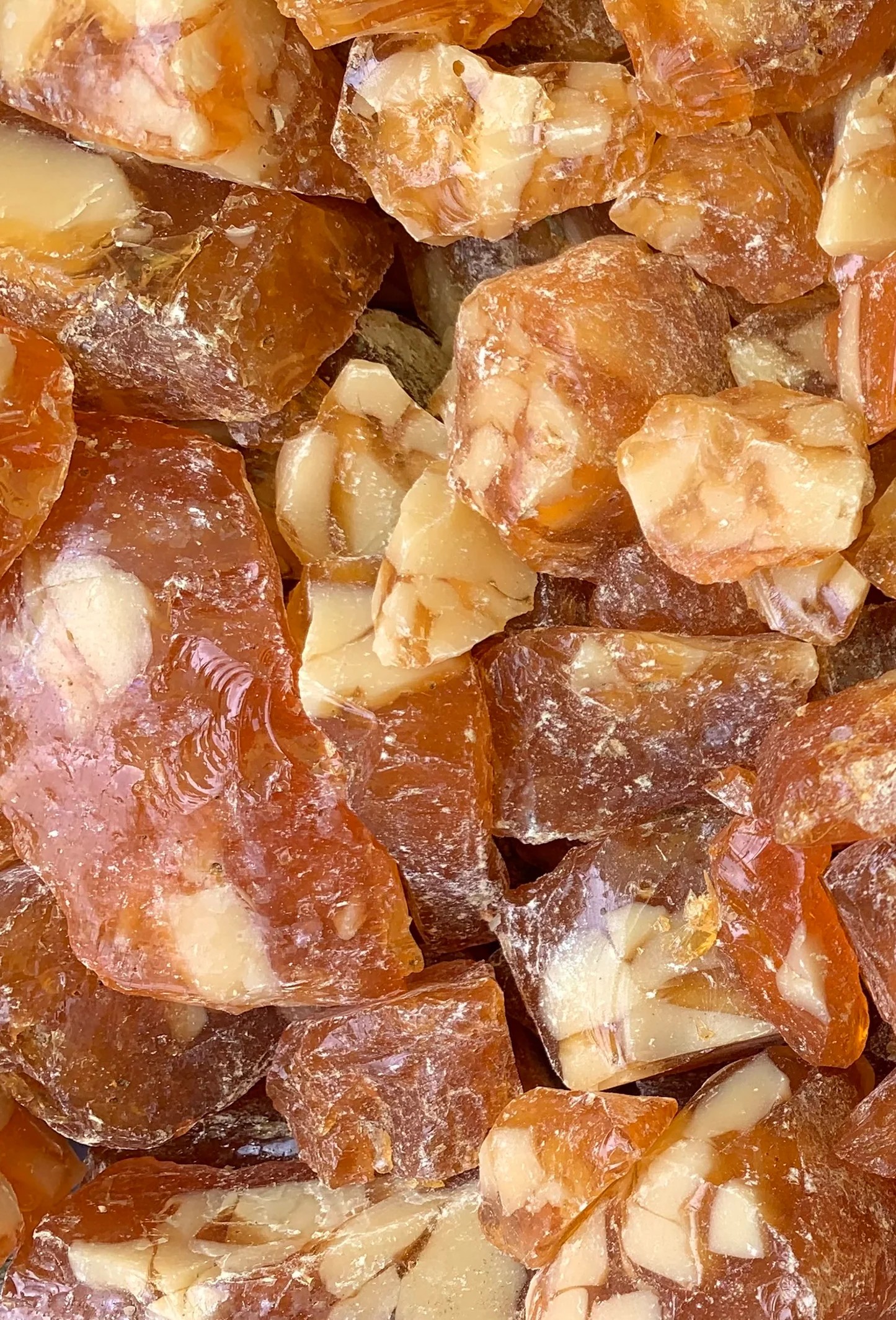
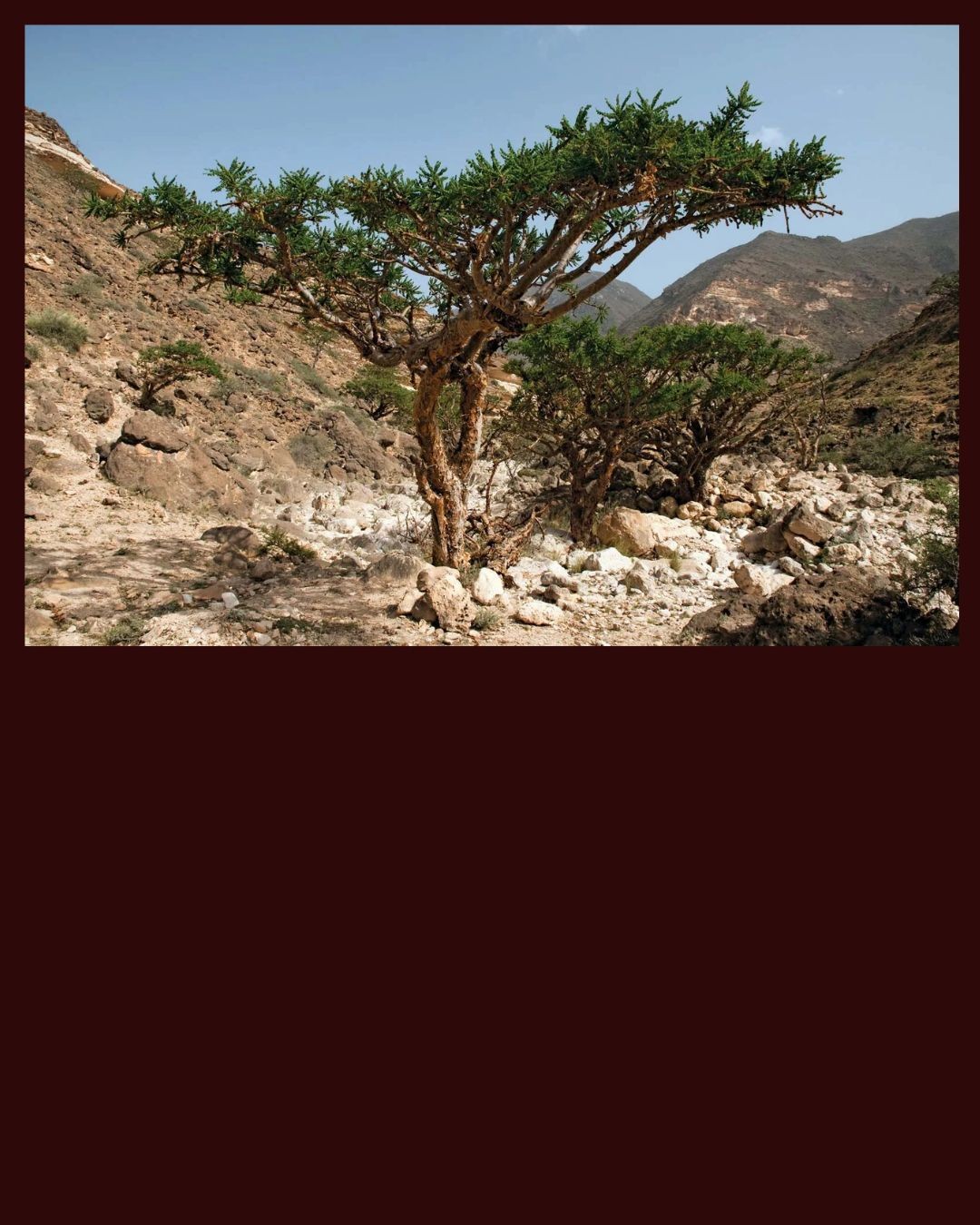
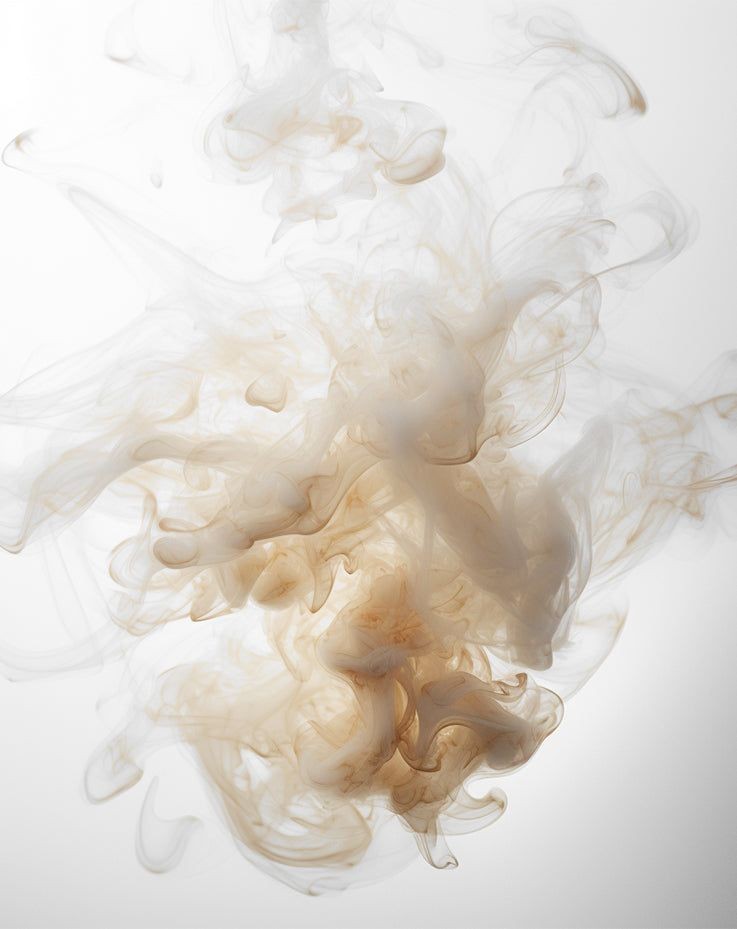
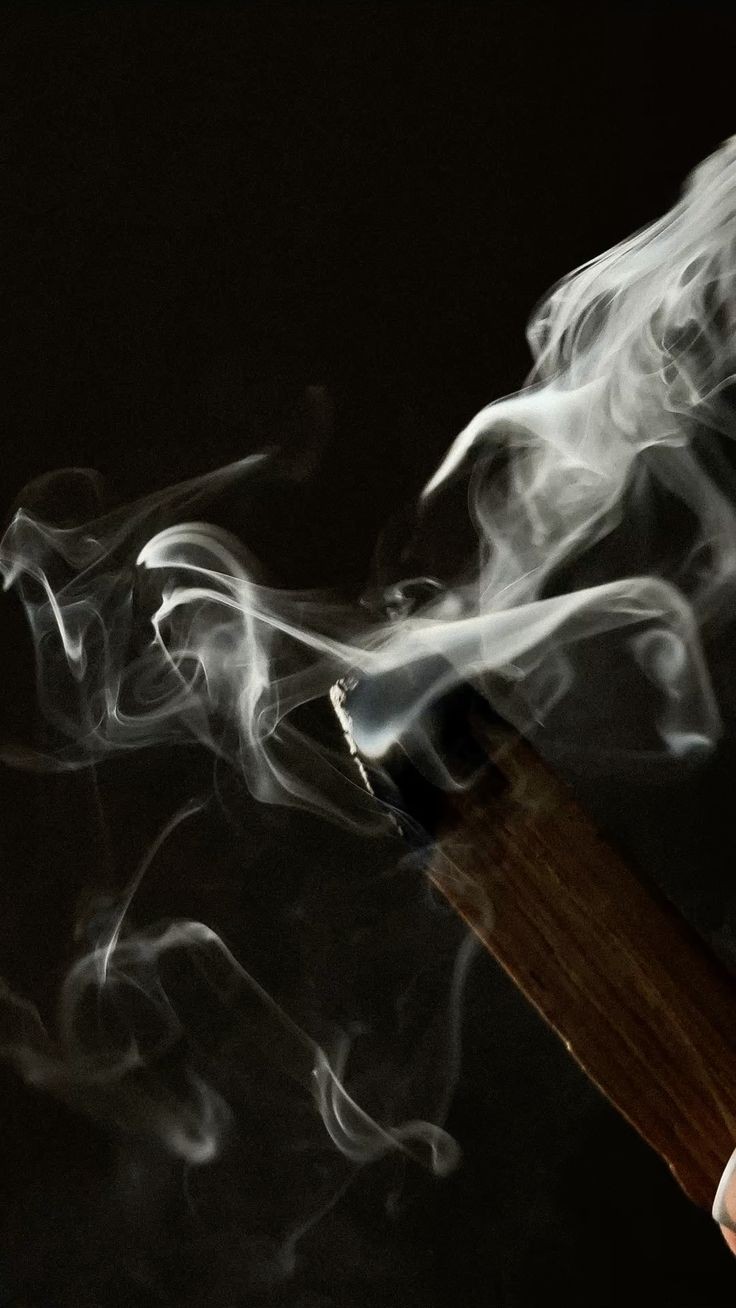
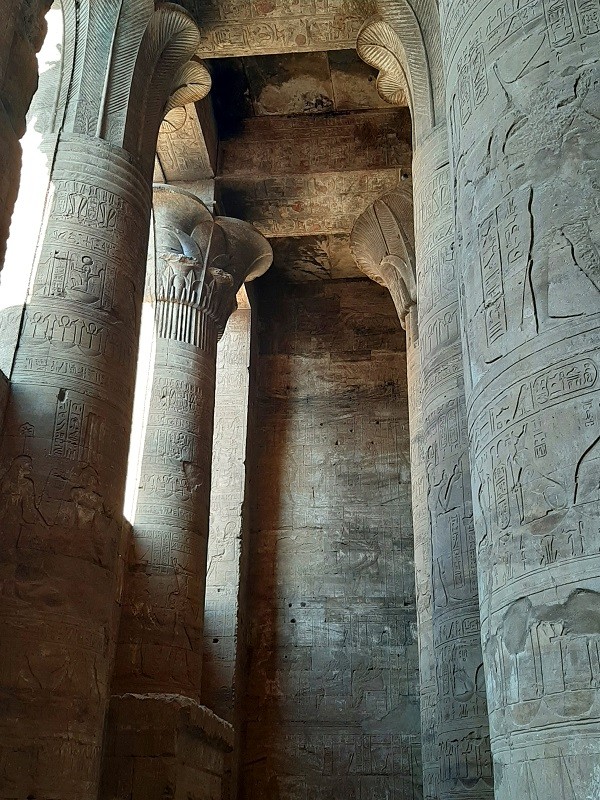
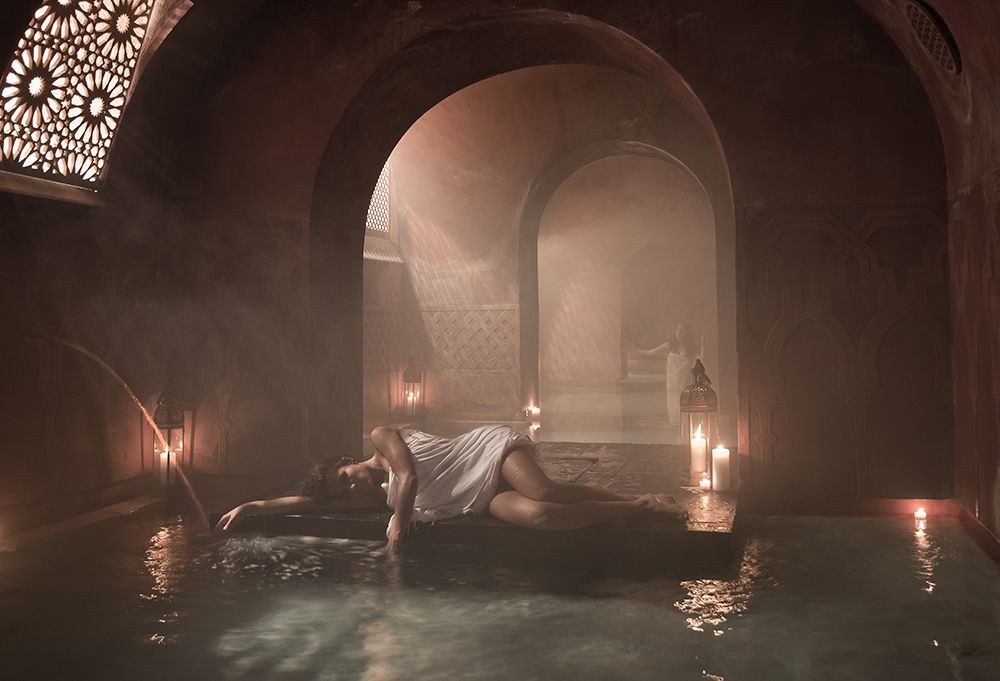
Then there was kyphi, Egypt's signature incense. Honey, raisins, myrrh, cinnamon, wine. Plutarch said it "banishes the weariness of day" — code for a compound that could intoxicate as much as perfume. Burned in temples, it turned stone halls into perfumed theatre. Infused into drink, it carried the body faster. Smoke, scent, suggestion — a choreography of surrender.
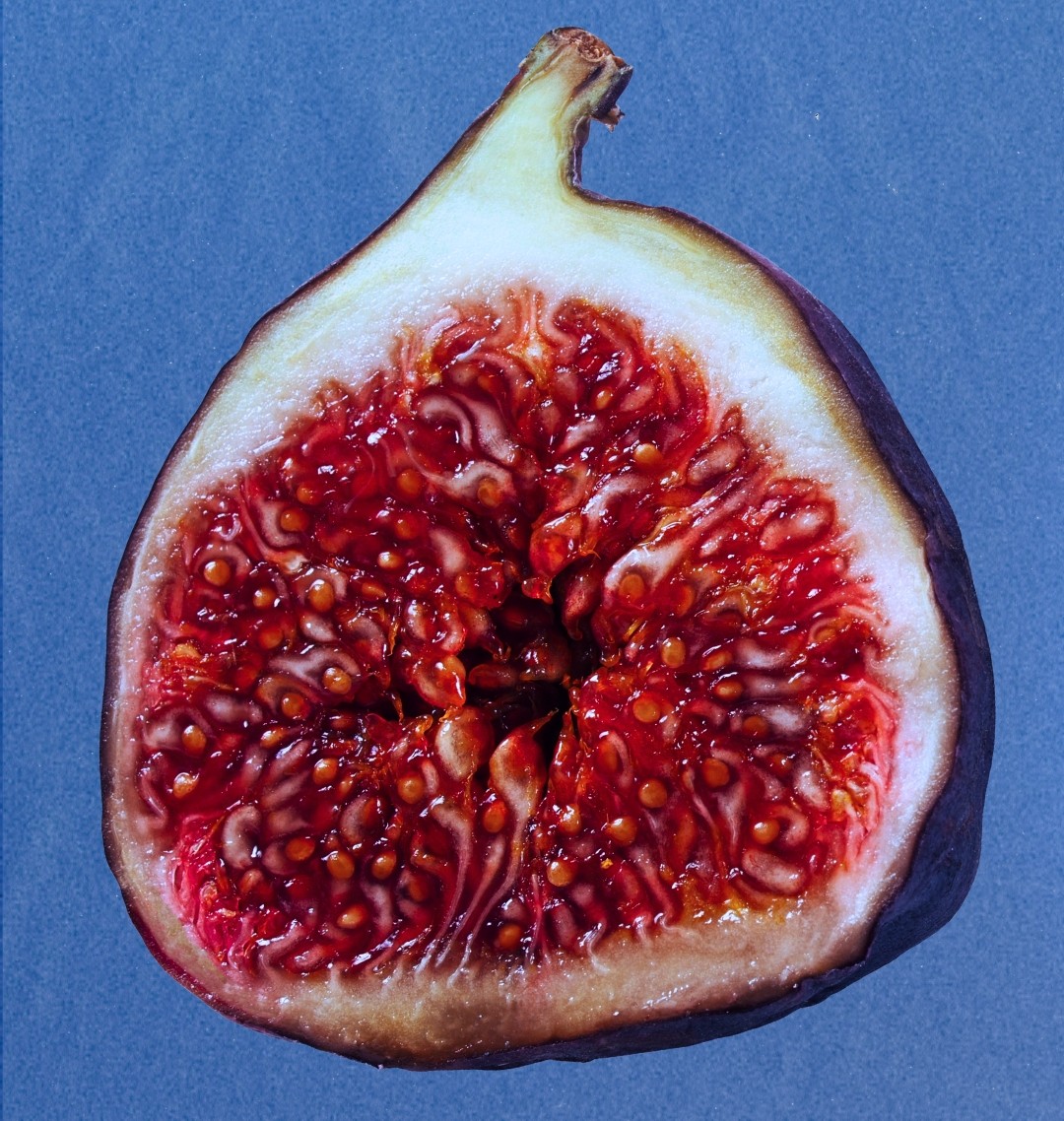
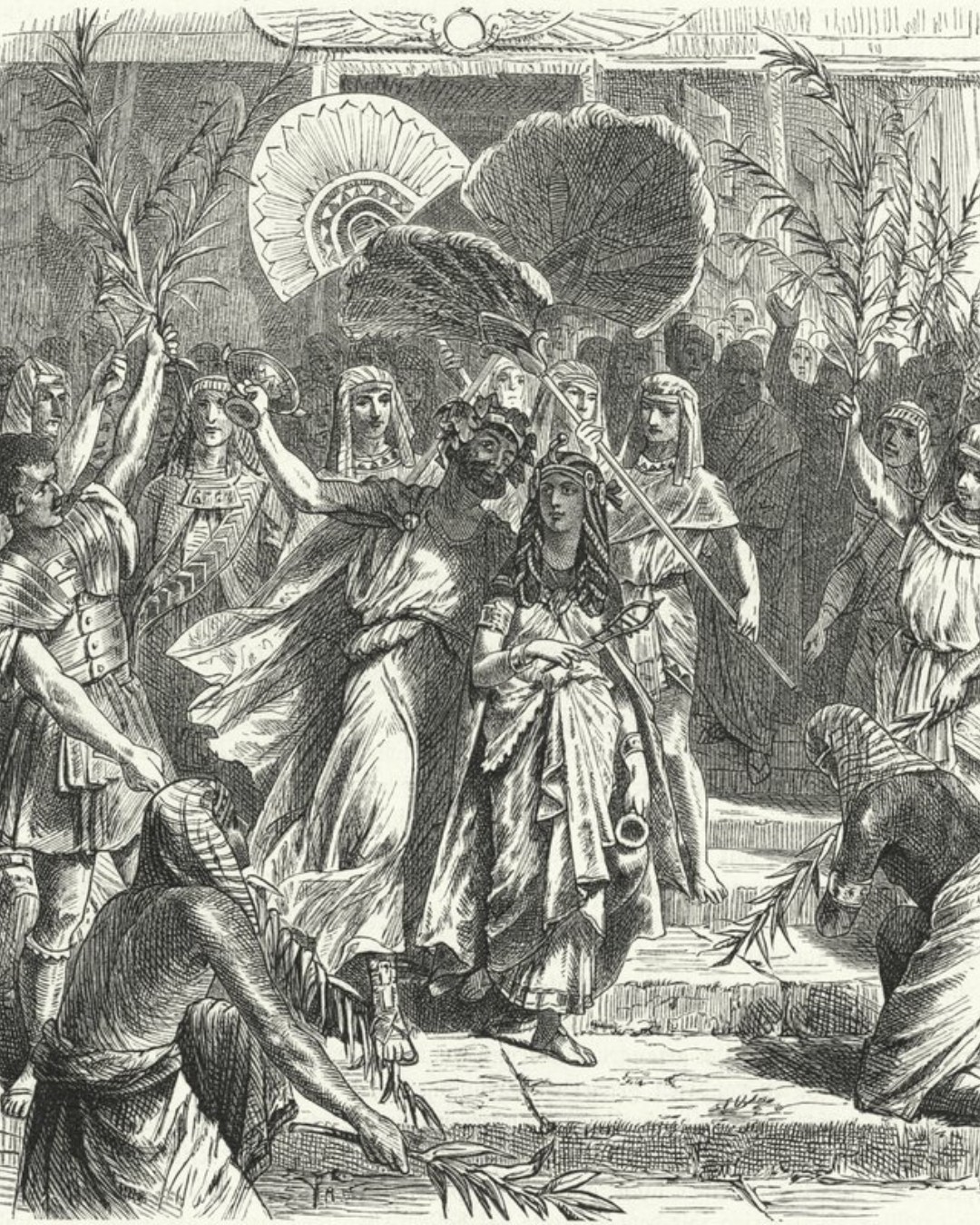
Even wine, once an imported luxury, became ritual. Love poems praise drinking to the point of song. Tomb texts imagine loosening before the gods. Intoxication was offering.
In Egypt, ecstasy was alignment. A curated high designed not to blur reality but to sharpen it — to let the divine in through skin, breath, and song.