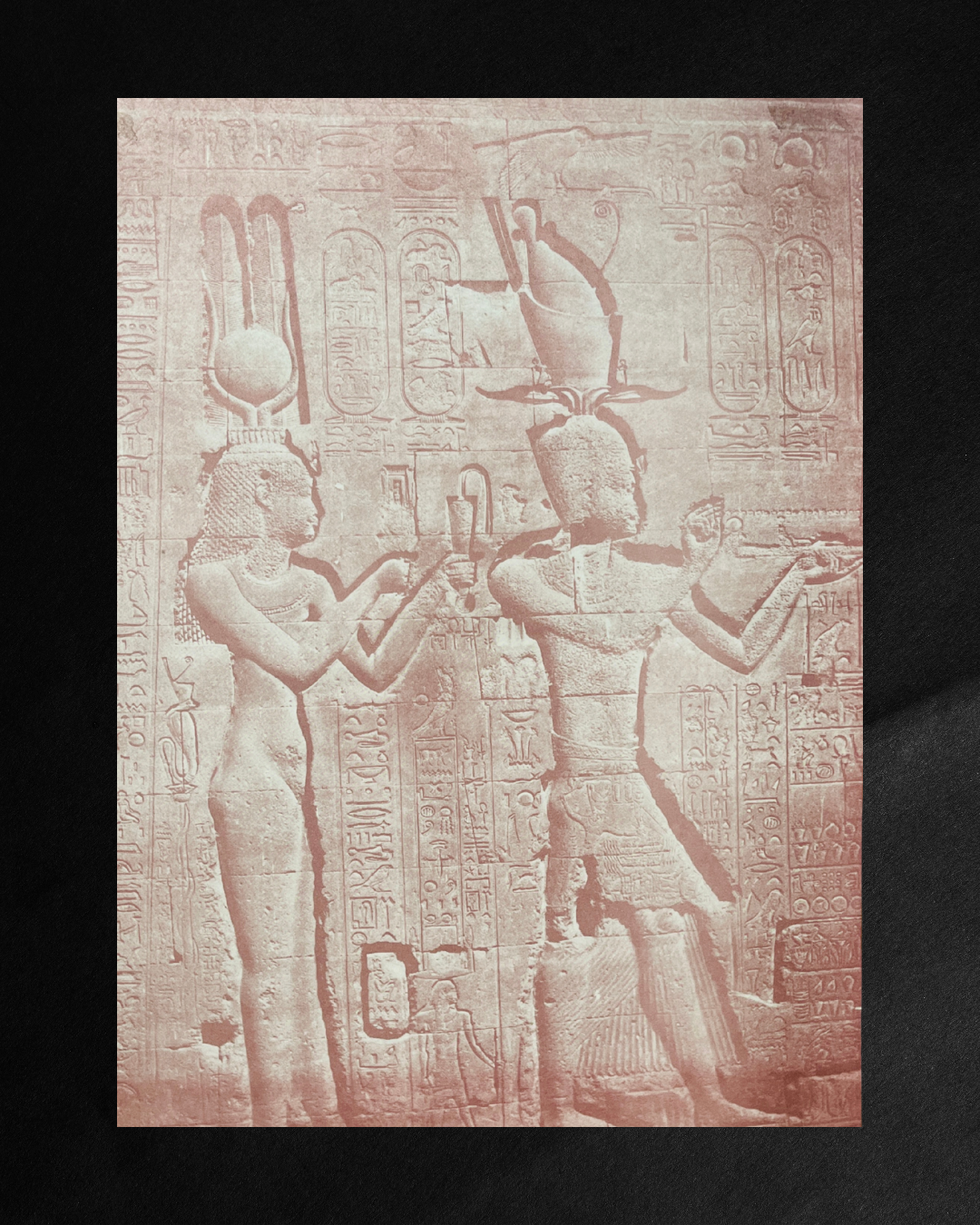
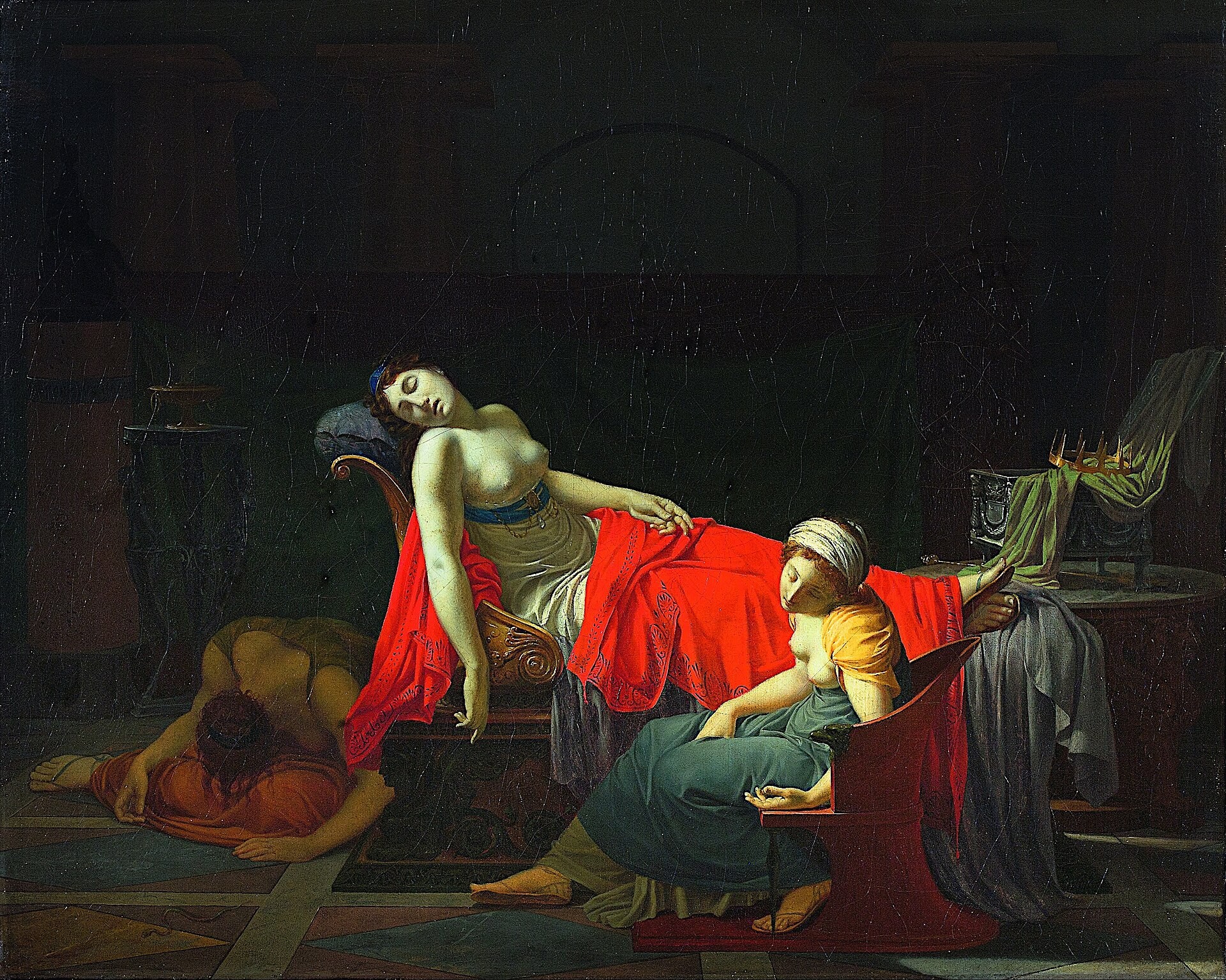
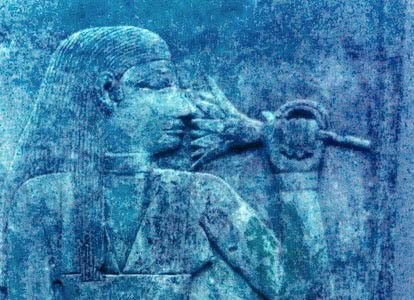
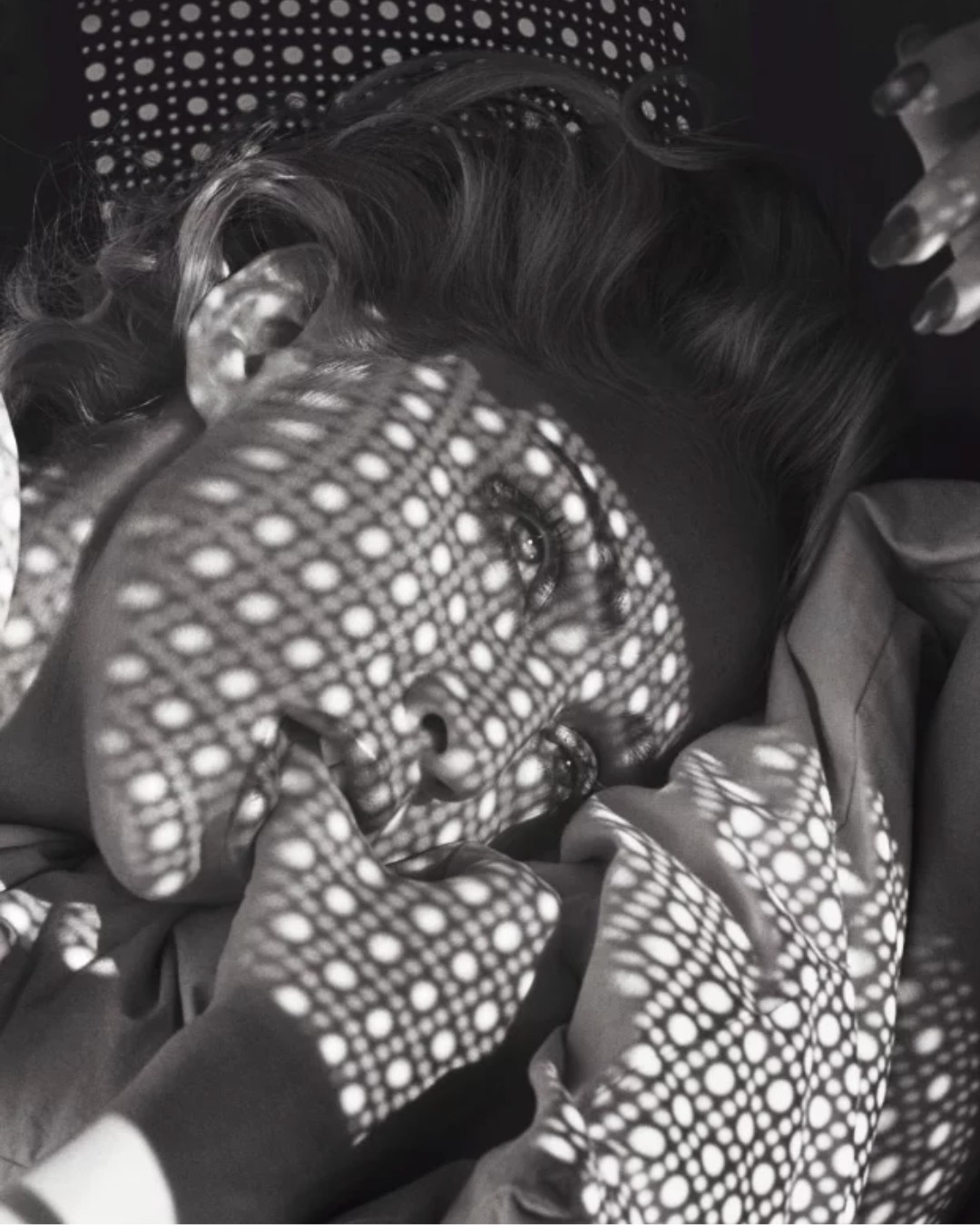
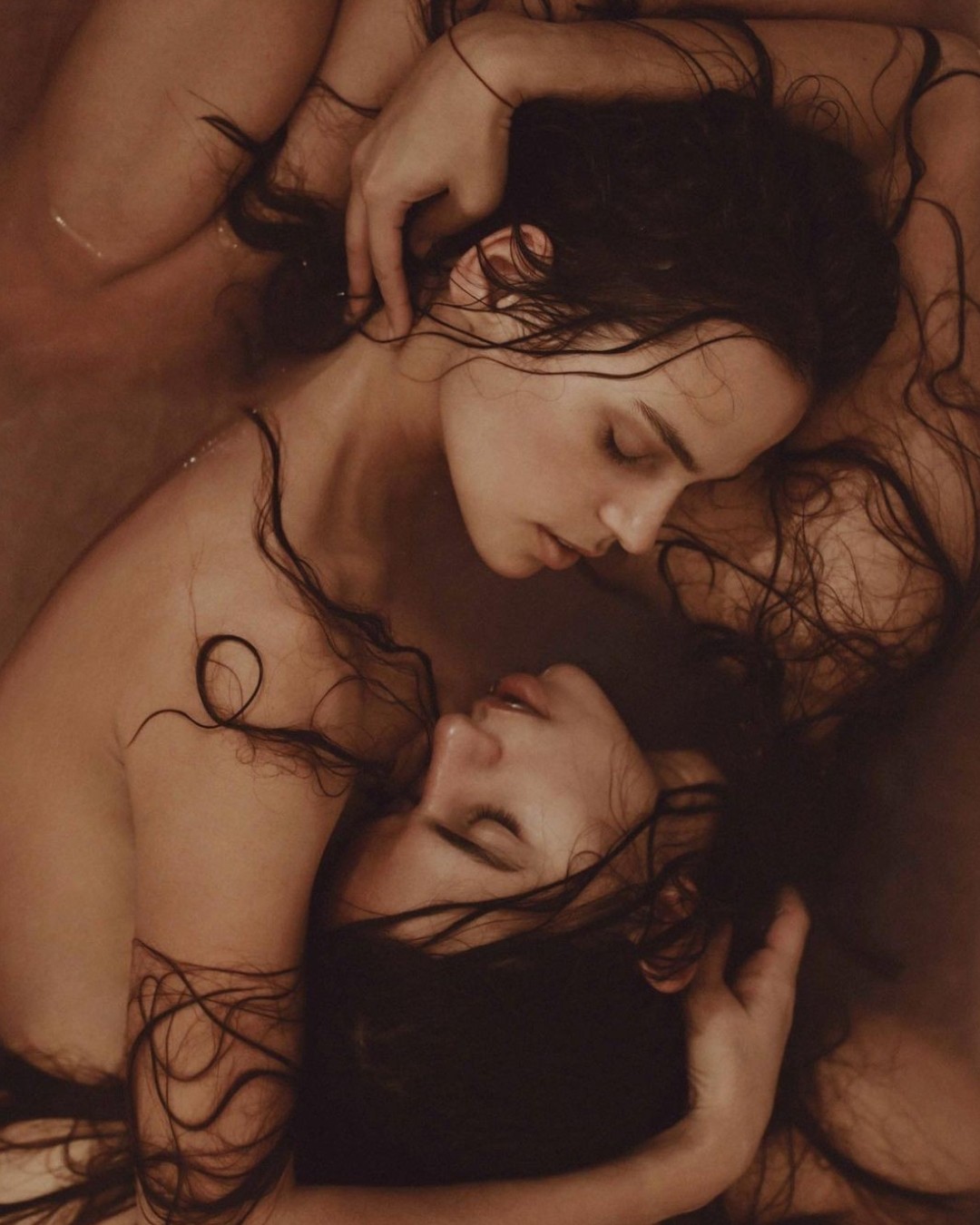
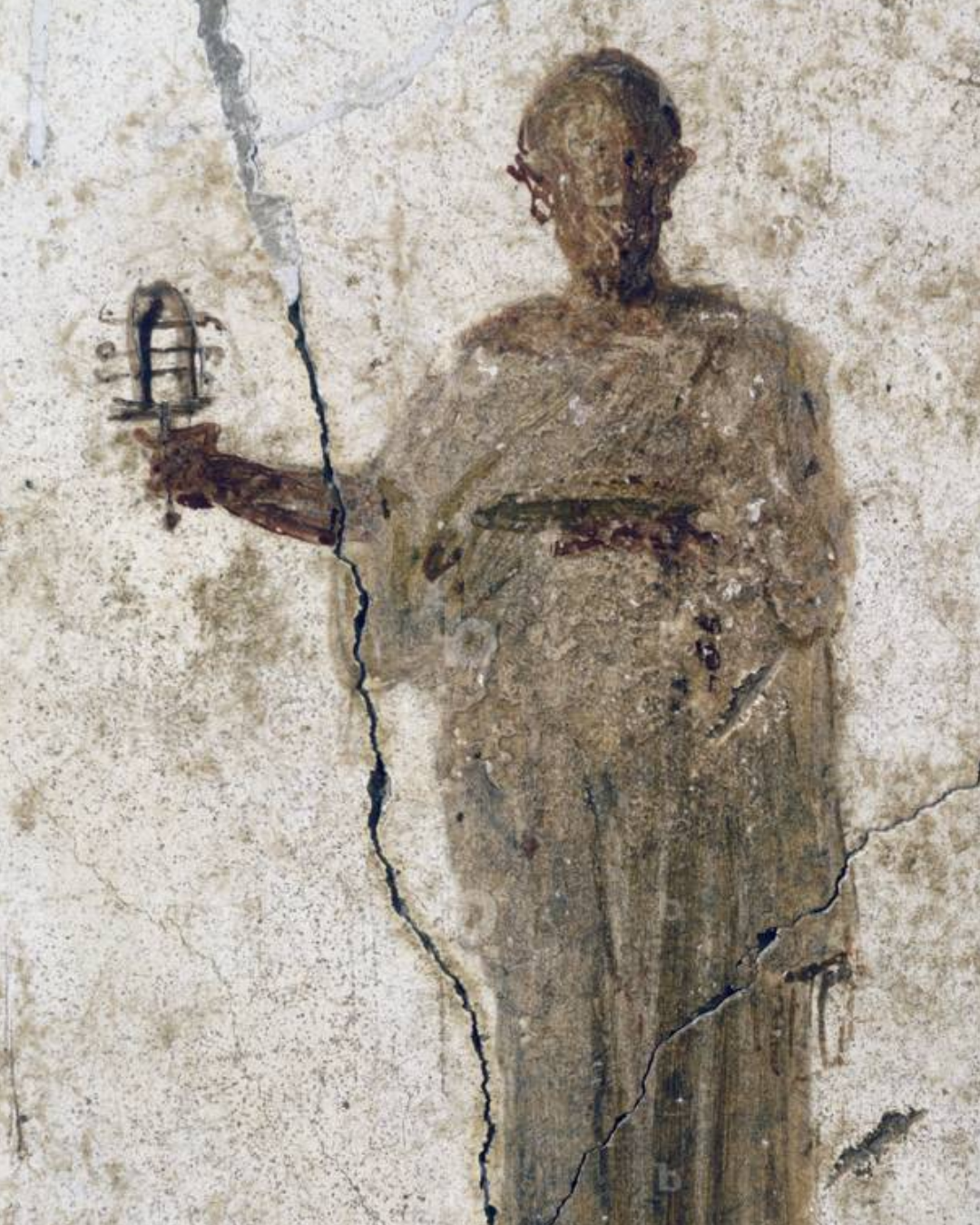
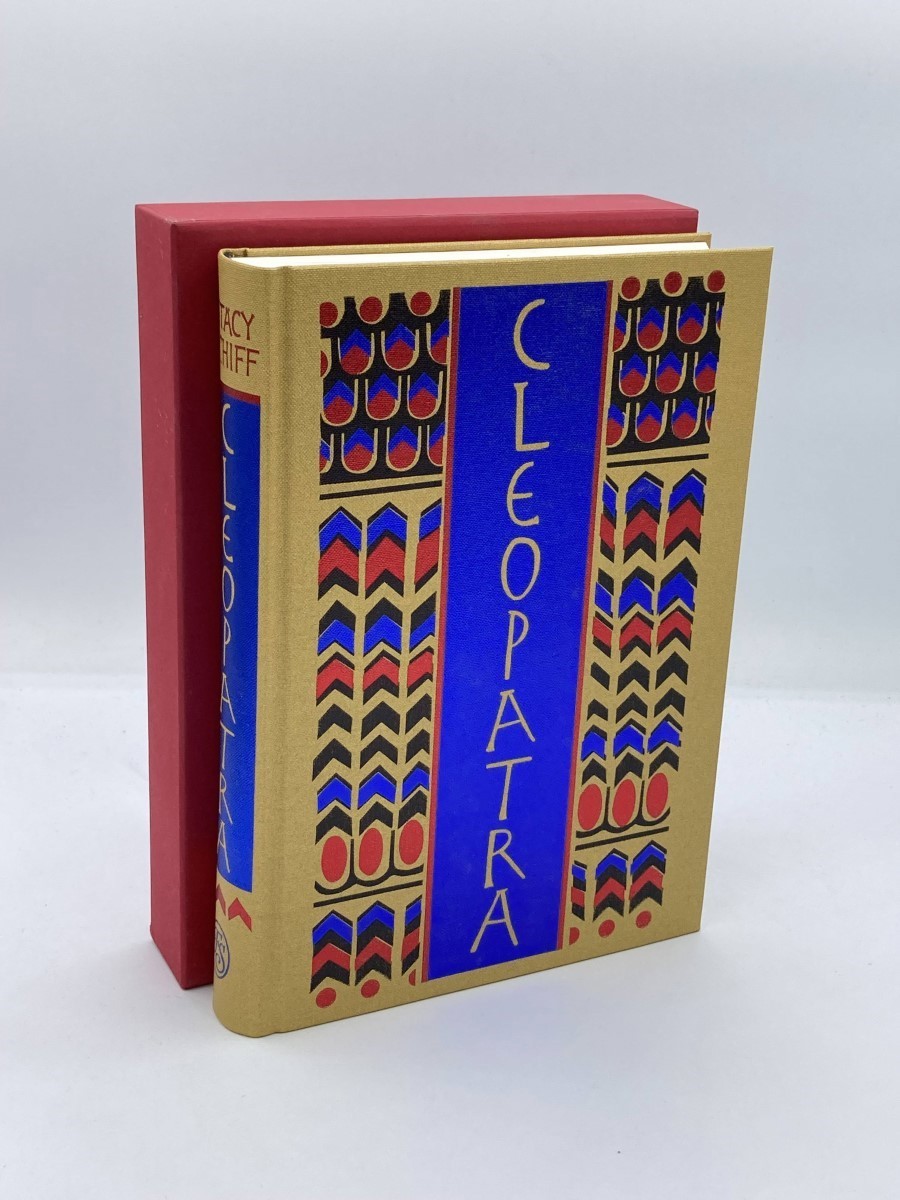
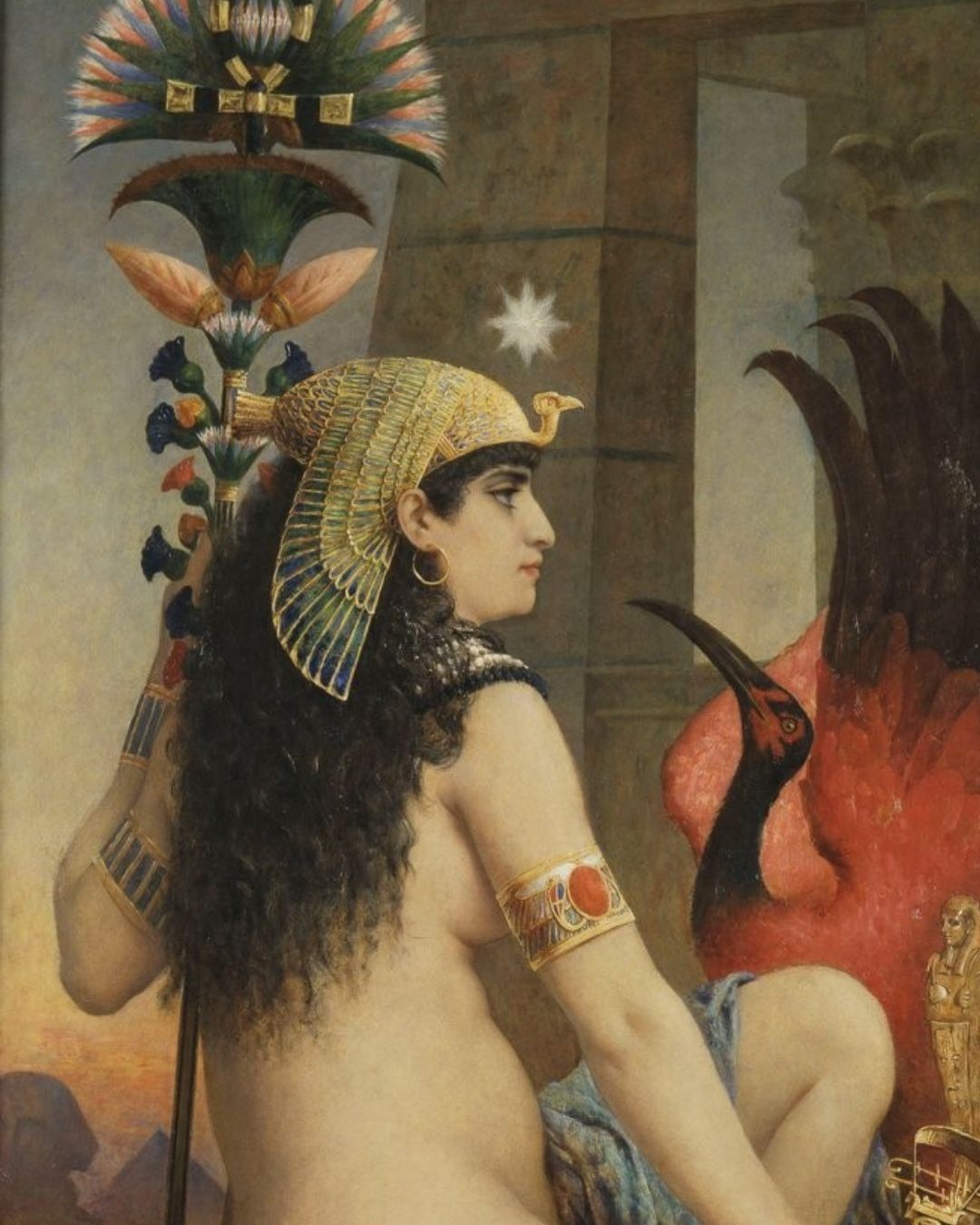
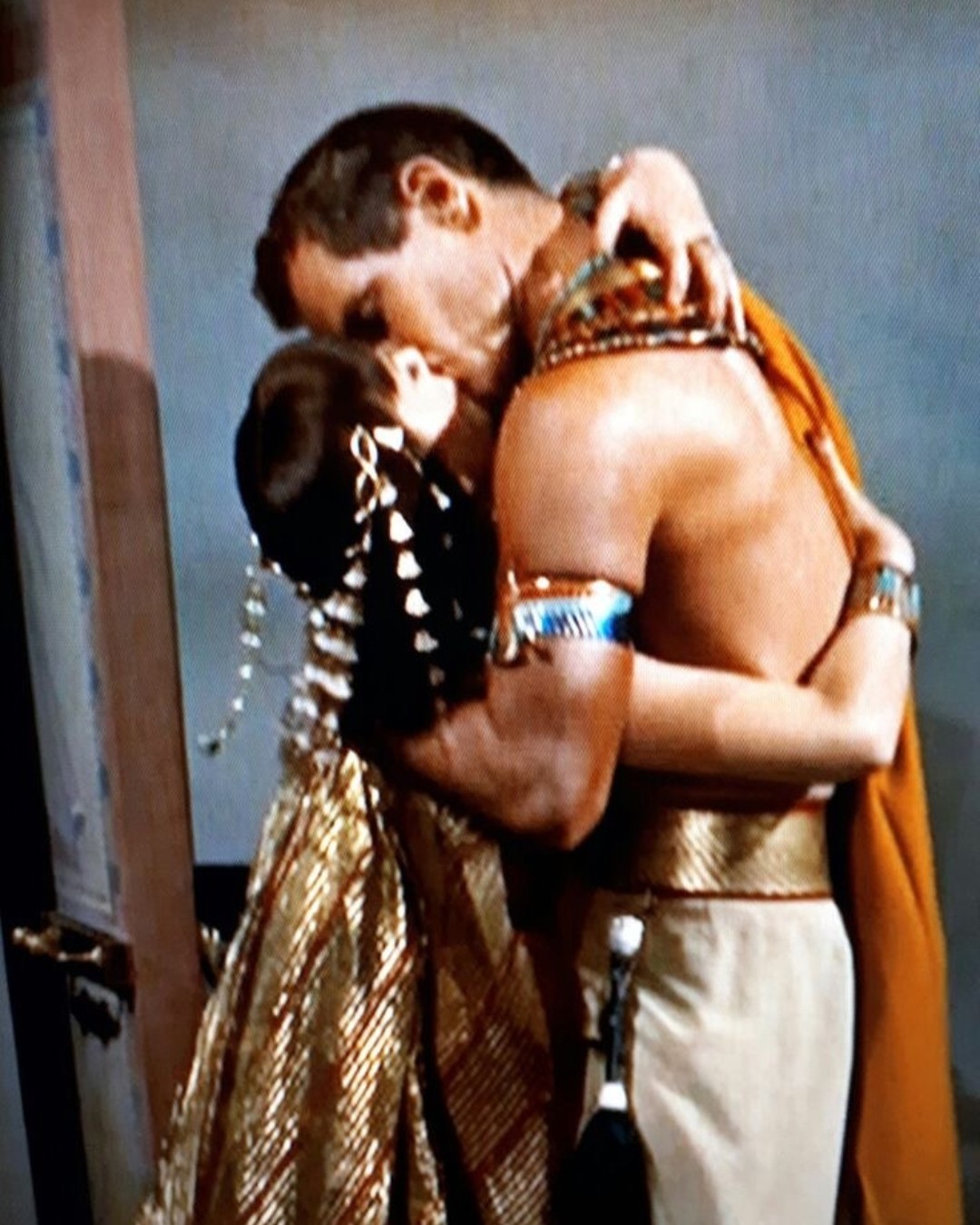
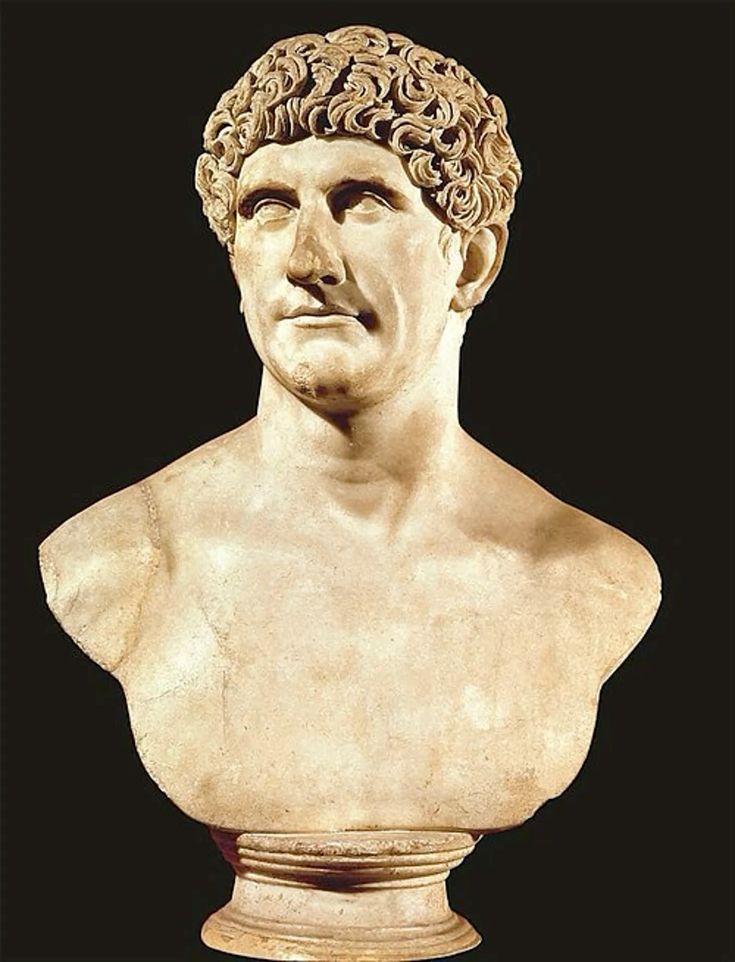
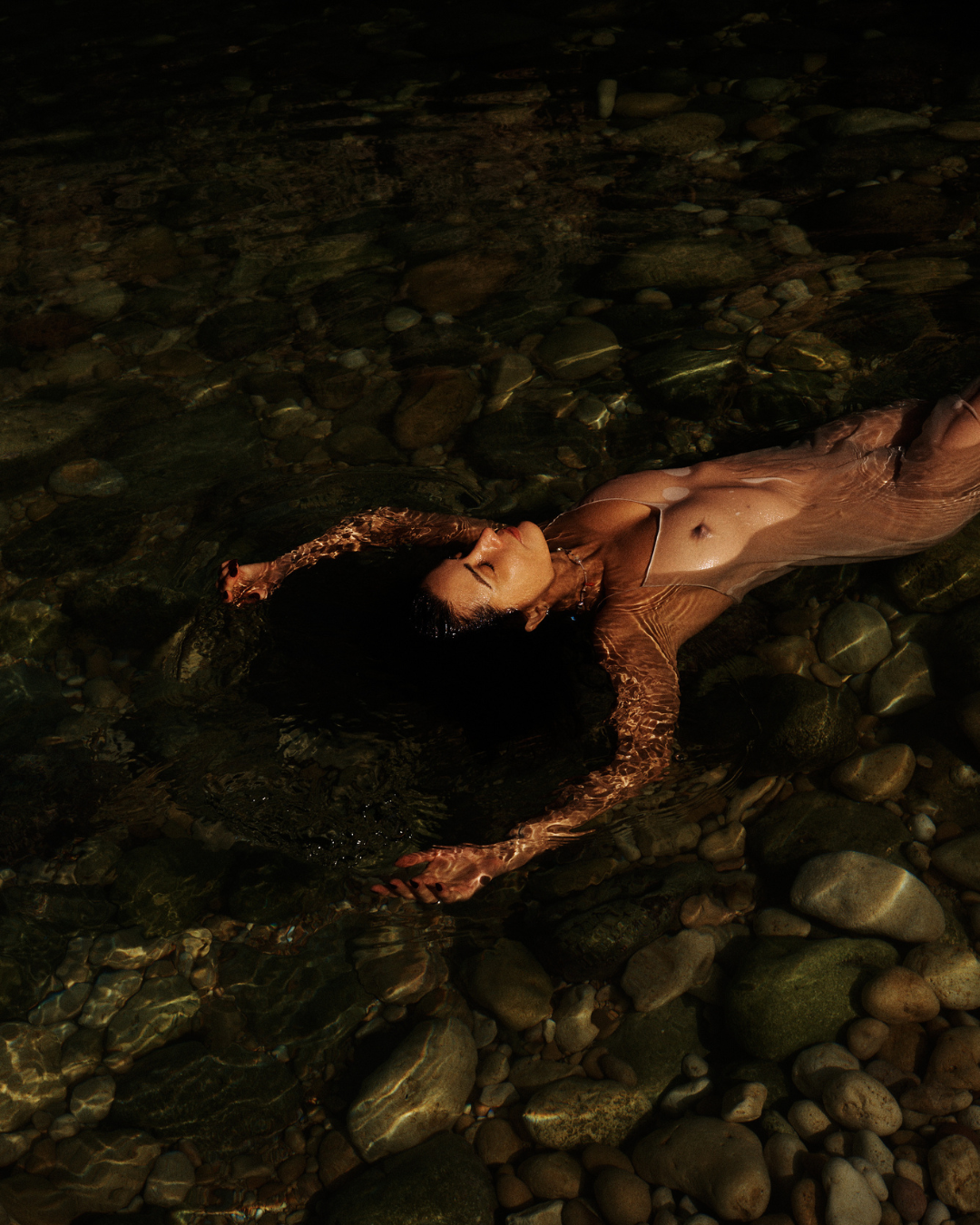
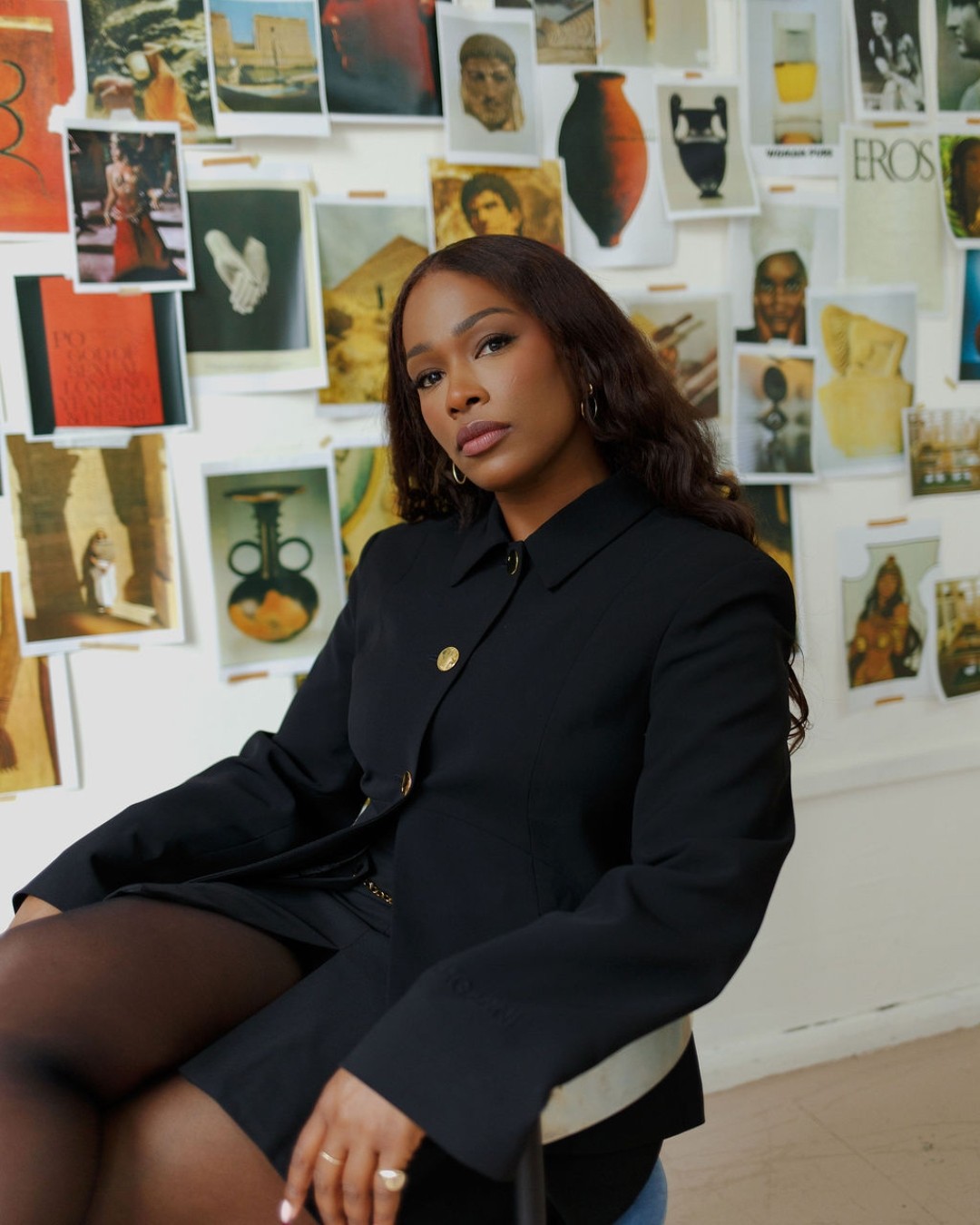
She's been the goddess, the sovereign, the seductress, the strategist.
For over a century, Hollywood has been obsessed with one question: who gets to wear the crown? From silent film vamps to Netflix controversies, every generation has remade Cleopatra in its own image — part historical figure, part cultural mirror reflecting what we desire, fear, or need from our queens.
Watch the progression like archaeological layers: each portrayal revealing not just the actress, but the era that shaped her.
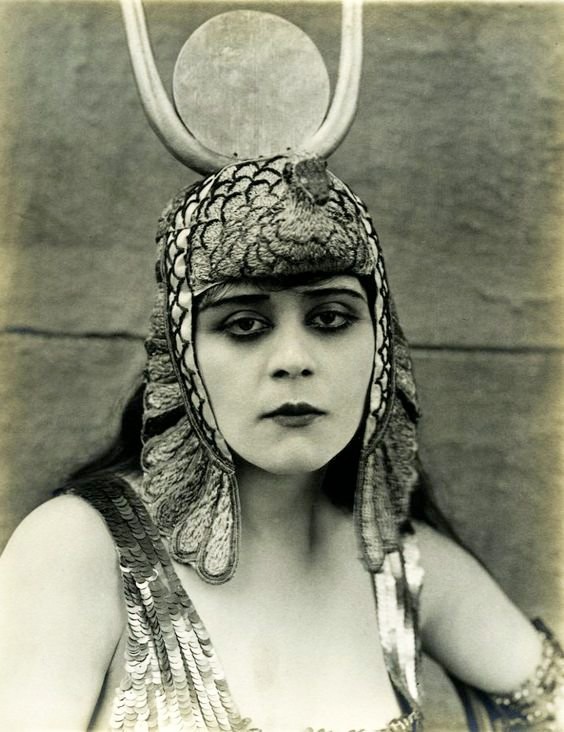
Theda Bara – Cleopatra (1917)
Hollywood's original "Vamp" turned the queen into pure fatal glamour. Most of the film burned in studio fires, but the legend survived: bare midriff, kohled eyes, scandal radiating from every glance. America's first cinematic seductress, teaching audiences that some women were too dangerous for daylight.
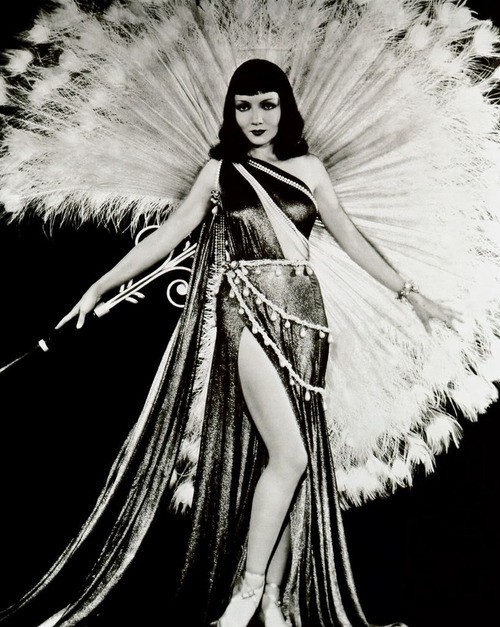
Claudette Colbert – Cleopatra (1934)
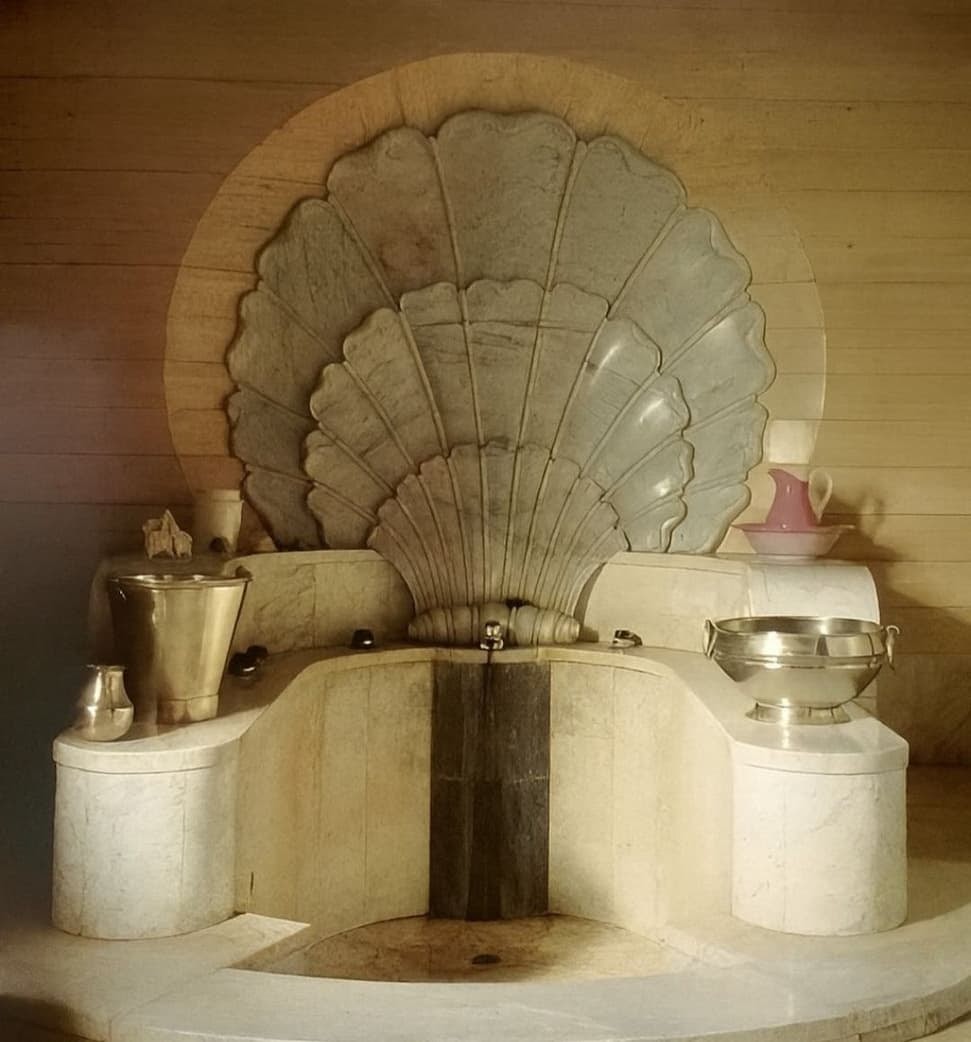
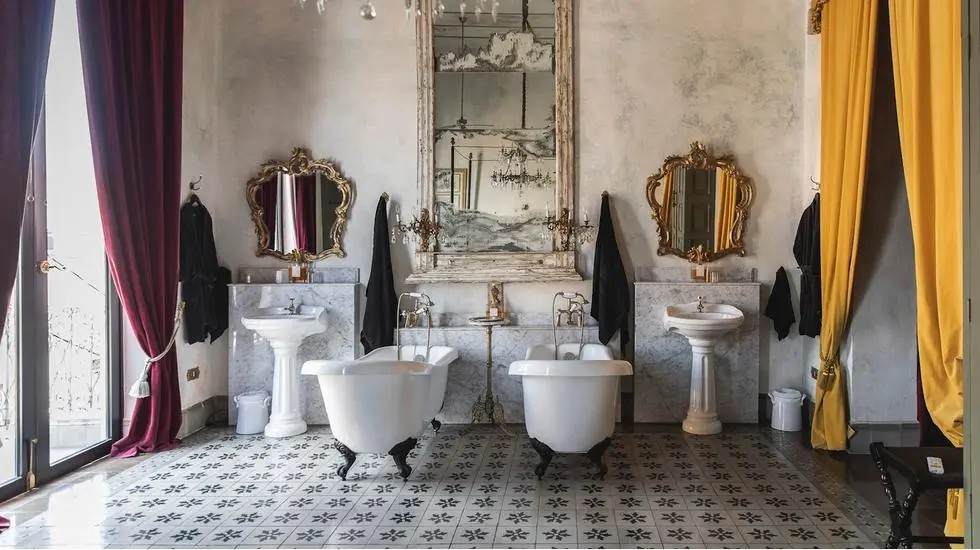
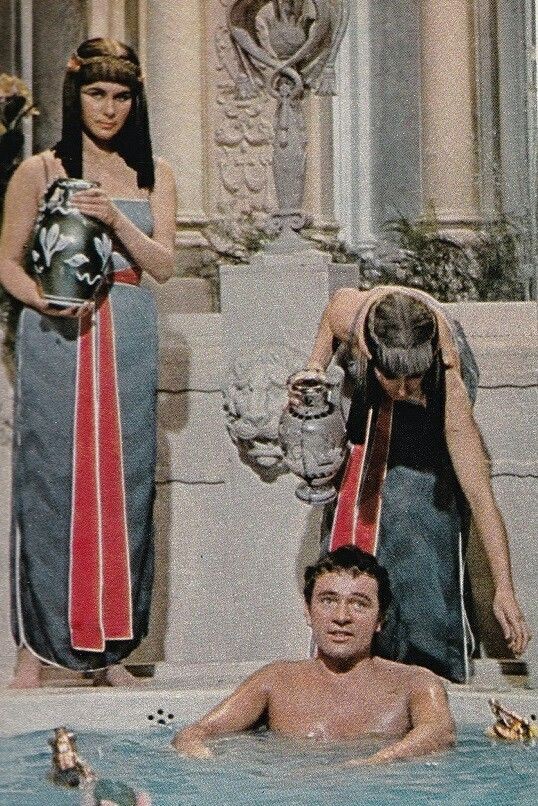
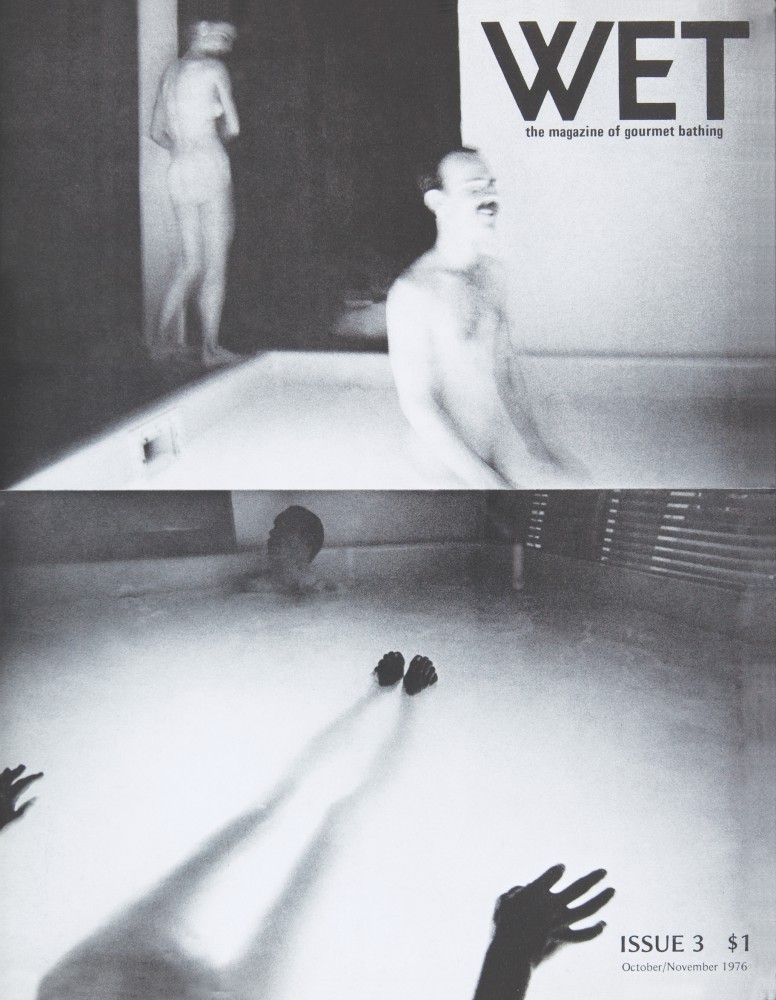
Cecil B. DeMille's Art Deco fever dream. Colbert's queen lounged in milk baths and commanded with winks — witty, stylish, unapologetically sexual. Depression-era audiences needed glamour they couldn't afford, and Colbert delivered it in golden buckets.
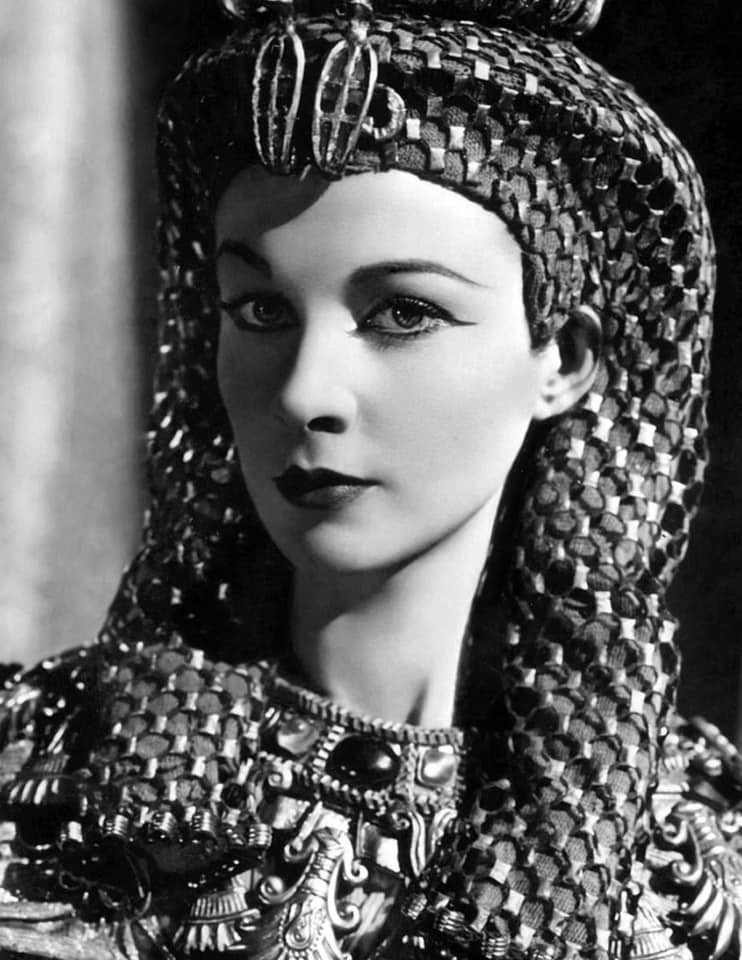
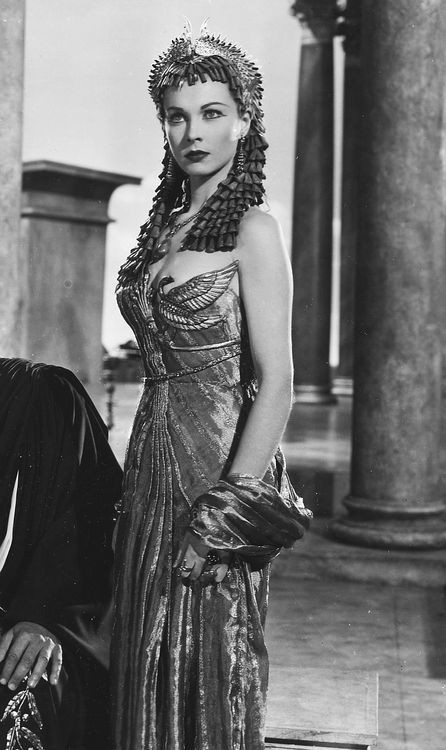
Vivien Leigh – Caesar and Cleopatra (1945)
Shaw's Cleopatra reimagined as intellectual apprentice rather than finished seductress. Leigh played the queen-in-making with poise and flashes of mischief — war-weary Britain preferred their royals complex rather than simply beautiful.
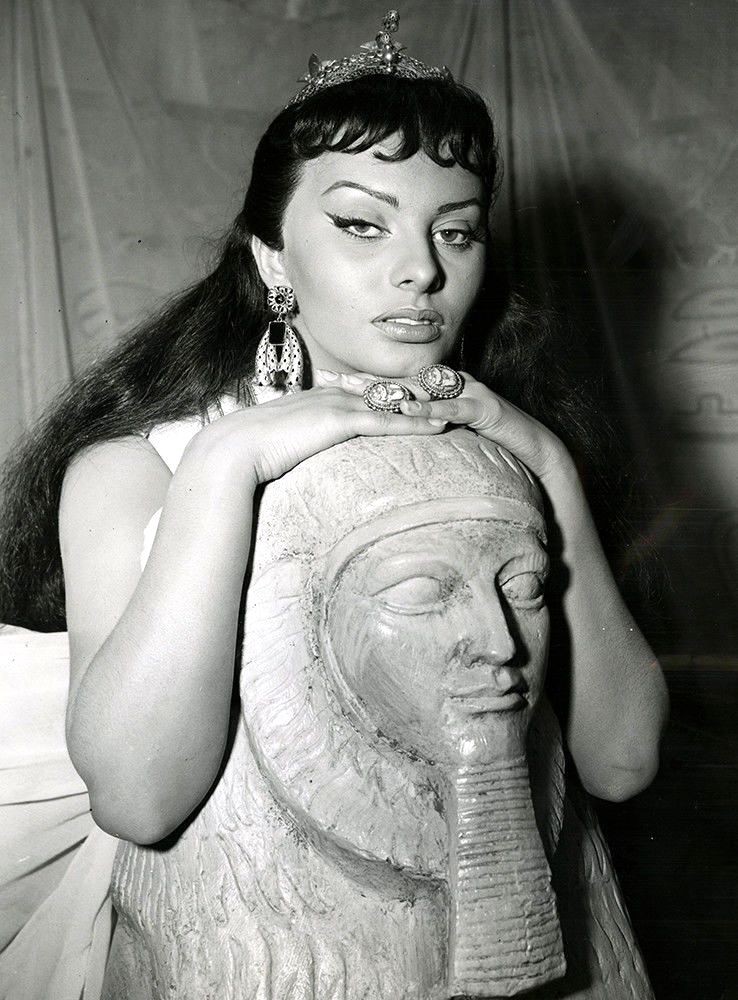
Sophia Loren – Due notti con Cleopatra (1954)
Italian comedy's double delight: Loren as both queen and commoner, switching between glamour and humour with magnetic ease. Post-war Europe understood that sometimes survival required playing multiple roles.
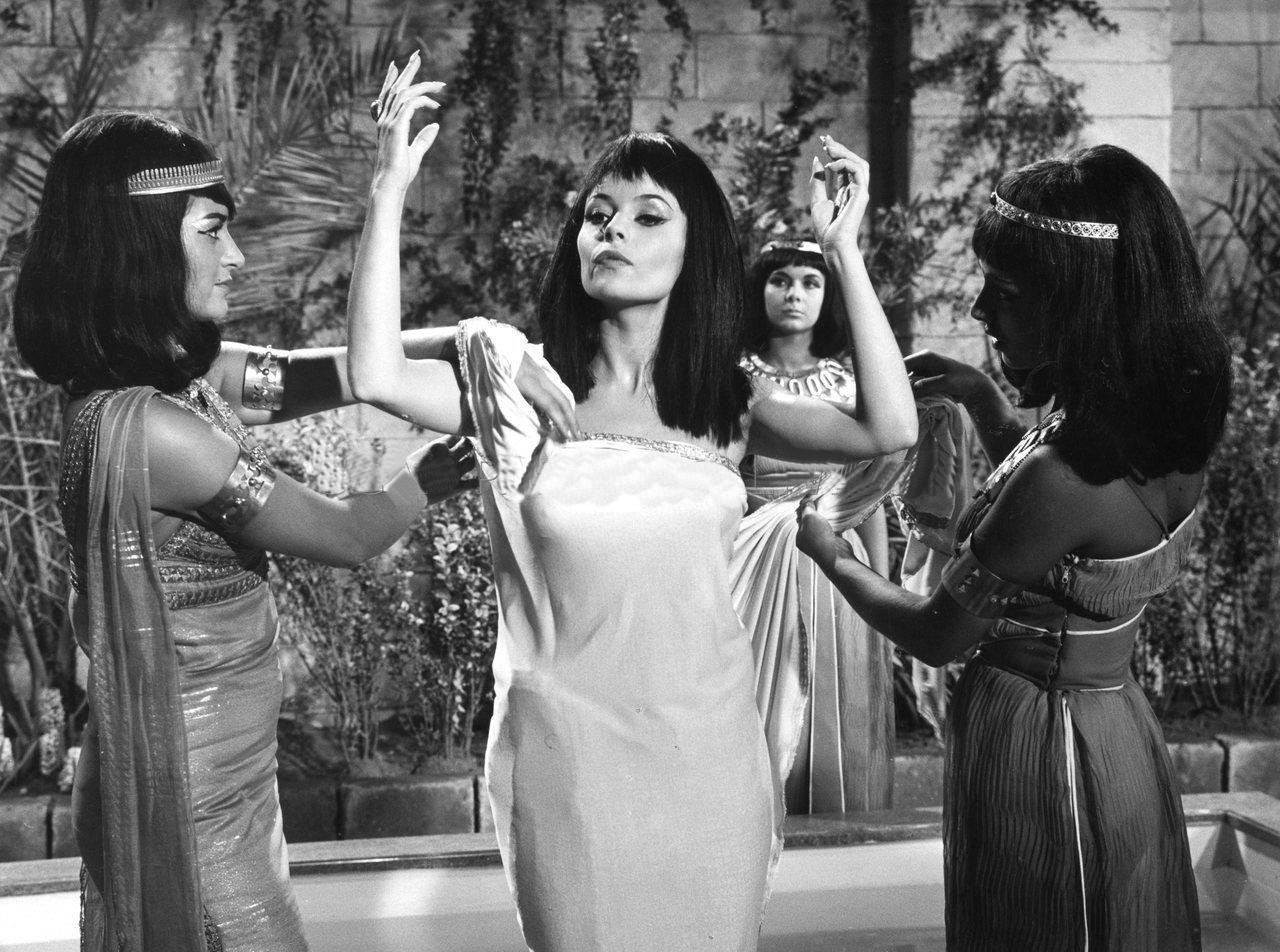
Pascale Petit – A Queen for Caesar (1962)
The forgotten portrayal: regal, calculating, more strategist than temptress. Petit's Cleopatra lived in political shadows rather than romantic light — perhaps too realistic for audiences craving spectacle.
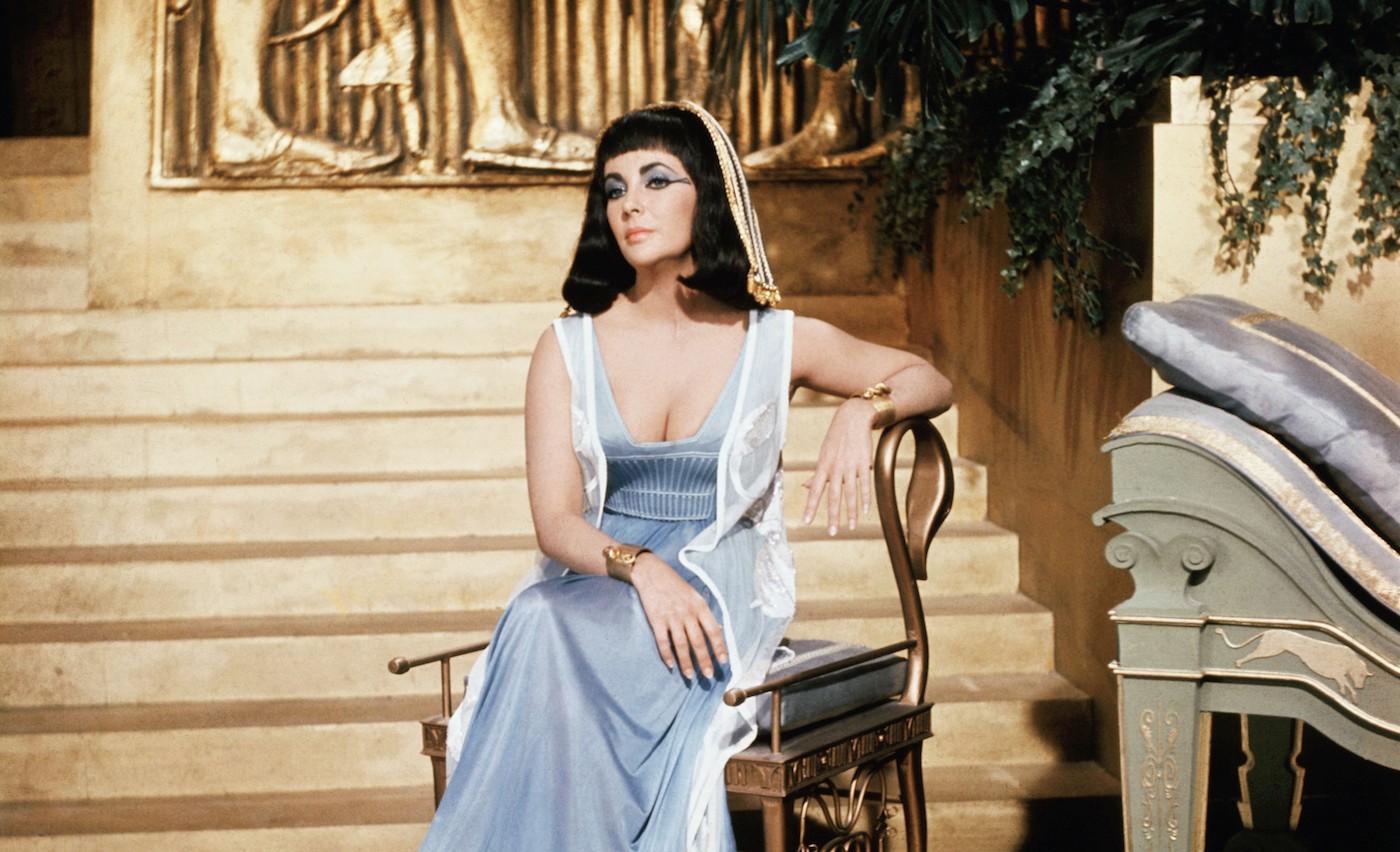
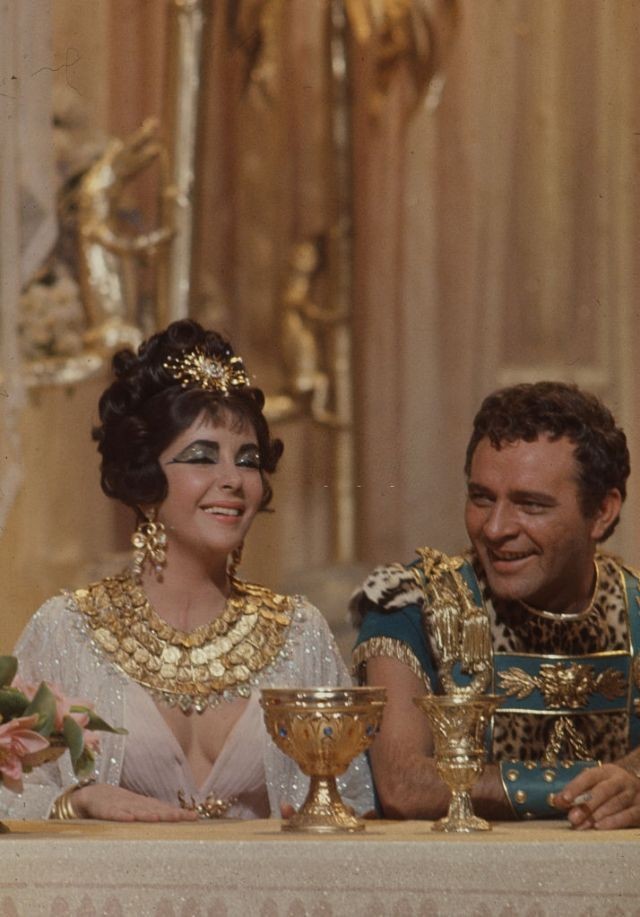
Elizabeth Taylor – Cleopatra (1963)
The definitive version that nearly bankrupted a studio and created a legend. Taylor's queen was tempestuous, opulent, deeply human — and her off-screen affair with Burton made ancient history feel scandalously contemporary. Some performances transcend cinema to become mythology.
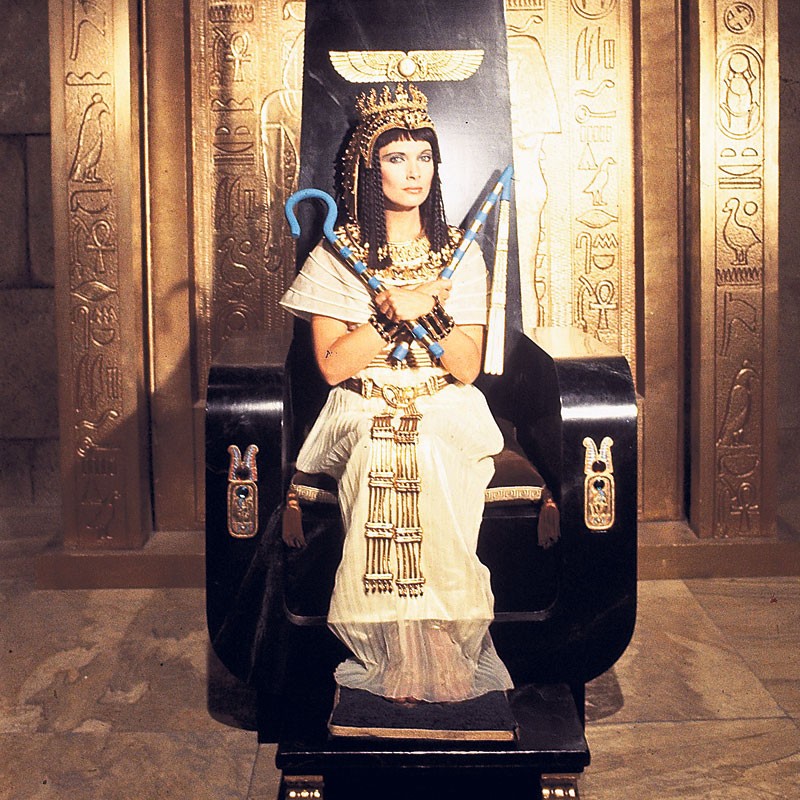
Hildegard Neil – Antony and Cleopatra (1972)
Shakespeare's words given flesh through cool elegance and tragic dignity. Neil understood that sometimes the most powerful queens are those who accept their doom with grace rather than fight it with spectacle.
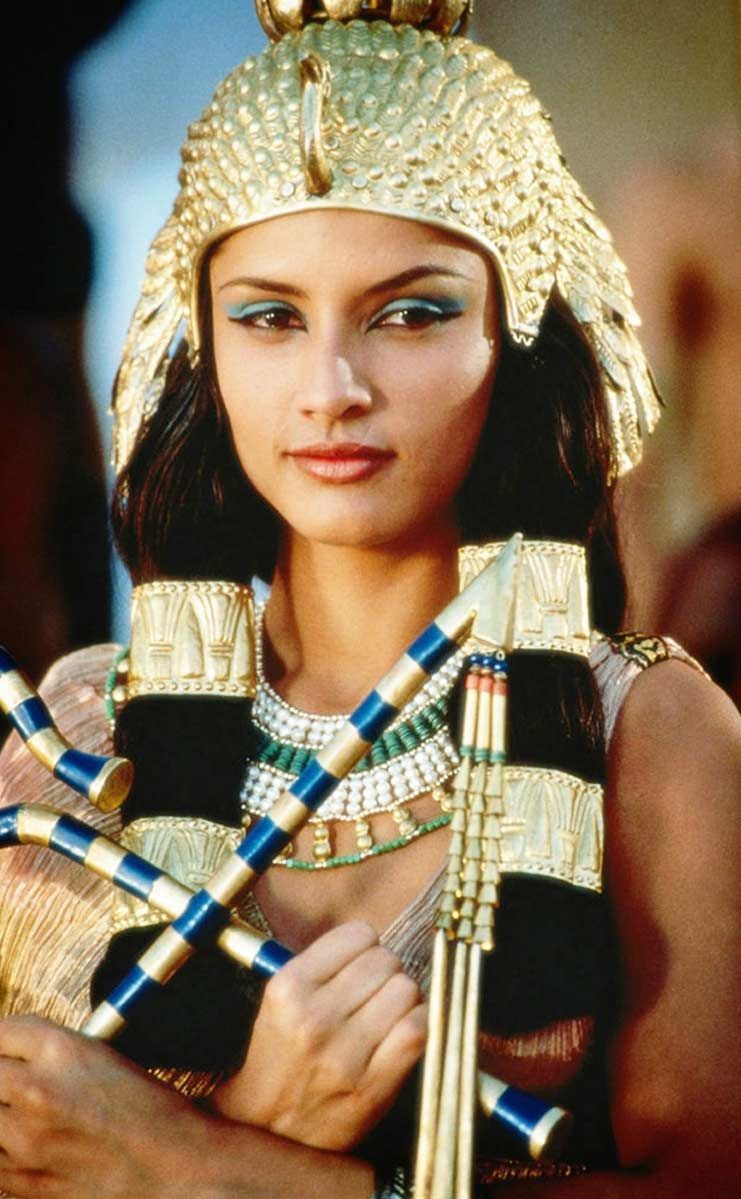
Leonor Varela – Cleopatra (1999 miniseries)
The millennium's answer: youthful, fiercely intelligent, more scholar than seductress. Varela's queen reflected an era finally ready to believe that women could be political without being decorative.
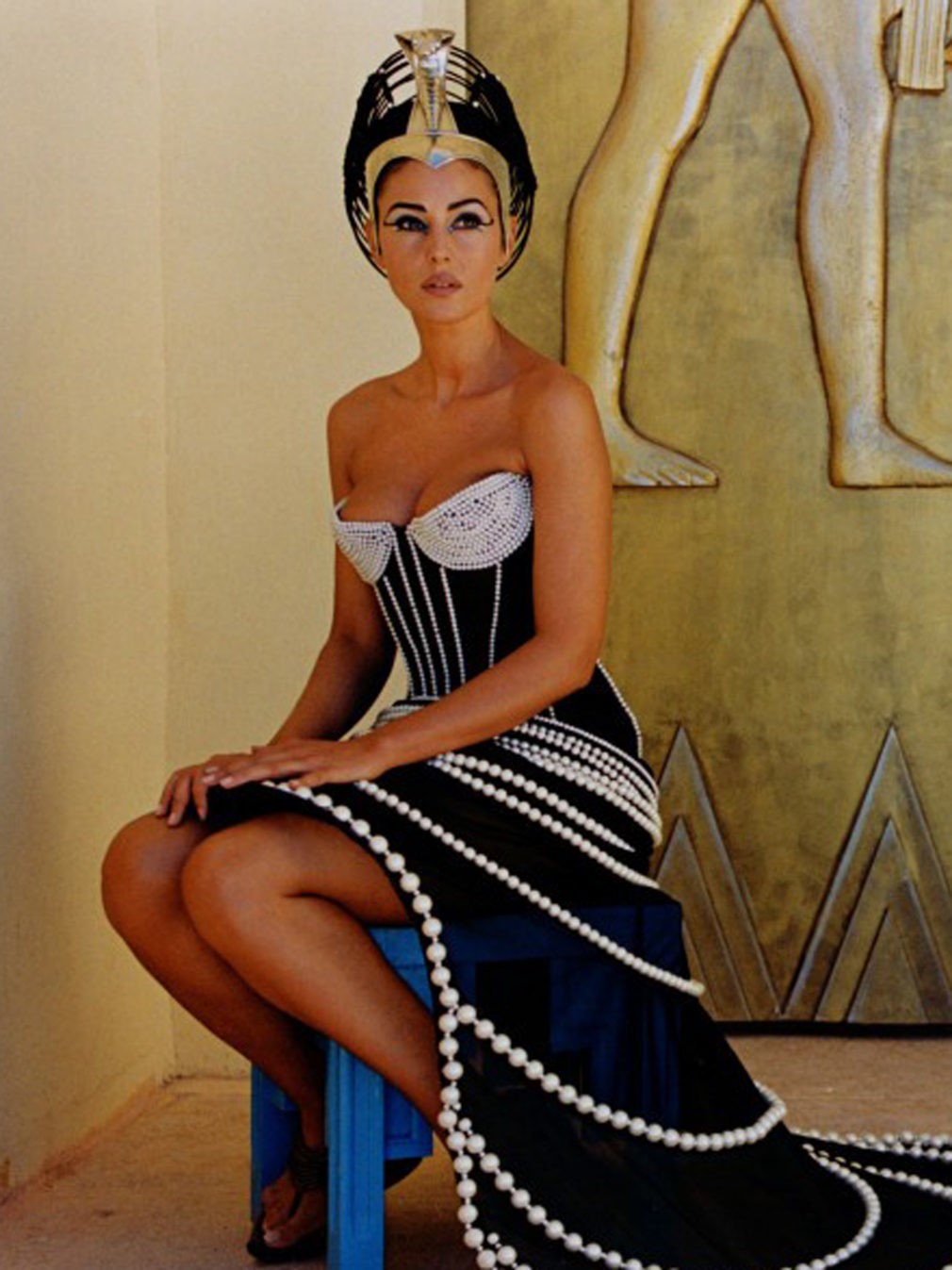
Monica Bellucci – Astérix & Obélix: Mission Cléopâtre (2002)
Tongue-in-cheek majesty for a postmodern age. Bellucci played vanity and command with knowing camp — the queen as pop culture icon, beautiful precisely because she didn't take herself too seriously.
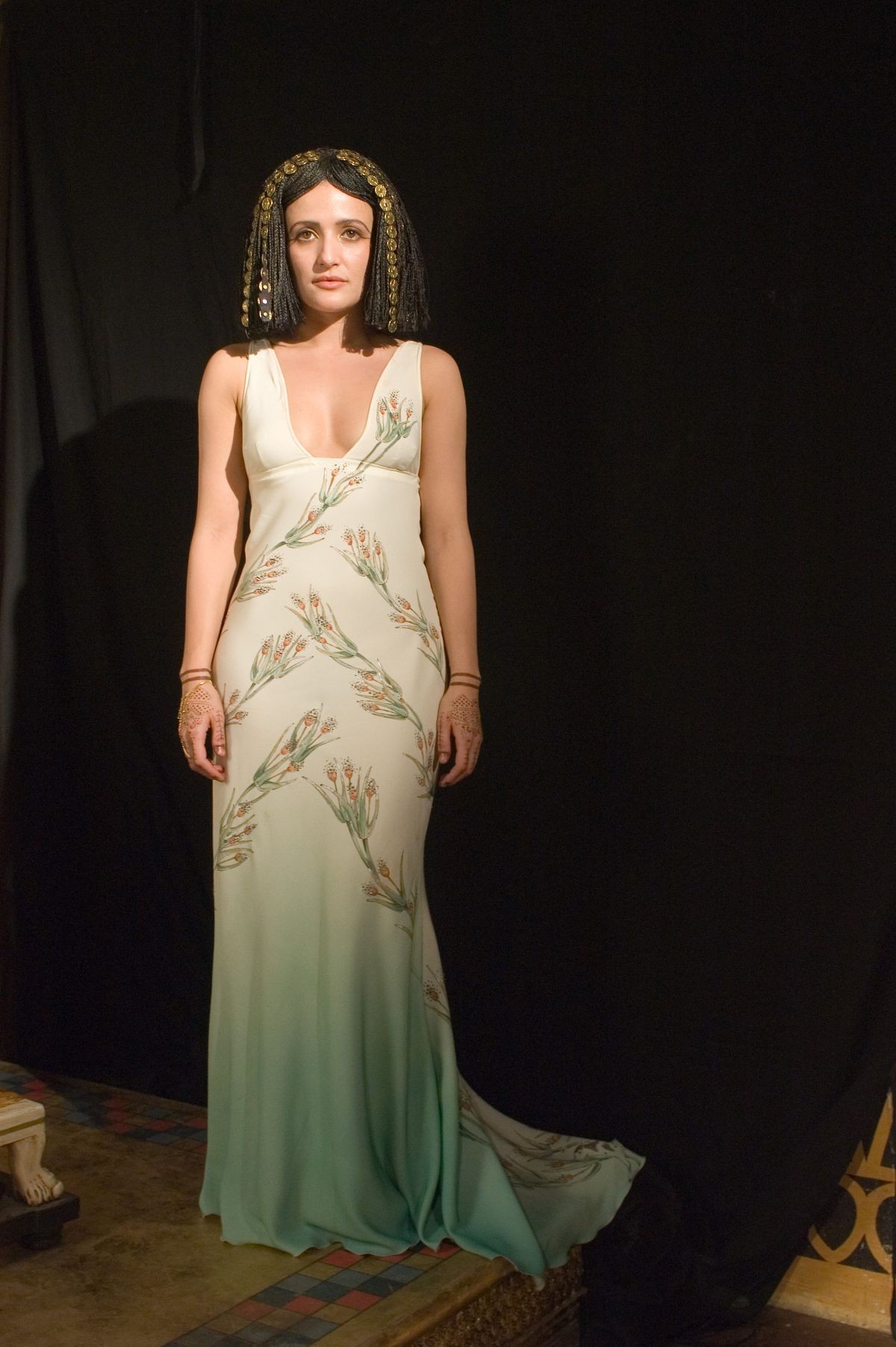
Lyndsey Marshal – Rome (HBO/BBC, 2005–2007)
Television's grittier vision: sharp, politically astute, sensuous but shrewd. Marshal gave her teeth and wit, understanding that prestige drama audiences wanted their queens complicated rather than simply iconic.
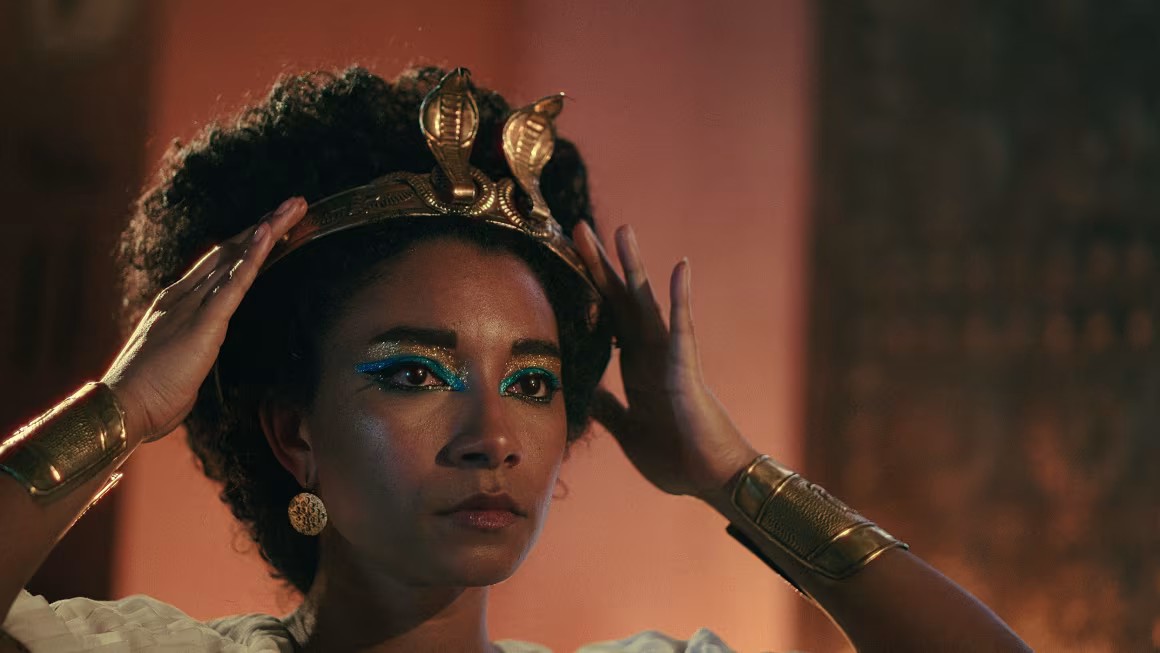
Adele James – Queen Cleopatra (Netflix, 2023)
The most controversial casting in decades. James's portrayal sparked global debate about heritage, representation, and who owns ancient stories — proving that Cleopatra remains dangerous enough to start cultural wars.
Each actress, each era, each interpretation — all trying to capture the woman who made Rome nervous. The remarkable thing isn't that they all differ so dramatically. It's that she's compelling enough to survive every version.