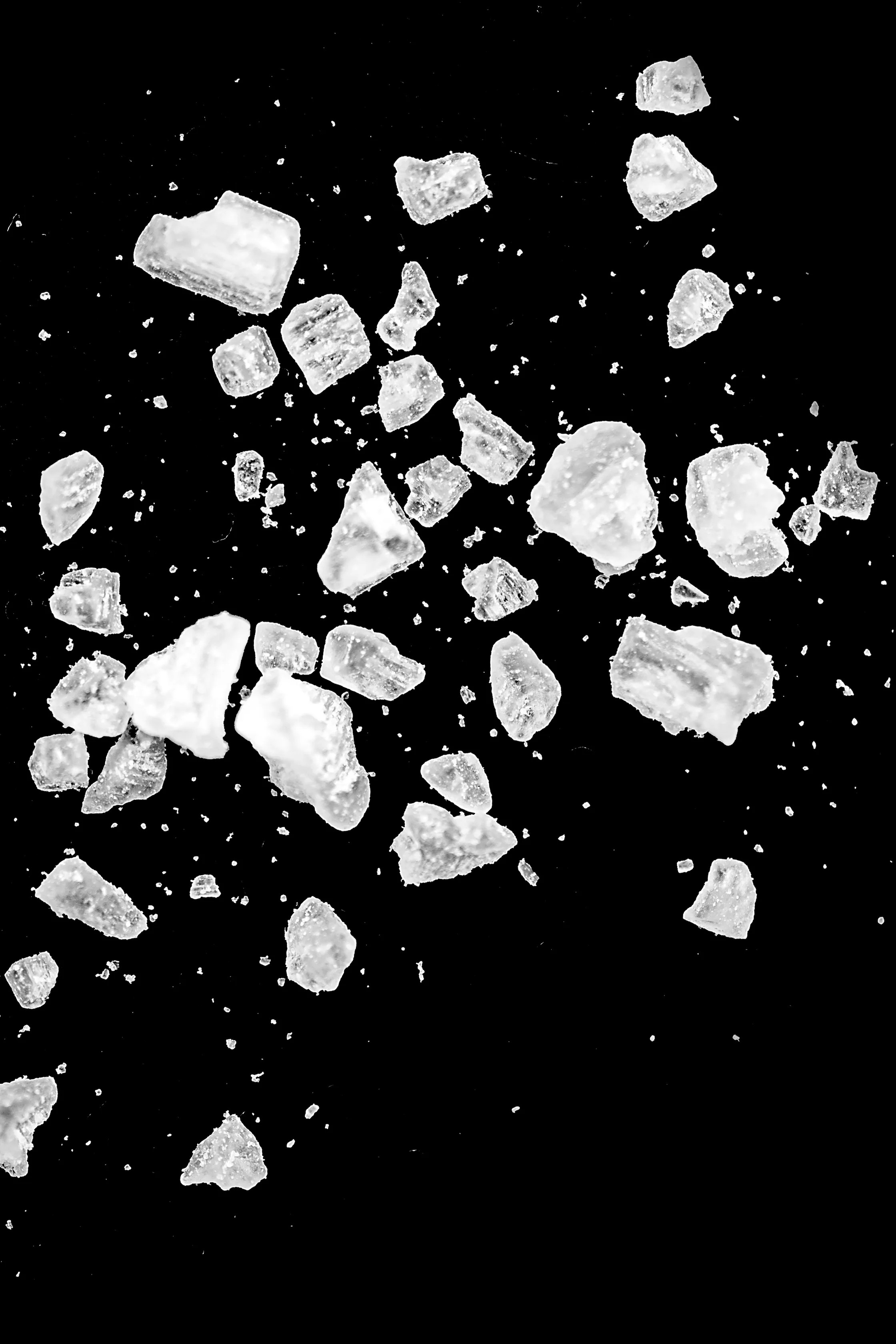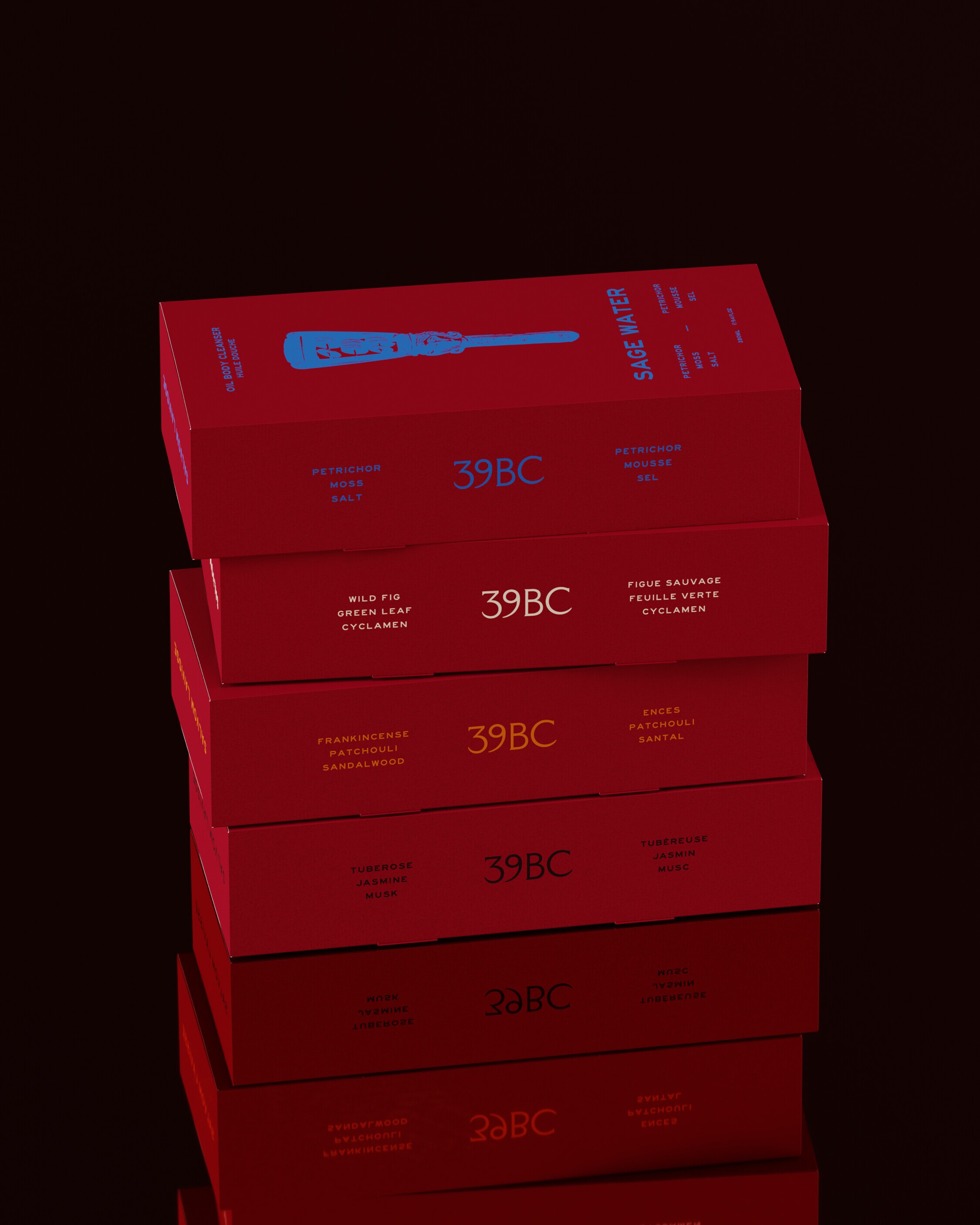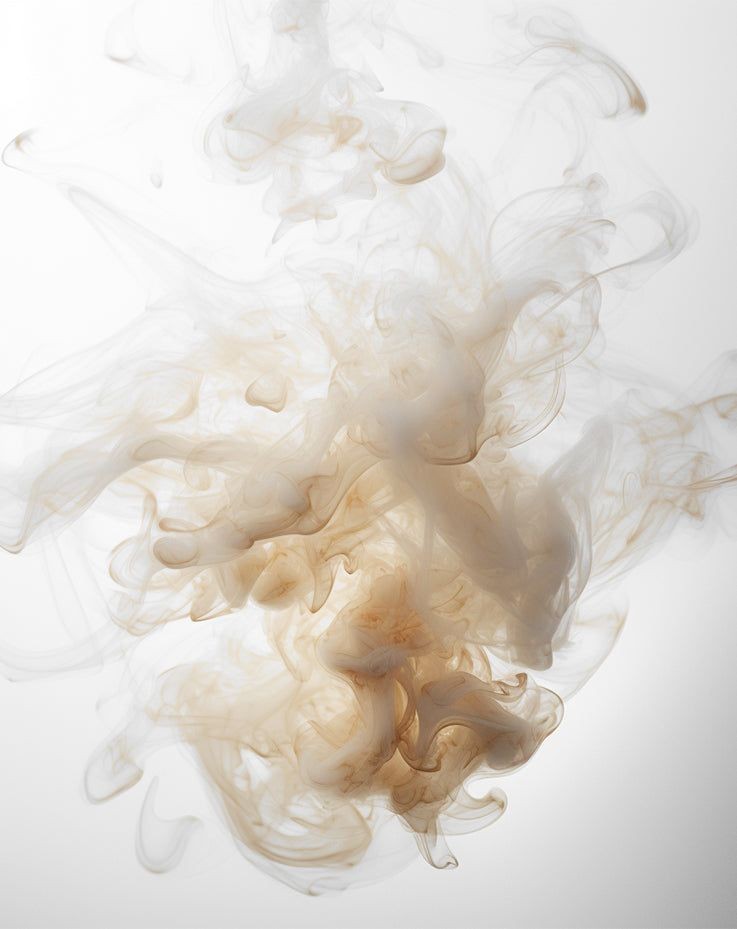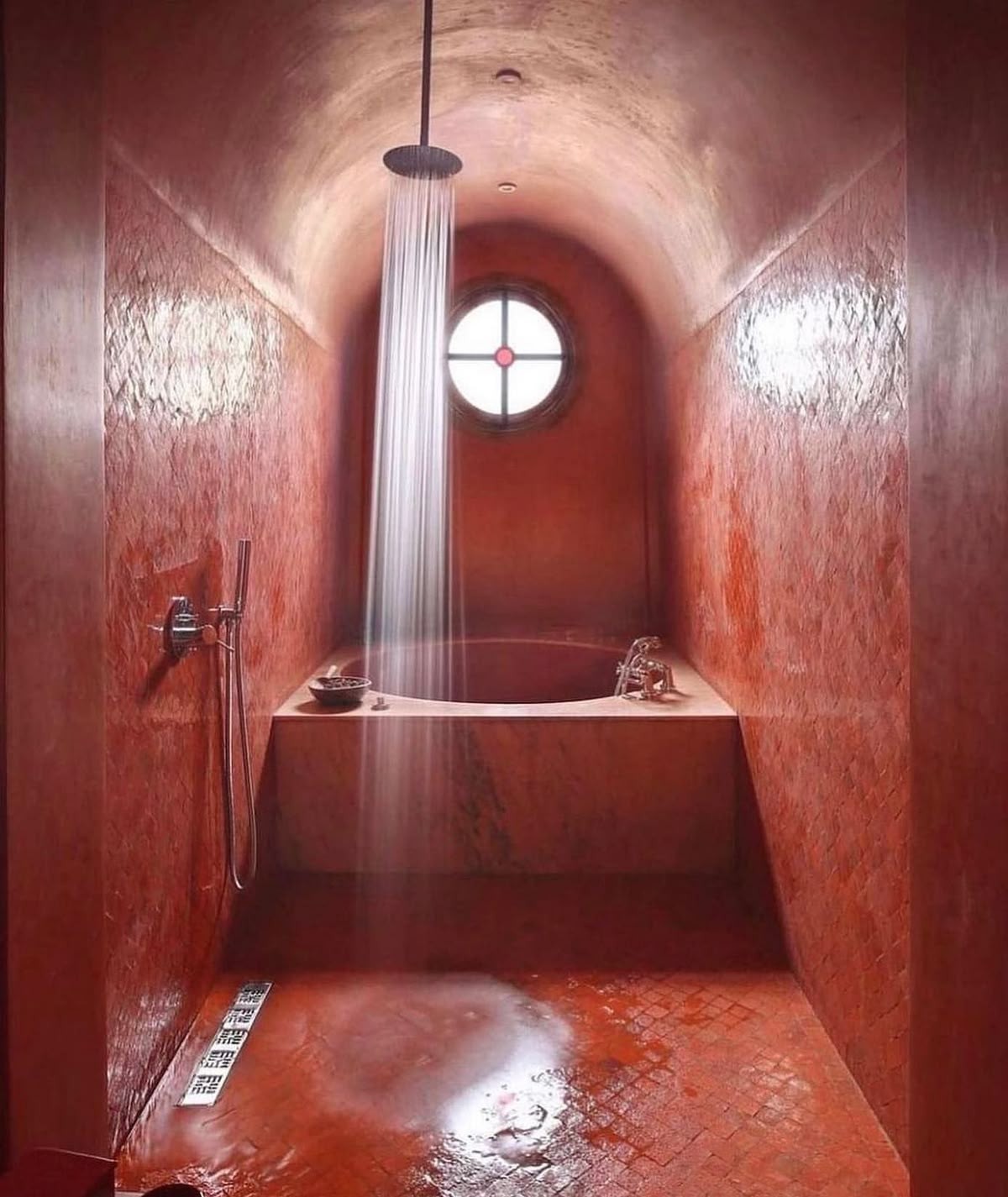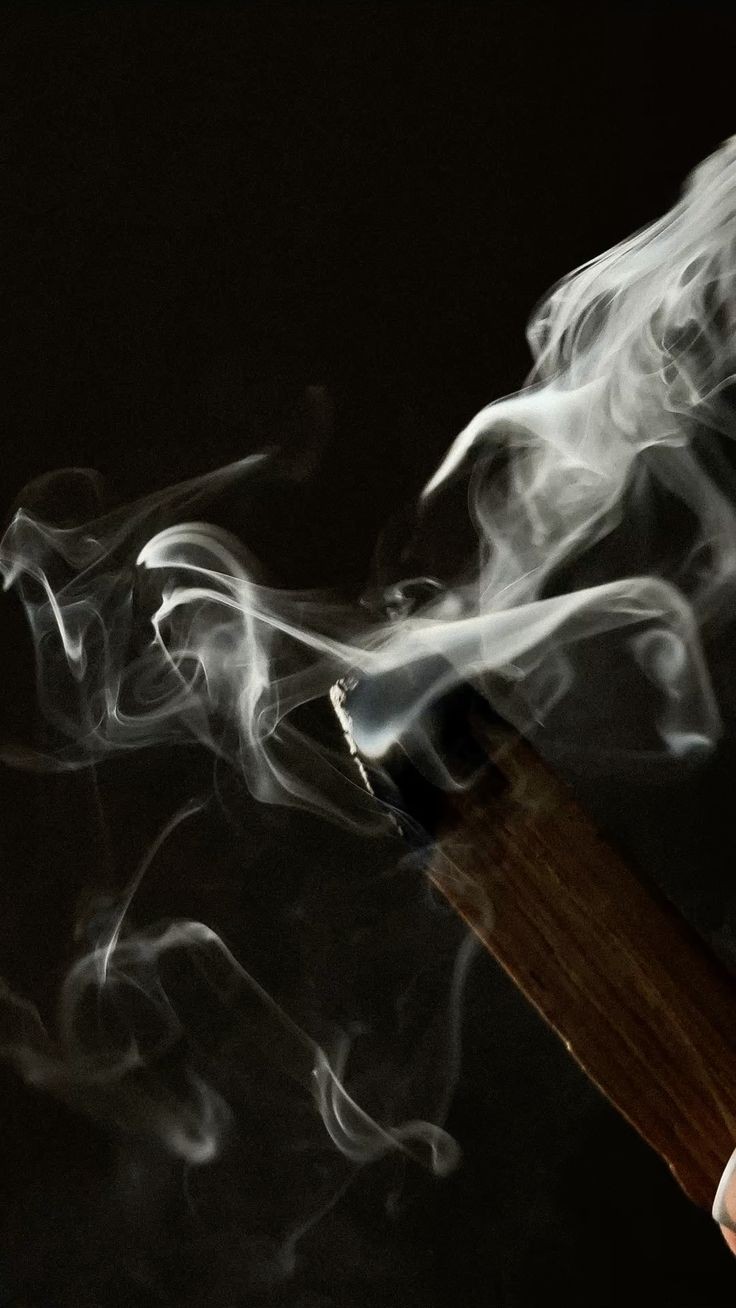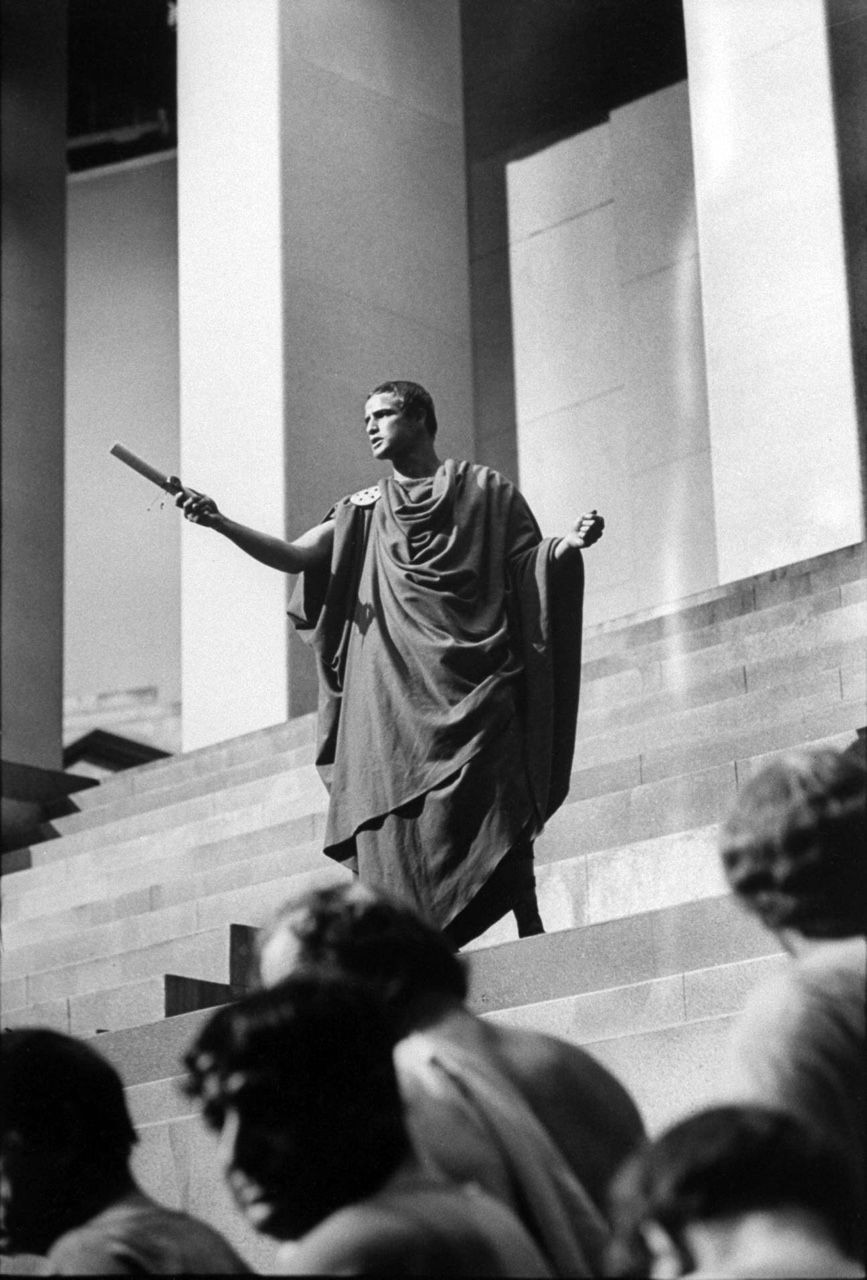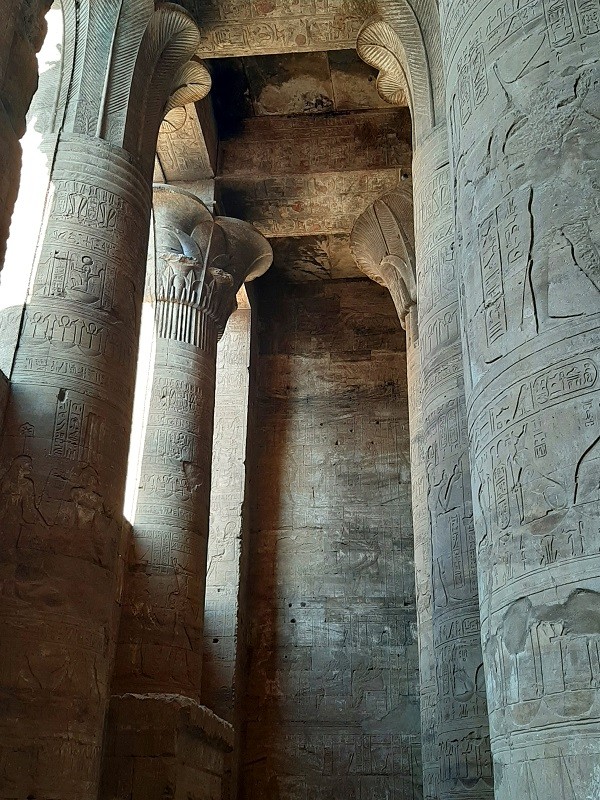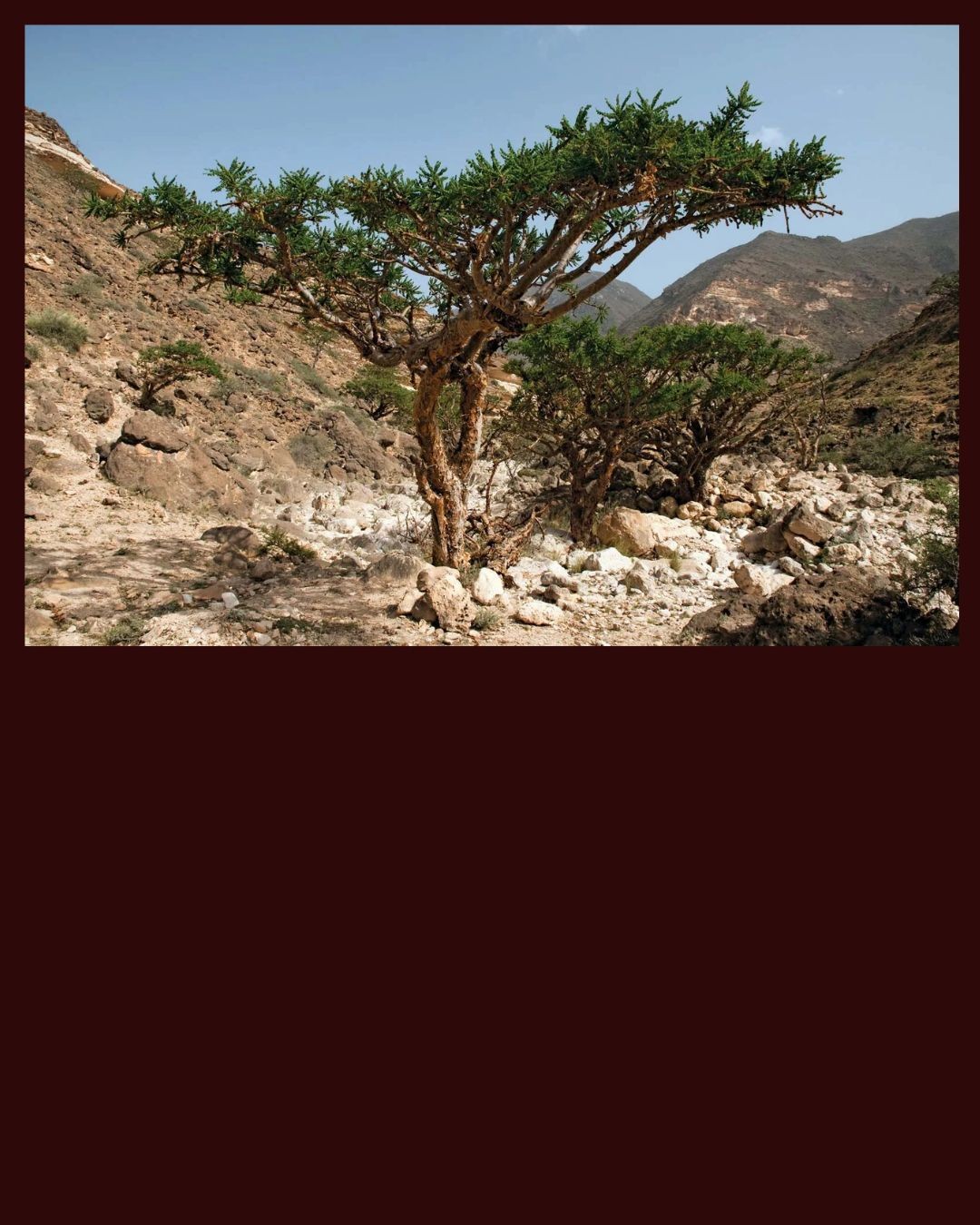
While its name conjures images of swirling, fragrant smoke, Frankincense is actually a resin — tapped from the bark of the Boswellia tree, native to the arid cliffs of southern Arabia, Somalia, and the Horn of Africa.
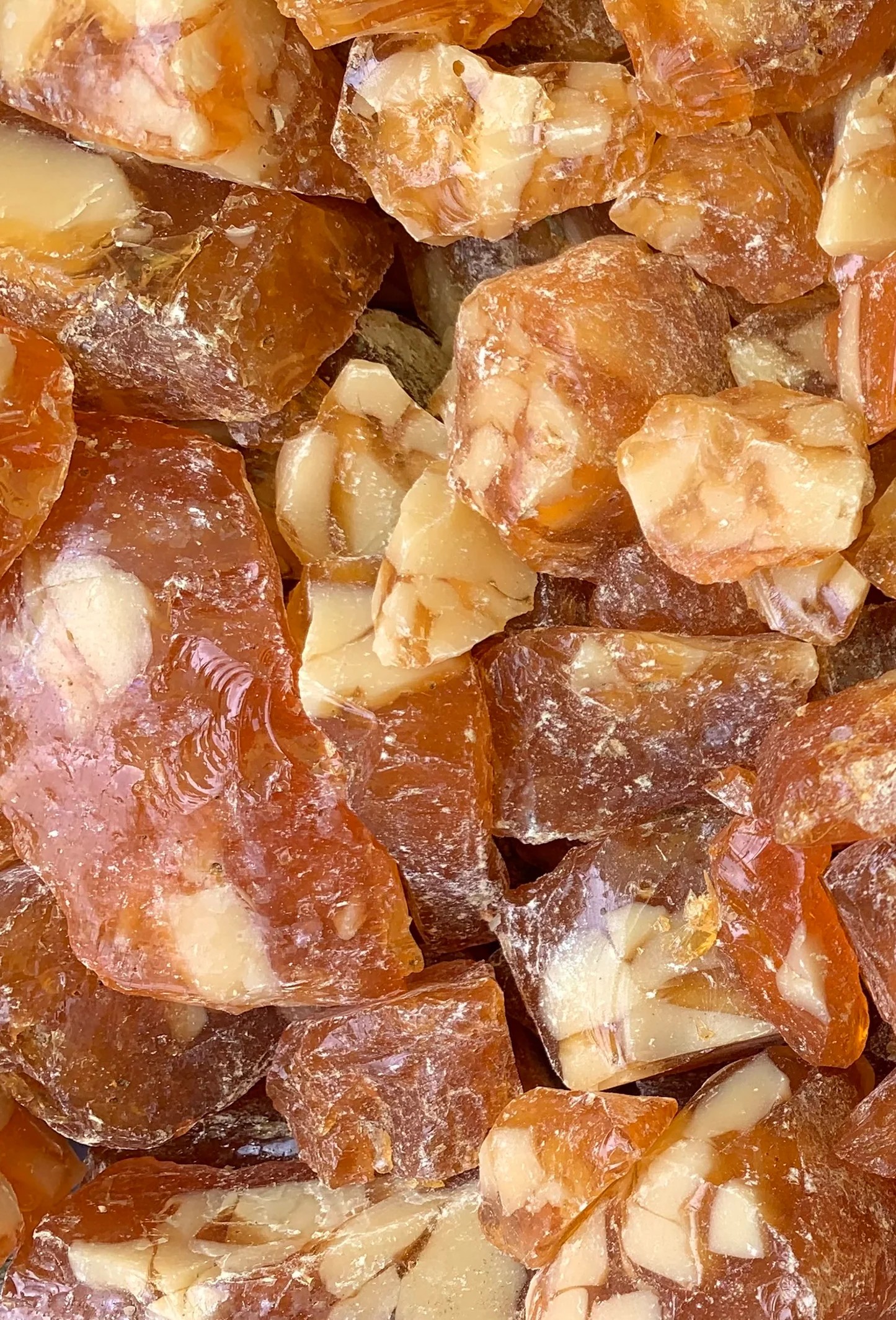
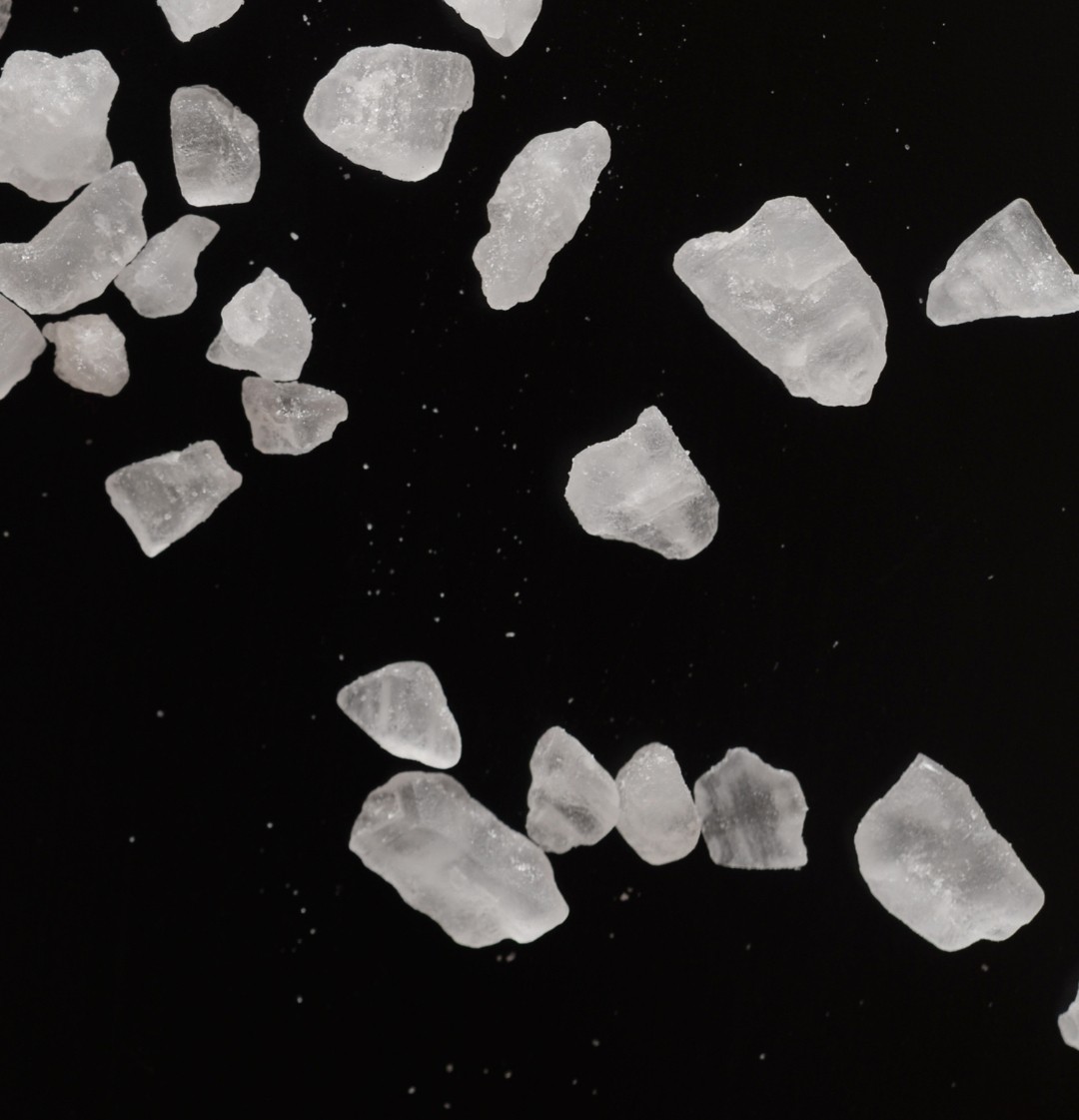
See the harvesters at dawn, climbing rocky escarpments where nothing else grows. They carry curved knives to slice bark that bleeds milky sap — precious tears that harden under desert sun into pale golden pearls. This is olibanum, worth more than silver to ancient traders who carried it across impossible distances.
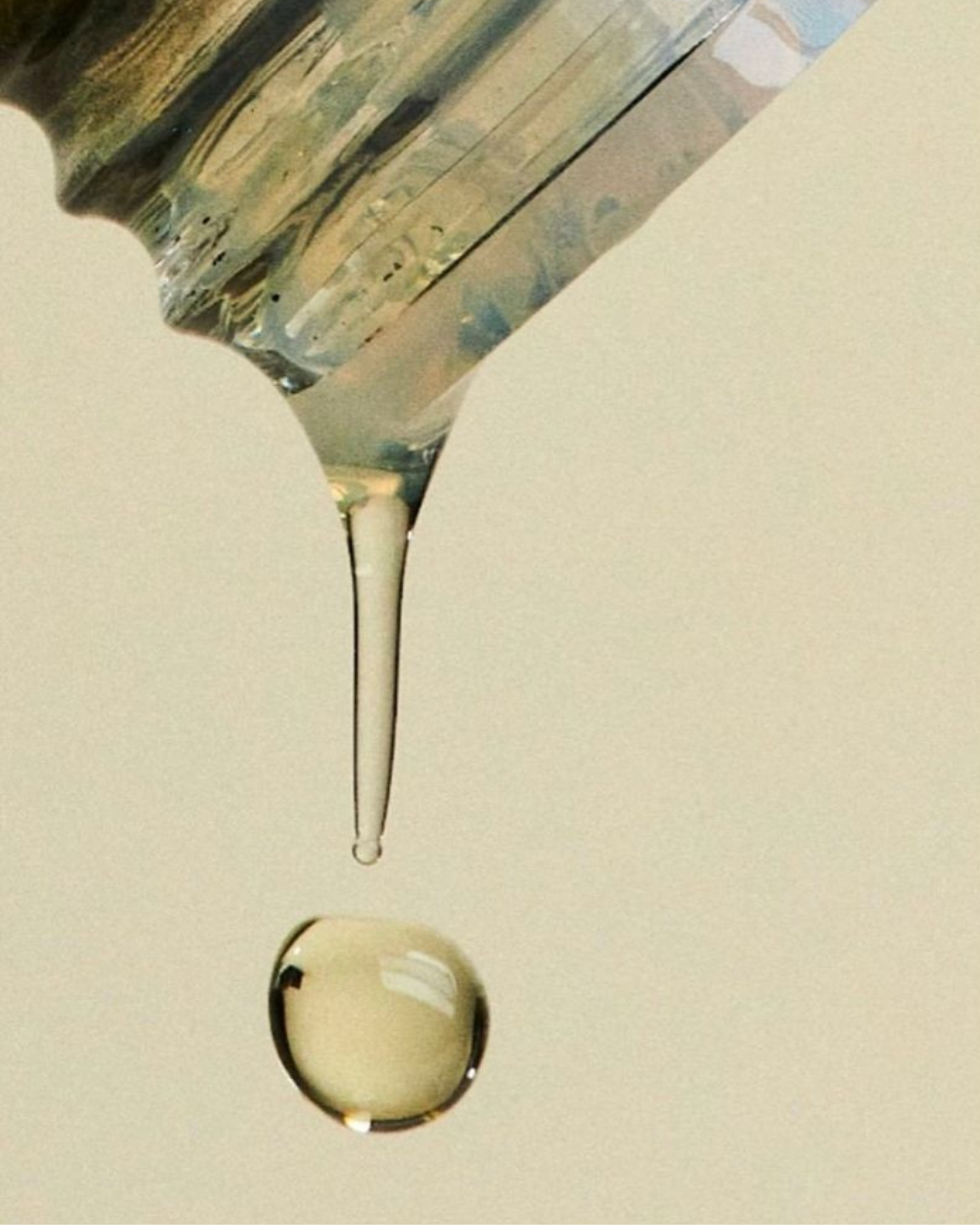
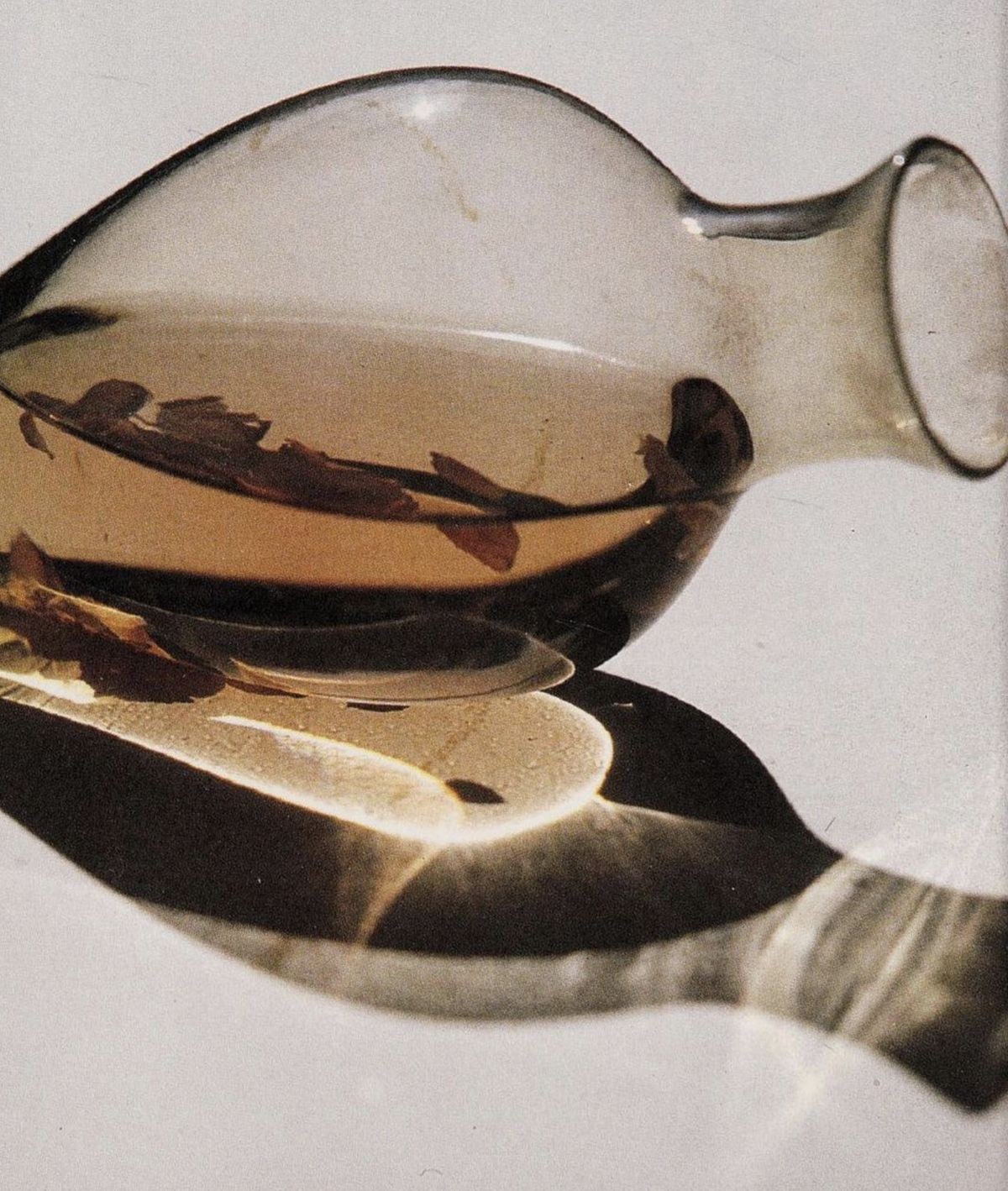
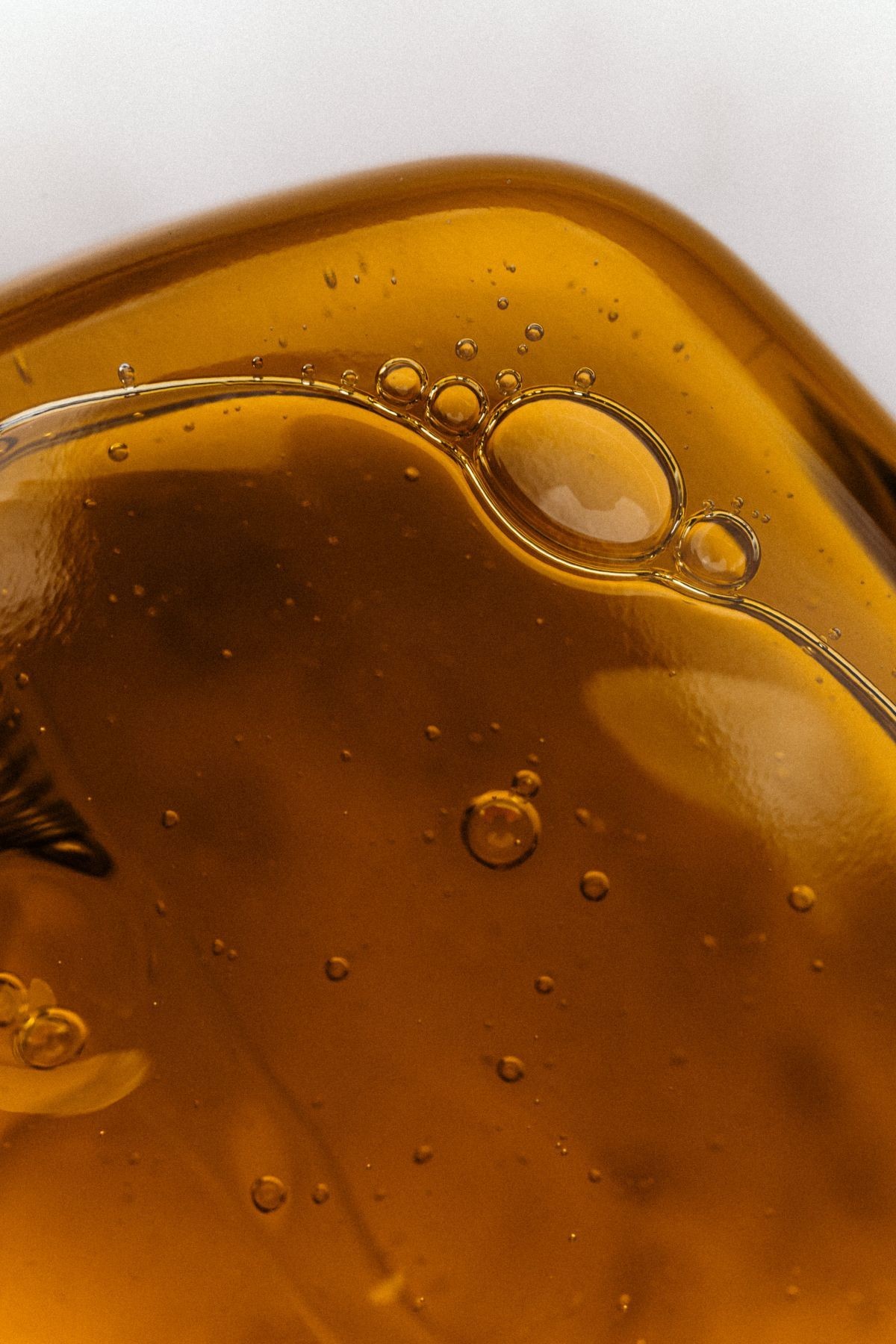
Watch that resin transform: burned on hot coals, it releases smoke that's dry, lemony, peppered with something indefinably sacred. Or distilled into oil that captures three millennia of temple worship in each amber drop.
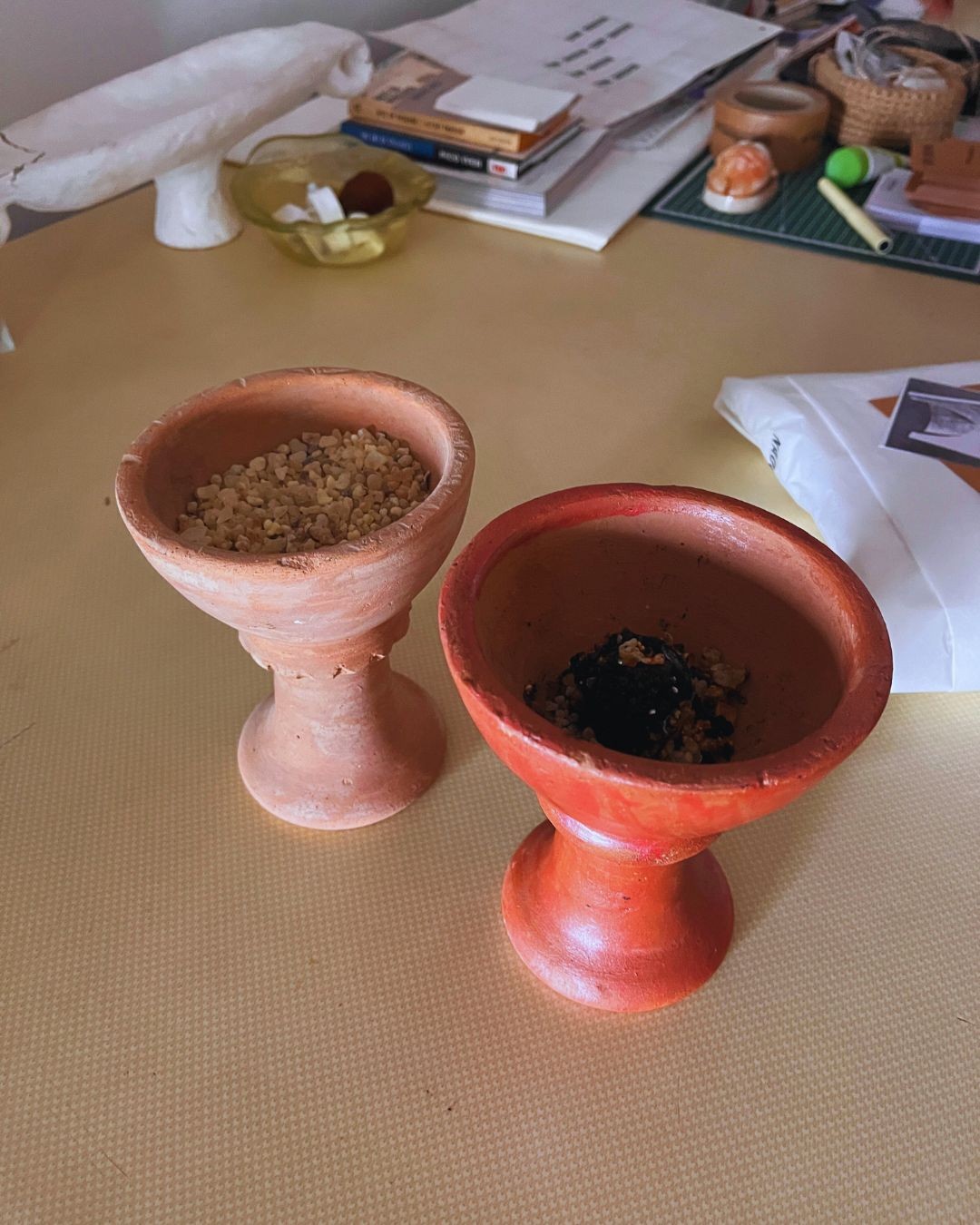
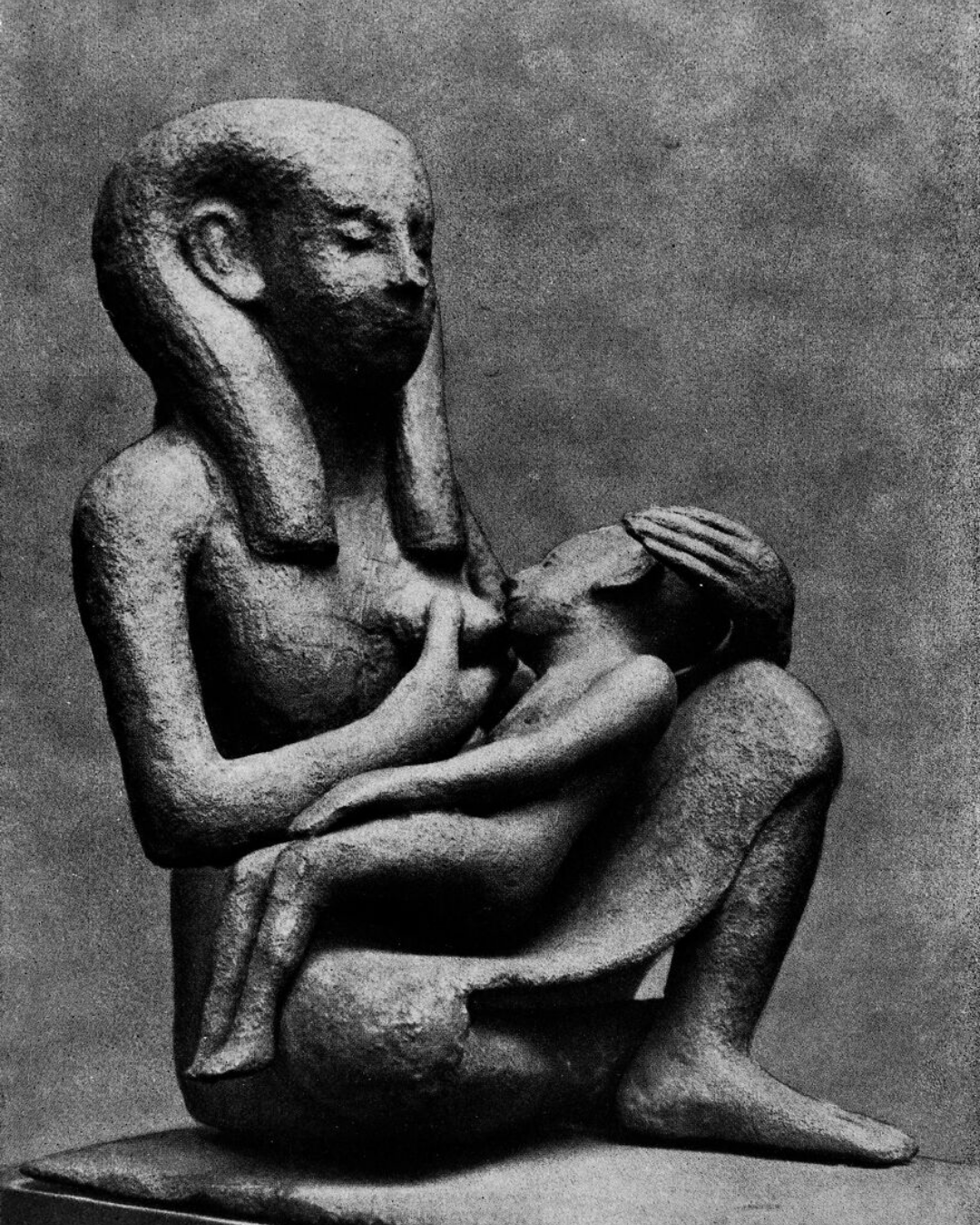
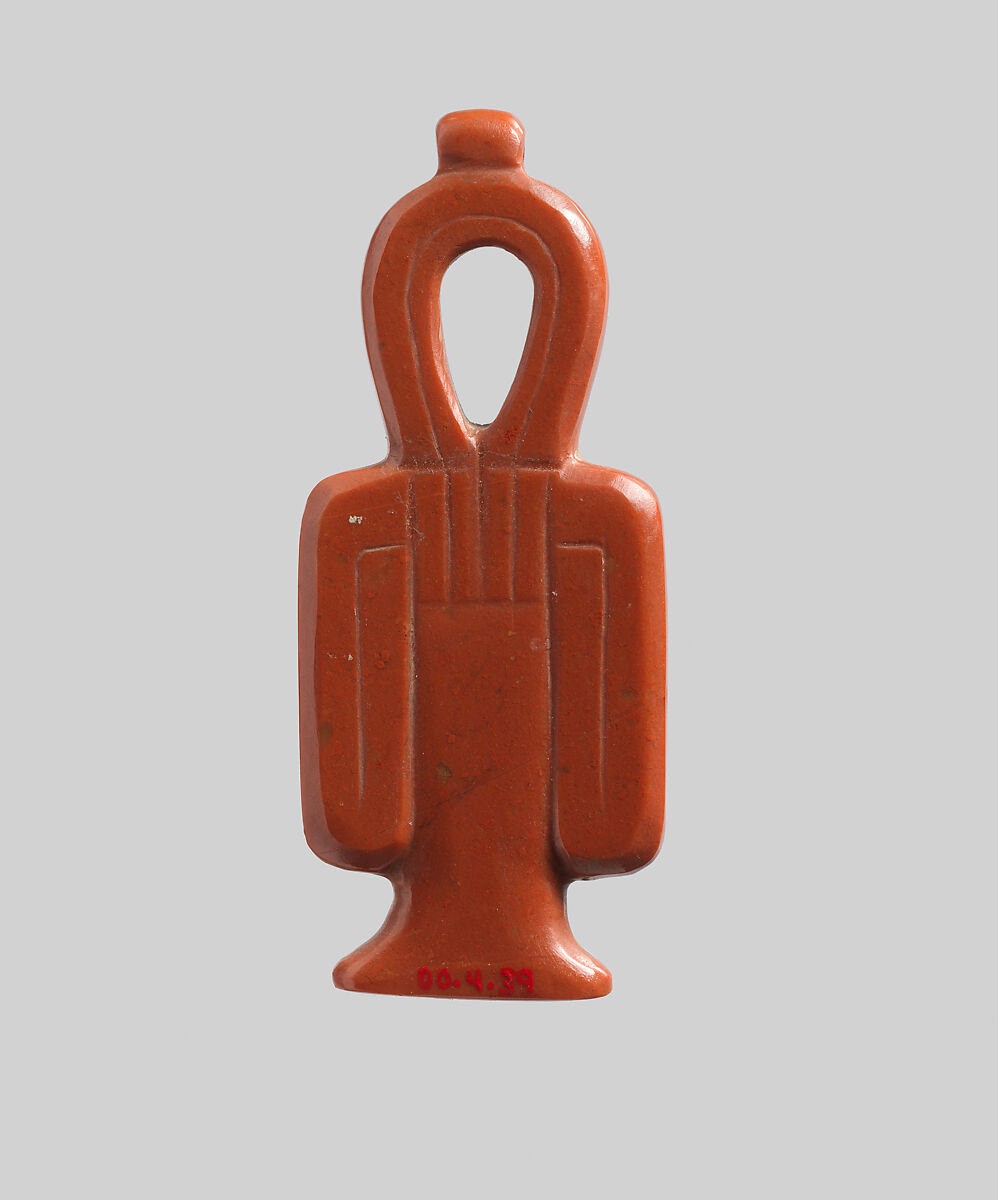
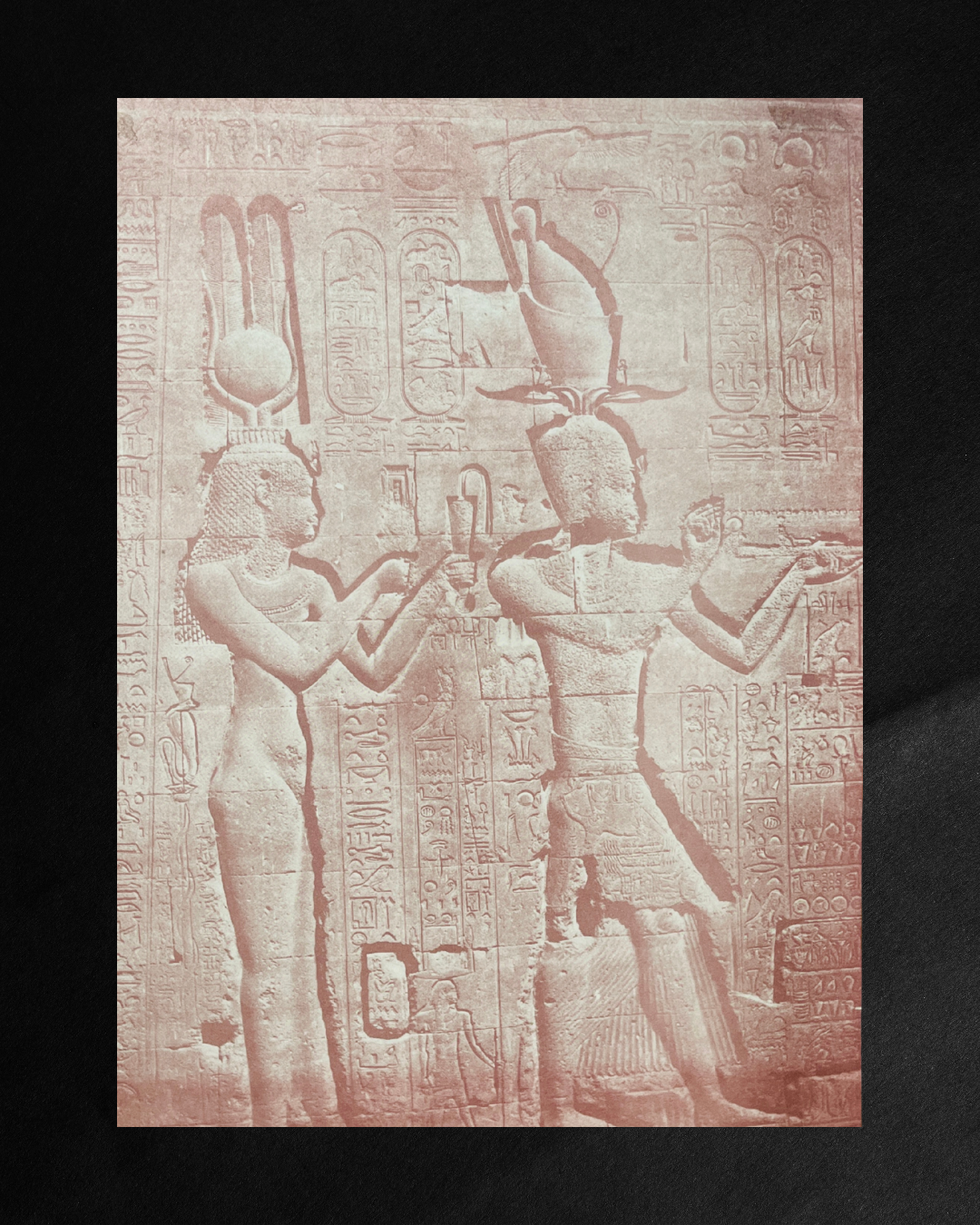
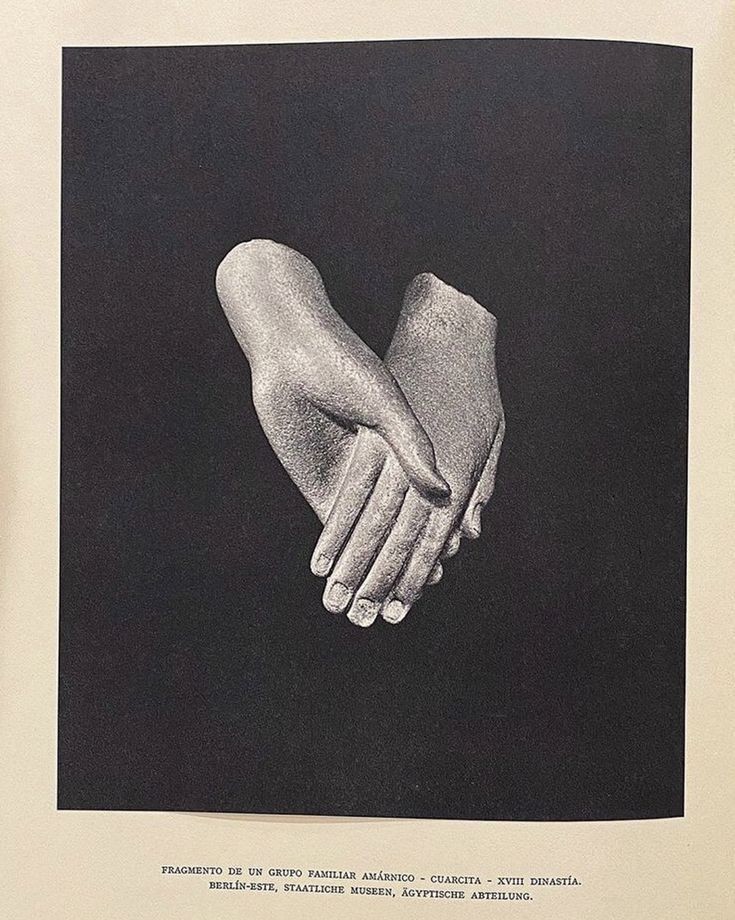
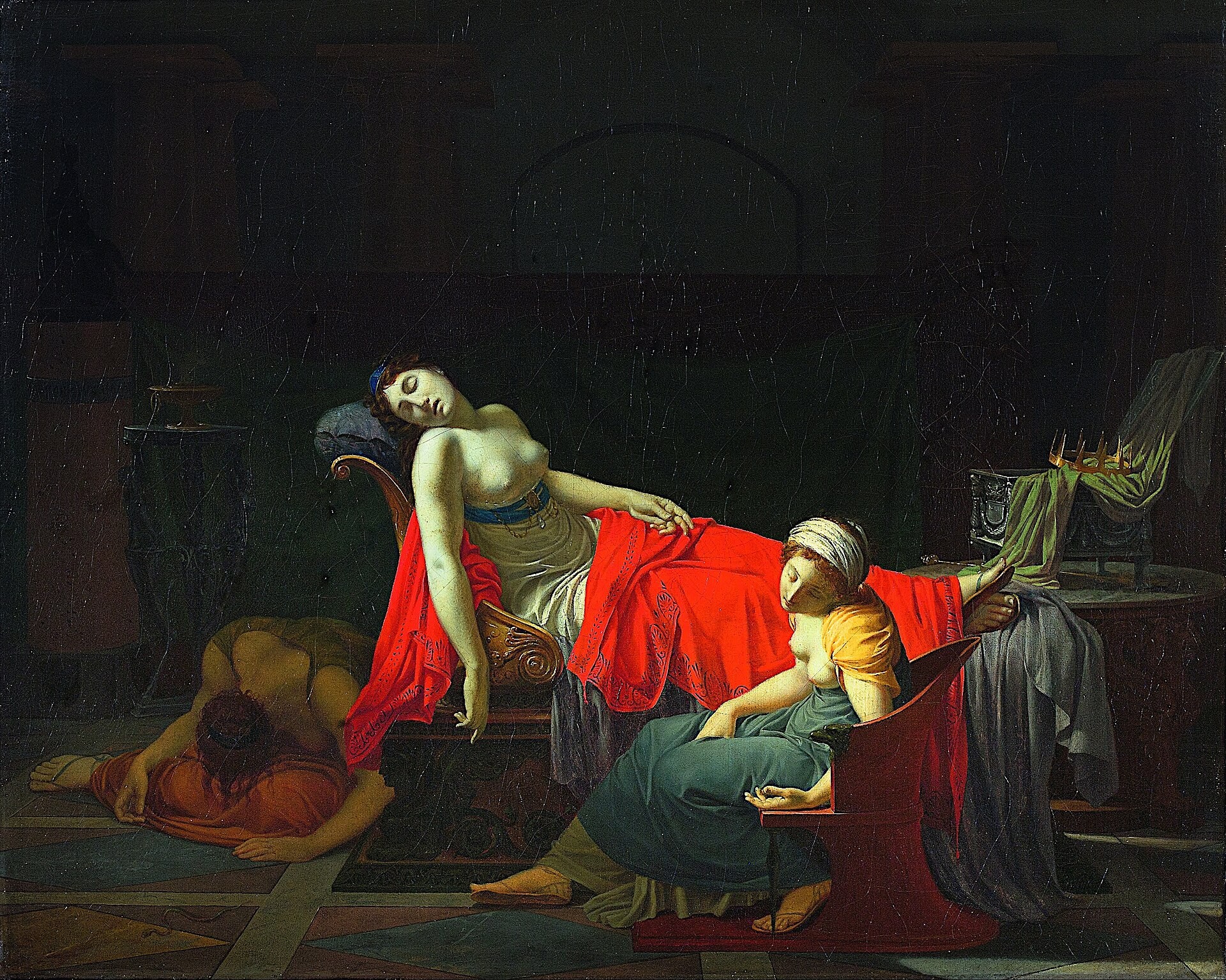
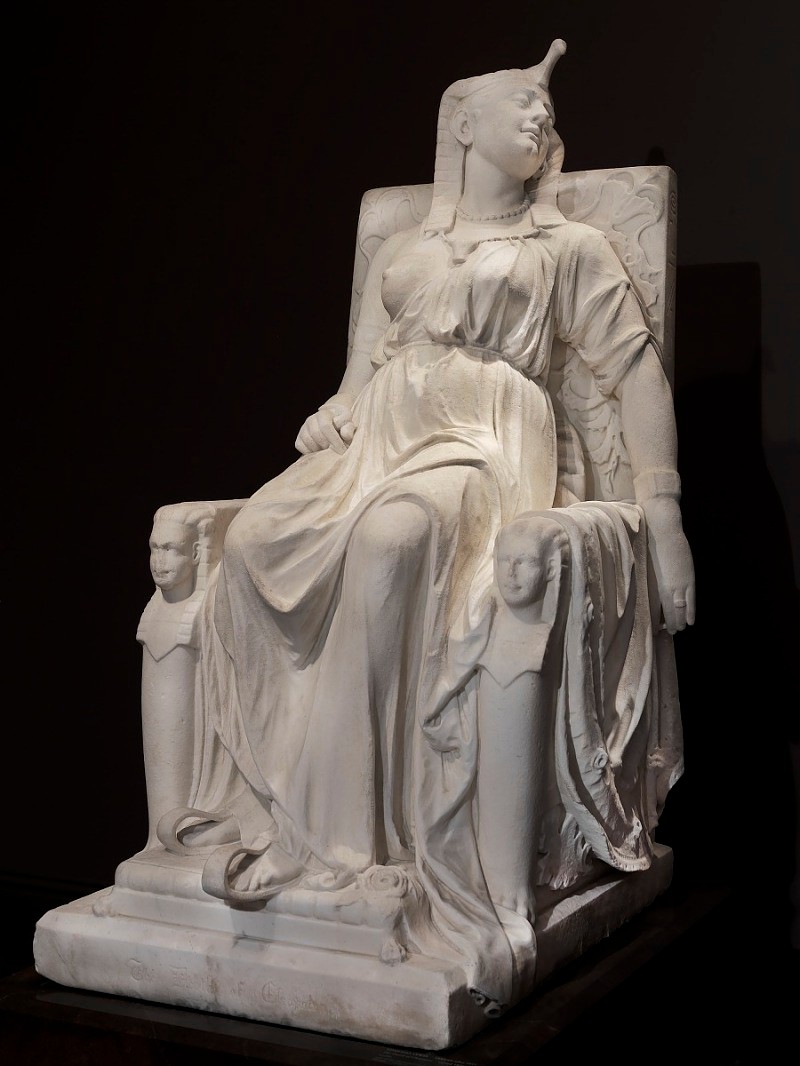
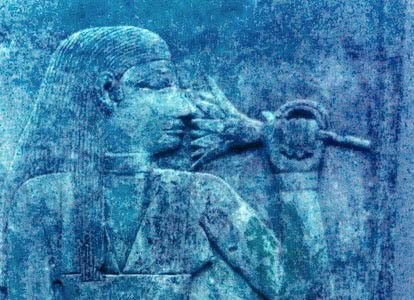
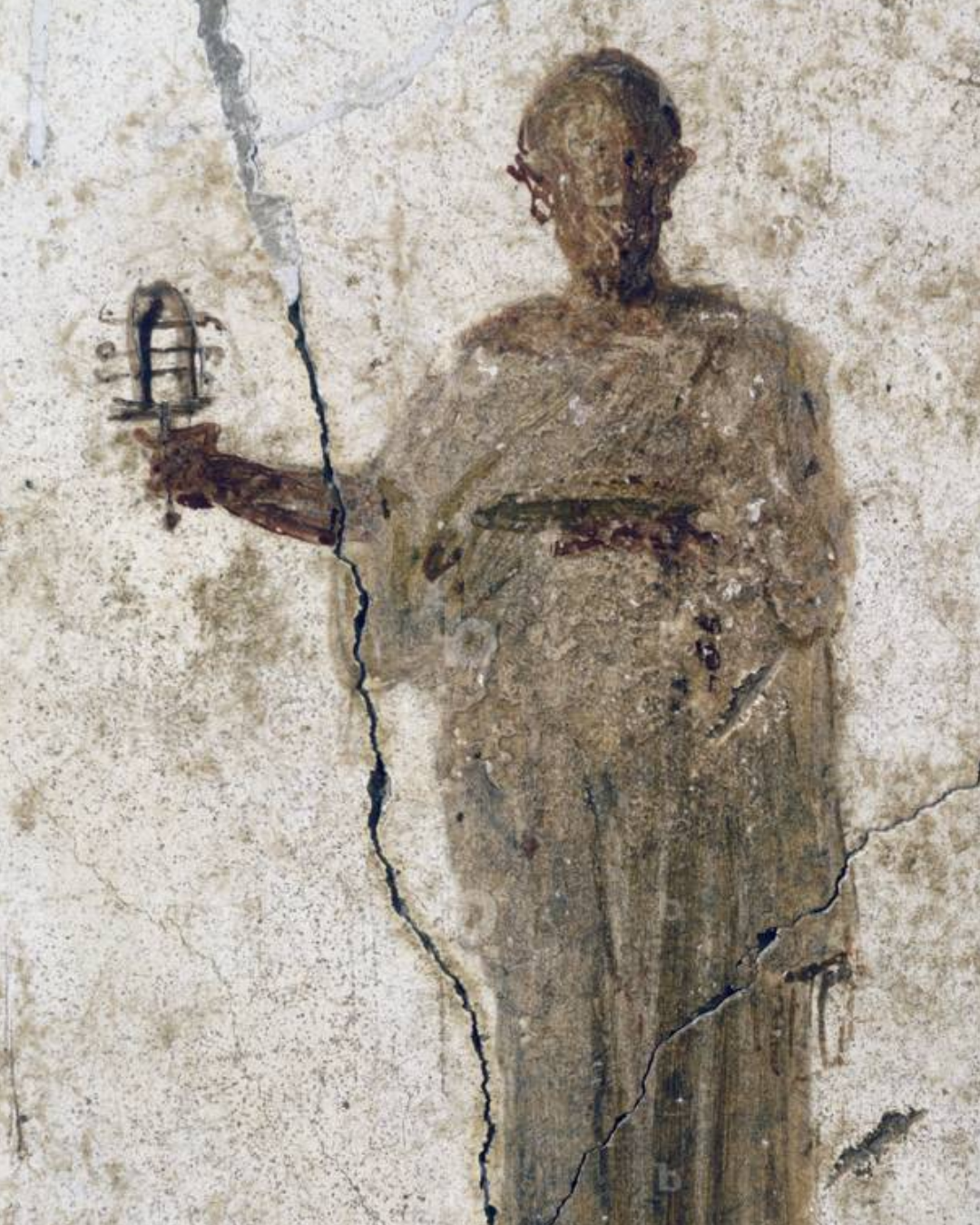
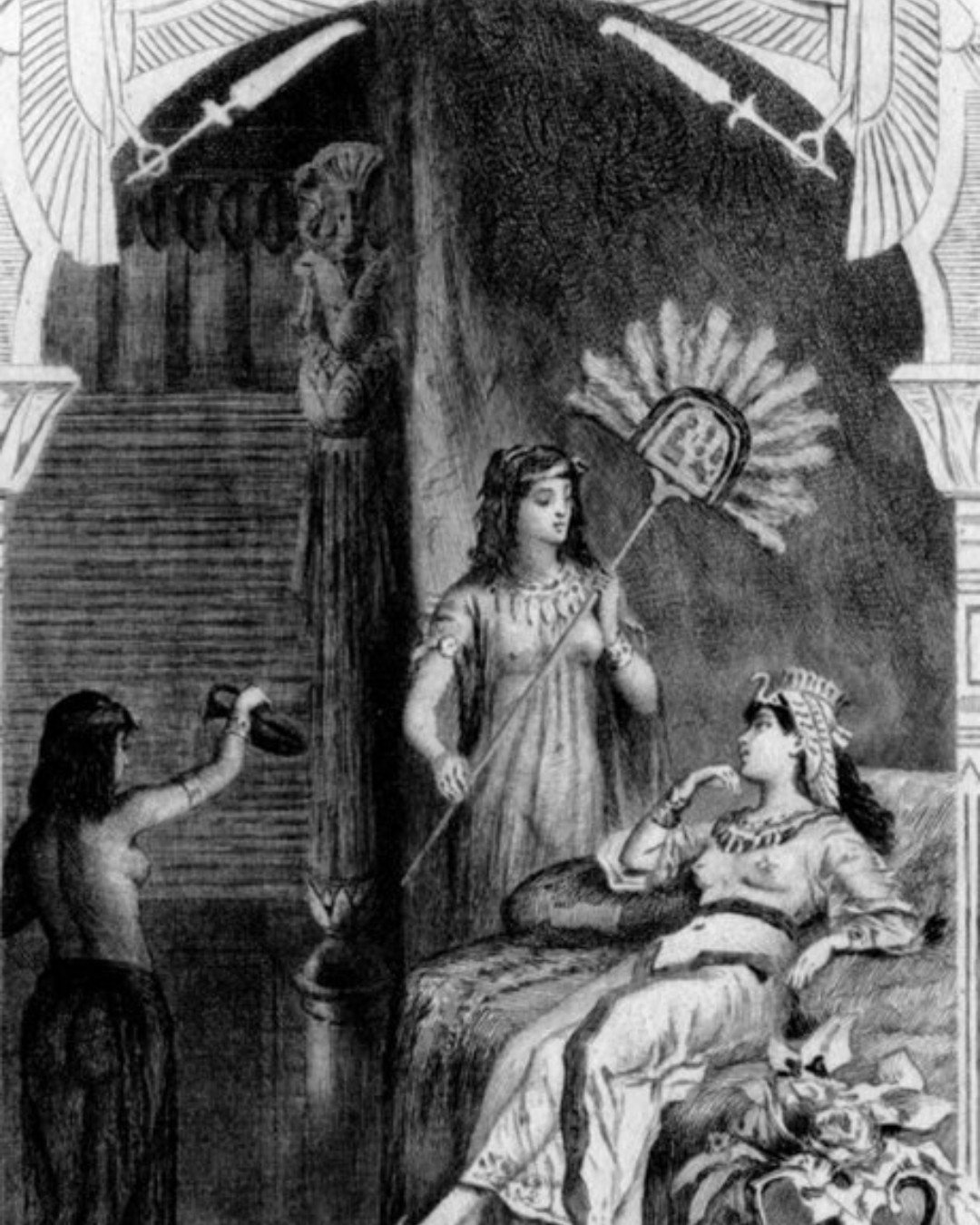
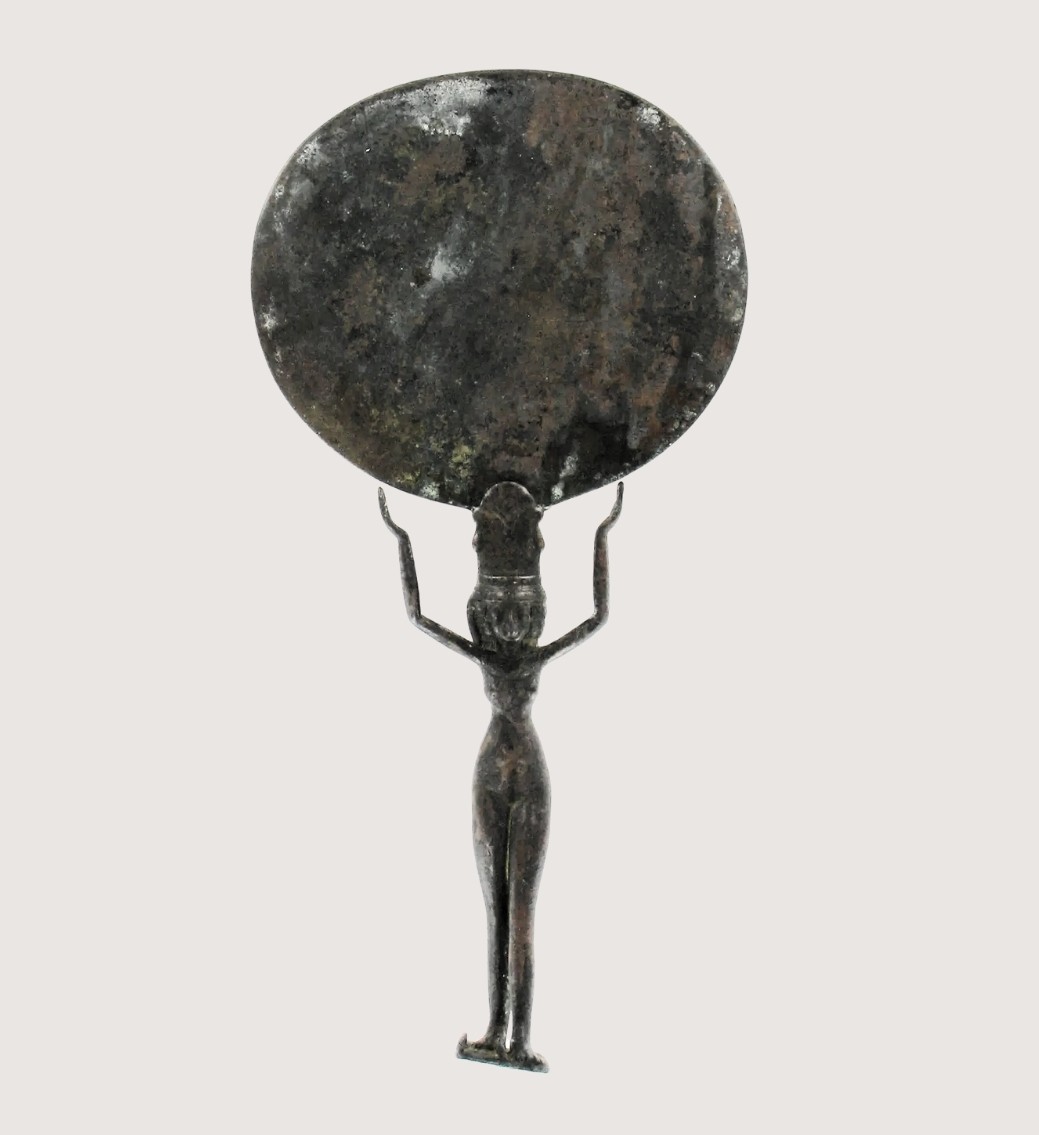
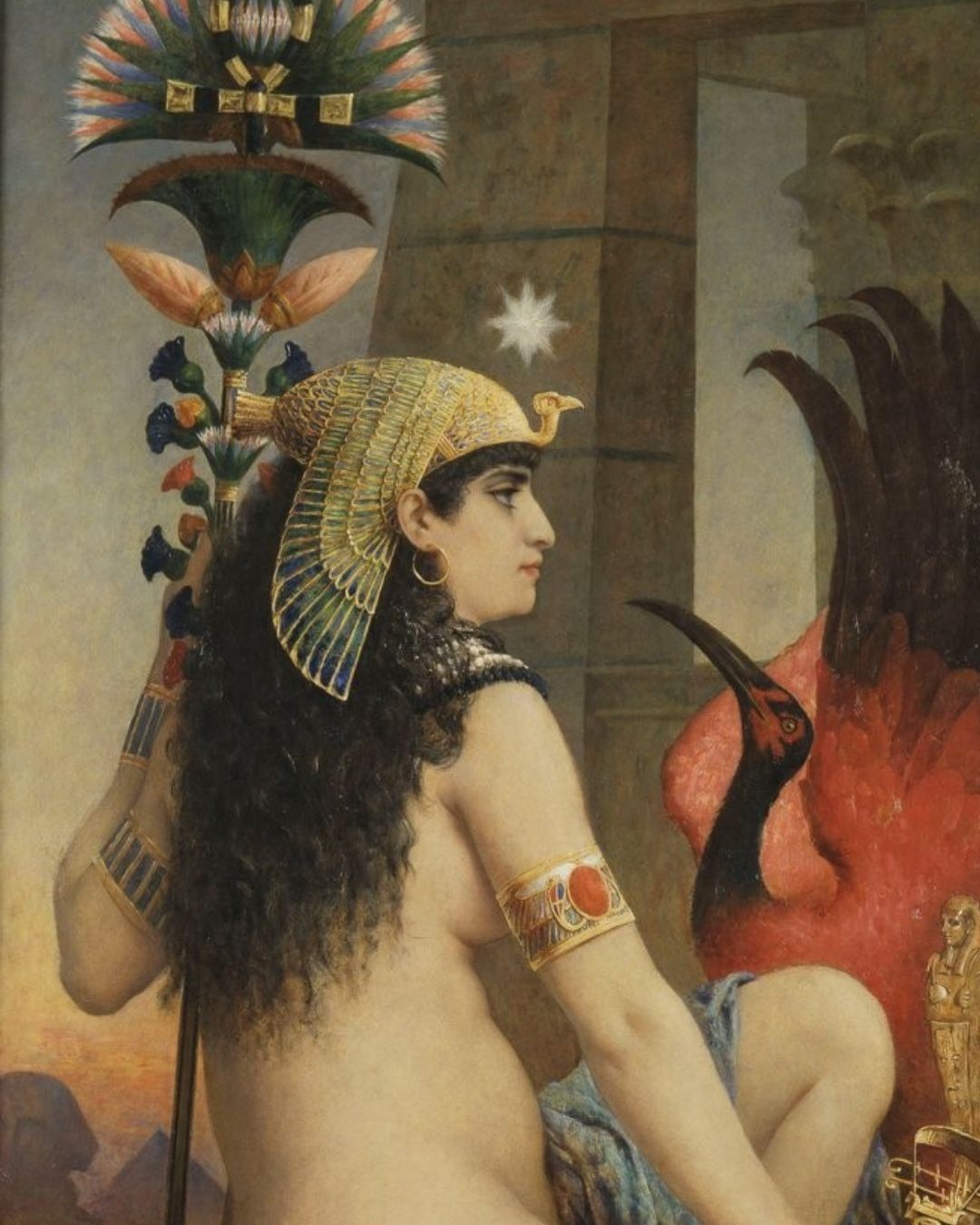
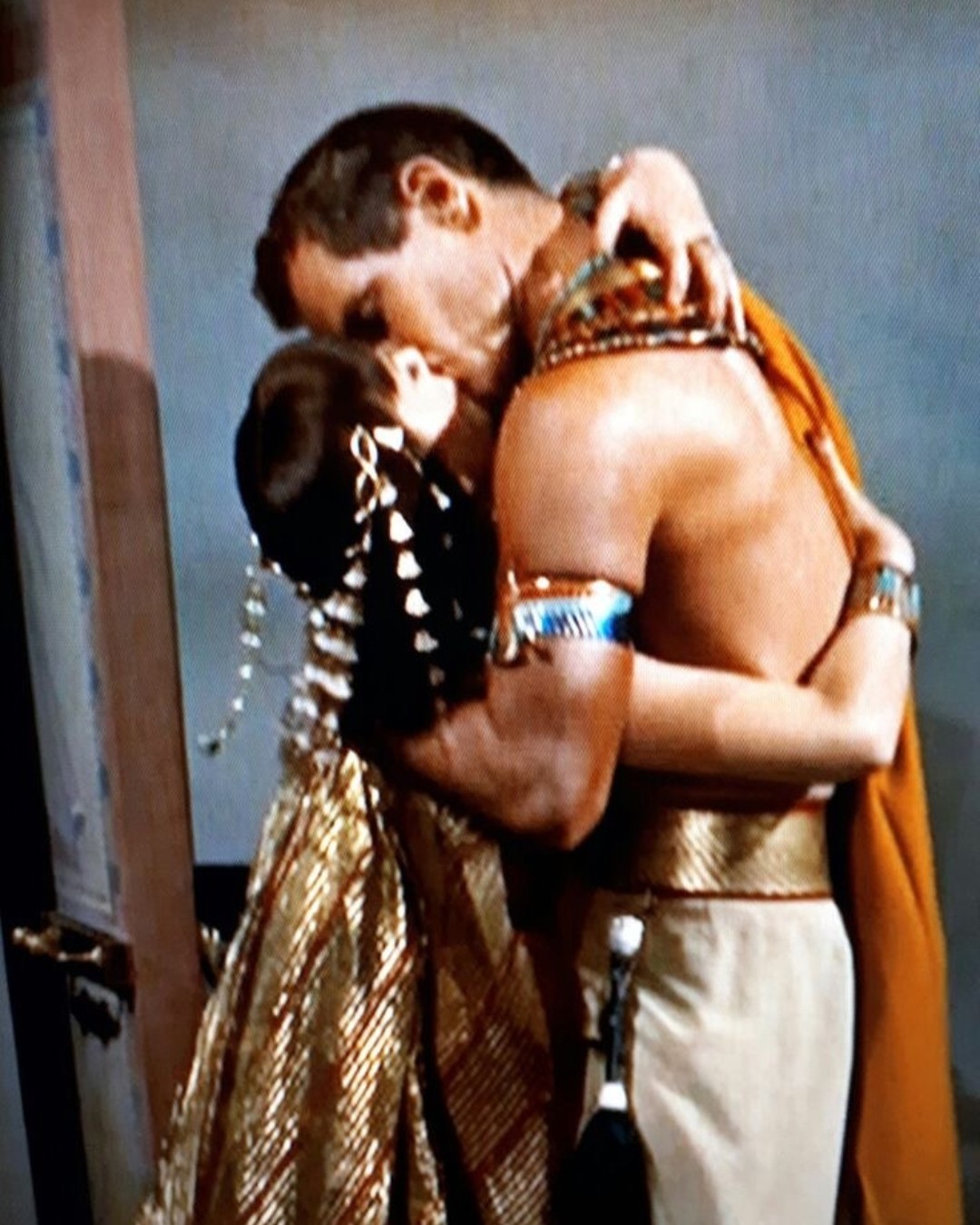
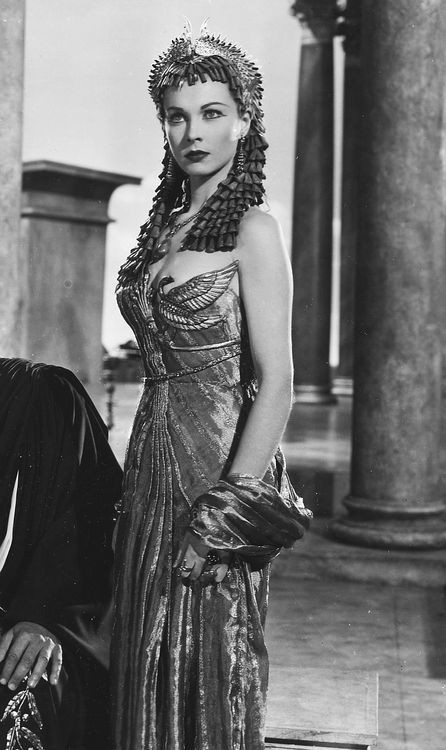
In Egypt, frankincense wasn't decoration — it was divine currency. Priests burned it daily for Ra's pleasure, stuffed it into mummy cavities to preserve souls, blended it into kyphi for sunset ceremonies that opened doorways between worlds. Hatshepsut valued it so highly she had entire frankincense groves transplanted to her mortuary gardens at Deir el-Bahari — insurance that her afterlife would be properly perfumed.
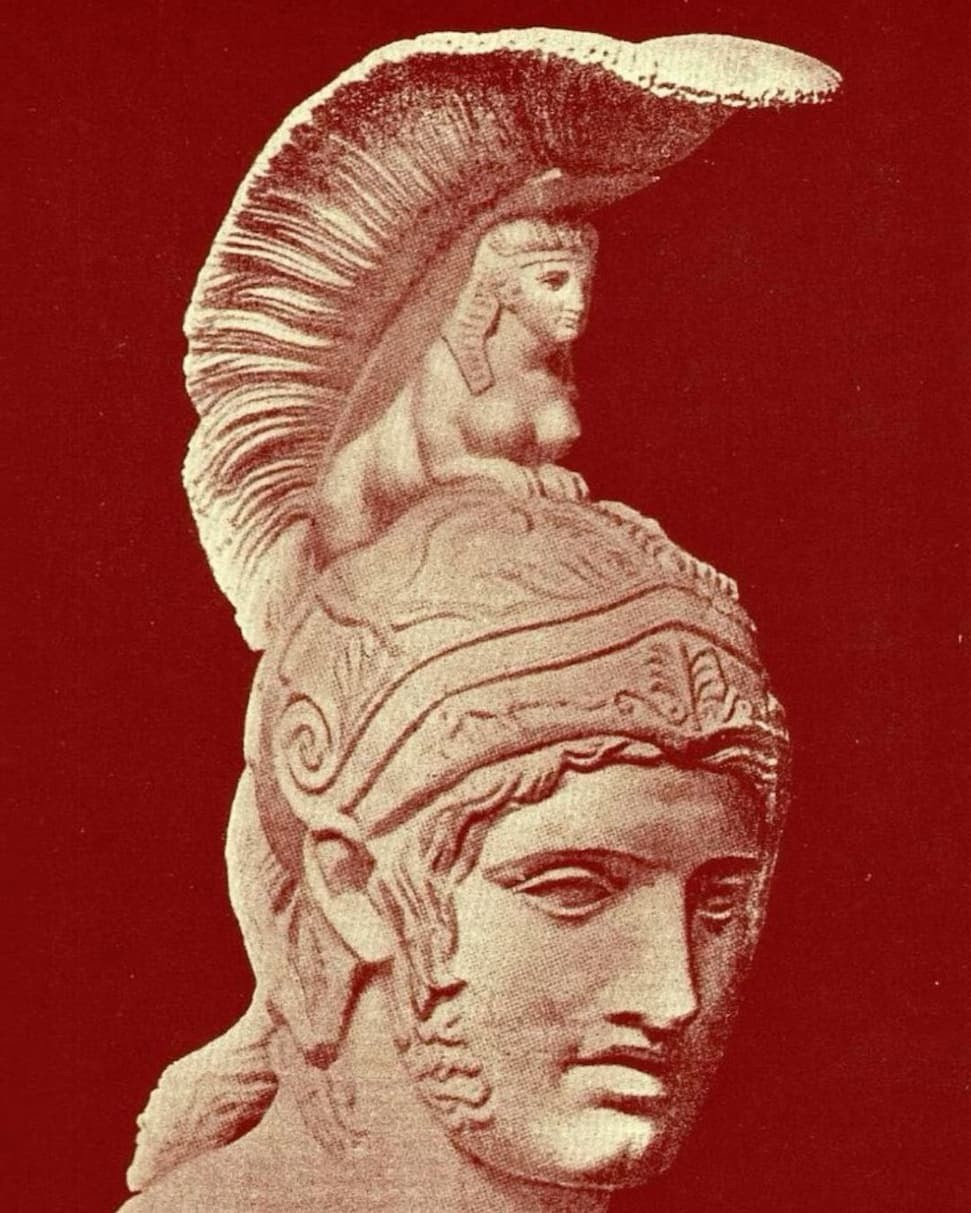
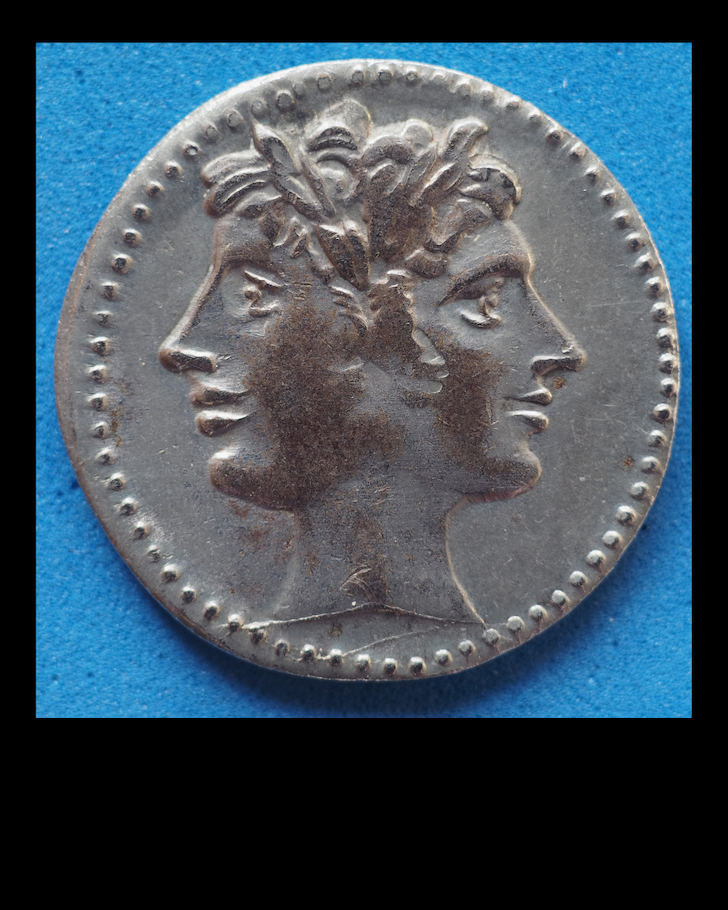
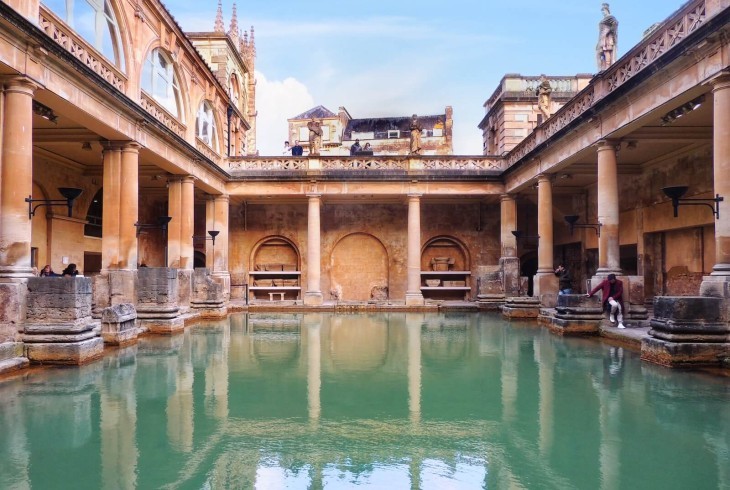
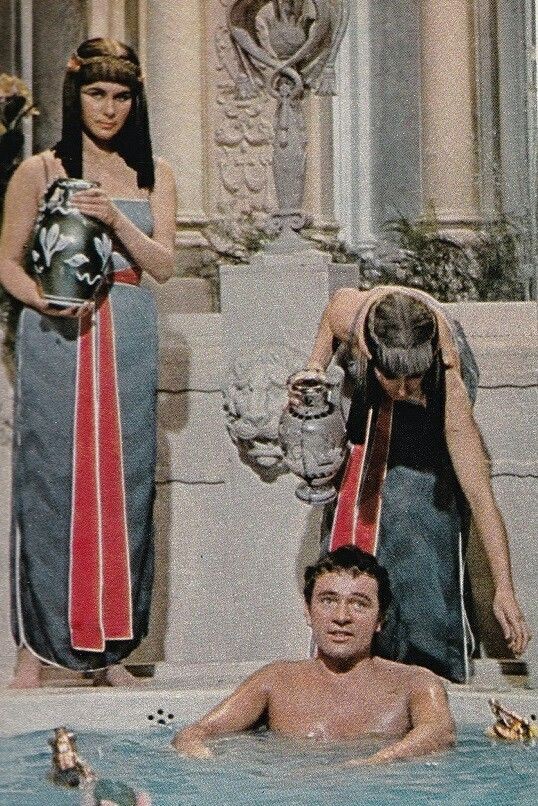
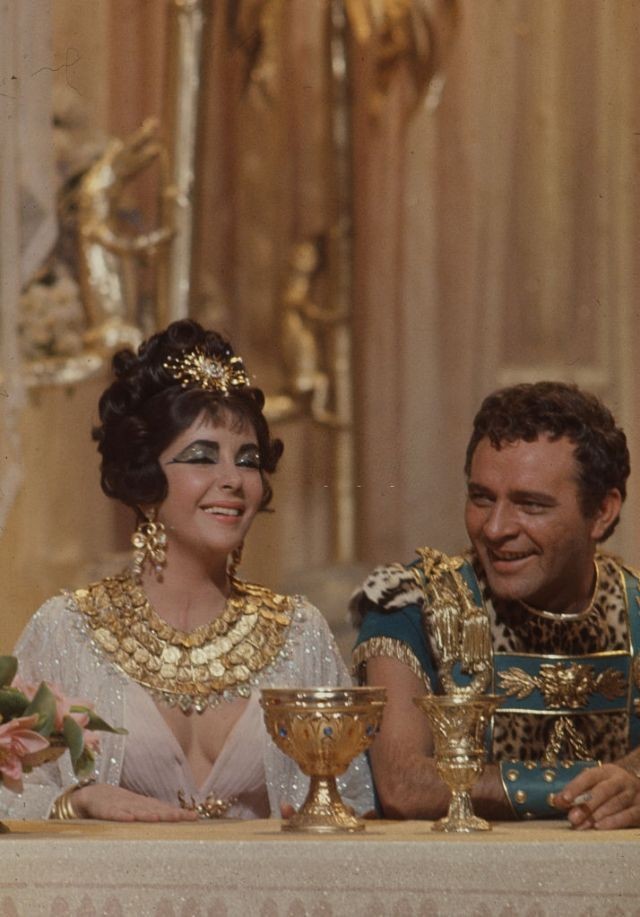
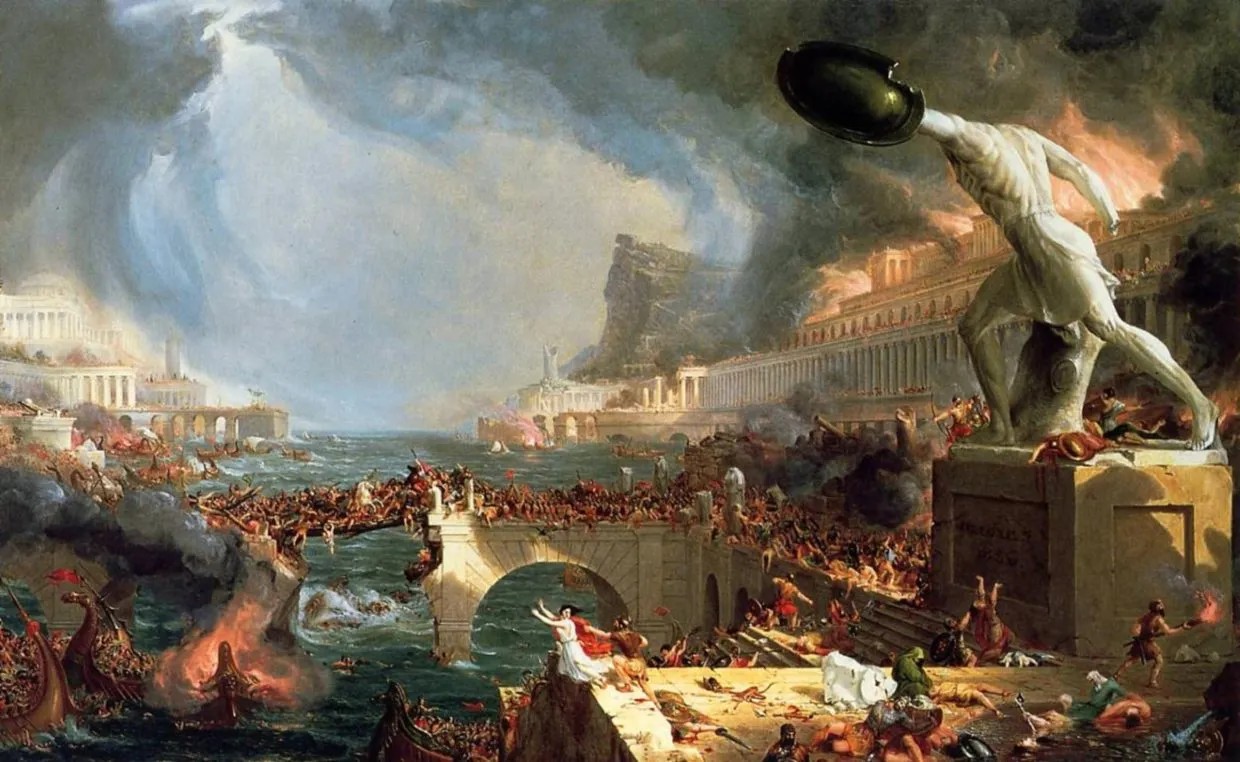
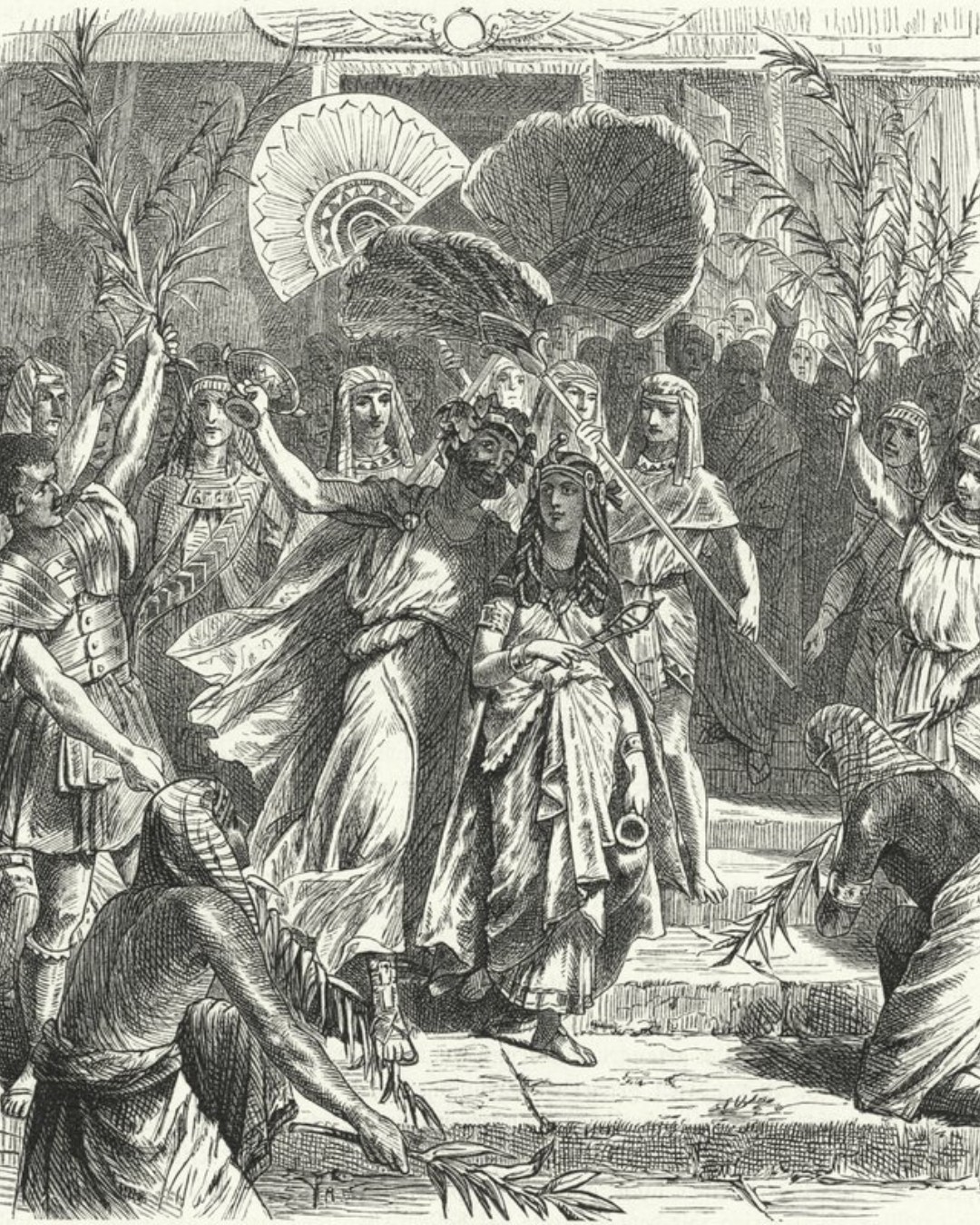
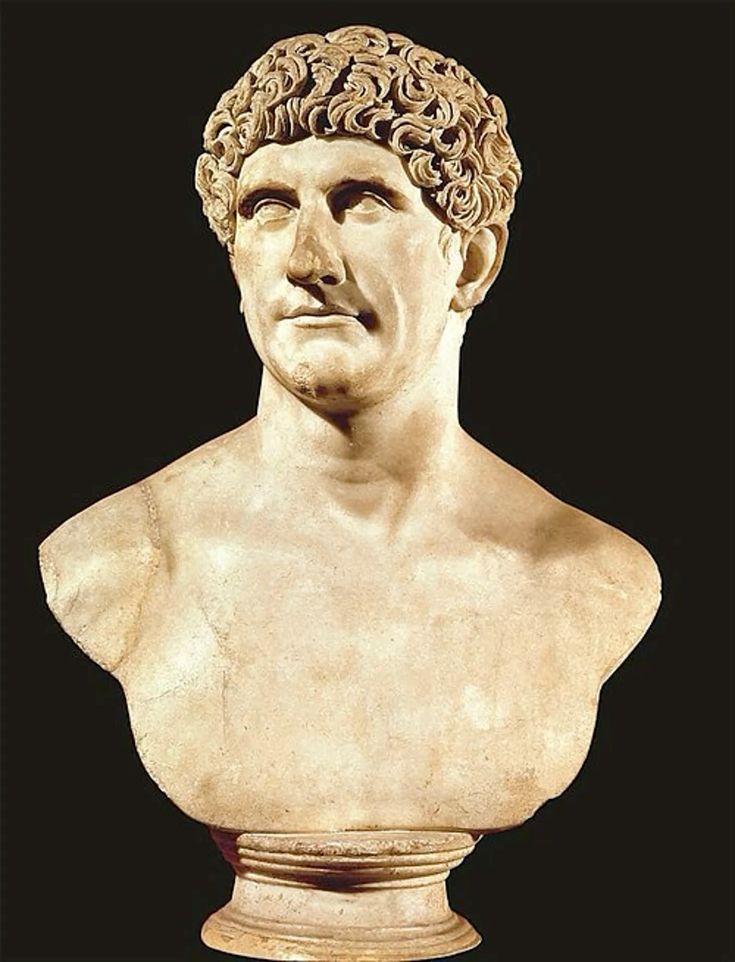
But follow those trade routes north to Rome, where frankincense became something else entirely: political theatre. Generals paraded it through streets during triumphs, announcing conquests through scent as much as spectacle. In private villas, it purified air and signalled divine favour to anyone sophisticated enough to recognise the expense.
Pliny called it "necessity for public and private ritual" — understanding what modern perfumers still know: some scents don't just perfume, they consecrate. They transform ordinary air into something worthy of gods and emperors.
Eastern medicine recognised frankincense's earthier powers: Ayurvedic healers praised it for easing inflammation, Chinese physicians used it to open constricted breath. Body and spirit treated as single system requiring single remedy.
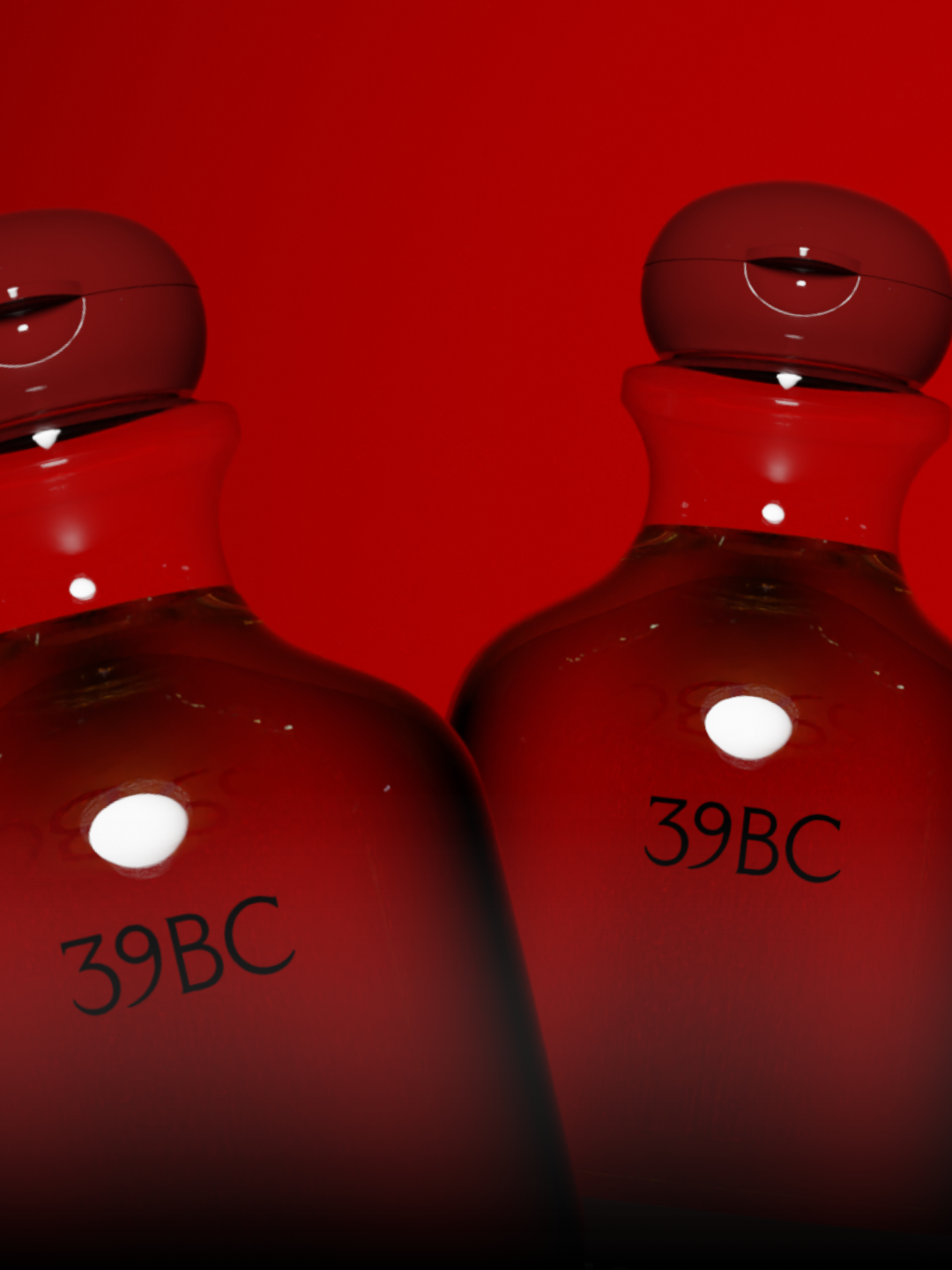
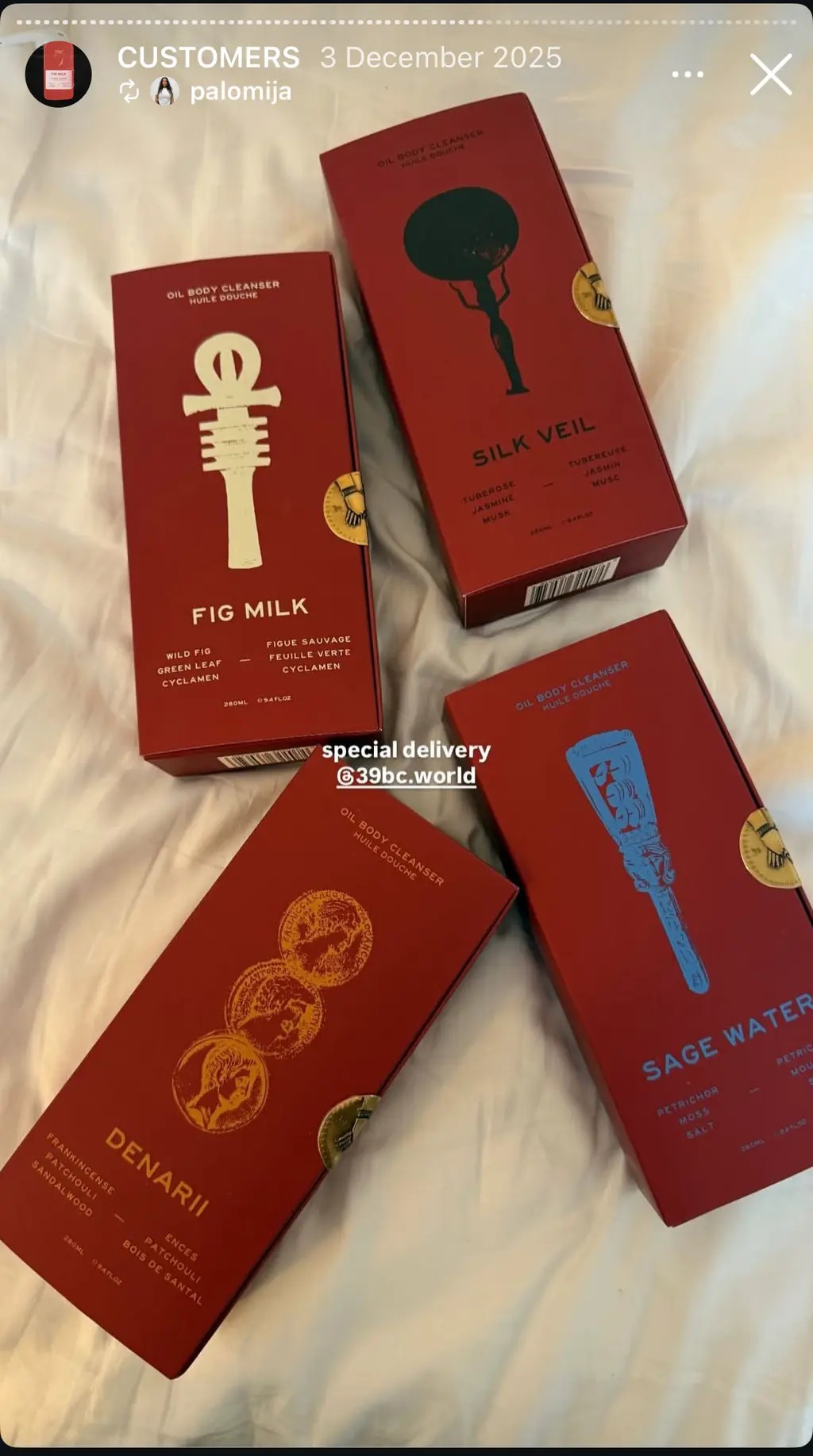
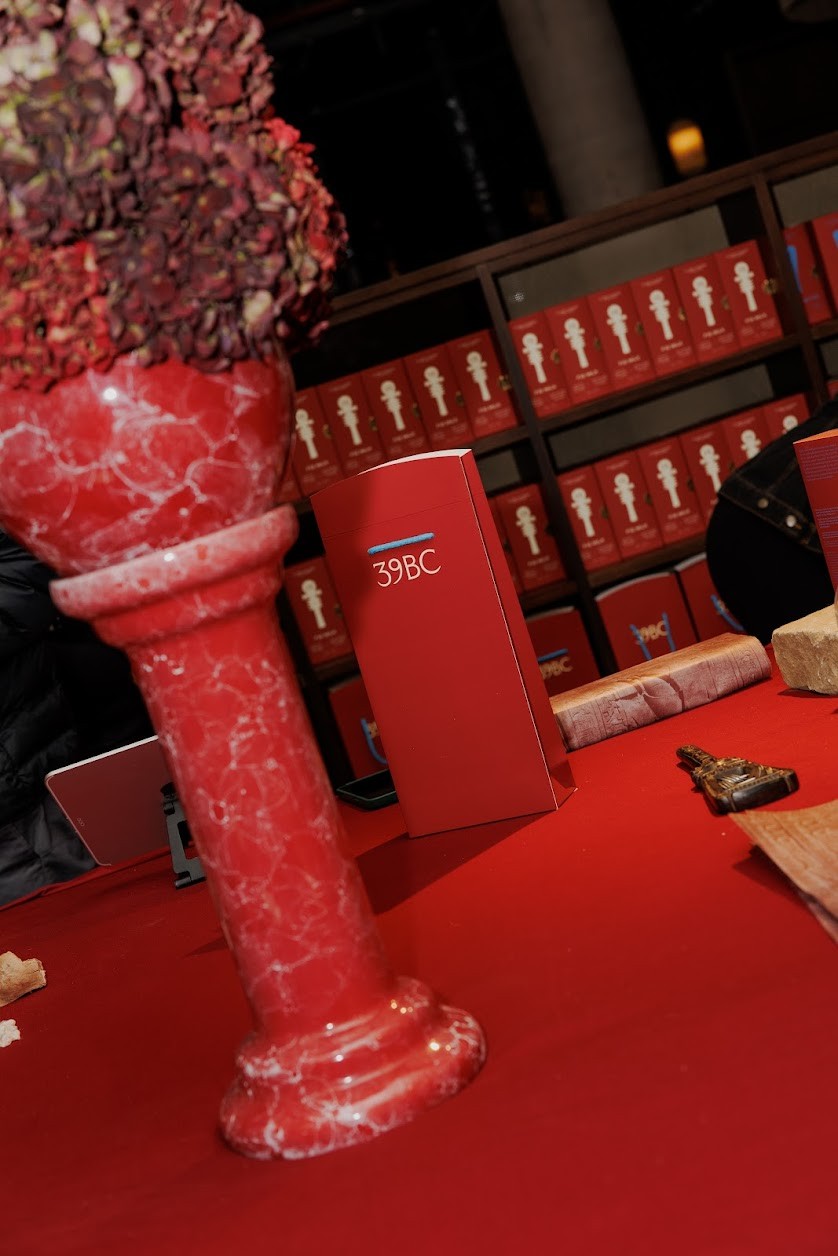
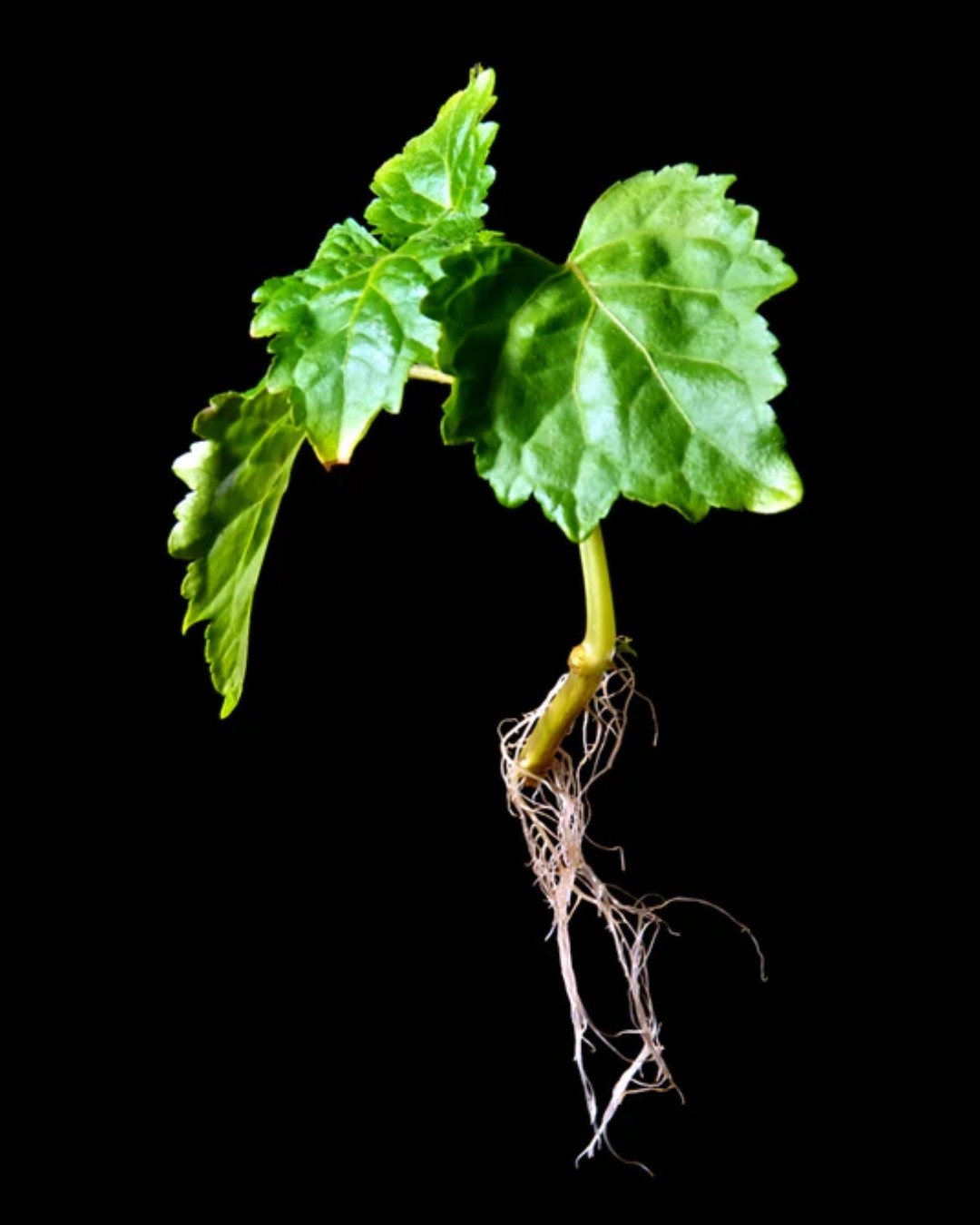
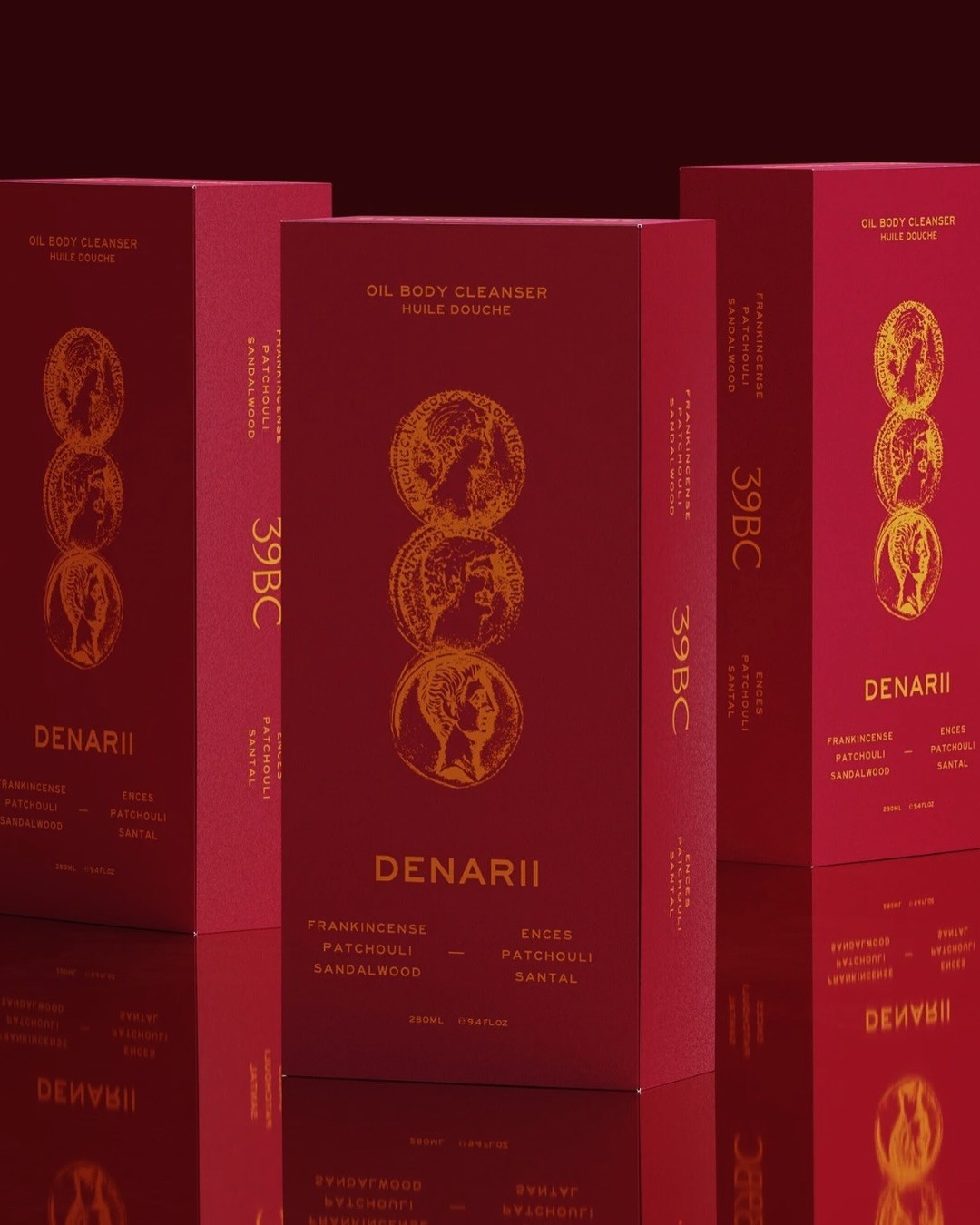
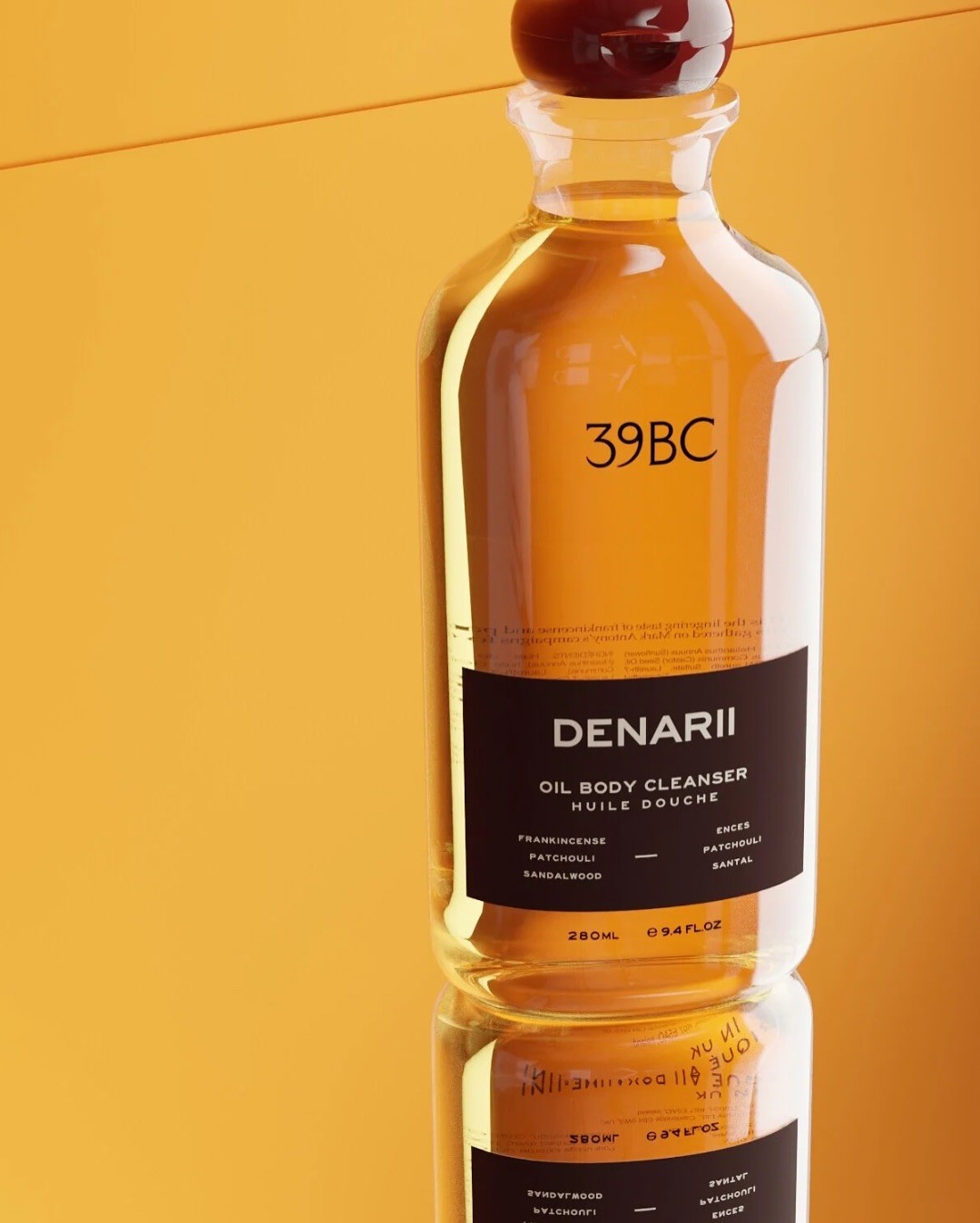
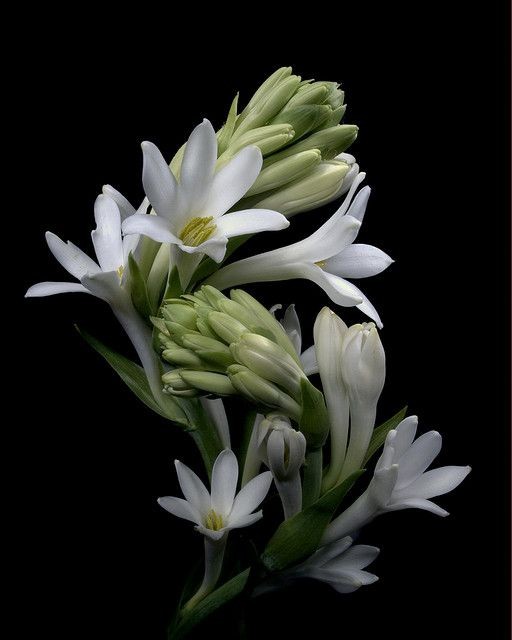
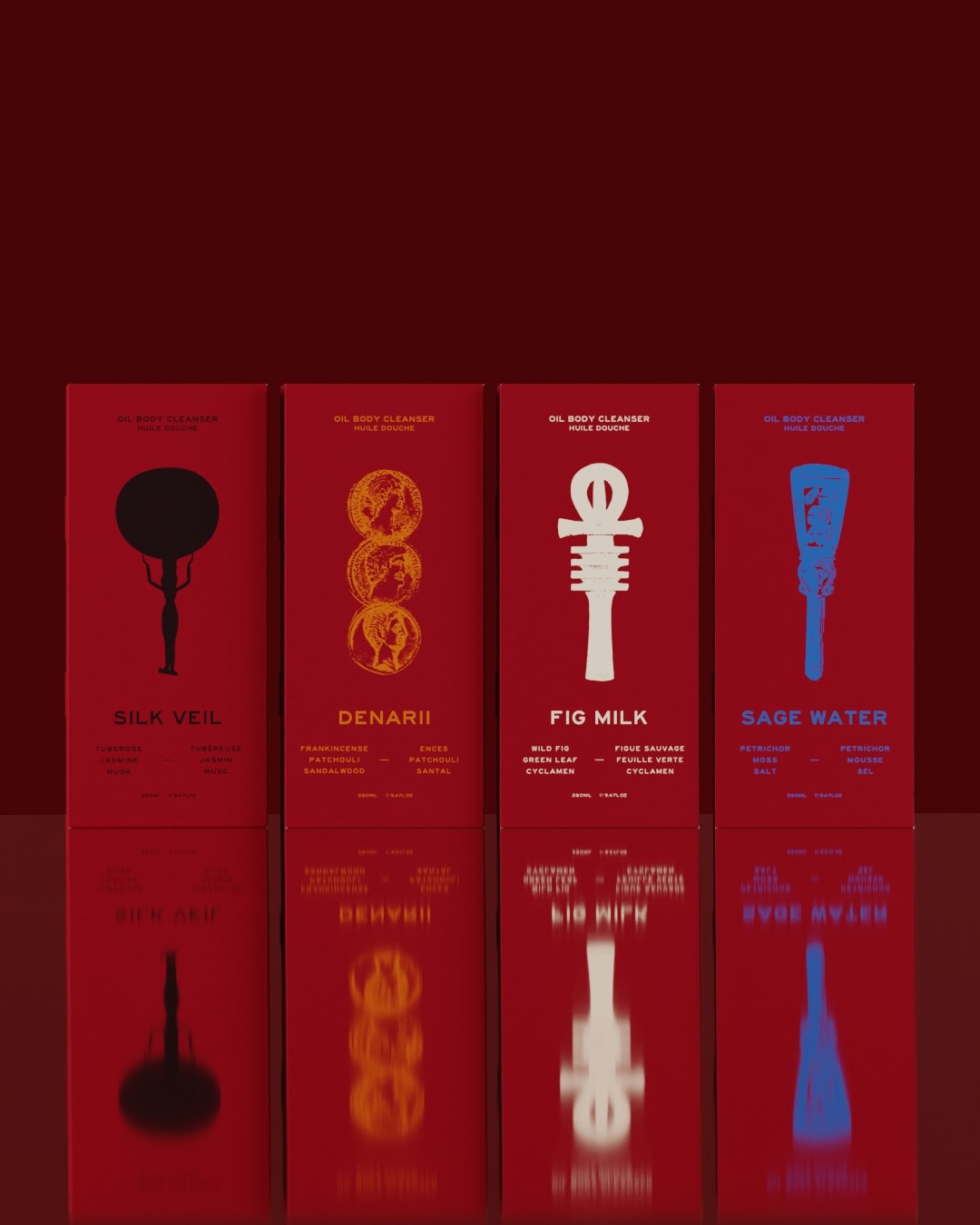
In DENARII, frankincense strikes first — sharp and sacred, like temple coals suddenly ignited. It flares against black pepper with almost violent intensity before surrendering to deeper warmth: patchouli, sandalwood, balsams that wrap around skin like expensive armour.
The opening that announces: someone important has entered the room. Someone worth the cost of importing divinity from desert cliffs thousands of miles away.