The story of salt is as ancient as humanity itself.
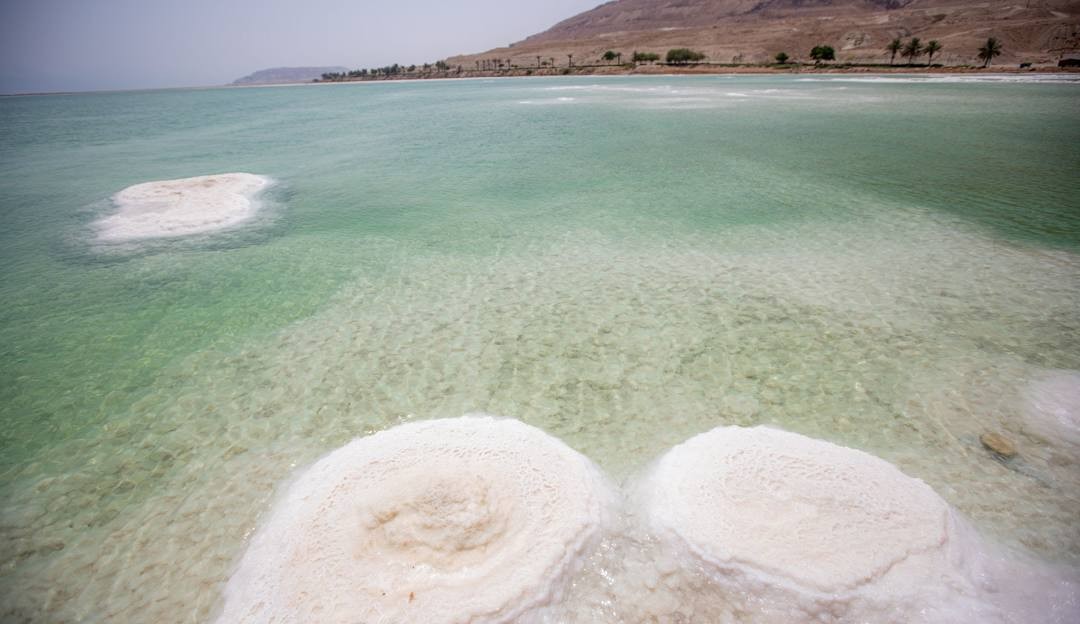
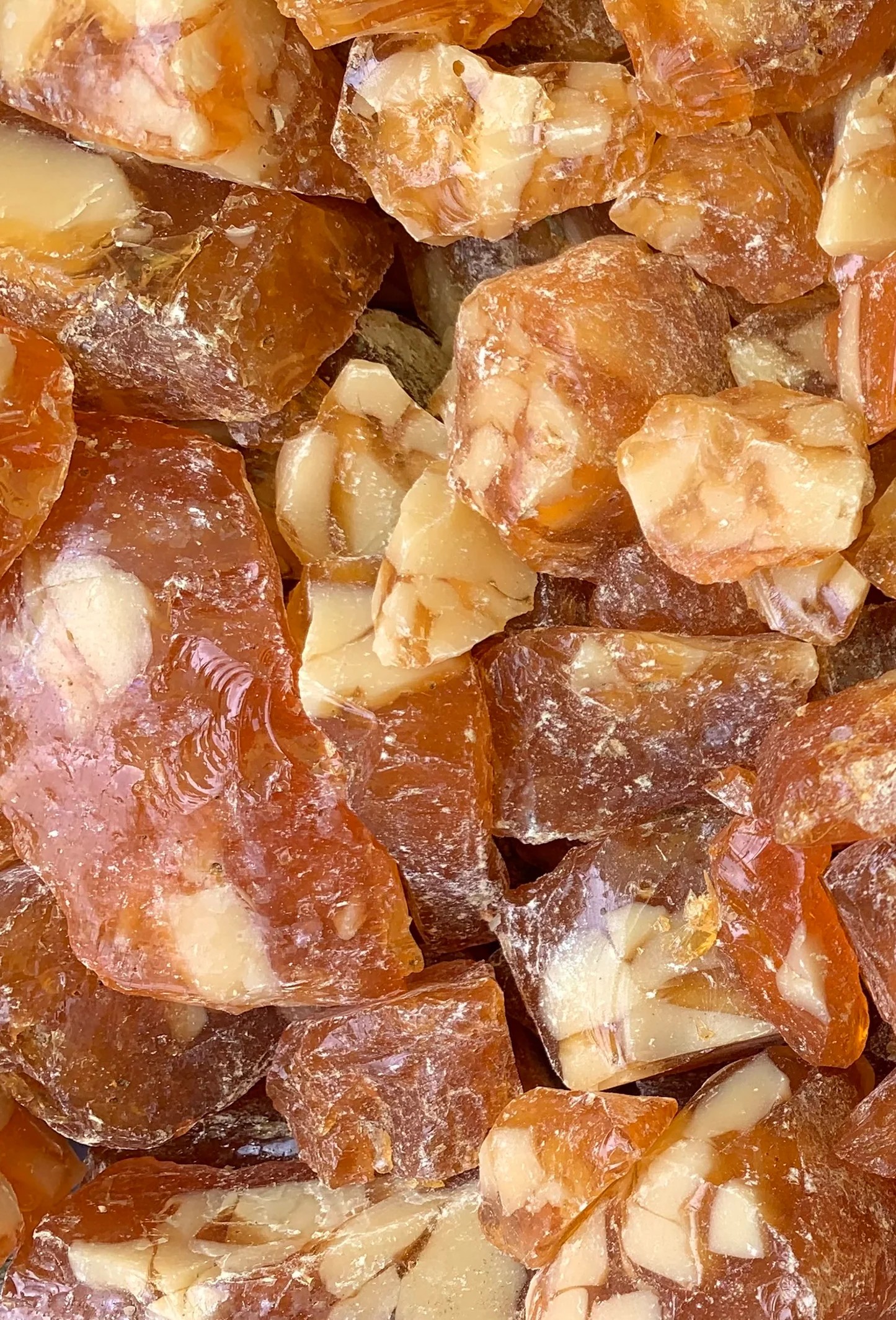
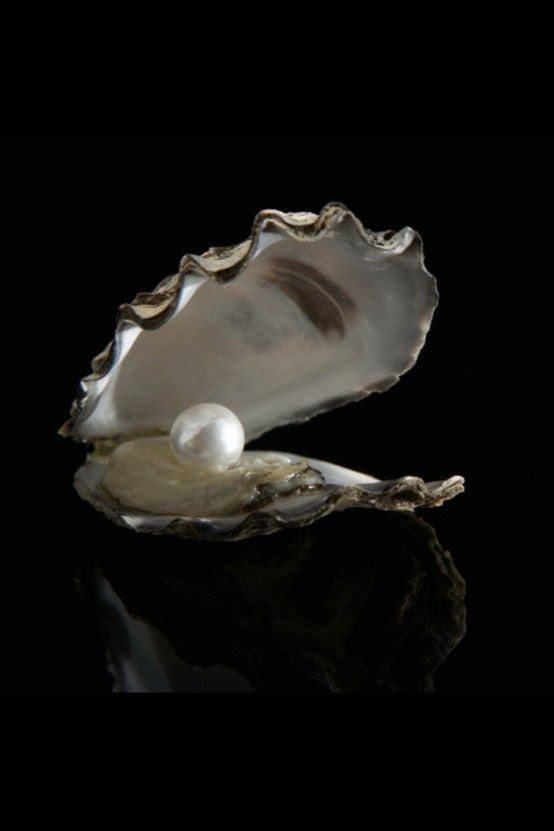
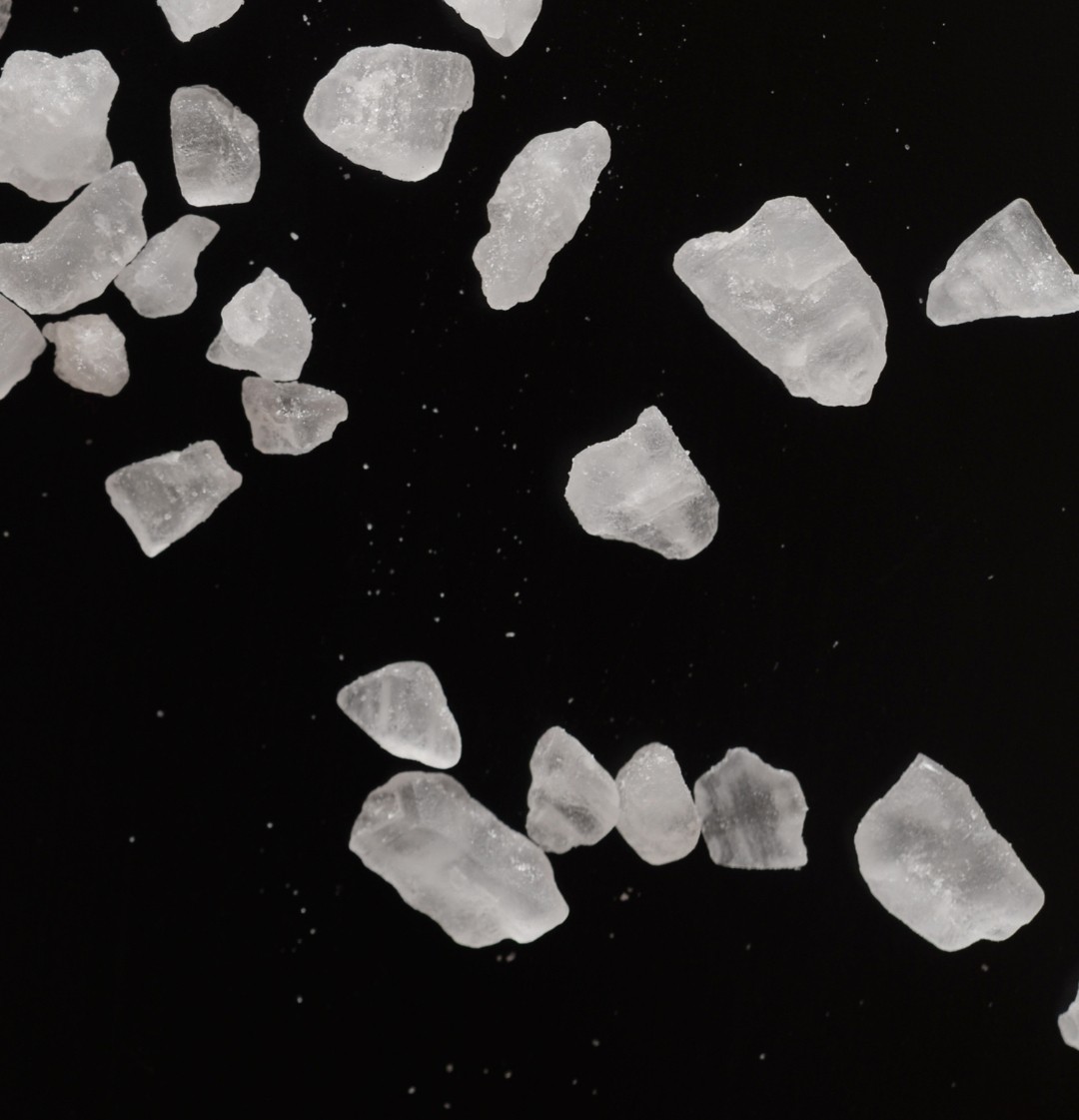
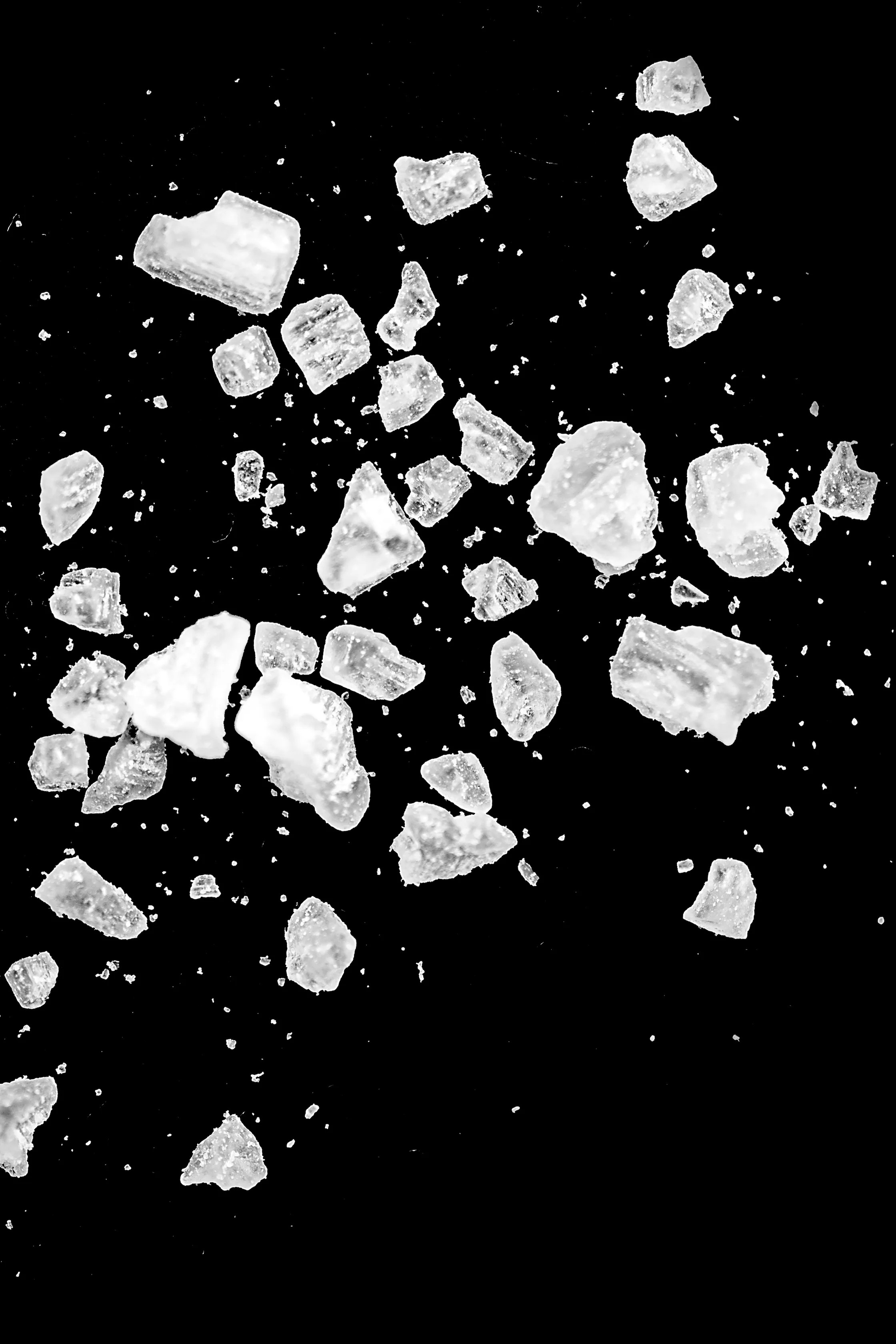
Picture the oyster harvesters at dawn on Mediterranean shores, scraping white crystals from tidal pools where seawater has surrendered to sun and wind. This isn't an ingredient that grows or blooms — it's earth's own distillation, geometry made edible, the ocean's gift.
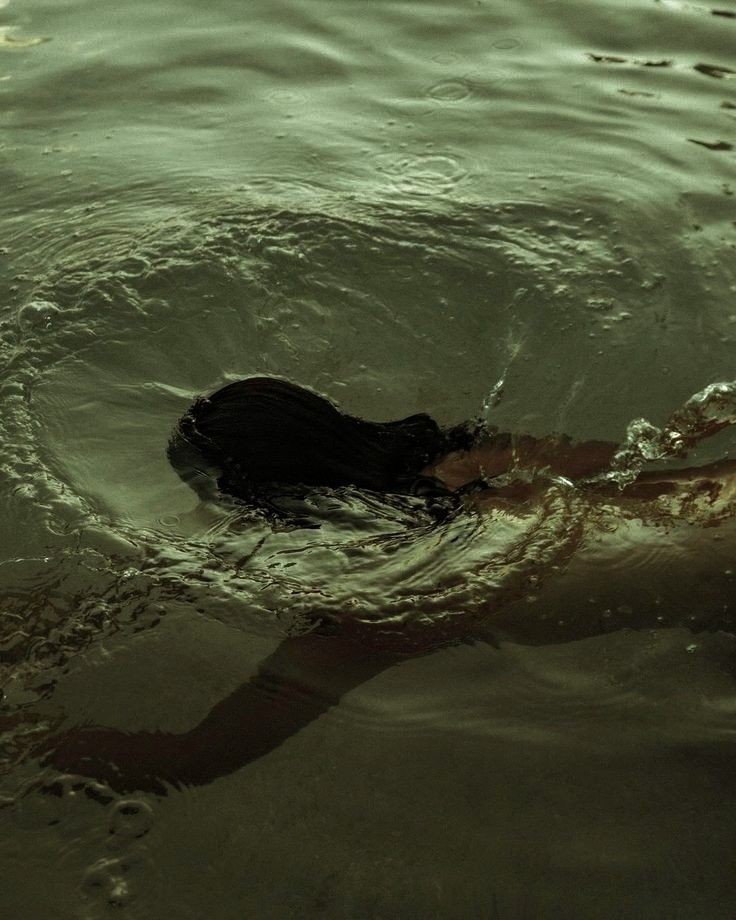
The scent isn't fragrance in any floral sense, but sensation that cuts straight through pretense: bracing, clean, the olfactory equivalent of diving into cold water when your skin has begun to drip with sweat.

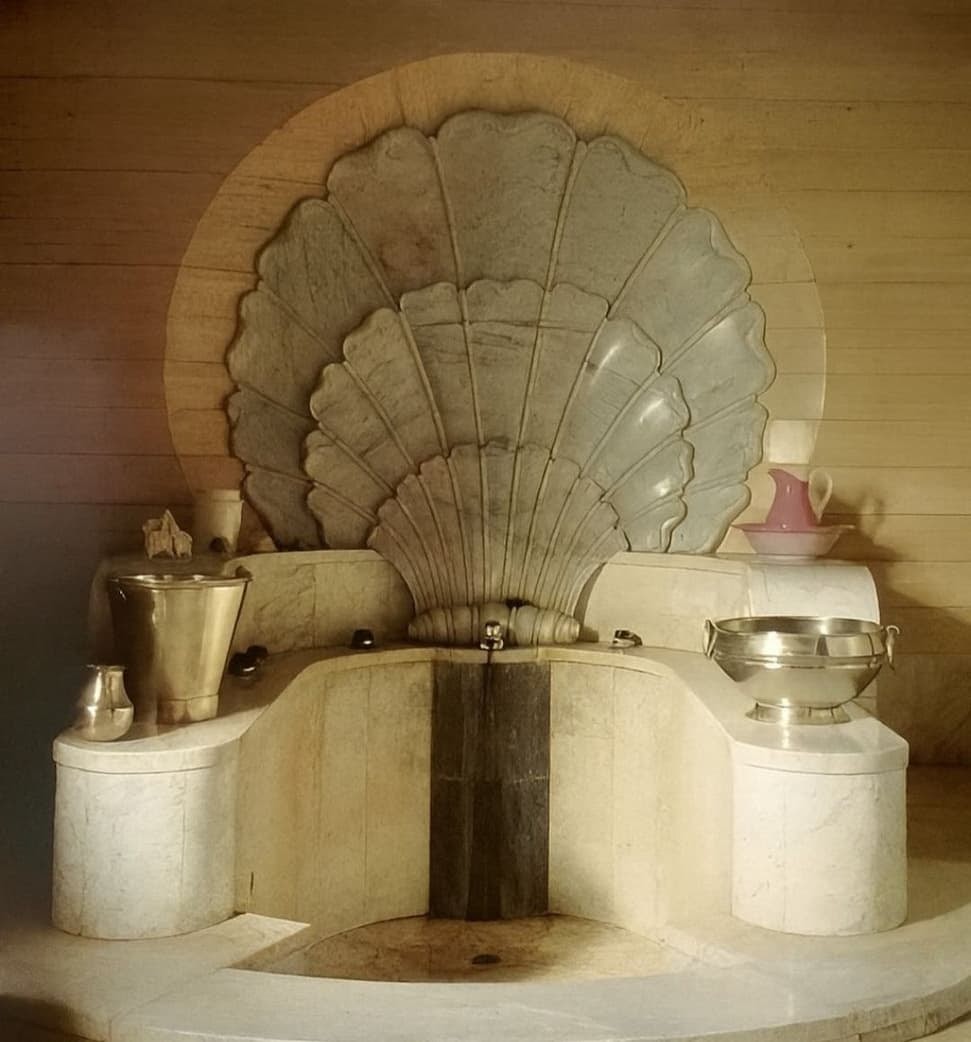
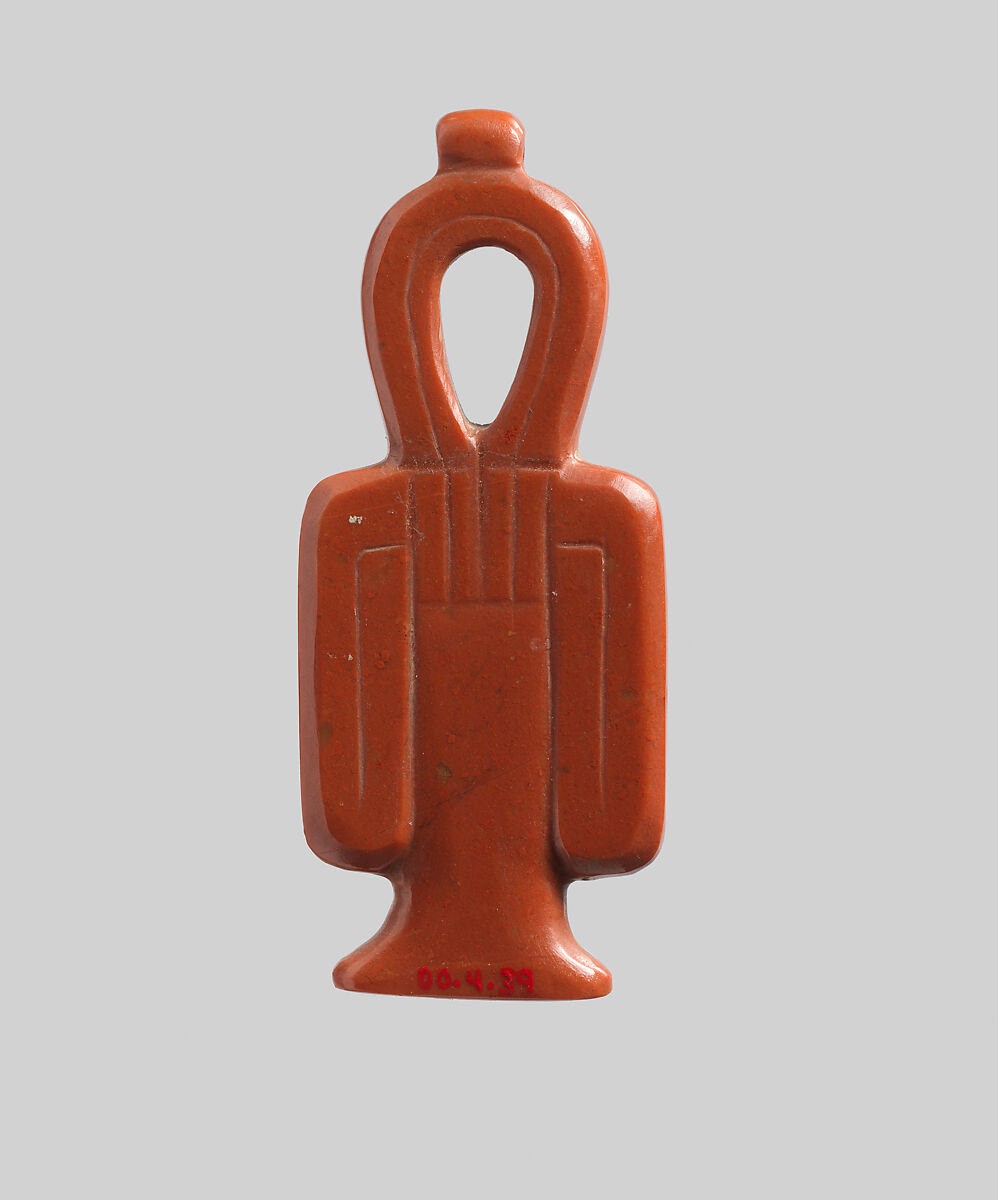
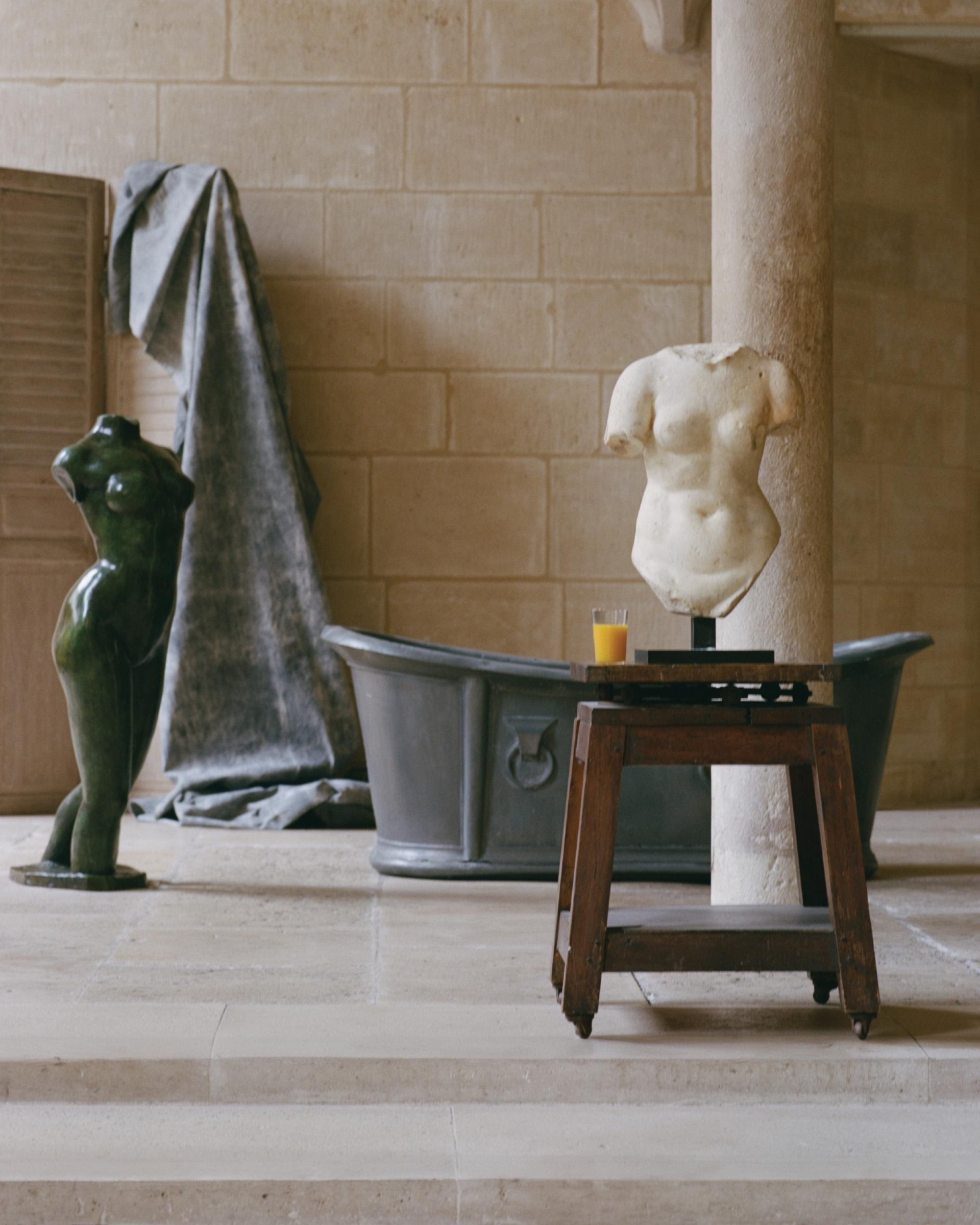
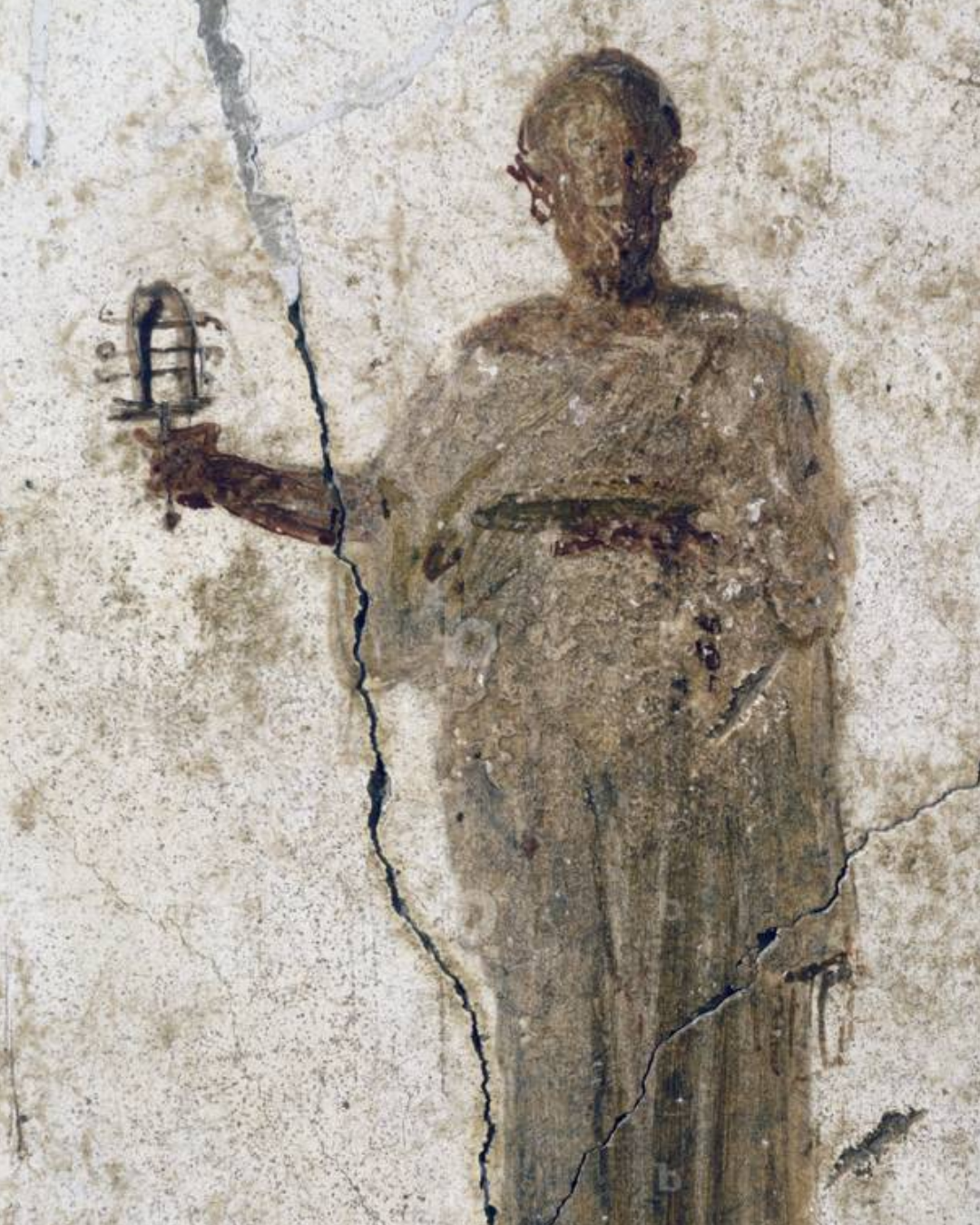
Follow salt through sacred histories where it served purposes beyond seasoning. Egyptian embalmers mixed it with natron to preserve what death threatened to dissolve. Roman priests scattered it into temple baths, bringing memories of primordial seas into their religious ceremony.
It transforms ritual bathing into ceremony. Added to warm water, salt doesn't just clean — it clarifies, drawing impurities from pores that have accumulated more than physical residue. The element that makes tired skin remember what vitality feels like, that reminds bodies they emerged from oceans long before they learned to walk on land.
Ancient physicians prescribed salt baths for melancholy, understanding its power to shock systems grown sluggish from too much comfort, too little challenge. The mineral that restored balance not through gentle persuasion but through crystalline insistence that some truths cannot be softened.
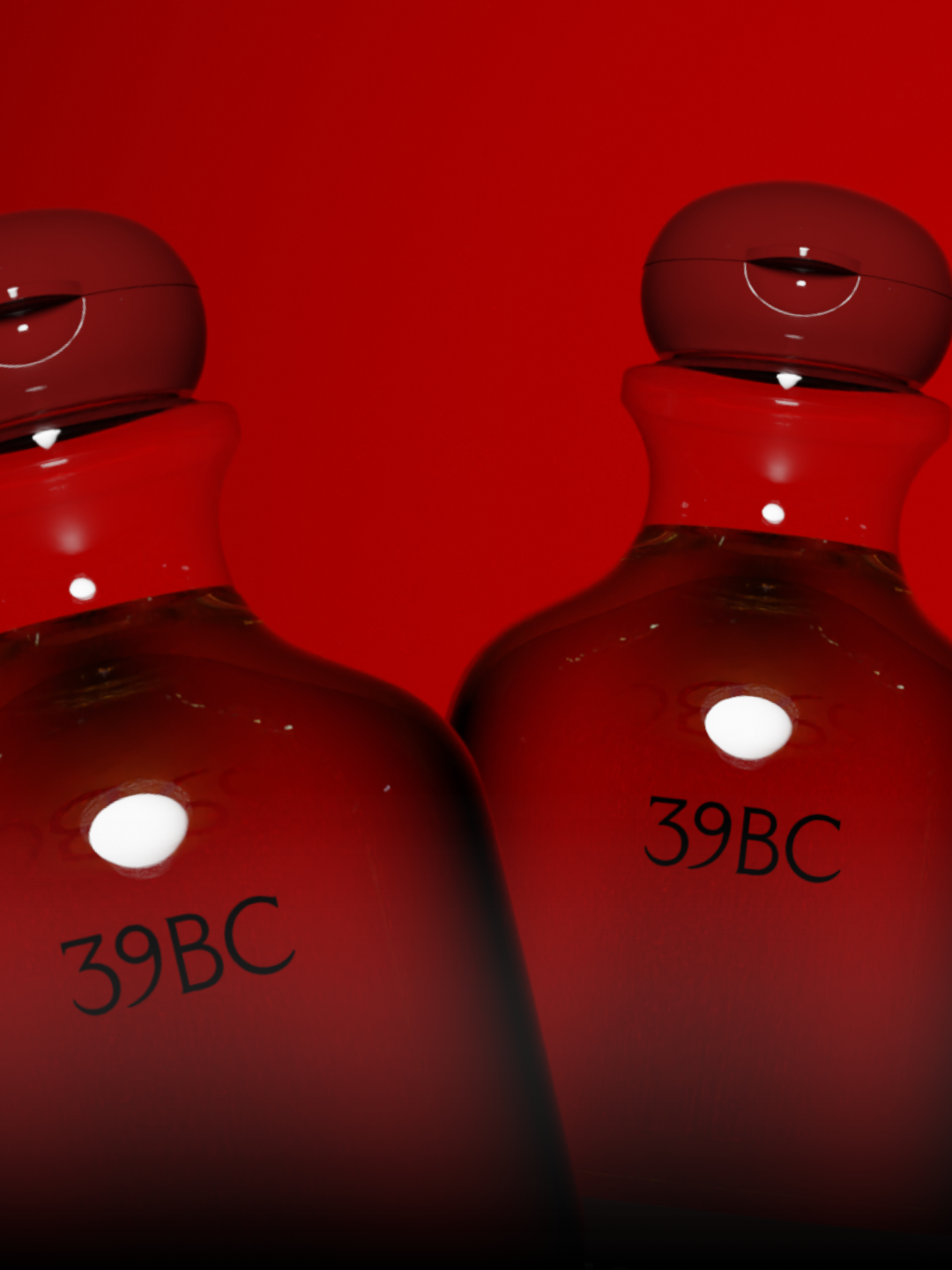
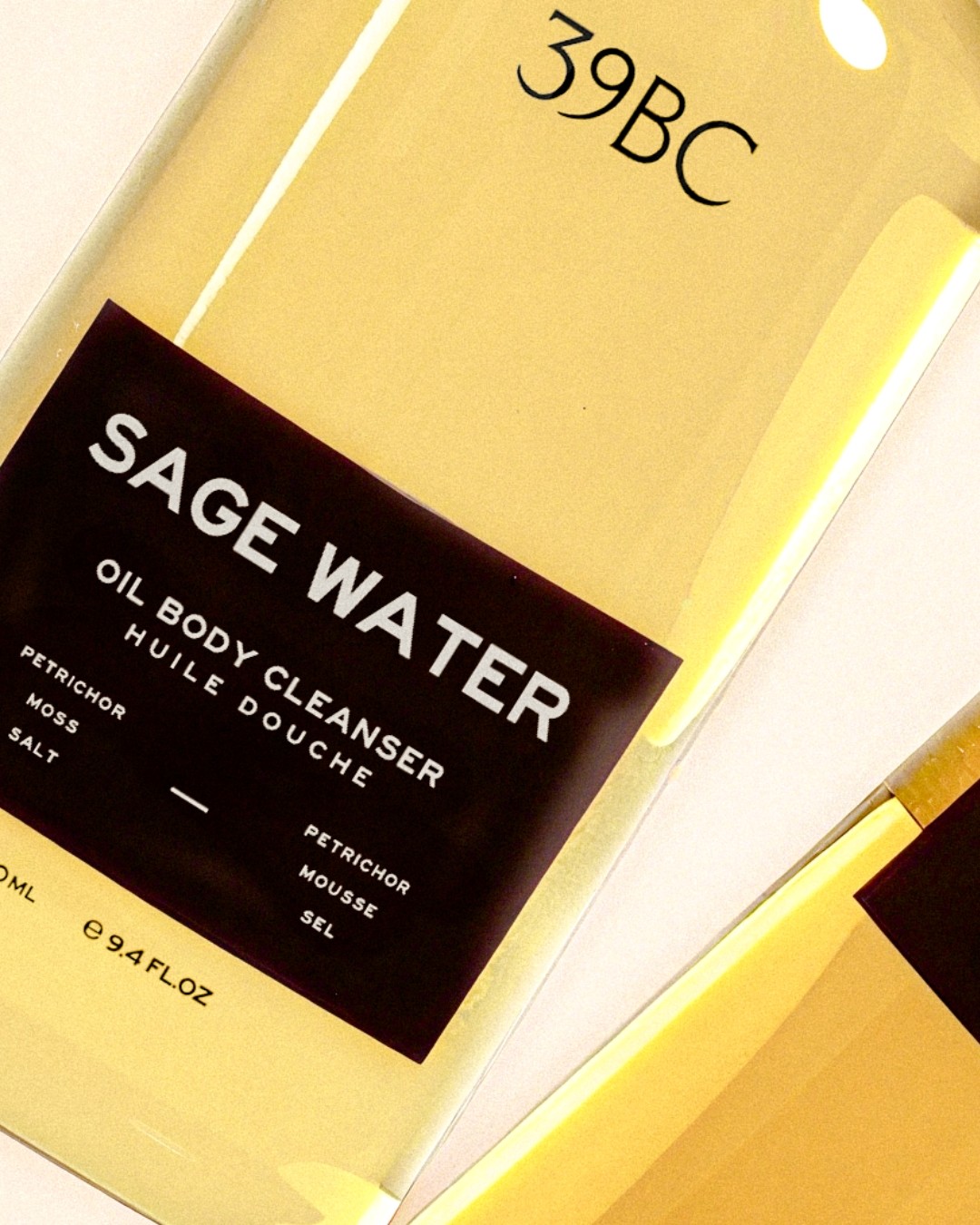
In SAGE WATER, salt provides mineral brightness that threads through rain-soaked petrichor and herb-green freshness like silver wire through silk. It balances woods and florals with something cooler, sharper, more essential, older and wiser, honest as the sea that created it through patient evaporation of everything unnecessary.