The blue lotus wasn't just a flower in Egypt. It was a drug, a symbol, a sun trapped in a petal.
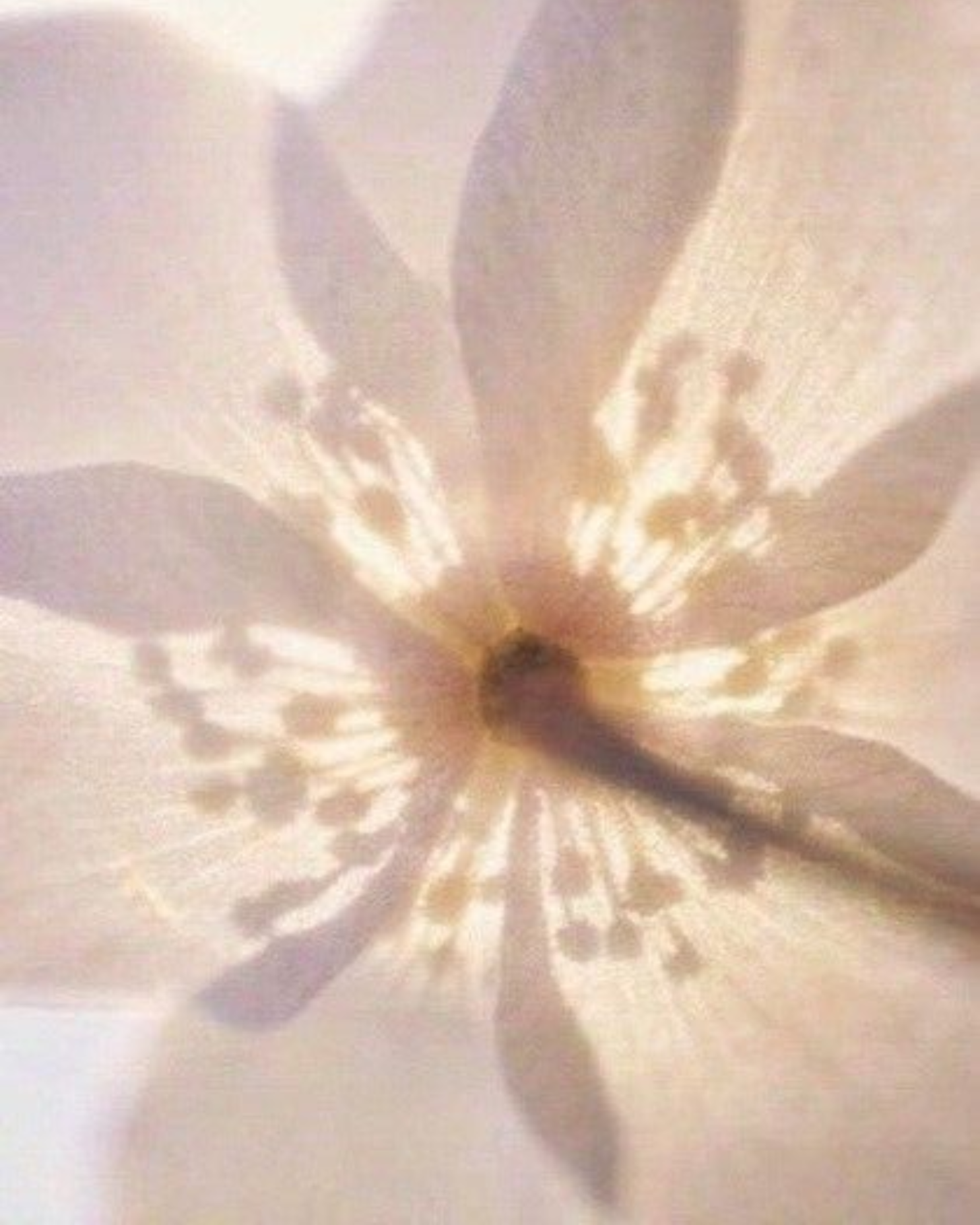
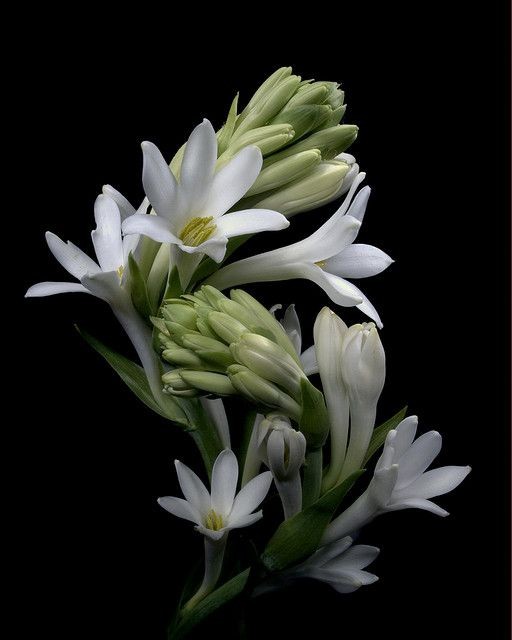
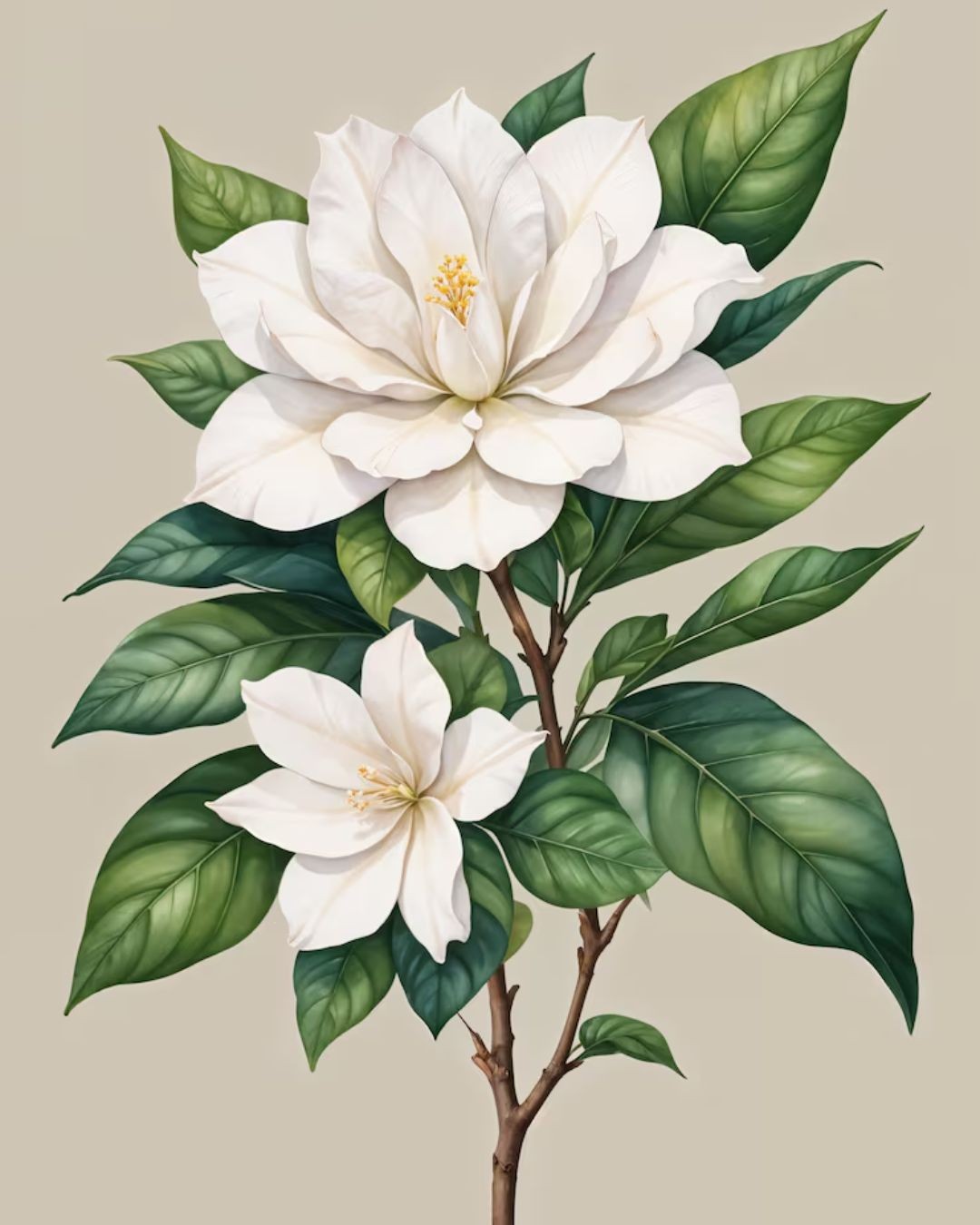
Nymphaea caerulea floated in the still waters of the Nile, opening at dawn and closing at dusk — a daily resurrection. Life, death, rebirth, rehearsed on the river's surface. No wonder it became the emblem of awakening, painted in temples, carved into tombs, slipped into the hands of gods and kings.
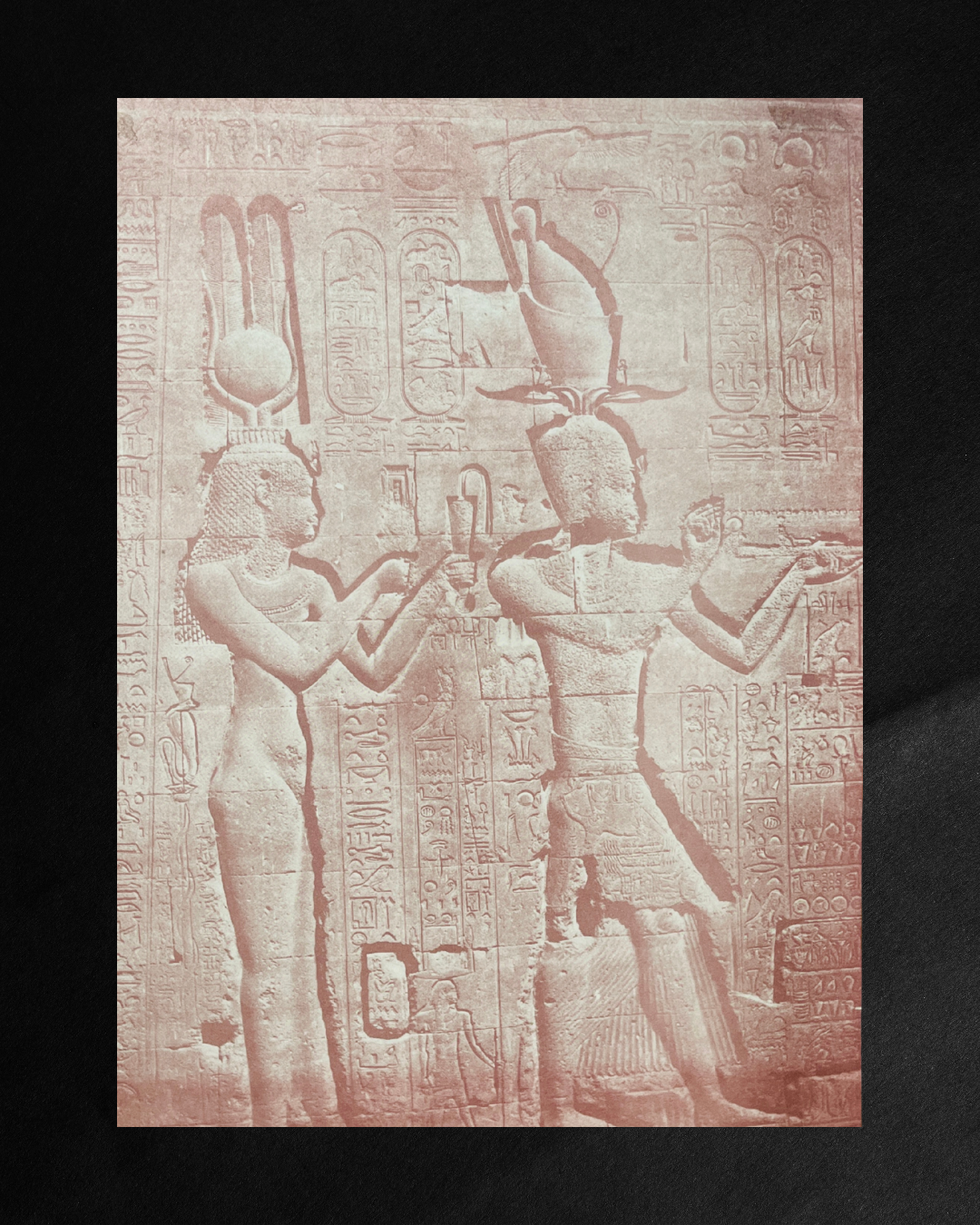
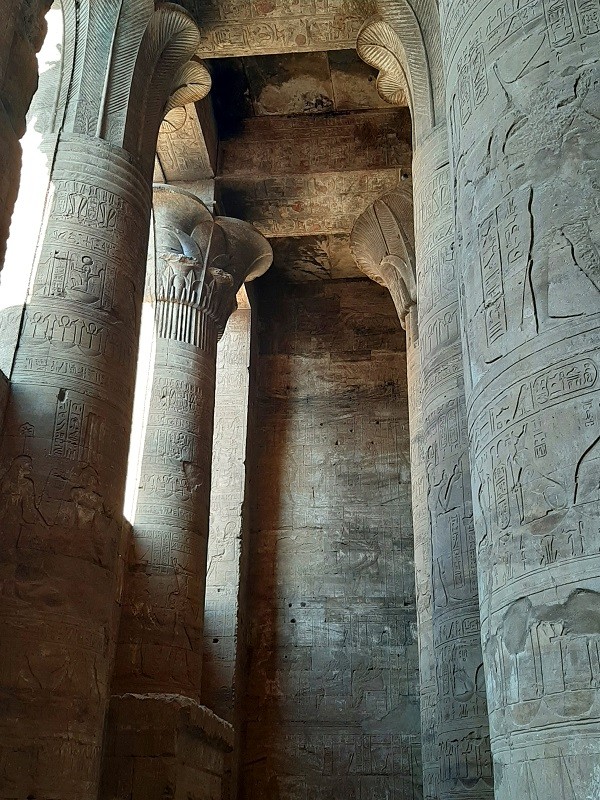
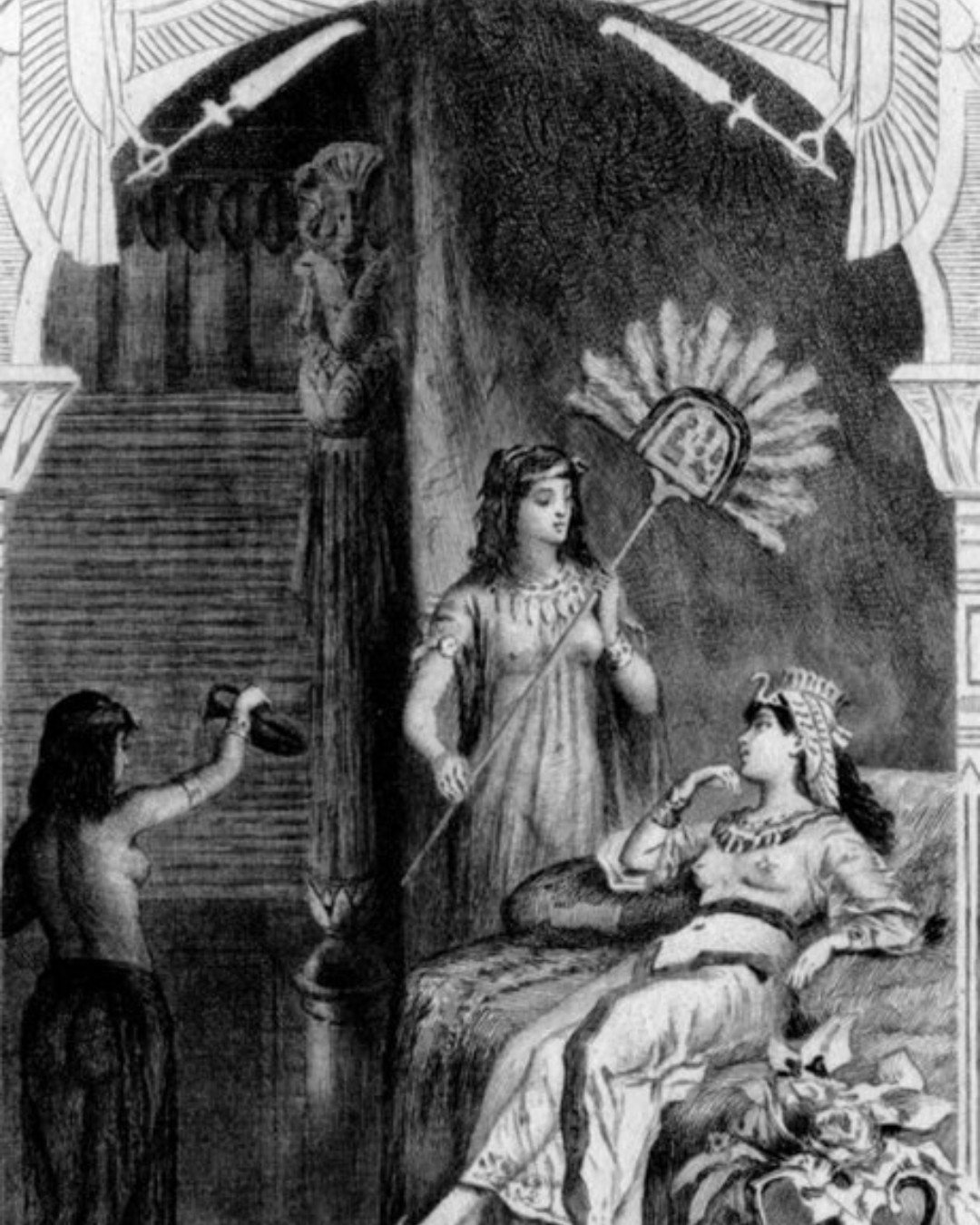
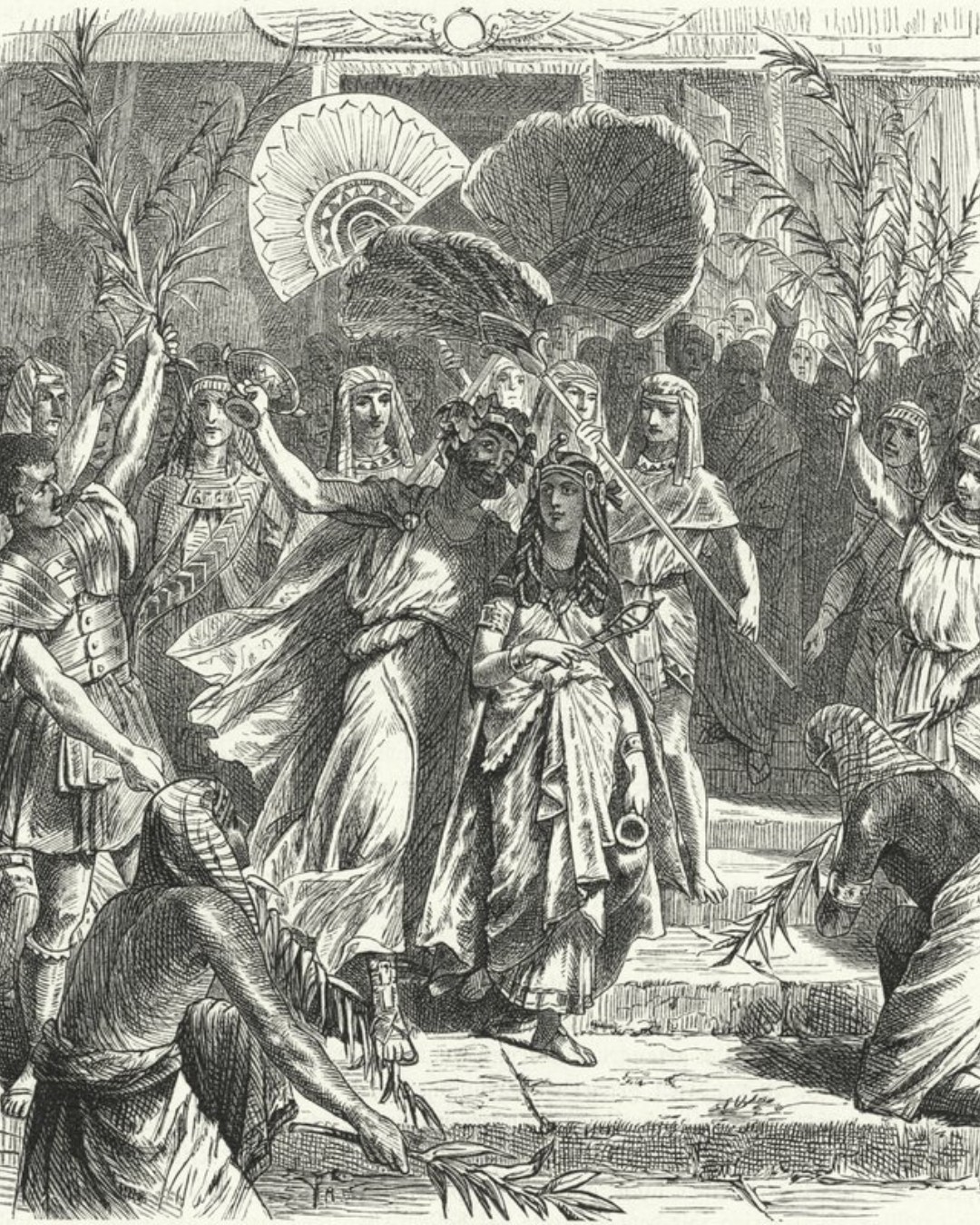
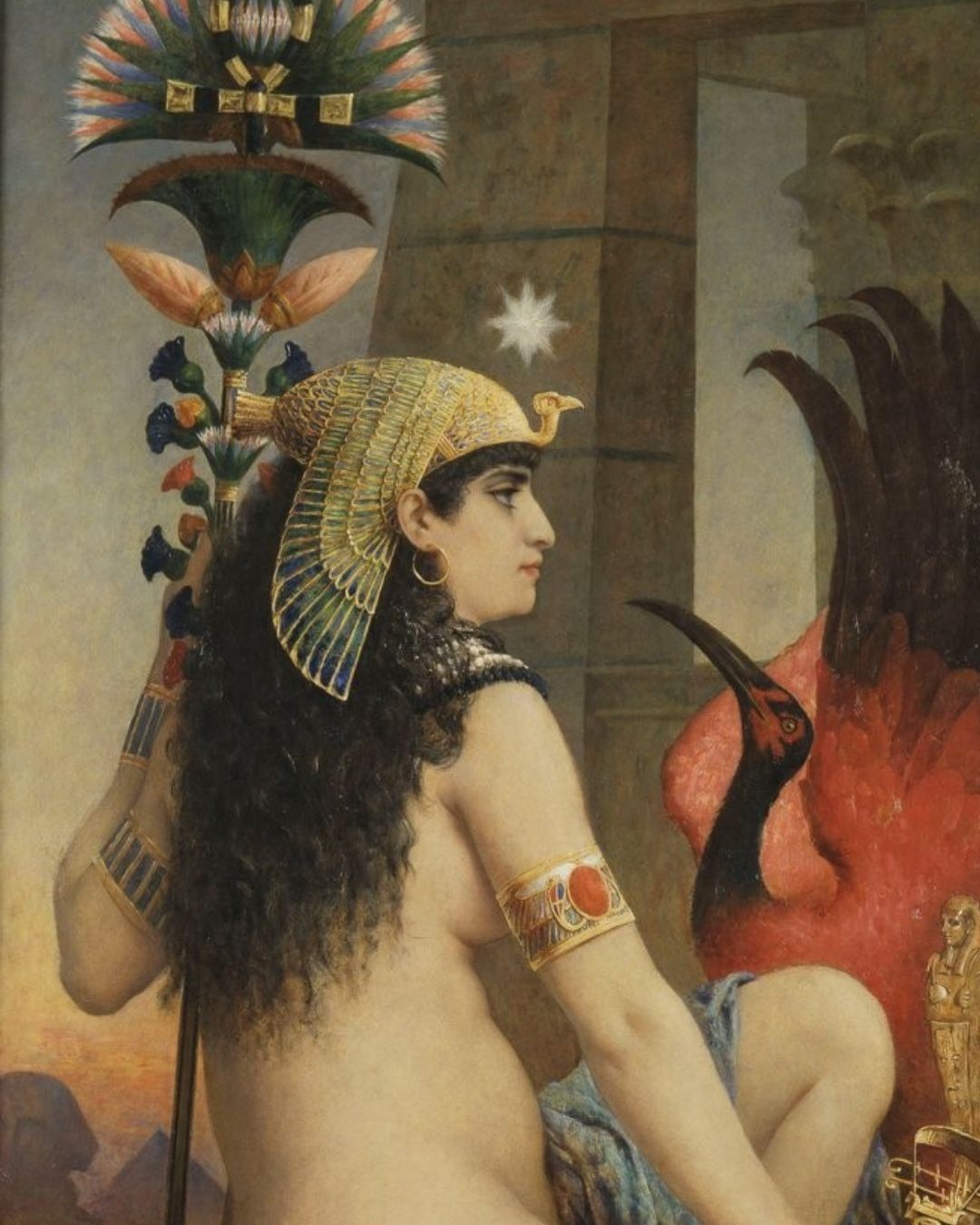
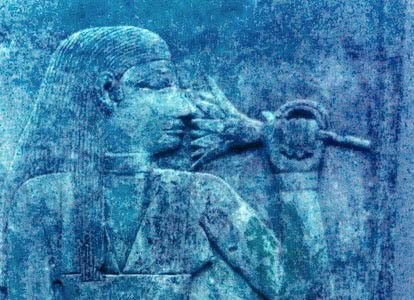
The art tells it plainly: lotus blossoms pressed to noses, petals offered like kisses. The flower carried mild psychoactive properties — euphoria, dreamlike calm, a blurring of waking and sleeping, feast and afterlife. Which is why it appears everywhere: banquet murals, funerary rites, the Book of the Dead, where the soul prays to "become the lotus," rising reborn with the sun.
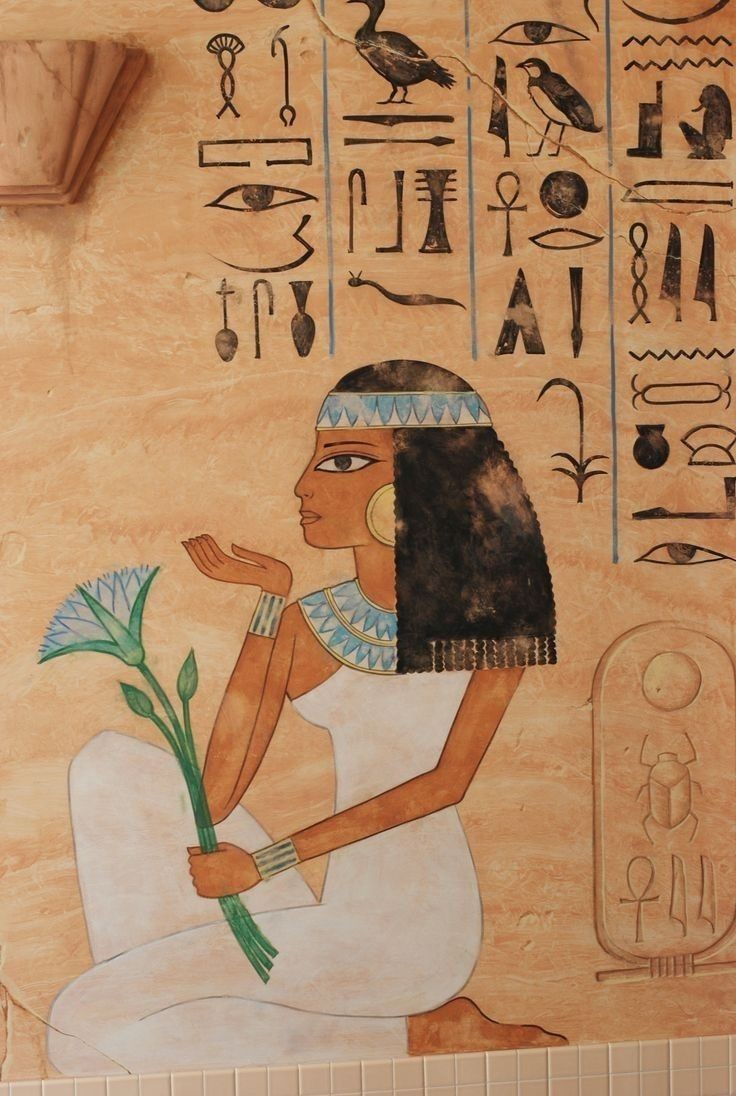
In myth, the flower was cosmic theatre. The sun itself was said to have first lifted from a lotus bloom — every blossom on the Nile a miniature divine creation, eternity floating at your fingertips. Priests steeped it into oils and incense, threaded garlands for ritual. Its perfume was intoxication, a shortcut to clarity, ecstasy, divine proximity.
To inhale the blue lotus was to inhale the gods' own awakening.